English
  日本語
日本語
 Español
 Deutsch



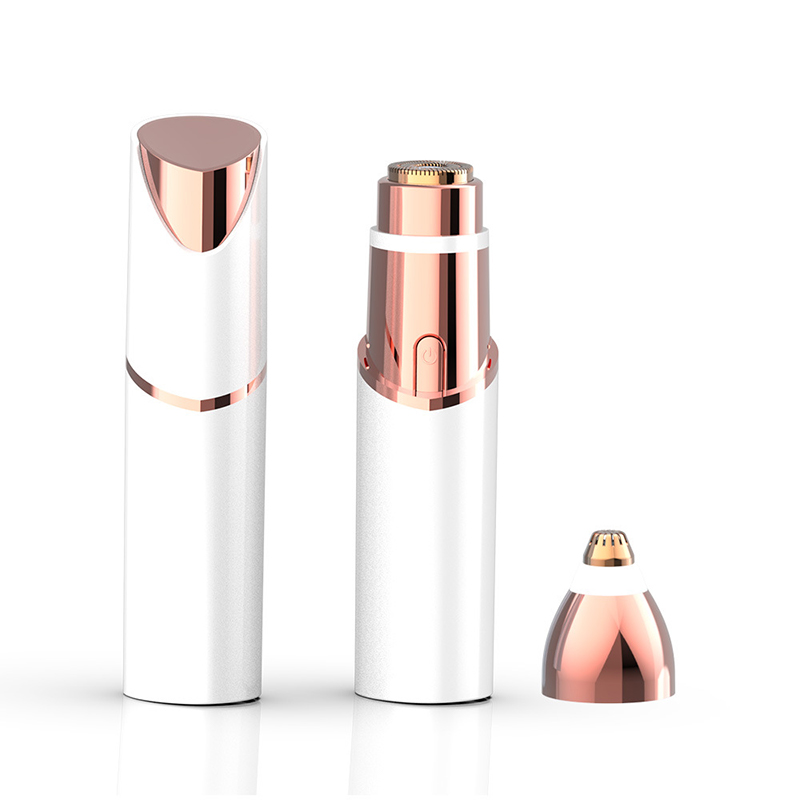
The short answer is yes, a Facial Hair Remover can generally be used on both the eyebrows and the upper lip, provided you are using the correct type of device and following specific safety protocols. While both areas are part of the face, they require vastly different approaches due to the precision needed for eyebrows and the skin sensitivity common around the mouth.
In this comprehensive guide, we will explore the nuances of using a Facial Hair Remover for these two distinct zones, compare the best methods for each, and provide professional tips to ensure a smooth, irritation-free experience.
Content
- Understanding the Modern Facial Hair Remover
- Using a Facial Hair Remover on the Upper Lip
- Navigating the Eyebrows with a Facial Hair Remover
- Comparison: Upper Lip vs. Eyebrow Hair Removal
- Safety Precautions for Your Facial Hair Remover
- Common Myths About Facial Hair Removers
- Maintenance and Longevity of the Device
- Frequently Asked Questions (FAQ)
- The Verdict
Understanding the Modern Facial Hair Remover
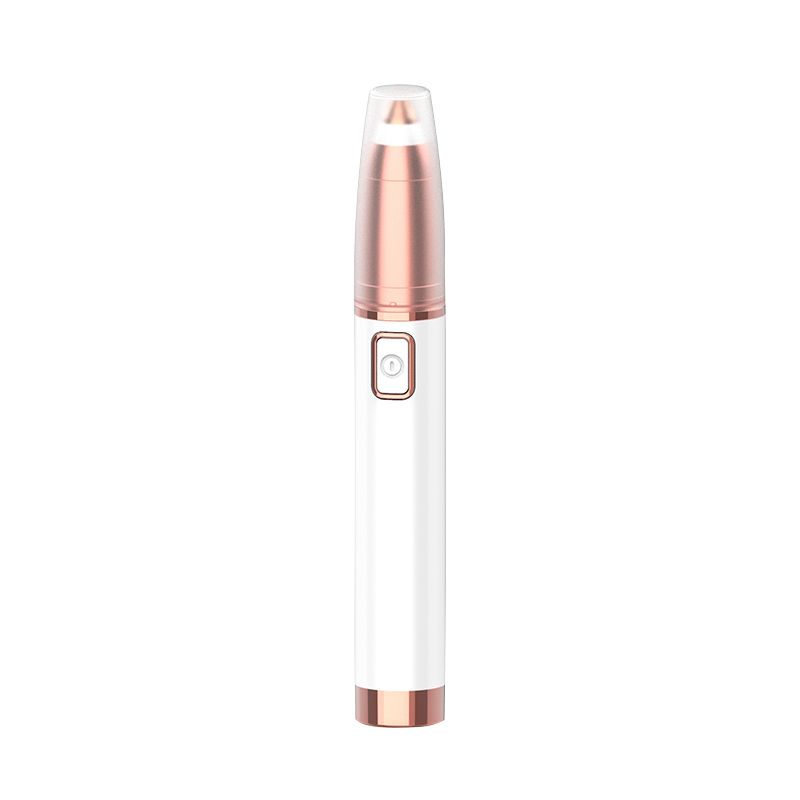
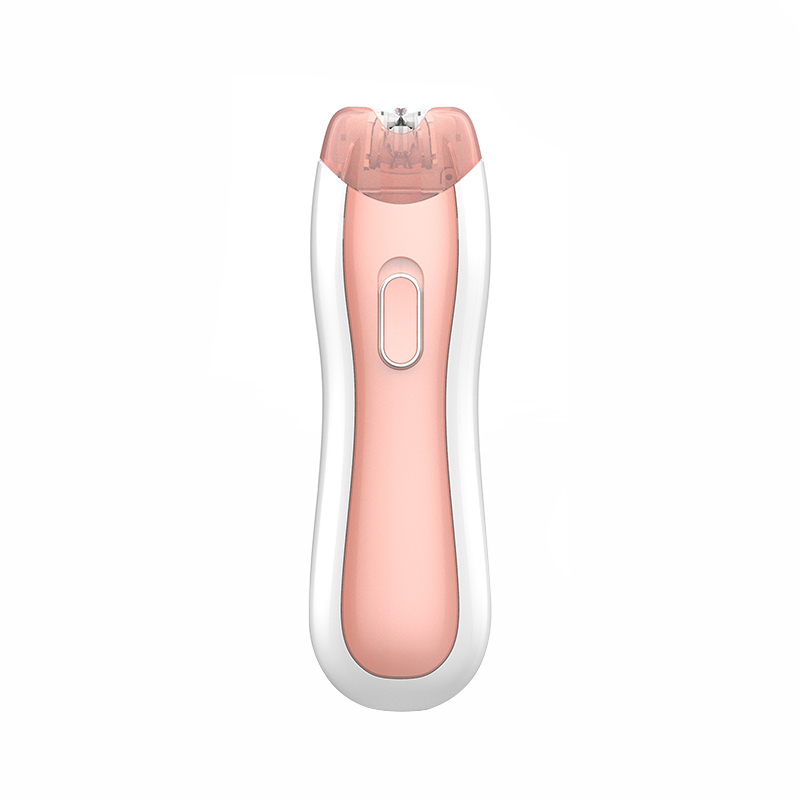
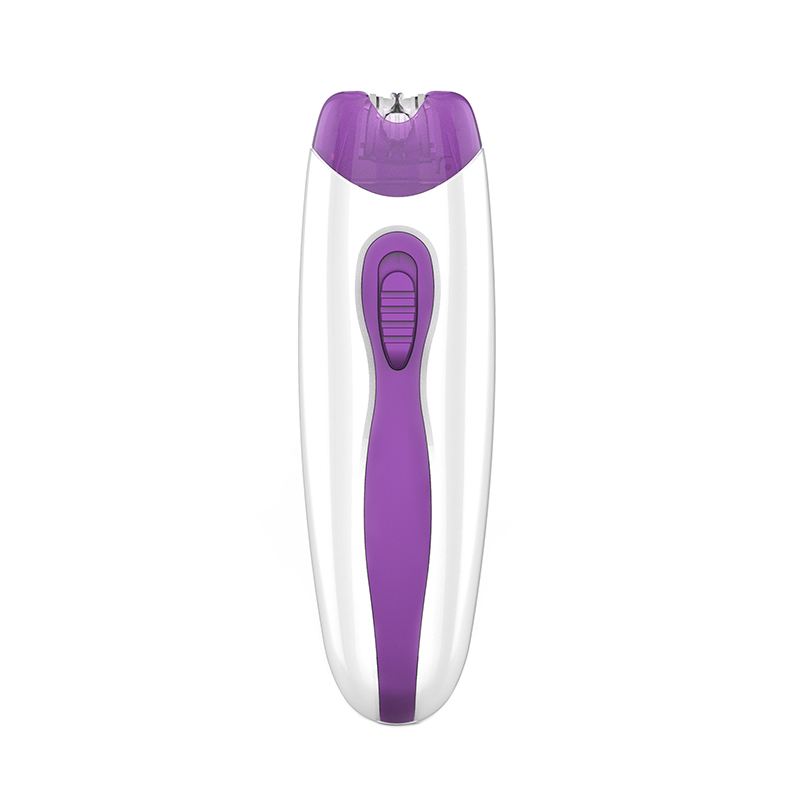
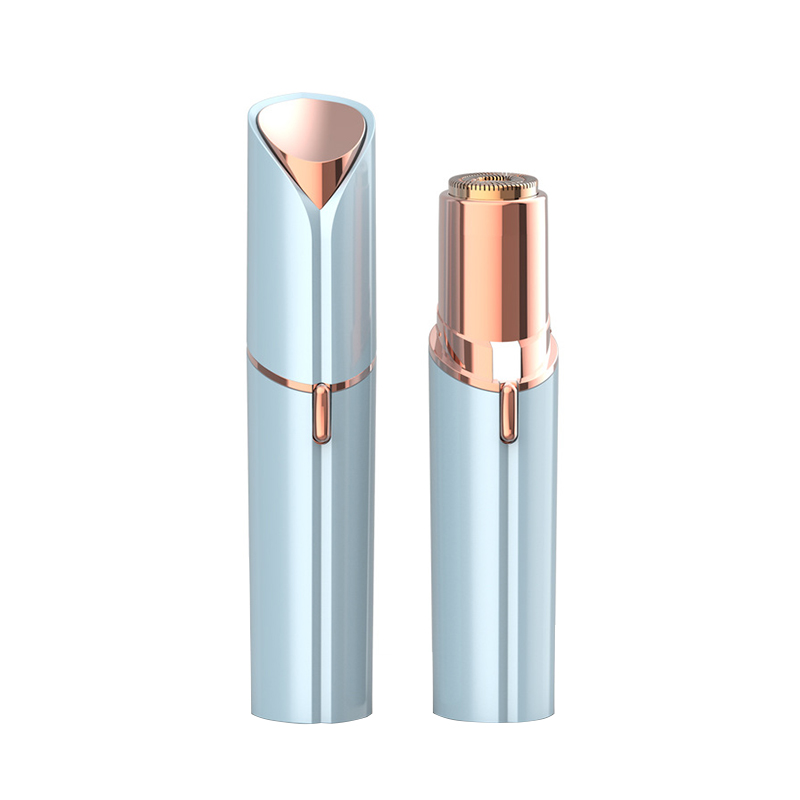
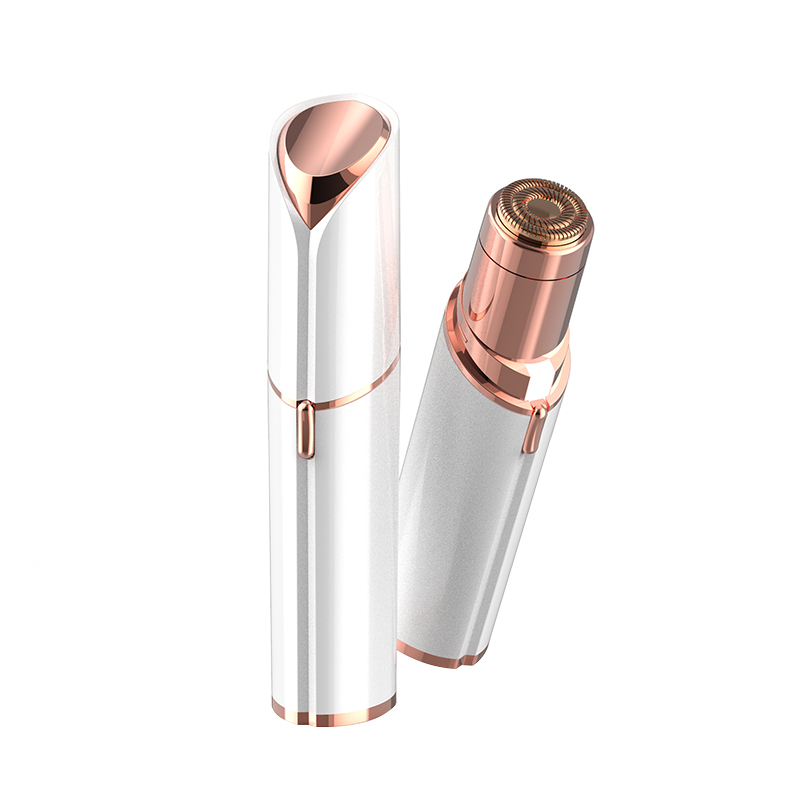
Before diving into the "how-to," it is essential to define what a Facial Hair Remover actually is. Today, this term encompasses a variety of tools, ranging from electric rotary trimmers and precision pens to manual dermaplaning blades and epilators.
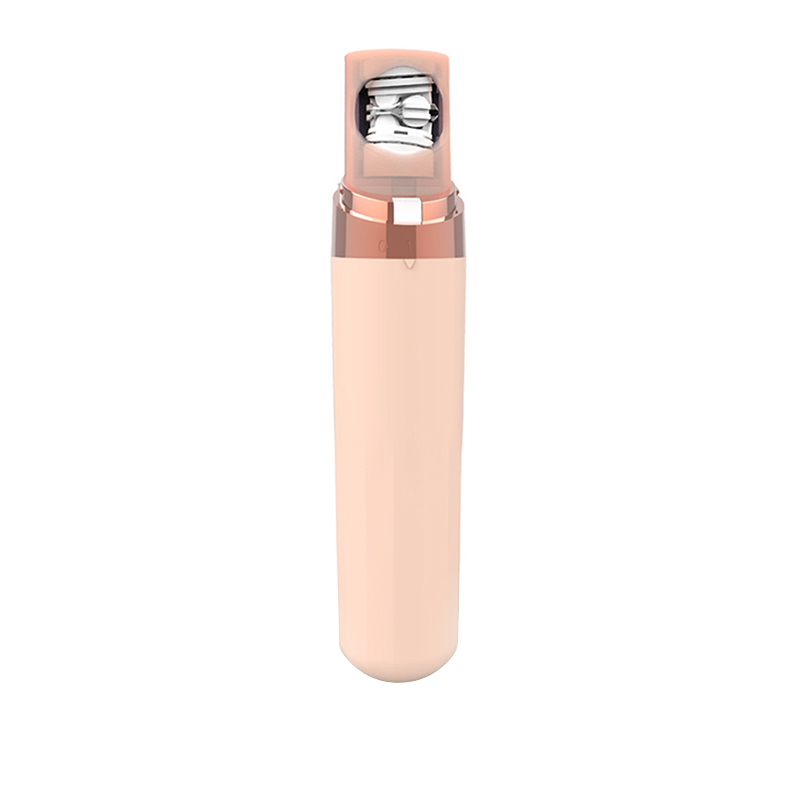
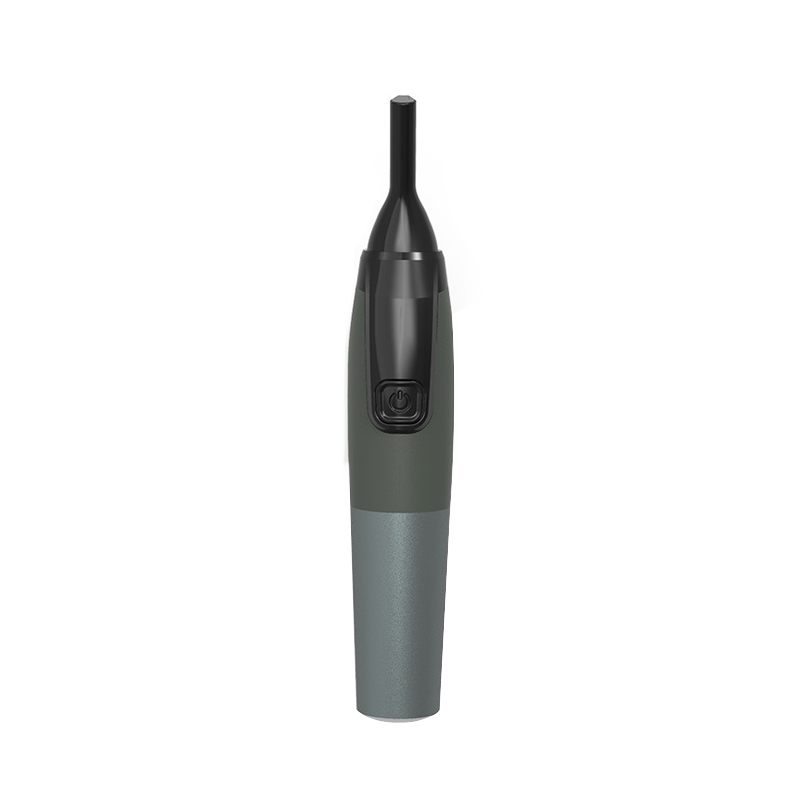
Most modern electric Facial Hair Remover devices are designed with hypoallergenic stainless steel blades that sit behind a protective guard. This prevents the blade from making direct contact with the skin, significantly reducing the risk of nicks, cuts, and "strawberry skin." However, because the eyebrows require shaping and the upper lip requires surface-level smoothness, the tool's versatility depends on its head attachment and your steady hand.
Key Features of a Versatile Facial Hair Remover
- Precision Head: A smaller, pen-like tip specifically for the brow bone.
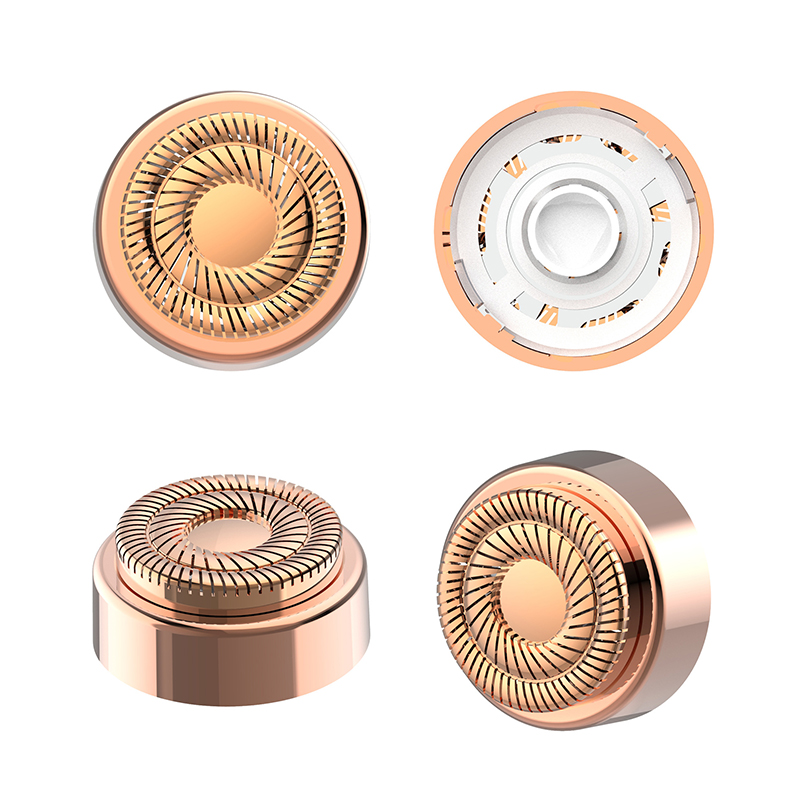
- Rotary Attachment: A wider, circular head for flat surfaces like the upper lip and cheeks.
- Built-in LED Light: Helps identify fine "peach fuzz" or vellus hair that is often invisible in standard bathroom lighting.
- Hypoallergenic Materials: Essential for the thin, sensitive skin around the eyes and mouth.
Using a Facial Hair Remover on the Upper Lip
The upper lip is one of the most common areas for hair removal. The skin here is thinner than on your forehead or chin and contains a high density of nerves and sweat glands. When using a Facial Hair Remover in this area, the goal is total hair removal without causing redness or bumps.
Step-by-Step for the Upper Lip
- Cleanse and Dry: Ensure the skin is free of oils, makeup, and sweat. A Facial Hair Remover works most efficiently on completely dry skin.
- Tighten the Skin: Use your tongue to push out the upper lip or use your free hand to pull the skin taut. This creates a flat surface for the Facial Hair Remover.
- Small Circular Motions: If using a rotary Facial Hair Remover, move in small circles. If using a straight blade, move in the direction of hair growth first, then lightly against it if necessary.
- Post-Care: Apply a non-comedogenic moisturizer or aloe vera to soothe any temporary warmth in the skin.
The eyebrows are a different beast entirely. Here, hair removal isn't just about clearance; it's about architecture. One wrong move with a Facial Hair Remover can lead to a gap in your brow that takes weeks to grow back.
Precision is Paramount
For the eyebrows, you should only use a Facial Hair Remover with a specialized precision tip. A large rotary head is too bulky for this area.
- The "Unibrow" Area: This is the safest place to use the tool. Move the Facial Hair Remover upward between the brows.
- Above the Brow: Use the tool to clean up stray hairs above the natural arch. Be conservative; it is better to leave a few hairs than to take too many.
- Below the Brow: This is the highest risk area. Use your fingers to lift the brow bone skin away from the eyelid before applying the Facial Hair Remover.
Comparison: Upper Lip vs. Eyebrow Hair Removal
To better understand how to use your Facial Hair Remover, let's compare the requirements for these two areas.
| Feature | Upper Lip | Eyebrows |
|---|---|---|
| Skin Sensitivity | High (prone to redness) | Moderate (prone to swelling) |
| Hair Type | Fine vellus hair (peach fuzz) | Coarse terminal hair |
| Required Tool Head | Rotary or Large Blade | Small Precision Tip |
| Primary Goal | Total Smoothness | Shaping and Definition |
| Frequency of Use | Every 3–7 days | Every 1–2 weeks |
Safety Precautions for Your Facial Hair Remover
While using a Facial Hair Remover is generally safer than waxing (which can tear the top layer of skin), there are still risks involved.
- Avoid Active Acne: Never run a Facial Hair Remover over a pimple or broken skin, as this can spread bacteria and cause scarring.
- Sanitization: Clean the head of your Facial Hair Remover with rubbing alcohol after every use. Dead skin cells and oils trapped in the blades are a breeding ground for microbes.
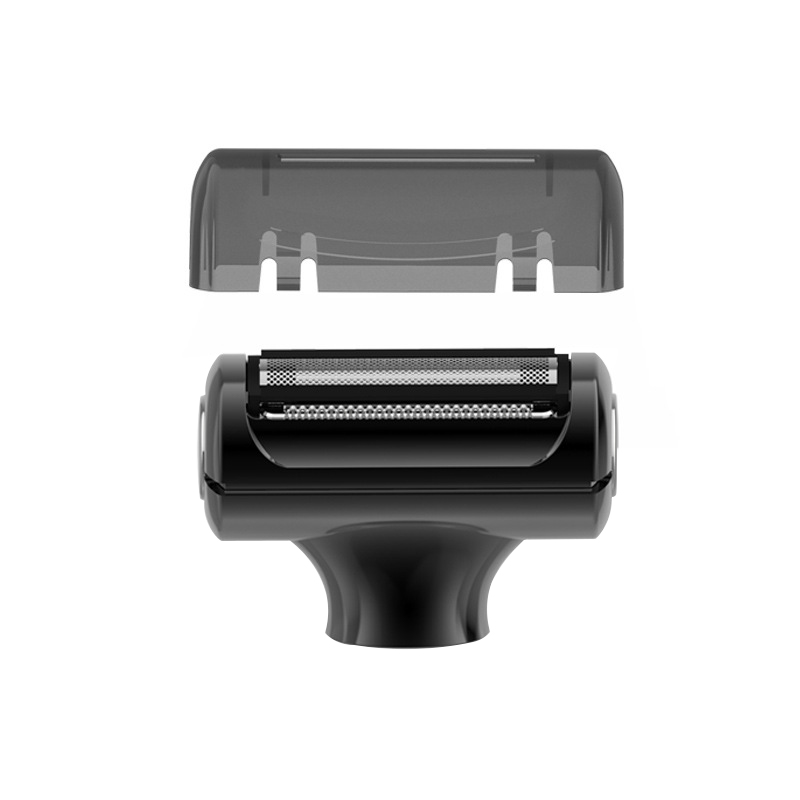
- Replace Blades Regularly: Dull blades pull on the hair rather than cutting it, leading to irritation. Replace the head of your Facial Hair Remover every 2–3 months.
- Do Not Pressure: Let the Facial Hair Remover do the work. Pressing too hard against the skin can cause "razor burn" even with a guarded blade.
Common Myths About Facial Hair Removers
Myth 1: The hair will grow back thicker and darker.
This is a persistent old wives' tale. Using a Facial Hair Remover cuts the hair at the surface; it does not change the follicle's biology. The hair may feel "blunt" as it grows back, giving the illusion of thickness, but it remains the same color and diameter as before.
Myth 2: It is the same as using a leg razor.
Absolutely not. A body razor is designed for large areas and coarse hair, often featuring multiple blades that can be too aggressive for facial skin. A dedicated Facial Hair Remover is calibrated for the specific texture of facial fuzz and the sensitivity of the dermis.
Maintenance and Longevity of the Device
To ensure your Facial Hair Remover remains effective for both eyebrows and the upper lip, maintenance is key.
Battery Care: If your Facial Hair Remover is battery-operated, low power can lead to the blades snagging the hair. Always ensure the device is fully charged or has fresh batteries.
Storage: Store the Facial Hair Remover in a dry place. The humidity of a bathroom can lead to microscopic rusting of the blades, even if they are stainless steel.
Frequently Asked Questions (FAQ)
1. Can I use the same head for both eyebrows and the lip?
While you can, it is highly recommended to use the precision tip for eyebrows and the rotary head for the lip to achieve the best results and maintain hygiene.
2. How often should I use my Facial Hair Remover?
Most users find that every 3 to 5 days is sufficient to keep the upper lip smooth. Eyebrows usually need maintenance once a week.
3. Does it hurt?
Unlike waxing or epilating, using an electric Facial Hair Remover is virtually painless because it trims the hair above the skin rather than pulling it from the root.
4. Will it cause ingrown hairs?
The risk is much lower than with shaving or waxing. However, regular exfoliation of the skin helps prevent dead skin cells from trapping the new growth.
5. Can I use it on wet skin?
Most Facial Hair Remover models are designed for "dry use." Using them on wet skin can cause the hair to clump, leading to an uneven trim.
6. Is it safe for sensitive skin?
Yes, as long as the device has hypoallergenic blades. Always perform a patch test on a small area of the neck first.
7. Can men use this for their facial hair?
A Facial Hair Remover is ideal for men wanting to clean up their unibrow or ear hair, but it is not powerful enough to replace a traditional beard trimmer for thick facial hair.
The Verdict
A high-quality Facial Hair Remover is a versatile addition to any grooming routine. It offers a painless, quick, and effective way to manage both eyebrow shape and upper lip fuzz. By choosing a device with interchangeable heads and practicing proper skin preparation, you can achieve professional-looking results at home without the cost or discomfort of salon visits.
Remember that consistency and cleanliness are the pillars of good facial grooming. Treat your Facial Hair Remover well, and it will keep your skin looking smooth and radiant for years to come.