

 English
 日本語
 Español
 Deutsch



News Category:
Key Words:
-
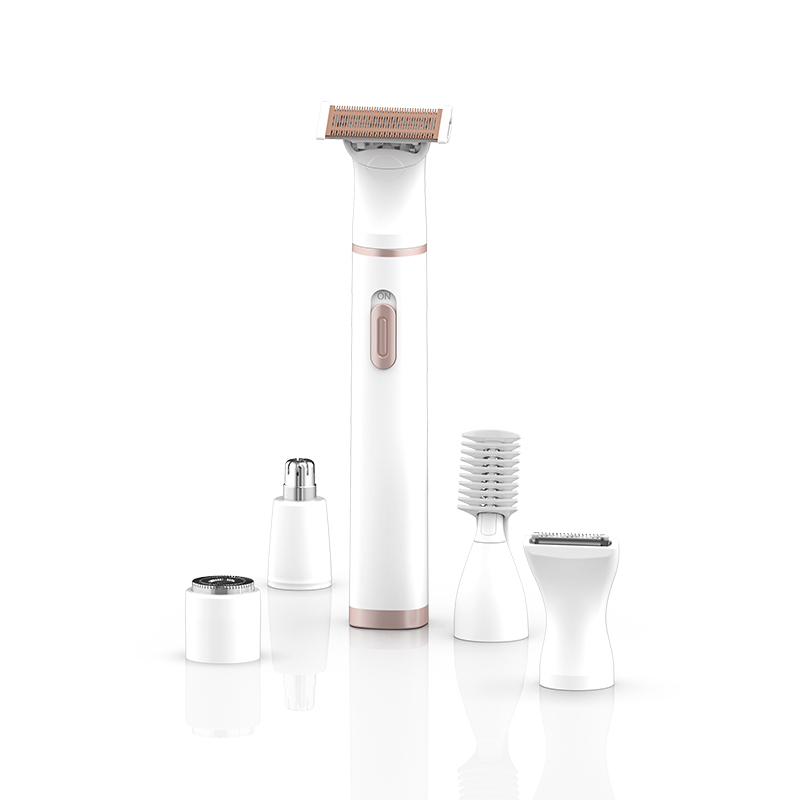 Oct 28,2026
How Long Does It Take to Shave With an Electric Razor? Timings by Area
Two to four minutes on the face, eight to twelve minutes for both legs, and thirty to sixty seconds for a touch-up on the upper lip. That is the realistic answer to how long it takes to shave with an electric razor, and it holds across foil shavers, rotary shavers and trimmer-style devices. An electric razor is a small motor-driven tool that cuts hair against a perforated foil, against a rotating ring of blades, or with a row of trimmer teeth; because the motor does the cutting, shave time depends far less on how hard you push than on how quickly you can move the head across the skin without missing hair. The sections below show where those minutes actually go, what pushes you toward the top of the range, and how to bring a ten-minute routine down to five without paying for it in razor burn. How Long Does It Take to Shave With an Electric Razor? The Short Answer A normal adult face takes two to four minutes with a clean, sharp cutting head; a full body takes fifteen to twenty minutes if you do it in one sitting. Those numbers assume one to two days of growth and a user who is not stopping halfway through to answer messages. Typical shaving times with a clean, sharp electric razor head; add one to three minutes for several days of growth or a worn blade. Task Typical time What pushes it higher Face shave, one day of growth 2-3 minutes Dull blade, dry skin, missed patches Face shave, three or more days of growth 4-6 minutes Long hair jams a foil head; a pre-trim is usually needed Head shave 5-8 minutes Curved surfaces, more overlapping passes Both legs, full length 8-12 minutes Large surface area, slower strokes around knees and ankles Underarms 1-2 minutes each Skin folds; the skin has to be stretched flat Bikini line and private areas 3-5 minutes Careful short strokes and guard use Upper lip or chin touch-up 30-60 seconds Almost nothing, unless the head is clogged Eyebrow or nose trim 30-45 seconds Precision work; damp or slippery skin slows you down SF-1106 Washable Silent Electric Shaver with Dual-Cylinder Cutter HeadUSB-charged 3.7V shaver with 18K rose-gold dual-cylinder head, 360-degree floating, auto-lighting, washable cutter; helps daily face shaving when blade wear slows results.View Product → The gap between a two-minute shaver and a six-minute shaver is rarely a matter of skill. It is almost always blade wear, hair length or technique, and all three are fixable. What Actually Adds or Removes Minutes Blade condition changes shave time more than any other single factor, and preparation changes it more than the price of the razor. Blade condition and motor speed When the cutting edge wears, each pass clears noticeably less hair. You feel it in your hand: the head drags, you press harder, and you go over the same patch three or four times. That easily adds one to three minutes to a face shave and far more to a leg shave, and it is the main reason a shave that used to take three minutes now takes six. Stainless cutting edges resist corrosion better than thinly coated ones, but no blade lasts forever, and most daily users notice a real slowdown somewhere between six and twelve months. Cleaning and replacing the head on schedule is the cheapest way to keep a shave short; these notes on blade sharpness and battery life explain what to check before you blame your technique. Hair length, density and growth direction Every extra millimetre of growth costs you passes. One day of stubble is a two-to-three-minute job for most people; three days of growth pushes the same shave to four to six minutes, because longer hair bends away from a foil or rotary head instead of entering the slots. Dense growth on the neck and jaw adds another minute, and flat-lying or swirling patterns need a second direction of travel before the skin feels clean. Dry, wet or gel preparation Wet shaving with gel or foam usually trims thirty to sixty seconds off a shave on coarse hair, because lubricated hair lifts and cut hair rinses away instead of packing into the head. Dry shaving wins on setup and cleanup, but on dense growth the extra passes cost more time than a splash of warm water would have. Razor format: foil, rotary or trimmer Format changes the numbers, but by less than most buyers expect. Format comparison for a typical adult face shave; body shaving on legs or arms roughly triples these times. Format Fastest on Typical face shave Watch out for Foil shaver Straight, coarse growth; upper lip and jawline 2-3 minutes Struggles past three days of growth without a pre-trim Rotary shaver Neck contours, softer growth, sensitive skin 3-5 minutes Slower on the upper lip, more passes on long hair Trimmer with guard Body hair, beards, quick touch-ups 1-3 minutes Leaves visible stubble; not a close shave Epilator or hair puller Fine facial hair, longer-lasting result 3-8 minutes on first use Discomfort in early sessions and not for every skin type Body Shaving: Legs, Underarms and Private Areas Body shaving takes longer than face shaving simply because there is more surface to cover: plan on eight to twelve minutes for both legs, one to two minutes per underarm and three to five minutes for the bikini line. A few habits keep that inside the range. Shave after a warm shower. Softened hair cuts in fewer passes than hair on cold skin. Stretch the skin flat with your free hand so the head can sit against a level surface. Use a guard or a trimmer for the private area rather than a bare foil head. Work in sections, one lower leg then the other, instead of travelling up and down. Rinse the head every minute; body hair fills the slots far faster than facial hair. Choose a fully washable model if you prefer to shave in the shower, because rinsing under the tap is much quicker than brushing out a dry head. SF-2200/SF-2200T Full Body Washable Multifunctional Electric ShaverPink AA-battery shaver with three-blade mesh, curved and straight razor, curved comb trimmers, quiet wet/dry washable body; useful for longer body-shaving sessions.View Product → On longer body hair, trimming first and shaving second is faster overall than forcing a close head through several centimetres of growth. Travel and Touch-Up Shaves On the road, most people shave in under ninety seconds: a partial pass over the jawline and neck before a meeting, not a full shave. Pocket-sized shavers make that practical because the whole routine fits in a wash bag and needs no sink, no gel and no mirror. A single-head mini shaver with USB charging typically covers several touch-ups per charge, which is enough for a short trip; plan a little more time on the first morning until you are used to the smaller head size. SF-1005 Men's Mini Portable Electric Shaver with Double-Ring Floating BladeCompact 1.5V AA-battery shaver with double-ring floating blade, auto light-fill, hidden rotary switch, and washable removable cutter head; suited to quick travel touch-ups.View Product → If travel days are your main shaving days, a compact model will usually beat a full-size shaver on total time, even though it is slightly slower per pass. A Five-Minute Face Shave That Actually Works Five minutes is enough for a clean, comfortable face shave if the order of operations is fixed. Rinse or brush the head under warm water, about ten seconds. If growth is longer than roughly 1.5 mm, run a trimmer over the beard first; this alone can save two minutes of shaving. Wash your face or take a shower, then leave the skin slightly damp. Shave in the same order every time: cheeks, jaw, chin, neck, upper lip. Use short overlapping strokes of two to three centimetres and let the head do the work instead of pressing. Feel for stubble with your fingers rather than hunting for it in the mirror; mirrors exaggerate what remains. Rinse the head, dry it, and finish with a light balm. Common Time Wasters Re-shaving the same patch to chase a closer finish, which irritates skin without removing more hair. Pressing hard when the blade feels dull, instead of replacing the head. Skipping the pre-trim on multi-day growth. Shaving a cold, dry, unwashed face. Leaving hair and cream inside the head between uses, so the next shave starts clogged. Buying a stronger motor when what the routine actually needs is a fresh cutting edge. Frequently Asked Questions Can you shave with an electric razor in under a minute? Only for a touch-up. One minute is realistic for the upper lip, the chin or the jawline, but not for a full face, because the neck and jaw alone need several overlapping passes. Is it faster to shave every day or every three days? Daily shaving is faster per session, at two to three minutes, but three sessions cost more total time than one four-to-six-minute shave after three days of growth. Comfort favours daily; total minutes favour a shorter interval only if your skin tolerates it. Do rotary shavers take longer than foil shavers? On average, yes, by about a minute on the face. Rotary heads follow the neck and jaw better and suit sensitive skin, while foil heads finish straighter, coarser growth on the upper lip and chin more quickly. Does shaving in the shower save time? It can save thirty to sixty seconds, because warm water and steam soften hair and the head rinses itself as you work. The saving only holds if the shaver is genuinely waterproof and you are not fumbling with gel in a confined space. Sourcing Shavers Where Shave Time Matters Brand owners and retailers tend to ask about shave time in a different way: will this model deliver the same two-minute shave on the thousandth use as it did on the first? Blade material, motor speed, head geometry, waterproof rating and noise level all feed into that answer, and all of them can be specified in a private-label program rather than accepted as they come. If you are planning a facial shaver, hair remover, eyebrow trimmer or foot grinder line and want the timing claims to hold up in real bathrooms, contact us to discuss specifications, samples and testing documentation. .article-section{line-height:1.8;margin-bottom:24px;} .article-section h2{font-size:1.55em;font-weight:bold;text-align:left;margin-top:40px;margin-bottom:12px!important;border-left:5px solid #0077cc;padding-left:14px;color:#0a2a4a;} .article-section h3{font-size:1.2em;font-weight:bold;text-align:left;margin-top:28px;margin-bottom:12px;color:#0a2a4a;} .article-section p{font-size:16px!important;margin-bottom:12px;} .article-section table{display:table!important;} .article-section thead{display:table-header-group!important;} .article-section tbody{display:table-row-group!important;} .article-section tr{display:table-row!important;} .article-section th{display:table-cell!important;font-weight:bold;border:1px solid #cccccc;padding:8px;} .article-section td{display:table-cell!important;border:1px solid #cccccc;padding:8px;} .article-section caption{caption-side:bottom;font-size:16px;margin-bottom:12px;font-style:italic;color:#808080;} .article-section ol{margin-bottom:12px;list-style-type:decimal;list-style-position:inside;padding-left:0;} .article-section ul{margin-bottom:12px;list-style-type:disc;list-style-position:inside;padding-left:0;} .article-section li{list-style:inherit;font-size:16px;margin-bottom:6px;} .product-card{display:block;margin:20px 0;border:1px solid #e5e7eb;border-radius:10px;overflow:hidden;font-style:normal;background:#fff;box-shadow:0 0 5px rgba(31,41,55,.08)} .pc-inner{display:flex;text-decoration:none;color:inherit;align-items:center;min-height:148px} .product-card .pc-img{width:auto!important;min-width:0!important;max-width:min(36%,240px)!important;height:auto!important;min-height:0!important;max-height:148px!important;aspect-ratio:auto!important;object-fit:contain!important;flex:0 0 auto;display:block;align-self:center} .pc-body{padding:12px 16px;flex:1;min-width:0;display:flex;flex-direction:column;align-self:stretch;justify-content:center} .pc-title{display:block;font-size:15px;font-weight:600;color:#111;margin:0 0 6px;line-height:1.4} .pc-desc{display:-webkit-box;font-size:13px;color:#6b7280;margin:0 0 8px;line-height:1.5;overflow:hidden;-webkit-line-clamp:2;line-clamp:2;-webkit-box-orient:vertical} .pc-cta{display:block;font-size:13px;font-weight:600;color:inherit;margin-top:auto} .pc-inner:hover .pc-title{text-decoration:underline} .article-section a:not(.pc-inner),article a:not(.pc-inner){color:inherit}.pc-cta{color:inherit!important}
VIEW FULL ARTICLE -
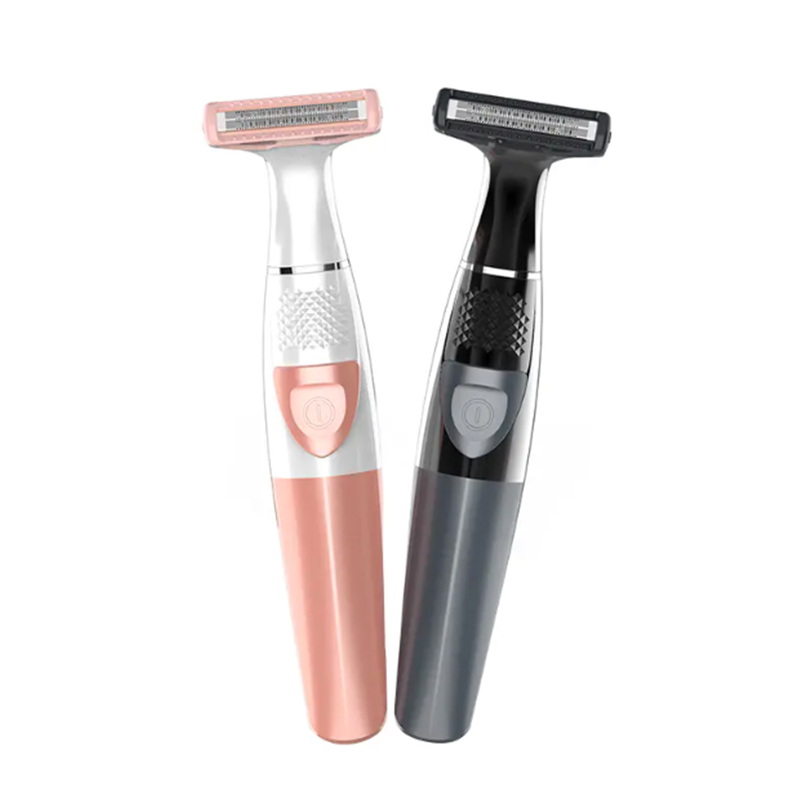 Oct 19,2026
Can You Wet Shave With an Electric Razor? IP Ratings, Risks, and Safe Routine
Yes, you can wet shave with an electric razor, but only with a model that is rated for it. Water alone rarely ruins a shaver on the first attempt; water plus time does. Gel and foam creep into seams, the cutters stay damp between uses, and steel that was never meant to touch liquid starts to corrode. A dry-only shaver used with foam twice a week often survives a month, then fails at the charging contacts, the power switch or the motor seal. Wet shaving means using water plus a lubricant, such as gel, foam or soap, instead of shaving dry. On a manual razor that is simply the normal method. On an electric razor it is a feature you have to buy: a sealed housing, gasketed electronics, and a head designed to be rinsed under a running tap. These models are labelled "wet and dry", "fully washable" or "waterproof", and the manual states a water-resistance level. Check the rating first, then decide how you shave. What follows is how those ratings differ in practice, a wet routine that works, how different head types behave under foam, the failure modes to watch for, and how to clean the razor so the water you just used does not shorten its life. Every Electric Shaver Sits in One of Four Water Categories Only the last of those categories is built for a genuine wet shave with gel or foam. The label is the contract: if the manual does not say you can shave with water, you cannot. Water ratings on electric shavers and what each claim allows in daily use. Rating on the box What it actually allows Shave with gel or foam? Typical failure if you ignore it Dry use only Wiping the head with a dry brush or cloth No Rust at the battery contacts and switch Washable head Removing the cutter block and rinsing that part alone No Foam pushed into the shaft seal; stiff, noisy motor Water resistant (often IPX4) Splashes and brief rinsing, no immersion Only if the manual says so Moisture in the charging port Wet and dry / fully washable (IPX5 to IPX7) Shaving with gel or foam, rinsing the whole unit, some allow shower use Yes Dried gel inside the cutter if you skip the rinse The gap between the middle two rows is where most disappointment happens. "Washable head" usually means the cutter block lifts off and can be rinsed while the motor housing stays dry, and foam does not respect that boundary. Vibration pushes it up into the shaft seal, where it dries into a film that slowly stiffens the mechanism. A water-resistance rating describes surviving an accident, not a daily routine. Two quick checks before you buy: look at the charging port and the power switch. On a true wet-and-dry shaver both are covered by rubber plugs or membrane seals. An open USB-C socket means splash-resistant at best, whatever the packaging implies. Full Body Washable Multifunctional Electric Shaver SF-2200 / SF-2200TA wet-and-dry washable multifunctional electric shaver with three-blades-in-one head and quiet operation; rinse body and cutter head under a faucet.View Product → How to Wet Shave With an Electric Razor, Step by Step The technique sits closer to a manual shave than to a dry electric shave, with one difference: the motor still does the cutting. Charge the razor fully. A slow motor tugs instead of cutting, which is the main cause of post-shave irritation. Warm and hydrate the skin first, either in the shower or with a warm cloth held over the area for two to three minutes. Apply a thin layer of gel or foam; a pea-sized amount is plenty, and a thick paste clogs the cutter. Use light pressure: small circles with a rotary head, short straight strokes with a foil head. Keep the skin taut with your free hand so the head glides instead of bouncing. Limit yourself to two or three passes over one spot. Extra passes buy very little closeness and cost comfort. Rinse the head under warm water, shake it out, and let it air-dry open or disassembled. Pressure and pass count matter more than anything else. Pressing harder does not cut closer. It flexes the foil or lifts the rotary ring away from the skin, and both cause razor burn. A wet shave with an electric razor should take about three minutes; if it takes eight, the cutters are dull or the battery is low. Foil, Rotary and Epilator Heads Behave Differently Under Foam All three head types can be used wet, but each one wants a different lubricant and motion, and matching them shortens the shave. Foil heads A foil head works best with a thin, watery gel and short straight strokes. Foil heads trap hair between a perforated metal sheet and an oscillating blade, so thick foam lifts the foil off the skin and reduces contact. Rinse the foil every few strokes, because wet stubble sticks underneath and blocks the openings. Rotary heads Rotary heads tolerate thicker foam and prefer small circles. Three rotating cutters catch hair growing in different directions, which is why circles beat long strokes. They are also more forgiving along the jawline, but they need a longer rinse because foam collects between the cutters. Epilators and trimmers Devices that pull hair instead of cutting it should only be used wet if the model is fully waterproof. Wet hair is slippery, so you need slower, shorter passes over a small area. Rinsing afterwards matters more than it sounds: hair and skin debris left inside the head causes odour and loss of grip. Waterproof Painless Mini Electric Epilator / Shaver SF-1005A compact waterproof mini epilator-shaver with a washable detachable cutter head, 18K rose gold finish, and auto light for home use.View Product → What Goes Wrong, and How Fast Damage from wet shaving is rarely sudden; it shows up as a series of small symptoms. Rust on the battery contacts or charging pins appears first, often as intermittent charging within a few months of regular wet use. Dried gel inside the cutter head produces a stiffer, louder motor and a dragging feel on the skin. A cloudy film on plastic parts and a musty smell in a closed travel case mean trapped moisture, not dirt. A slippery handle is a genuine safety issue in a shower, and a dropped razor usually lands on the foil. Redness and ingrown hairs usually point to too much pressure or a dull blade, and they match the irritation profile of other powered facial hair removers. A quick diagnostic: if the cutter head smells sour once it has dried, foam residue is sitting where it should not be, and the razor needs a deeper clean rather than a longer rinse. Cleaning and Drying Decide the Service Life Rinsing is not cleaning. A wet shave leaves a film of soap, skin cells and cut hair inside the head, and that film is what wears out the seals. Remove the head and rinse both sides under warm running water for 15 to 20 seconds. Clear compacted hair from the corners with the brush while the parts are dry, not wet. Shake out the water and let everything air-dry separately; a wet razor stored in a closed case grows mould fastest. Add one drop of light machine oil to the cutter every few weeks if the manual recommends it. Wipe the body dry and close the charging seal once the port itself is dry. A genuinely washable body is easier to maintain because every part can go under the tap, and the washable design changes how much maintenance the razor needs over time. On a rinse-only head, the seal is the one part you cannot inspect, so the cleaning routine is your only protection. Travel, Shared Bathrooms and Quieter Machines In a hotel bathroom or a shared flat, a wet shave adds two constraints: noise, and water you cannot control. A razor running at six in the morning carries through a wall, and a splash-resistant unit has no business sitting on a shared shower shelf. A washable silent shaver covers both needs, because the whole unit can be rinsed and the motor is tuned for quiet early-morning use: Washable Silent Electric Shaver SF-1106 with USB ChargingA quiet washable electric shaver with dual-cylinder 360-degree floating head, USB charging, and detachable rinseable cutter head for facial shaving.View Product → For travel, check the rating before you pack, and never store a damp head in a washbag next to other toiletries. Frequently Asked Questions Can I use shaving cream with a dry-only electric razor? Not safely. Foam flows past the head into the housing, and the residue left behind attracts moisture and stiffens the mechanism. If the razor is marked dry use only, keep it dry. Is a wet shave closer than a dry one with an electric razor? Usually yes. Water swells the hair and gel holds it upright, so the cutter meets each hair at a better angle. The gain in closeness is modest, but comfort improves noticeably. Can I take an electric razor into the shower? Only if the manual allows shower use. IPX7 means the unit tolerates brief immersion, while IPX4 covers splashes and nothing more, so read the exact wording rather than the headline claim. Does water dull the blades faster? No. Water does not dull hardened steel; it corrodes the parts that were never sealed. Rinse and dry the head properly and blade life is essentially unaffected. Gel or foam for an electric razor? Gel, in most cases. It is thinner, so the head stays closer to the skin, and it rinses out of the cutter far more completely than dense foam does. Wet shaving with an electric razor comes down to one question: was this razor built to get wet? If the answer is yes, water plus gel gives a closer and more comfortable shave, provided you rinse the head and let it dry properly afterwards. If the answer is no, a dry shave with a clean, sharp head will always beat a rusted motor and a stiff cutter. .article-section{font-family:Georgia,'Times New Roman',serif;font-size:17px;line-height:1.8;color:#1f242b;padding:0 20px;} .article-section h2{font-size:1.55em;font-weight:bold;text-align:left;margin-top:40px;margin-bottom:10px;border-left:5px solid #0077cc;padding-left:14px;color:#0a2a4a;} .article-section h3{font-size:1.2em;font-weight:bold;text-align:left;margin-top:28px;margin-bottom:8px;color:#0a2a4a;} .article-section p{font-size:16px!important;margin-bottom:12px;} .article-section ol{margin-bottom:12px;list-style-type:decimal;list-style-position:inside;padding-left:0;} .article-section ul{margin-bottom:12px;list-style-type:disc;list-style-position:inside;} .article-section li{list-style:inherit;font-size:16px;margin-bottom:6px;} .article-section table{display:table!important;border-collapse:collapse;width:100%;} .article-section tbody{display:table-row-group!important;} .article-section tr{display:table-row!important;} .article-section th{display:table-cell!important;font-weight:bold;border:1px solid #cccccc;padding:8px;} .article-section td{display:table-cell!important;border:1px solid #cccccc;padding:8px;} .article-section caption{caption-side:bottom;font-size:16px;margin-bottom:12px;font-style:italic;color:#808080;} .product-card{display:block;margin:20px 0;border:1px solid #e5e7eb;border-radius:10px;overflow:hidden;font-style:normal;background:#fff;box-shadow:0 0 5px rgba(31,41,55,.08)} .pc-inner{display:flex;text-decoration:none;color:inherit;align-items:center;min-height:148px} .product-card .pc-img{width:auto!important;min-width:0!important;max-width:min(36%,240px)!important;height:auto!important;min-height:0!important;max-height:148px!important;aspect-ratio:auto!important;object-fit:contain!important;flex:0 0 auto;display:block;align-self:center} .pc-body{padding:12px 16px;flex:1;min-width:0;display:flex;flex-direction:column;align-self:stretch;justify-content:center} .pc-title{display:block;font-size:15px;font-weight:600;color:#111;margin:0 0 6px;line-height:1.4} .pc-desc{display:-webkit-box;font-size:13px;color:#6b7280;margin:0 0 8px;line-height:1.5;overflow:hidden;-webkit-line-clamp:2;line-clamp:2;-webkit-box-orient:vertical} .pc-cta{display:block;font-size:13px;font-weight:600;color:inherit;margin-top:auto} .pc-inner:hover .pc-title{text-decoration:underline} .article-section a:not(.pc-inner),article a:not(.pc-inner){color:inherit}.pc-cta{color:inherit!important}
VIEW FULL ARTICLE -
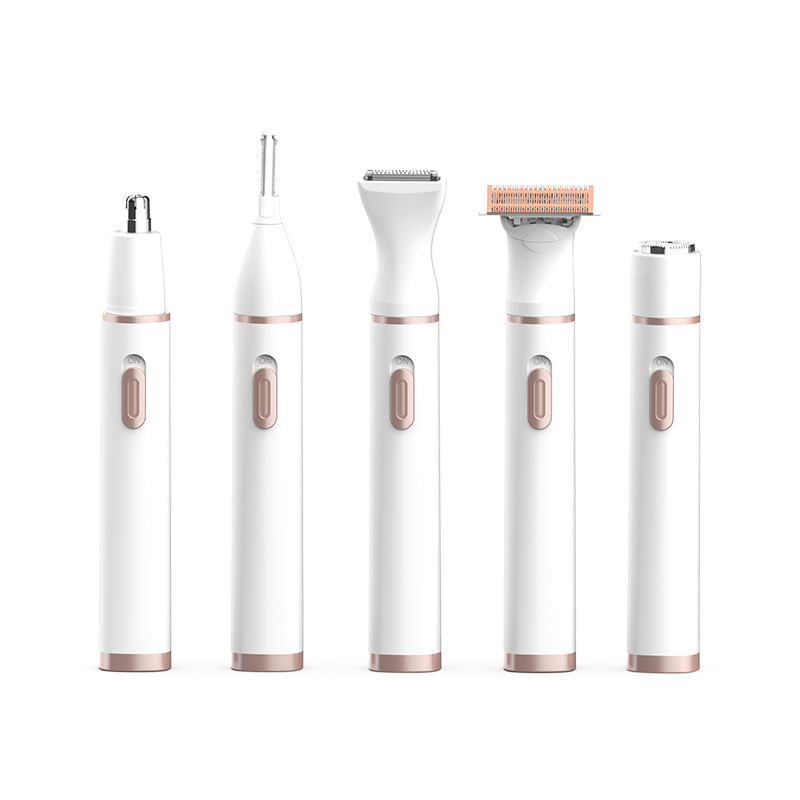 Oct 12,2026
Can You Use a Men's Electric Shaver on Legs? A Straight Answer for Buyers
Yes — a men's electric shaver will cut leg hair, and you can use one on your legs today without harming your skin, provided three conditions are met: the hair is trimmed short first, you use almost no downward pressure, and you clean the head before it clogs. What a men's shaver cannot do is match a purpose-built leg shaver on speed, comfort or its tolerance of long, fine hair. So the honest answer is "yes, but it is a compromise," and the size of that compromise depends entirely on which head design you own. Definitions first, because the terms get mixed up constantly. A foil shaver uses a thin perforated metal screen with oscillating cutters running underneath; a rotary shaver uses two or three spinning circular blades that trap hair against a slotted ring. Both cut hair at or just below skin level. A leg shaver or body shaver is the same core technology, but the cutting head is wider, the blade geometry is tuned for longer and finer hair, and the handle is shaped for long sweeping strokes across a shin, knee or ankle. Why a Face Shaver Behaves Differently on Leg Hair The short answer is that face hair and leg hair are different raw materials, so a tool optimised for one is only partly optimised for the other. Face hair is short, dense, coarse and confined to a compact area; leg hair is longer, finer, sits at a shallower angle, and covers many times the surface area of a jawline. That single difference explains almost every practical problem people run into. Longer hair and the clogging problem Foil heads cut most efficiently when hair is roughly 1 to 2 mm long. Leg hair above the knee is often longer than that, and long fibres tend to fold over the perforated screen instead of passing into it. The result is repeated passes over the same patch, extra friction, and a head packed with clippings that stops cutting cleanly. Trimming the legs down to about 3 mm with a trimmer comb before you shave removes most of this problem at the source. Flat surfaces, long strokes and pressure A face shaver is designed for small circular motions over tight contours; a leg rewards long, straight strokes. When people switch a face shaver to their legs, they instinctively press harder to make up for the small head — and pressure, not the blade itself, is what causes razor burn, nicks and ingrown hairs. The counter-intuitive fix is to use less pressure and accept a second, faster pass. Foil vs Rotary on Legs: What the Head Shape Actually Changes The conclusion up front: if your leg hair is long, a rotary head copes better; if your hair is already short and your skin is reactive, a foil head is usually gentler. Everything else is a matter of degree. Typical behaviour of consumer foil and rotary men's shavers when used on leg hair; results vary with hair length, blade wear and the pressure applied. Consideration Foil head Rotary head Ideal hair length Short regrowth, roughly 1 to 2 mm Tolerates slightly longer hair, up to about 3 mm Long strokes over a shin Moderate — the screen can drag on skin Better — multiple heads glide over the surface Knees and ankles Good on flat skin, less forgiving on bone Follows contours more easily Clogging risk Higher with untrimmed hair Lower, but heads must be opened to clean Irritation on sensitive skin Lower when hair is short and pressure is light Higher if the user presses down Routine cleaning Flat heads rinse quickly under a tap Each cutter assembly needs separate rinsing If you want to see how these trade-offs compare with waxing, cream depilatories and manual razors, the comparison of electric hair removal against traditional shaving and waxing covers the same ground in more detail. How to Try a Men's Shaver on Your Legs Safely The safest way to test the idea is to follow a fixed sequence rather than improvising. Work through these steps once, and you will know within ten minutes whether the tool suits your hair and skin. Trim the legs to roughly 3 mm with a trimmer comb. At this length the shaver cuts rather than tugs. Shave on clean, dry skin unless the shaver is rated for wet use — a thin layer of shave gel only helps if the head is genuinely waterproof. Start below the knee with long, straight strokes, moving against the grain. Use no downward pressure at all. Let the weight of the head do the work and go over any missed patch a second time. Rinse or tap out the head every 30 seconds. Clippings reduce cutting efficiency far more than a dull blade does. Moisturise afterwards and skip exfoliating acids or scrubs for 24 hours. One hygiene rule matters more than any technique: do not share a shaver between a face and legs without cleaning it thoroughly in between. Fine body hair and skin cells left in the head are the usual cause of irritation and breakouts on the second use. When a Dedicated Leg Shaver Is the Better Tool If you shave your legs more than twice a week, a face shaver stops being a clever shortcut and becomes a slow, irritating one. A leg shaver earns its place on three practical counts: a wider head that covers more skin per stroke, blade geometry that accepts longer and finer hair, and a handle angled for sweeping downward motions rather than small circles. A representative example is the SF1005 leg hair remover and mini trimmer, a compact device aimed at exactly this use case — legs, arms and everyday touch-ups — rather than at facial contours. Devices in this class usually cost far less than the time you save over a month of slow, repeated passes with a face shaver. Cleaning, Maintenance and Blade Life The single biggest cause of a "failing" electric shaver is not a worn blade but a dirty head, and that is especially true on legs where volume of clippings is high. A head packed with fine hair cannot pull new hair into the cutting slot, so the user presses harder and irritation follows. A washable design removes that friction point almost entirely. The SF2200D full-body washable shaver is built so the head can be rinsed under running water after each session, which keeps the screen clear without disassembly. Whether you use a men's shaver or a leg shaver, the routine is the same: rinse, shake out, air-dry the head open, and replace the blade or head assembly once cutting takes noticeably longer — commonly every 6 to 12 months with regular use. What to Look For When Buying in Bulk If you are sourcing rather than simply shaving, the questions change from "does it work on legs" to "will it work on legs consistently, batch after batch." For retail and private-label buyers, three specifications decide whether a personal care device survives returns: blade geometry matched to body hair rather than facial hair, a genuinely waterproof head assembly rather than a splash-resistant one, and documented testing rather than a claim on a box. Manufacturers in the personal care appliance sector, including Yuyao Aisen Electric Appliance Co., Ltd. in Ningbo, Zhejiang Province, typically structure their offer around OEM and ODM services, with in-house tooling, a testing laboratory and certification under ISO 9001, BSCI, CE, ROHS and EMC. When comparing suppliers, ask for the blade material and coating, the ingress protection rating of the head, the motor speed under load, and the specific test report covering the cutting head — then check that the sample you receive matches the report. If you need a specification sheet or a sample evaluation, you can contact the team directly and work through the requirements before committing to a mould. Frequently Asked Questions Is it safe to use a men's shaver on your legs every day? It is safe if your skin tolerates it, but daily use of any electric shaver on legs increases the chance of friction-related redness. Most people get better results shaving every second or third day, or alternating between a shaver and a trimmer. Will a men's shaver cut leg hair that has grown out long? It will, but poorly. Anything longer than about 3 mm tends to fold over the foil or wrap around a rotary cutter instead of entering it. Trim first, then shave — the difference in speed is significant. Can I use the same shaver on my face and my legs? Technically yes, practically it is better not to. The head collects different hair and skin debris from each area, and cross-use without thorough cleaning is a common source of irritation. If you must share one device, rinse and dry the head completely between uses. Are waterproof shavers better for legs? They are easier to keep hygienic, which matters more on legs than on the face because the volume of clippings is higher. Waterproof construction also allows wet shaving with gel, which some users find reduces drag on longer strokes. .article-section table{display: table!important;width:100%;border-collapse:collapse;margin-bottom:16px;} .article-section thead{display: table-header-group!important;} .article-section tbody{display: table-row-group!important;} .article-section tr{display: table-row!important;} .article-section th{display: table-cell!important;font-weight:bold;border:1px solid #cccccc;padding:8px;text-align:left;background:#f4f8fc;line-height:1.8;} .article-section td{display: table-cell!important;border:1px solid #cccccc;padding:8px;line-height:1.8;} .article-section caption{caption-side:bottom;font-size:16px;margin-bottom:12px;font-style:italic;color:#808080;} .article-section ol{margin-bottom:12px;list-style-type:decimal;list-style-position:inside;padding-left:0;} .article-section ul{margin-bottom:12px;list-style-type:disc;list-style-position:inside;padding-left:0;} .article-section li{list-style:inherit;font-size:16px;margin-bottom:6px;line-height:1.8;} .article-section h2{font-size:1.55em;font-weight:bold;text-align:left;margin-top:40px;margin-bottom:10px;border-left:5px solid #0077cc;padding-left:14px;color:#0a2a4a;} .article-section h3{font-size:1.2em;font-weight:bold;text-align:left;margin-top:28px;margin-bottom:8px;color:#0a2a4a;} .article-section p{font-size:16px!important;margin-bottom:12px;line-height:1.8;} .article-section a{color:#0077cc;} .article-section a:not(.pc-inner),article a:not(.pc-inner){color:inherit}.pc-cta{color:inherit!important}
VIEW FULL ARTICLE -
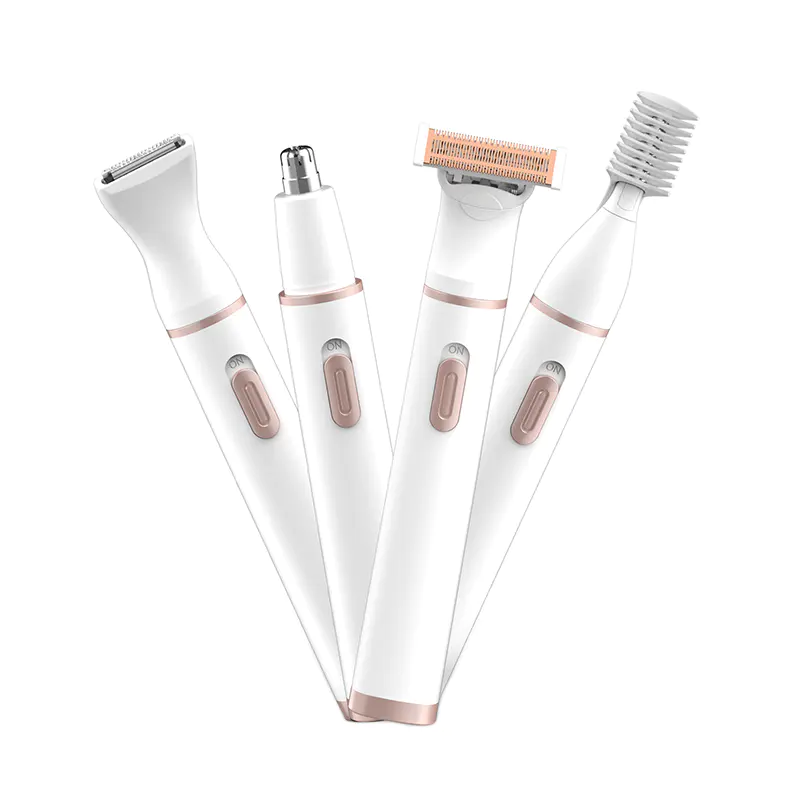 Oct 10,2026
How to Prevent Razor Bumps with an Electric Shaver: A Practical Guide for Calm Skin
Razor bumps are easier to prevent than to treat, and the most effective change is to stop cutting hair below the skin surface. An electric shaver helps because its blade sits behind a foil or a guard, so hair is trimmed at the surface rather than pulled up and sliced beneath it. Keep the cutting head clean, use light pressure, shave with the grain, and replace worn parts on schedule. Dermatologists call razor bumps pseudofolliculitis barbae (PFB). It develops when a freshly cut hair tip curls back into the skin or grows sideways under a blocked follicle. Red raised bumps usually appear 24 to 72 hours after shaving. People with coarse or curly hair, and anyone shaving the neck, jawline, underarms, or bikini line, are most affected. What Really Causes Razor Bumps Razor bumps are an inflammatory response to hair re-entering the skin, not simply a reaction to a rough blade. The mechanism explains why technique matters as much as the tool. Three conditions set the stage: A cut below the skin line. Multi-blade manual razors lift hair slightly before cutting, so the retracting tip can start below the follicle opening. Curved hair growth. Tight curls bend back toward the skin instead of growing outward. Friction and pressure. Pressing hard, stretching skin, or making repeated passes irritates the follicle wall. Unlike razor burn, which fades within hours, bumps are firm papules that can persist for weeks and leave dark marks on deeper skin tones. Why an Electric Shaver Reduces Razor Bump Risk An electric shaver cuts hair at or just above the skin surface, so the new tip stays in the follicle opening and grows out normally. A foil shaver traps hair between a thin metal screen and an oscillating blade; a rotary shaver feeds hair into spinning cutters behind slots. In both designs the skin never meets a bare edge, which means less scraping of the outer skin layer, less follicular trauma, and a lower chance of leaving a hair tip below the surface. Electric shaving also removes the need for shaving cream, and with it the temptation to press harder for a closer result. Foil or Rotary: Which Suits Bump-Prone Skin? Foil heads are usually the gentler choice for straight passes on the neck and jaw, while rotary heads follow the chin and jaw curves better but need a lighter hand. Foil: flat cutting surface, suited to short, straight hair and reactive skin. Use straight strokes. Rotary: three circular heads, effective on longer or coarse hair. Use small circles and let the head work. Longer hair: trim first. Dragging a shaver through long hair pulls at the follicle. Blade Geometry and Skin Contact Blade design decides how much skin the cutter touches, and rounded or wrapped edges reduce the chance of nicking raised bumps. Look for a head that shields the blade and for steel that resists corrosion, so the edge stays sharp for months rather than weeks. A dull edge tugs instead of slicing, and that tugging triggers the inflammation behind most bumps. Blade designs affect skin outcomes in measurable ways, and replacement intervals matter more than claims about closeness. Women's Multifunctional Electric Shaver SF-1008 for Body HairWrapped blade and 35° floating head support close body shaving while limiting direct blade contact; 7,000 rpm motor and one-touch light aid careful routine.View Product → How to Prevent Razor Bumps with an Electric Shaver: Four Steps A repeatable four-step routine, prepare, shave lightly, clean, and calm, prevents most electric-shaver bumps. Step 1: Prepare Skin and Hair Preparation should soften hair without stripping the skin barrier. Shower in warm water for two to three minutes, or hold a warm towel against the area. Exfoliate gently two or three times a week with a soft brush or a chemical exfoliant such as salicylic acid. Daily scrubbing makes irritation worse. If hair is longer than about three millimetres, trim it first. For dry shaving, make sure the skin is completely dry; moisture makes the head drag. Step 2: Use Light Pressure and Follow the Grain Shave in the direction the hair grows and let the weight of the shaver do the cutting. Do not stretch the skin. Tension lifts hair above the surface, and when the skin relaxes the cut tip ends up below it. Avoid multiple passes over the same patch. Two short strokes are enough. Keep the head flat against the skin, especially on the neck where growth direction changes. Slow down around the chin and jaw, where bumps appear most often. Step 3: Clean the Head After Every Use A clean cutting head keeps bacteria and hair debris away from freshly shaved skin. If the shaver is washable, rinse the head under running water and let it air-dry before reassembling. If it is not, empty the chamber and brush the blades. Once a week, open the head and remove compacted hair and skin flakes. A dirty head spreads bacteria into micro-abrasions; a damp one corrodes. Washable Silent Electric Shaver SF-1106 with Dual-Cylinder Cutter HeadRinsable dual-cylinder head and 360° floating design help maintain hygiene between shaves, while USB charging and one-touch operation suit simple facial grooming.View Product → Step 4: Calm the Skin Afterwards Post-shave care should reduce inflammation rather than add fragrance or alcohol. Rinse with cool water or press a cool cloth to the area for a minute. Apply a fragrance-free, alcohol-free moisturiser or aloe gel. Use a product with salicylic or glycolic acid every other day to help hair tips break through the surface. Skip alcohol-based aftershaves, heavy oils, and pore-clogging products. Leave the area alone for a day: no tight collars, no vigorous towel rubbing. Manual Razor vs Electric Shaver: A Practical Comparison The comparison is not about which tool shaves closer; it is about which one keeps hair tips above the skin line. Comparison of manual razors and electric shavers for people prone to razor bumps. Factor Manual multi-blade razor Electric shaver Cutting plane Lifts and cuts below the skin surface Cuts at or just above the surface Ingrown hair risk Higher, especially with curly hair Lower when used with light pressure Skin friction High; requires lubricating cream Low to moderate; can be used dry Daily use Often irritates if used daily Generally tolerated better Maintenance cost Frequent blade replacement Head or foil replacement every 6 to 18 months Best use case Occasional close shave for straight hair Routine shaving on bump-prone skin Six Habits That Make Razor Bumps Worse Most stubborn cases come from a few easy-to-correct habits. Pressing the shaver into the skin. Extra pressure does not produce a closer cut; it produces friction. Shaving against the grain for a smoother finish. This is the fastest route to ingrown hairs on the neck. Shaving every day over the same irritated patch. Give skin 24 to 48 hours between sessions when bumps are active. Using a worn foil or blade. A damaged screen catches skin and a dull blade tugs hair. Storing the shaver wet. Moisture encourages corrosion and bacterial growth in the head. Applying alcohol-based products right after shaving. They dry the skin and increase irritation. Maintenance Schedule for Bump-Prone Skin Replacing parts on time prevents the tugging and scraping that start the bump cycle. Recommended maintenance intervals for electric shaver parts. Component Interval Why it matters Cutting head or foil Every 12 to 18 months, or sooner if damaged A bent or torn screen scratches skin and cuts unevenly Blades or cutter block Every 6 to 12 months Dull edges pull hair instead of slicing it Rinsing or brushing After every use Removes hair debris and bacteria from the cutting area Deep cleaning Weekly Prevents compacted residue from blocking the cutter Replacement heads As specified for the model Keeps cutting performance consistent over time Choosing a Shaver for Bump-Prone Skin Three features matter more than motor specifications: a guarded or wrapped blade, a head that can be rinsed clean, and a size that lets you control pressure on curved areas. Men who shave the neck and chin often do well with a compact shaver that fits under the jawline. Women dealing with the bikini line, underarms, or upper lip generally need a smaller head that runs close to the skin without pinching. A multifunctional model can cover several areas with one handle, but each head still needs cleaning after use and replacement when performance drops. Treat the first two weeks as a trial: shave every other day, note where redness appears, and adjust pressure or direction before changing devices. The facial shaver range lists compatible heads for each handle if you want to compare options first. Men's Mini Portable Electric Shaver SF-1005 with Double-Ring BladeDouble-ring floating blade and automatic light assist quick portable shaving; removable washable head supports maintenance, while technique still affects irritation risk.View Product → Frequently Asked Questions Does an electric shaver prevent razor bumps completely? No. It substantially lowers the risk because it cuts at the surface, but bumps can still appear if you press hard, shave against the grain, or use a worn head. Technique and maintenance decide the outcome. How often should I shave if I get razor bumps? Start with every other day, and wait 24 to 48 hours between sessions when the skin is inflamed. Daily shaving becomes possible once the routine is comfortable and the head stays clean, but never shave over active bumps. Is a wet or dry electric shave better for sensitive skin? Most foil and rotary shavers designed for dry use perform best on completely dry skin, because moisture makes the head drag. If your model is rated for wet use, a small amount of shaving gel can reduce friction, but rinse and dry the head afterwards. How long do razor bumps take to heal? Mild bumps settle within a few days to two weeks once you stop irritating them. Deeply embedded hairs or infected follicles may need a doctor, especially if the area is painful or spreading. Preventing razor bumps with an electric shaver comes down to keeping the cut above the skin line and the skin calm. Choose a guarded blade, shave with the grain using almost no pressure, rinse the head after every use, and replace foils and blades on schedule. Those habits cost nothing extra and remove the friction that causes most ingrown hairs in the first place. article{font-family:Georgia,'Times New Roman',serif;font-size:17px;line-height:1.8;color:#1f242b;padding:0 20px;} .article-section{line-height:1.8;} .article-section p{font-size:16px!important;margin-bottom:12px;line-height:1.8;} .article-section h2{font-size:1.55em;font-weight:bold;text-align:left;margin-bottom:12px!important;margin-top:40px;border-left:5px solid #0077cc;padding-left:14px;color:#0a2a4a;line-height:1.8;} .article-section h3{font-size:1.2em;font-weight:bold;text-align:left;margin-bottom:12px;margin-top:28px;color:#0a2a4a;line-height:1.8;} .article-section ol{margin-bottom:12px;list-style-type:decimal;list-style-position:inside;padding-left:0;} .article-section ul{margin-bottom:12px;list-style-type:disc;list-style-position:inside;} .article-section li{list-style:inherit;font-size:16px;margin-bottom:6px;line-height:1.8;} .article-section table{display:table!important;width:100%;border-collapse:collapse;margin-bottom:16px;} .article-section thead{display:table-header-group!important;} .article-section tbody{display:table-row-group!important;} .article-section tr{display:table-row!important;} .article-section th{display:table-cell!important;font-weight:bold;border:1px solid #cccccc;padding:8px;text-align:left;} .article-section td{display:table-cell!important;border:1px solid #cccccc;padding:8px;} .article-section caption{caption-side:bottom;font-size:16px;margin-bottom:12px;font-style:italic;color:#808080;} .product-card{display:block;margin:20px 0;border:1px solid #e5e7eb;border-radius:10px;overflow:hidden;font-style:normal;background:#fff;box-shadow:0 0 5px rgba(31,41,55,.08)} .pc-inner{display:flex;text-decoration:none;color:inherit;align-items:center;min-height:148px} .product-card .pc-img{width:auto!important;min-width:0!important;max-width:min(36%,240px)!important;height:auto!important;min-height:0!important;max-height:148px!important;aspect-ratio:auto!important;object-fit:contain!important;flex:0 0 auto;display:block;align-self:center} .pc-body{padding:12px 16px;flex:1;min-width:0;display:flex;flex-direction:column;align-self:stretch;justify-content:center} .pc-title{display:block;font-size:15px;font-weight:600;color:#111;margin:0 0 6px;line-height:1.4} .pc-desc{display:-webkit-box;font-size:13px;color:#6b7280;margin:0 0 8px;line-height:1.5;overflow:hidden;-webkit-line-clamp:2;line-clamp:2;-webkit-box-orient:vertical} .pc-cta{display:block;font-size:13px;font-weight:600;color:inherit;margin-top:auto} .pc-inner:hover .pc-title{text-decoration:underline} .article-section a:not(.pc-inner),article a:not(.pc-inner){color:inherit}.pc-cta{color:inherit!important}
VIEW FULL ARTICLE -
Sep 28,2026
How Often to Replace Electric Shaver Blades: Signs, Timelines, Care Tips
Replace electric shaver blades or the complete shaving head every 12 to 18 months if you shave once a day, and every 6 to 12 months if you shave daily with coarse, dense hair or make several passes over the same patch. That is the practical answer. "Blades" here means every cutting part that touches hair: the cutter block and foil on a foil shaver, the rotating cutters inside a rotary head, the sealed cassette that combines foil and cutter, and the small blades in trimmers, nose trimmers, mini facial shavers and epilators. Handles, motors and batteries normally outlast two or three sets of blades, which is exactly why replacement heads are sold as separate parts. Below is how those intervals are calculated, how to separate a genuinely dull blade from one that is simply dirty, and what to check before ordering a replacement head. How Often Should You Replace Electric Shaver Blades? Twelve to eighteen months is the design target most manufacturers set for a daily-use head, and comparison testing of rotary and foil systems usually lands inside the same window. The range is wide because wear is driven by hair volume, hair thickness, skin oil, cleaning habits and shaving pressure rather than by the calendar. A more precise way to plan is to count shaves instead of months. A well-maintained head typically delivers roughly 300 to 600 full shaving sessions, so a person who shaves six mornings a week reaches 300 sessions in about a year, while someone who shaves twice a week takes three years to get there. Estimated replacement intervals for daily use; shorten each figure for coarse hair, multi-pass shaving or shared use within a household. Blade or head type Typical interval Replace sooner when Foil shaver head (foil plus cutter) 12 to 18 months Coarse beard and daily use: 6 to 12 months Rotary shaver cutters 18 to 24 months Head feels warm or drags: 12 to 18 months Mini and facial hair remover blades 6 to 12 months Fine hairs are pulled instead of cut Nose and eyebrow trimmer blades 6 to 12 months Bent teeth, rust spots or snagging Epilator tweezer discs or head 12 to 18 months Hairs slip through instead of being gripped Electric foot grinder roller or stone 3 to 6 months Surface clogs and stops abrading Manufacturer guidance in owner manuals clusters around the same 12 to 18 month figure, with rotary heads usually quoted towards the upper end because each cutter sweeps a smaller area and dulls more slowly. What Actually Wears Out Inside a Shaving Head Cutting edges do not snap; they round over microscopically until they push hair aside instead of slicing it, and that rounding is invisible without magnification. Edge rounding. Each blade meets hair tens of thousands of times a year, and the microscopic edge gradually loses its geometry. Foil thinning. Foils flex against the skin on every stroke; over time the perforations widen and the metal thins, which is why a foil can feel rough long before the cutter underneath looks worn. Residue as an abrasive. Sebum, dead skin and trapped stubble form a paste that keeps blades apart and adds friction, so a head cleaned weekly instead of after every shave can wear noticeably faster. Retainer fatigue. Springs and plastic clips that hold cutters under tension lose preload, so the blade floats instead of pressing against the foil. Materials and geometry matter as much as cleaning. Fine steel blades with anti-corrosion treatment and stable heat treatment hold an edge longer than soft stamped blades, and a wrapped or arc-shaped blade design limits direct skin contact, which reduces both irritation and edge damage across the working life of the head. Signs the Blades Are Due for Replacement If you now need two or three passes where one used to be enough, or if you feel a pull rather than a cut, the blades are the first suspect, not the motor and not your technique. Tugging instead of cutting Sharp blades slice hair cleanly; dull ones grip and pull, which is the earliest and clearest signal. Missed patches and extra passes Uneven results and repeated strokes over one area mean the cut is no longer happening close to skin level. Warm head or changed motor tone A dull blade increases load on the motor, so heat and a higher pitch both point to rising friction. New irritation or redness Razor burn on skin that previously tolerated shaving is usually friction from a worn edge, not new sensitivity. Visible damage Dents in a foil, bent trimmer teeth, rust spots, a cracked retainer clip or a rattling cutter call for replacement, not sharpening. Shorter runtime per charge If a full charge no longer finishes your usual routine, the battery may simply be fighting a dull head. What Happens If You Keep Using Worn Blades A worn head costs more than the price of the part, because both your skin and the device pay for the delay. Pulling hair raises the risk of irritation, redness and folliculitis, especially on the neck and bikini line. Repeated passes increase friction and can pinch or cut skin, particularly with a foil that has thinned. The extra load shortens motor life and drains the battery faster, so runtime drops on every charge. Results get worse while the routine gets longer, which is the worst combination for time and comfort. A damaged foil can catch skin, and that is the one failure mode worth avoiding entirely by replacing early. On cost, a replacement head normally costs a fraction of a new device. Replace the head while the handle is still sound, and replace the whole unit only when the battery no longer holds a charge, the housing is cracked, or the model is discontinued and heads are no longer available. How to Make Blades Last Longer Cleaning is the single biggest factor in blade lifespan, ahead of shaving technique and storage. Empty the hair chamber after every shave and rinse the head if the model is washable; use a dry brush on non-washable heads. Dry the head fully before reassembly, since trapped moisture is what turns residue into corrosion. Add a drop of light lubricating oil to the cutters every few weeks if the manufacturer allows it. Use light pressure. Pressing harder does not cut closer; it flexes the foil and dulls the edge against the skin. Store the shaver with its protective cap on and the head free of compression, and travel with it in a case. A step-by-step routine is covered in our notes on how to clean and maintain an electric shaver, which also explains the difference between washable and non-washable heads. For households that shave daily, keeping one spare head on hand is sensible: performance declines gradually, and a spare lets you swap the moment tugging begins instead of pressing a worn blade for another few months. Washable shaver replacement head, electric shaver accessory head (SF-1006)1. The razor head is designed for easy cleaning, allowing hair to be effortlessly rinsed away with a simple flush.View Product → Rotary, Foil and Multi-Head Devices: Which Blades Last Longer? Rotary cutters generally outlast foils because the cutting edge sits protected inside the head and only the slots contact the skin, while a foil is thin metal that flexes on every stroke. Foil heads: shortest life, typically 12 to 18 months, and the most sensitive to pressure and dents. Rotary heads: longest life, typically 18 to 24 months, but wear is harder to notice because quality fades gradually. Specialist blades: nose, eyebrow and mini facial blades are small and shallow-angled, so they usually need replacing every 6 to 12 months. Multi-function devices: only the head you actually use wears, so a four-in-one tool may need one head replaced long before the others. Hygiene design also shifts the replacement cycle. A fully washable head can be rinsed clean in seconds, keeping residue out of the cutting gap, which helps a shaver reach the upper end of its recommended interval. Washable silent electric shaver (SF-1106)Innovative Dual-cylinder Cutter HeadView Product → Buying Replacement Heads: Fit, Cost and Supply Buy by part number rather than by appearance, because heads that look identical often differ in slot width, cutter height and spring tension, and a mismatched head will either cut poorly or overload the motor. For brand owners and importers, replacement heads are a low-cost SKU with real commercial value. A shared platform keeps spare parts simple to stock across a whole product family, so a single handle design can accept a dedicated replacement head without forcing retailers to carry five different variations. Full body washable multifunctional electric shaver accessory cutter, men's shaving head (SThree-blade IntegratedView Product → If you are sourcing shavers with matched spare heads, or you want a replacement-head program for an existing line, talk to our team about part numbering, retail packaging and lead times. Frequently Asked Questions How do I know if my shaver blade is dull? The clearest test is behaviour, not appearance. If one pass becomes two, if you feel a pull on longer hairs, or if the head warms up during a normal shave, the blade is dull. Compare against how the same shaver performed when new rather than against a visual inspection, since a rounded edge still looks perfectly intact. Can dull blades cause skin irritation? Yes. A worn edge creates friction and pulls hairs instead of cutting them, which is a common cause of redness, razor burn and ingrown hairs. If irritation appears on skin that previously shaved comfortably and cleaning the head does not help within a week, replace the blade. Is it worth replacing the head or buying a new shaver? Replace the head if the handle holds a charge well, runs quietly and the housing is undamaged. Replace the whole device if the battery fades within a few minutes, the switch or housing is cracked, or the model is discontinued and no compatible head is still produced. How often should heavy users replace blades? Daily shavers with coarse or dense hair should plan on 6 to 12 months for a foil head and 12 to 18 months for rotary cutters. Two people sharing one shaver effectively doubles the cutting load, so halve the interval again. Do replacement heads fit older models? Only when the manufacturer keeps the platform. A head is matched to a specific body by slot width, cutter height and clip geometry, so check the part number in the manual or the product page before ordering, and confirm that the retailer lists the exact model it fits. To summarise: plan on 12 to 18 months for a normal daily-use head and 6 to 12 months for heavy or coarse-hair use, but treat those figures as a ceiling rather than a schedule. Count shaves, clean the head after every use, dry it before reassembly, and replace the blade at the first sign of tugging or heat. That habit keeps the motor under less load, keeps the battery runtime stable, and keeps your skin out of the irritation that dull blades are so good at producing. .article-section p{font-size:16px!important;margin-bottom:12px;} .article-section h2{font-size:1.55em;font-weight:bold;text-align:left;margin-top:40px;margin-bottom:12px!important;border-left:5px solid #0077cc;padding-left:14px;color:#0a2a4a;} .article-section h3{font-size:1.2em;font-weight:bold;text-align:left;margin-top:28px;margin-bottom:8px;color:#0a2a4a;} .article-section ul{margin-bottom:12px;list-style-type:disc;list-style-position:inside;} .article-section ol{margin-bottom:12px;list-style-type:decimal;list-style-position:inside;padding-left:0;} .article-section li{list-style:inherit;font-size:16px;margin-bottom:6px;} .article-section table{display:table!important;border-collapse:collapse;width:100%;margin-bottom:12px;} .article-section thead{display:table-header-group!important;} .article-section tbody{display:table-row-group!important;} .article-section tr{display:table-row!important;} .article-section th{display:table-cell!important;font-weight:bold;border:1px solid #cccccc;padding:8px;text-align:left;} .article-section td{display:table-cell!important;border:1px solid #cccccc;padding:8px;} .article-section caption{caption-side:bottom;font-size:16px;margin-bottom:12px;font-style:italic;color:#808080;} .article-section .card-grid{display:grid;grid-template-columns:repeat(auto-fit,minmax(220px,1fr));gap:14px;margin-bottom:12px;} .article-section .card{border:1px solid #dbe3ec;border-radius:10px;padding:14px;background:#f7fafc;} .article-section .card h3{margin-top:0;margin-bottom:8px;color:#0a2a4a;} .product-card{display:block;margin:20px 0;border:1px solid #e5e7eb;border-radius:10px;overflow:hidden;font-style:normal;background:#fff} .pc-inner{display:flex;text-decoration:none;color:inherit;align-items:center;min-height:120px} .pc-img{width:160px;min-width:160px;aspect-ratio:4/3;height:auto;min-height:120px;object-fit:cover;flex-shrink:0;display:block;align-self:stretch} .pc-body{padding:12px 16px;flex:1;min-width:0;display:flex;flex-direction:column;align-self:stretch;justify-content:center} .pc-title{display:block;font-size:15px;font-weight:600;color:#111;margin:0 0 6px;line-height:1.4} .pc-desc{display:-webkit-box;font-size:13px;color:#6b7280;margin:0 0 8px;line-height:1.5;overflow:hidden;-webkit-line-clamp:2;line-clamp:2;-webkit-box-orient:vertical} .pc-cta{display:block;font-size:13px;font-weight:600;color:inherit;margin-top:auto} .pc-inner:hover .pc-title{text-decoration:underline} .article-section a:not(.pc-inner),article a:not(.pc-inner){color:inherit}.pc-cta{color:inherit!important}
VIEW FULL ARTICLE -
 Sep 22,2026
Can an Electric Shaver Cut You? Real Causes, Prevention and Safety Tips for Skin
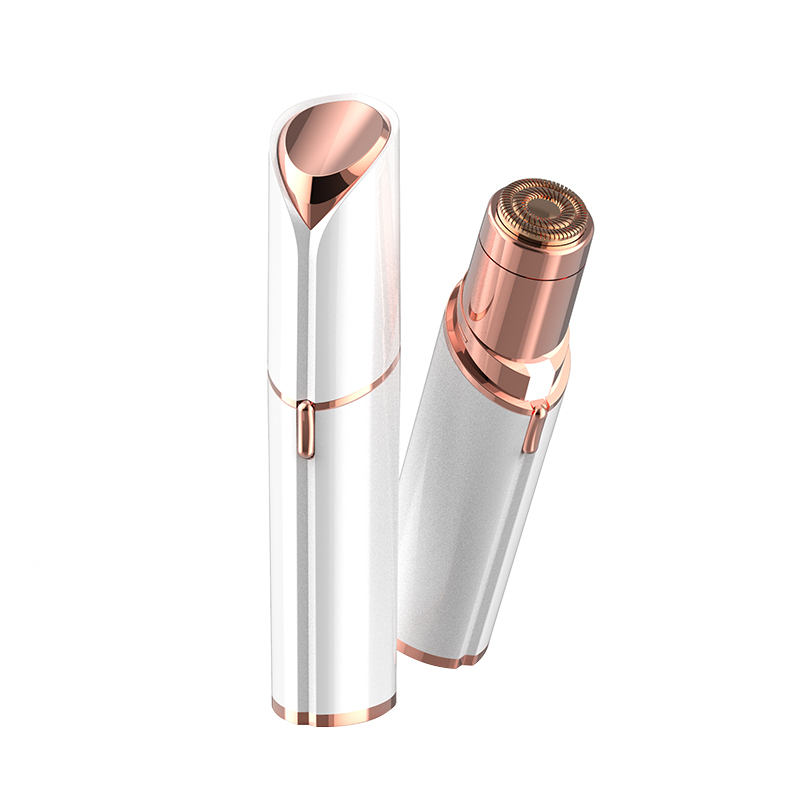
Short answer: yes, an electric shaver can cut you, but a serious cut is rare. What people usually get is a small nick, a scratch left by a dented foil, or friction damage along the shin, jawline or bikini line. In normal use the blade never touches your skin, because it works behind a perforated foil or a slotted comb and only hair passes through the openings. That barrier is why a well-kept electric shaver is one of the least cut-prone ways to remove hair, and also why the risk climbs so quickly once the barrier is compromised. A stretched foil, a heavy hand or a fold of skin pressed into the head turns a safe appliance into a cutting tool. The sections below explain what really causes these cuts, how they compare with blade-razor cuts, how to treat them and which habits prevent them. How Electric Shavers Are Built to Prevent Cuts Electric shavers prevent cuts with a physical barrier, not with a gentler blade angle. In a foil shaver, a thin perforated metal foil stretches across the head while an oscillating cutter block moves underneath it thousands of times a minute. Hair slips into the slots and is sheared off; skin stays outside. A rotary shaver reaches the same result with circular heads, where hair drops into slots on the outer comb and is cut against the inner blade. Rounded or wrapped blade trimmers for eyebrows, nose and detail work enclose the sharp edge even further. The detail that matters most is that these barriers fail gradually. A foil with one small dent still cuts hair well, and it also catches skin, which is why so many complaints start with a head that should have been replaced weeks earlier. Foil, rotary and rounded-blade heads all separate skin from the cutting edge, and each protects less as its parts wear. Head type How hair reaches the blade Cut risk when new First part to wear Foil Hair enters punched slots in a thin metal foil while the flat surface holds skin back Very low; most complaints are friction, not cuts Foil slots stretch or tear, cutter dulls Rotary Hair drops into slots on the rotating outer comb and is sheared against the inner blade Low; irritation is more common than nicks Combs bend or clog, debris packs between blade and comb Rounded or wrapped blade trimmer Only the tip of the hair is exposed to a rounded edge or a partly enclosed guard Low, as long as the guard stays intact Guard deforms after a drop, hair and oil pack the head The Real Reasons an Electric Shaver Cuts You The appliance is rarely at fault on its own; pressure, skin condition and worn parts cause almost every electric shaver cut. Check these five suspects before you blame the motor: A worn or damaged foil. A single dent creates a raised lip that lifts skin into the cutter. Hold the foil against a lamp; any pinhole or tear means it is finished. Too much pressure. Pressing the head down compresses skin so it bulges into the slots. The motor cuts the hair, your hand only guides the head. Loose or folded skin. Underarms, bikini line, thigh creases and the neck fold skin into the head. Stretch the area flat with your free hand before each pass. Shaving over broken skin. A healing pimple, a mole, an ingrown hair or an old scratch snags on the foil edge and bleeds. Debris and low battery. Hair dust and dried gel distort the gap between foil and cutter, and a partly drained battery slows the motor so you press harder and stroke longer. Electric Shaver Cuts vs. Manual Razor Cuts Electric shaver cuts are shallower and bleed far less than blade-razor cuts, and the difference comes down to blade exposure. A manual razor drags an exposed edge across the skin, so a slip opens a long slice along its full length. An electric shaver nicks only where skin was pulled into the head, which usually means a pinpoint wound and a few drops of blood. That changes treatment too: a blade slice needs firm continuous pressure for several minutes, while an electric nick often stops after one or two. The same word, cut, describes two different injuries, and they heal at different speeds. Aspect Electric shaver Manual blade razor Blade to skin contact None in normal use; a foil or comb sits between Direct; the edge travels along the skin surface Typical injury Pinpoint nick, short scratch, friction burn Long slice or shaving cut Bleeding Usually minimal and quick to stop Often heavier and slower to stop Most common cause Damaged foil, excess pressure, folded skin Sideways movement, dull blade, dry skin After-effect on skin Friction redness, especially on the neck Razor burn plus a higher risk of ingrown hairs What to Do When an Electric Shaver Nicks You Most electric nicks stop bleeding on their own within a few minutes, and simple first aid is enough. Rinse the area with cool water to clear loose hair and residue. Press clean gauze or tissue on the spot for two to three minutes without checking it repeatedly. Pat dry, then apply a thin layer of plain petrolatum or a fragrance-free healing ointment. Skip alcohol-based aftershaves and exfoliating acids for 24 hours; they sting and slow healing. Do not shave over that spot again for one to two days, and keep the area moisturised in between. See a doctor if bleeding continues beyond ten to fifteen minutes, if the wound is deeper than a surface scratch, or if the area becomes hot, swollen or increasingly painful the following day, which can point to infection. Five Habits That Prevent Most Electric Shaver Cuts Small changes in technique and upkeep remove the overwhelming majority of cuts, and none of them requires a new device. Inspect the head weekly. Replace the foil or cutter at the first pinhole, dent or rough edge. Stretch the skin flat. Flatten creases with two fingers so the surface is taut and even. Use short, light strokes. Two or three centimetres per pass is enough; pressing harder does not cut closer. Shave in the right order. Trim long hair first, then shave, then make one light second pass only where it is needed. Keep the head clean and dry. Brush or rinse out hair dust after every use so the cutter keeps its running gap. Keeping a spare cutter head in the drawer matters more than it sounds. Wear is gradual, so the day the shave starts pulling is rarely the day you remember to order a replacement. Washable shaver replacement head, electric shaver accessory head (SF-1006)1. The razor head is designed for easy cleaning, allowing hair to be effortlessly rinsed away with a simple flush.View Product → Maintenance: The Part of Cut Risk You Control Cutting parts should be replaced on schedule rather than when they finally fail; a foil and cutter set normally lasts about twelve to eighteen months of regular use, and noticeably less with daily shaving over coarse hair. Cleaning is the other half of the job. Hair dust, skin oil and dried gel pack the space between foil and cutter, which changes the running gap and pushes you to press harder to get a clean result. A fully washable, sealed head can be rinsed under a tap in seconds, which is why this kind of maintenance actually happens instead of being postponed. Full body washable multifunctional electric shaver (SF-2200)Take Care Of Your SkinView Product → If your routine is daily and covers more than the face, a washable body is the practical choice: rinse the head, dry it on a towel and put it away without residue hardening between the blades. That single habit protects both shave quality and skin. Where Blade Design Decides Cut Risk Blade geometry, not motor power, decides whether a head glides across skin or catches it. Three details do most of the work. Rounded or arc-shaped blade tips slide over skin instead of digging in. A wrapped or partly enclosed housing leaves only the cutting edge exposed, which is why wrapped designs are common on trimmers used close to the eyes. A power recovery function keeps the cutter moving through dense hair, so the blade does not stall and tug, which is exactly the moment users instinctively push harder. The design reasoning behind the wrapped blade approach is explained in this breakdown of wrapped blade safety. Women's multifunctional electric shaver, lip hair, armpit hair, leg hair private part shav1. Wrapped blade, the blade is tightly locked in the opening of the blade to isolate the skin from direct contact with the blade.View Product → The same thinking applies to a multi-area shaver: a guarded head for the lip, underarm and leg areas leaves fewer places for a fold of skin to slip into the cutter. Sensitive Skin: Cuts, Irritation and Razor Bumps Redness after shaving is usually irritation rather than a cut, and the two need different responses. A cut breaks the skin and bleeds; irritation is inflammation of intact skin and shows up as redness, warmth and stinging. Friction, a dull cutter and dry skin cause irritation, and shaving over the same patch again only adds friction. Read the symptom before you react: A small red dot with brief bleeding: a cut, so apply pressure for a few minutes, then a plain ointment. Broad redness with no bleeding: friction irritation, so reduce passes, rinse with cool water and use a fragrance-free moisturiser. Bumps along the hairline: razor bumps or ingrown hairs, so shave with the direction of growth and exfoliate gently on the days between shaves. If one area reacts every single time, rest it for a few days and switch to a guarded trimmer there until the skin settles. Frequently Asked Questions Can an electric shaver cut you? Yes, but the injury is normally a small nick or a scratch rather than a deep cut. The blade sits behind a foil or comb, so cutting requires a damaged head, heavy pressure or a fold of skin being drawn into the opening. Can you cut yourself with an electric shaver on your legs or bikini line? It happens, and those are the most common sites because the skin is soft and easily folded into the head. Stretching the skin flat before each pass and using short strokes lowers the risk considerably. Why does a brand-new electric shaver nick me? New heads are at their sharpest, so technique matters more in the first few weeks. Pressing hard, moving quickly or passing over the same spot repeatedly will pull skin into the slots even on an undamaged foil. Are rotary shavers safer than foil shavers? Neither design is universally safer. Foil heads suit flat areas such as the cheeks and jaw, while rotary heads follow contours more easily, and both cut only when the head is worn, clogged or pushed too hard against the skin. Do electric shavers cut more often than manual razors? No. Because the blade stays behind a barrier, electric shavers produce far fewer bleeding cuts than blade razors, although they can still cause friction irritation on the neck and other curved areas. Should I stop using a shaver that has cut me twice? Check the head first. If the foil has a dent, a pinhole or a rough edge, replace it. If the head looks clean and intact, change your technique before replacing the appliance, because repeat nicking from an undamaged head usually points to pressure or folded skin. An electric shaver can cut you, but the risk is small and largely self-inflicted: a damaged foil, too much pressure, or a fold of skin drawn into the head. Inspect the head, clean it after every use, replace cutting parts on schedule and keep your strokes short and light, and a device built to hold a blade away from your skin will keep doing exactly that. For brands and distributors sourcing private-label grooming devices, understanding how blade geometry, guard design and foil tolerance are controlled in production is part of judging whether a supplier's safety claims hold up on the shelf. If that is your next project, you are welcome to contact our engineering and sales team to discuss specifications, testing reports and samples. .article-section{font-family:Georgia,'Times New Roman',serif;font-size:17px;line-height:1.8;color:#1f242b;padding:0 20px;} .article-section h2{font-size:22px;font-size:1.55em;font-weight:bold;text-align:left;margin-top:40px;margin-bottom:12px!important;border-left:5px solid #0077cc;padding-left:14px;color:#0a2a4a;} .article-section h3{font-size:16px;font-size:1.2em;font-weight:bold;text-align:left;margin-top:28px;margin-bottom:12px;color:#0a2a4a;} .article-section p{font-size:16px!important;margin-bottom:12px;} .article-section ul{margin-bottom:12px;list-style-type:disc;list-style-position:inside;} .article-section ol{margin-bottom:12px;list-style-type:decimal;list-style-position:inside;padding-left:0;} .article-section li{list-style:inherit;font-size:16px;margin-bottom:6px;} .article-section table{display:table!important;border-collapse:collapse;} .article-section thead{display:table-header-group!important;} .article-section tbody{display:table-row-group!important;} .article-section tr{display:table-row!important;} .article-section th{display:table-cell!important;font-weight:bold;border:1px solid #cccccc;padding:8px;} .article-section td{display:table-cell!important;border:1px solid #cccccc;padding:8px;} .article-section caption{caption-side:bottom;font-size:16px;margin-bottom:12px;font-style:italic;color:#808080;} .product-card{display:block;margin:20px 0;border:1px solid #e5e7eb;border-radius:10px;overflow:hidden;font-style:normal;background:#fff} .pc-inner{display:flex;text-decoration:none;color:inherit;align-items:center;min-height:120px} .pc-img{width:160px;min-width:160px;aspect-ratio:4/3;height:auto;min-height:120px;object-fit:cover;flex-shrink:0;display:block;align-self:stretch} .pc-body{padding:12px 16px;flex:1;min-width:0;display:flex;flex-direction:column;align-self:stretch;justify-content:center} .pc-title{display:block;font-size:15px;font-weight:600;color:#111;margin:0 0 6px;line-height:1.4} .pc-desc{display:-webkit-box;font-size:13px;color:#6b7280;margin:0 0 8px;line-height:1.5;overflow:hidden;-webkit-line-clamp:2;line-clamp:2;-webkit-box-orient:vertical} .pc-cta{display:block;font-size:13px;font-weight:600;color:inherit;margin-top:auto} .pc-inner:hover .pc-title{text-decoration:underline} .article-section a:not(.pc-inner),article a:not(.pc-inner){color:inherit}.pc-cta{color:inherit!important}
VIEW FULL ARTICLE
KEEP IN TOUCH
-

luke@aisenappliance.com
-

+86-13819843737 / +86-574-62361977
-

Unit 1, Building 7, No. 4 Xieli Road, Simen Town, Yuyao City, Zhejiang Province, China