English
  日本語
日本語
 Español
 Deutsch



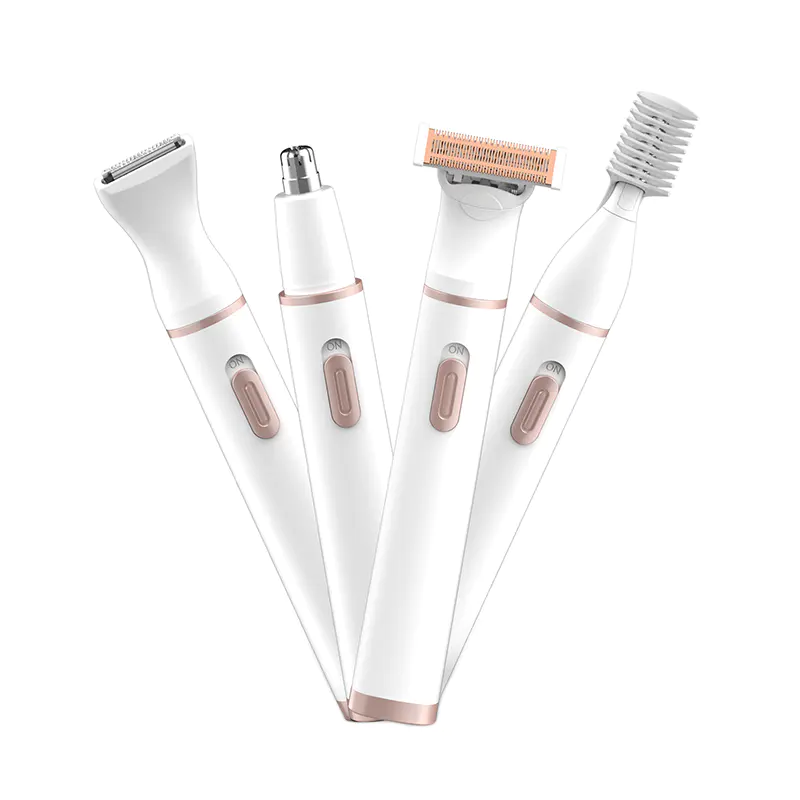
Razor bumps are easier to prevent than to treat, and the most effective change is to stop cutting hair below the skin surface. An electric shaver helps because its blade sits behind a foil or a guard, so hair is trimmed at the surface rather than pulled up and sliced beneath it. Keep the cutting head clean, use light pressure, shave with the grain, and replace worn parts on schedule.
Dermatologists call razor bumps pseudofolliculitis barbae (PFB). It develops when a freshly cut hair tip curls back into the skin or grows sideways under a blocked follicle. Red raised bumps usually appear 24 to 72 hours after shaving. People with coarse or curly hair, and anyone shaving the neck, jawline, underarms, or bikini line, are most affected.
Content
- What Really Causes Razor Bumps
- Why an Electric Shaver Reduces Razor Bump Risk
- How to Prevent Razor Bumps with an Electric Shaver: Four Steps
- Manual Razor vs Electric Shaver: A Practical Comparison
- Six Habits That Make Razor Bumps Worse
- Maintenance Schedule for Bump-Prone Skin
- Choosing a Shaver for Bump-Prone Skin
- Frequently Asked Questions
What Really Causes Razor Bumps
Razor bumps are an inflammatory response to hair re-entering the skin, not simply a reaction to a rough blade. The mechanism explains why technique matters as much as the tool.
Three conditions set the stage:
- A cut below the skin line. Multi-blade manual razors lift hair slightly before cutting, so the retracting tip can start below the follicle opening.
- Curved hair growth. Tight curls bend back toward the skin instead of growing outward.
- Friction and pressure. Pressing hard, stretching skin, or making repeated passes irritates the follicle wall.
Unlike razor burn, which fades within hours, bumps are firm papules that can persist for weeks and leave dark marks on deeper skin tones.
Why an Electric Shaver Reduces Razor Bump Risk
An electric shaver cuts hair at or just above the skin surface, so the new tip stays in the follicle opening and grows out normally.
A foil shaver traps hair between a thin metal screen and an oscillating blade; a rotary shaver feeds hair into spinning cutters behind slots. In both designs the skin never meets a bare edge, which means less scraping of the outer skin layer, less follicular trauma, and a lower chance of leaving a hair tip below the surface. Electric shaving also removes the need for shaving cream, and with it the temptation to press harder for a closer result.
Foil or Rotary: Which Suits Bump-Prone Skin?
Foil heads are usually the gentler choice for straight passes on the neck and jaw, while rotary heads follow the chin and jaw curves better but need a lighter hand.
- Foil: flat cutting surface, suited to short, straight hair and reactive skin. Use straight strokes.
- Rotary: three circular heads, effective on longer or coarse hair. Use small circles and let the head work.
- Longer hair: trim first. Dragging a shaver through long hair pulls at the follicle.
Blade Geometry and Skin Contact
Blade design decides how much skin the cutter touches, and rounded or wrapped edges reduce the chance of nicking raised bumps.
Look for a head that shields the blade and for steel that resists corrosion, so the edge stays sharp for months rather than weeks. A dull edge tugs instead of slicing, and that tugging triggers the inflammation behind most bumps. Blade designs affect skin outcomes in measurable ways, and replacement intervals matter more than claims about closeness.
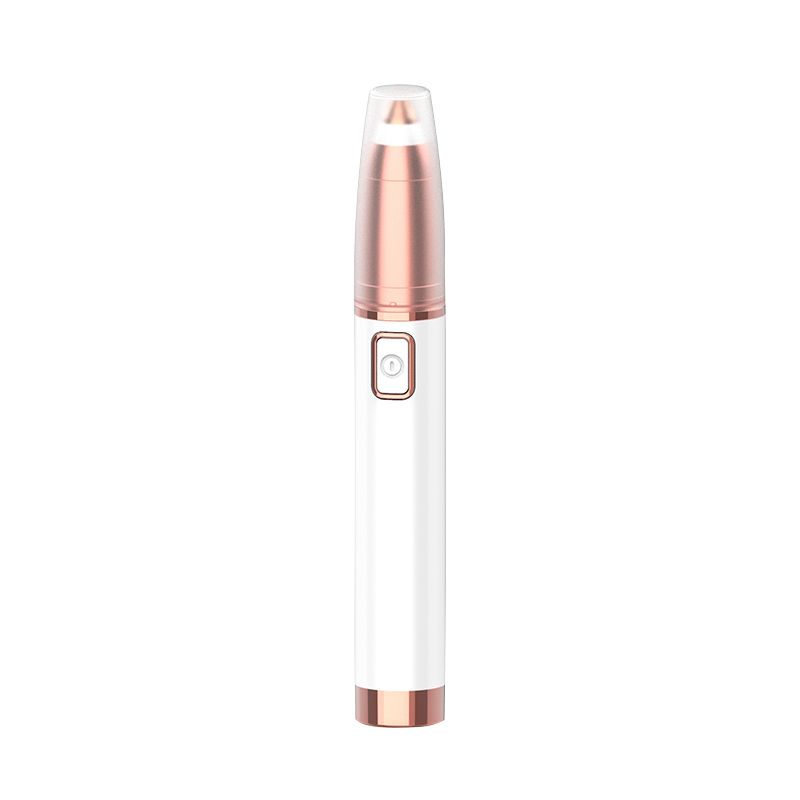
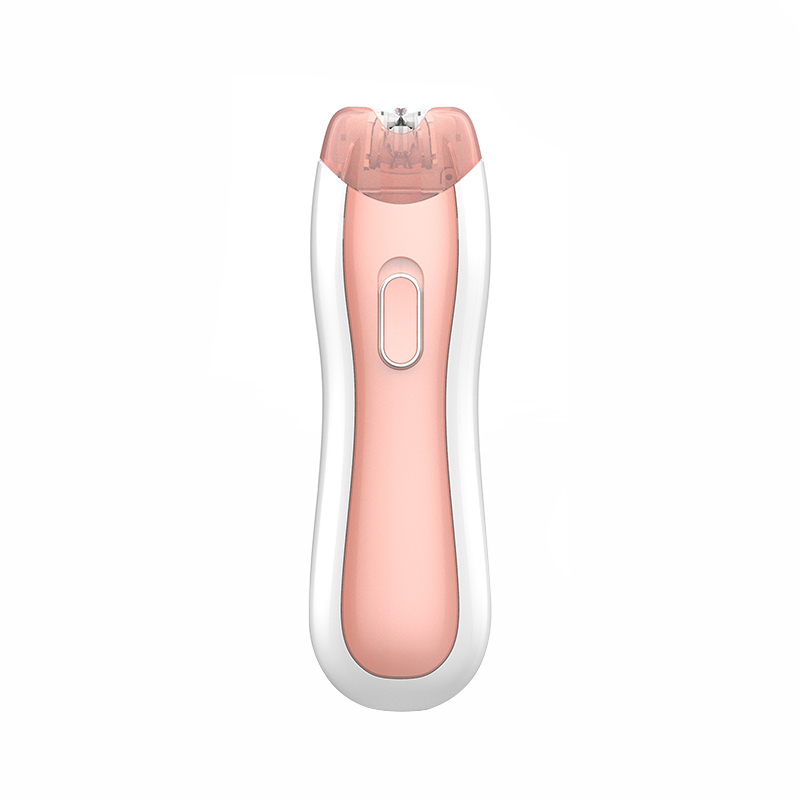
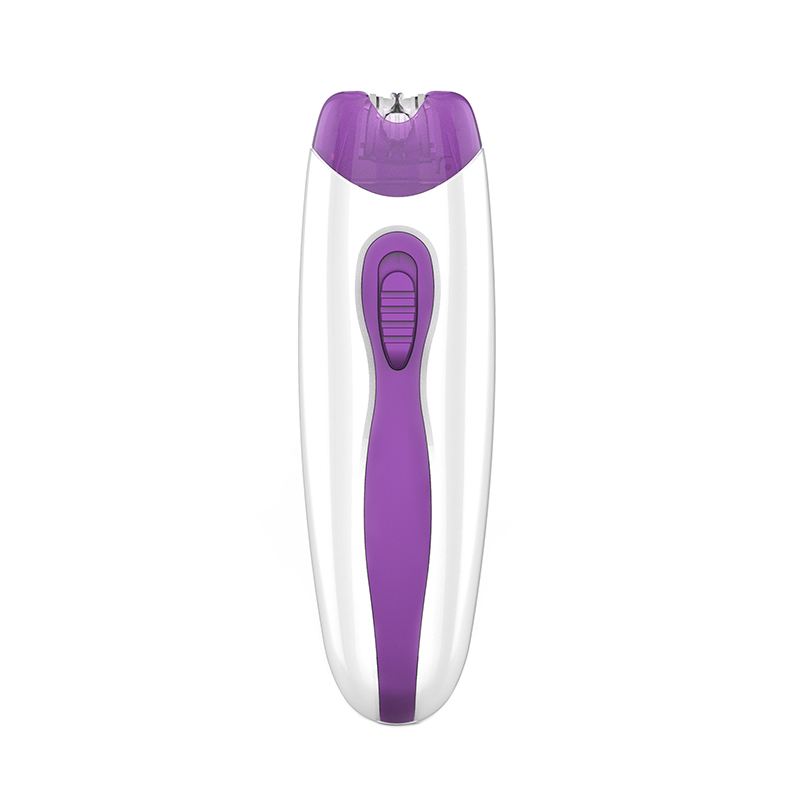
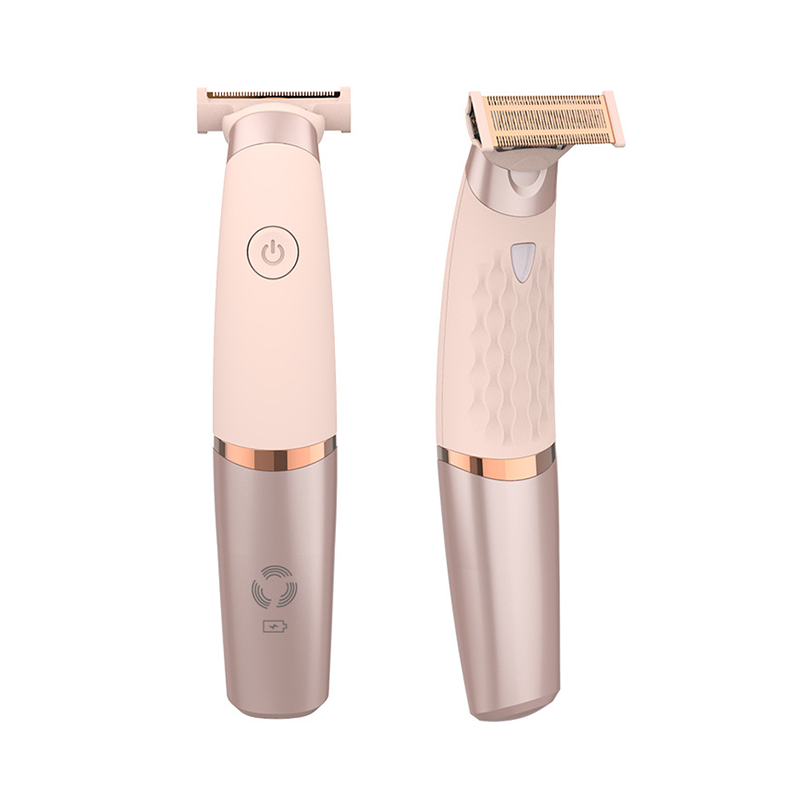 Women's Multifunctional Electric Shaver SF-1008 for Body HairWrapped blade and 35° floating head support close body shaving while limiting direct blade contact; 7,000 rpm motor and one-touch light aid careful routine.View Product →
How to Prevent Razor Bumps with an Electric Shaver: Four Steps
A repeatable four-step routine, prepare, shave lightly, clean, and calm, prevents most electric-shaver bumps.
Step 1: Prepare Skin and Hair
Preparation should soften hair without stripping the skin barrier.
- Shower in warm water for two to three minutes, or hold a warm towel against the area.
- Exfoliate gently two or three times a week with a soft brush or a chemical exfoliant such as salicylic acid. Daily scrubbing makes irritation worse.
- If hair is longer than about three millimetres, trim it first.
- For dry shaving, make sure the skin is completely dry; moisture makes the head drag.
Step 2: Use Light Pressure and Follow the Grain
Shave in the direction the hair grows and let the weight of the shaver do the cutting.
- Do not stretch the skin. Tension lifts hair above the surface, and when the skin relaxes the cut tip ends up below it.
- Avoid multiple passes over the same patch. Two short strokes are enough.
- Keep the head flat against the skin, especially on the neck where growth direction changes.
- Slow down around the chin and jaw, where bumps appear most often.
Step 3: Clean the Head After Every Use
A clean cutting head keeps bacteria and hair debris away from freshly shaved skin.
If the shaver is washable, rinse the head under running water and let it air-dry before reassembling. If it is not, empty the chamber and brush the blades. Once a week, open the head and remove compacted hair and skin flakes. A dirty head spreads bacteria into micro-abrasions; a damp one corrodes.
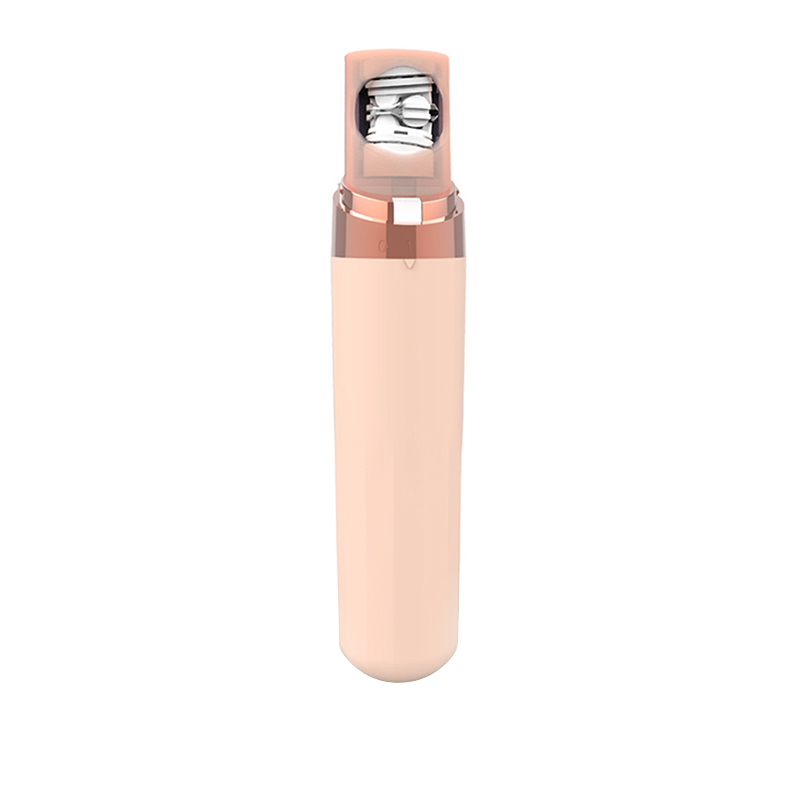
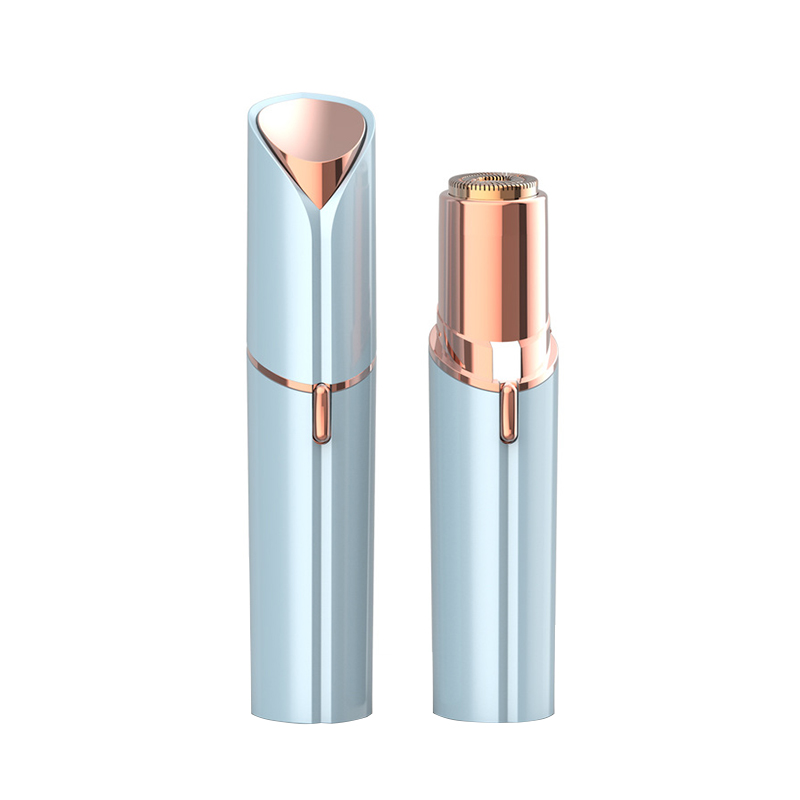 Washable Silent Electric Shaver SF-1106 with Dual-Cylinder Cutter HeadRinsable dual-cylinder head and 360° floating design help maintain hygiene between shaves, while USB charging and one-touch operation suit simple facial grooming.View Product →
Step 4: Calm the Skin Afterwards
Post-shave care should reduce inflammation rather than add fragrance or alcohol.
- Rinse with cool water or press a cool cloth to the area for a minute.
- Apply a fragrance-free, alcohol-free moisturiser or aloe gel.
- Use a product with salicylic or glycolic acid every other day to help hair tips break through the surface.
- Skip alcohol-based aftershaves, heavy oils, and pore-clogging products.
- Leave the area alone for a day: no tight collars, no vigorous towel rubbing.
Manual Razor vs Electric Shaver: A Practical Comparison
The comparison is not about which tool shaves closer; it is about which one keeps hair tips above the skin line.
| Factor | Manual multi-blade razor | Electric shaver |
|---|---|---|
| Cutting plane | Lifts and cuts below the skin surface | Cuts at or just above the surface |
| Ingrown hair risk | Higher, especially with curly hair | Lower when used with light pressure |
| Skin friction | High; requires lubricating cream | Low to moderate; can be used dry |
| Daily use | Often irritates if used daily | Generally tolerated better |
| Maintenance cost | Frequent blade replacement | Head or foil replacement every 6 to 18 months |
| Best use case | Occasional close shave for straight hair | Routine shaving on bump-prone skin |
Six Habits That Make Razor Bumps Worse
Most stubborn cases come from a few easy-to-correct habits.
- Pressing the shaver into the skin. Extra pressure does not produce a closer cut; it produces friction.
- Shaving against the grain for a smoother finish. This is the fastest route to ingrown hairs on the neck.
- Shaving every day over the same irritated patch. Give skin 24 to 48 hours between sessions when bumps are active.
- Using a worn foil or blade. A damaged screen catches skin and a dull blade tugs hair.
- Storing the shaver wet. Moisture encourages corrosion and bacterial growth in the head.
- Applying alcohol-based products right after shaving. They dry the skin and increase irritation.
Maintenance Schedule for Bump-Prone Skin
Replacing parts on time prevents the tugging and scraping that start the bump cycle.
| Component | Interval | Why it matters |
|---|---|---|
| Cutting head or foil | Every 12 to 18 months, or sooner if damaged | A bent or torn screen scratches skin and cuts unevenly |
| Blades or cutter block | Every 6 to 12 months | Dull edges pull hair instead of slicing it |
| Rinsing or brushing | After every use | Removes hair debris and bacteria from the cutting area |
| Deep cleaning | Weekly | Prevents compacted residue from blocking the cutter |
| Replacement heads | As specified for the model | Keeps cutting performance consistent over time |
Choosing a Shaver for Bump-Prone Skin
Three features matter more than motor specifications: a guarded or wrapped blade, a head that can be rinsed clean, and a size that lets you control pressure on curved areas.
Men who shave the neck and chin often do well with a compact shaver that fits under the jawline. Women dealing with the bikini line, underarms, or upper lip generally need a smaller head that runs close to the skin without pinching. A multifunctional model can cover several areas with one handle, but each head still needs cleaning after use and replacement when performance drops.
Treat the first two weeks as a trial: shave every other day, note where redness appears, and adjust pressure or direction before changing devices. The facial shaver range lists compatible heads for each handle if you want to compare options first.
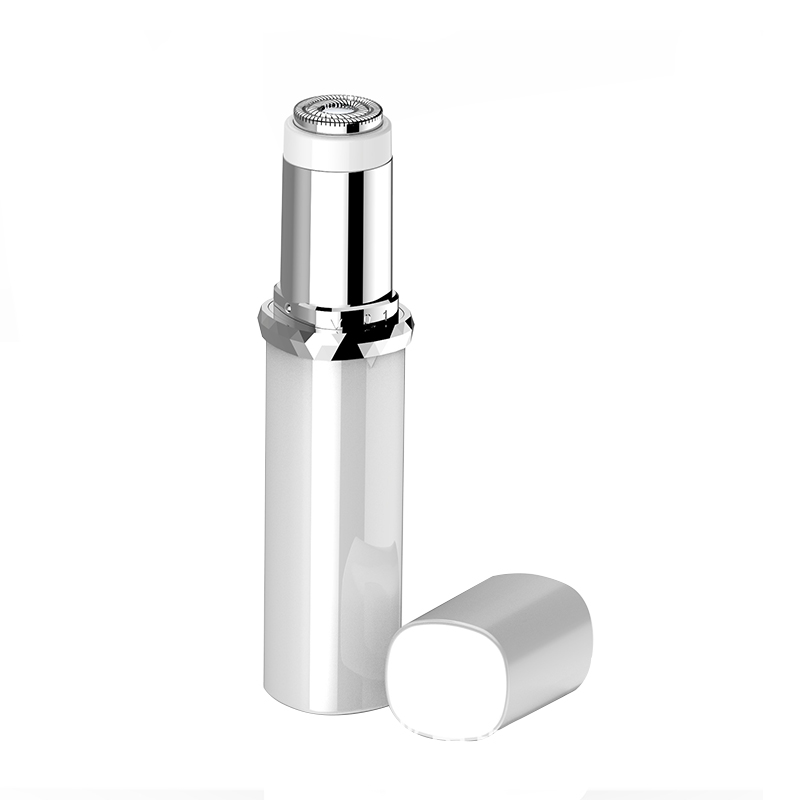 Men's Mini Portable Electric Shaver SF-1005 with Double-Ring BladeDouble-ring floating blade and automatic light assist quick portable shaving; removable washable head supports maintenance, while technique still affects irritation risk.View Product →
Frequently Asked Questions
Does an electric shaver prevent razor bumps completely?
No. It substantially lowers the risk because it cuts at the surface, but bumps can still appear if you press hard, shave against the grain, or use a worn head. Technique and maintenance decide the outcome.
How often should I shave if I get razor bumps?
Start with every other day, and wait 24 to 48 hours between sessions when the skin is inflamed. Daily shaving becomes possible once the routine is comfortable and the head stays clean, but never shave over active bumps.
Is a wet or dry electric shave better for sensitive skin?
Most foil and rotary shavers designed for dry use perform best on completely dry skin, because moisture makes the head drag. If your model is rated for wet use, a small amount of shaving gel can reduce friction, but rinse and dry the head afterwards.
How long do razor bumps take to heal?
Mild bumps settle within a few days to two weeks once you stop irritating them. Deeply embedded hairs or infected follicles may need a doctor, especially if the area is painful or spreading.
Preventing razor bumps with an electric shaver comes down to keeping the cut above the skin line and the skin calm. Choose a guarded blade, shave with the grain using almost no pressure, rinse the head after every use, and replace foils and blades on schedule. Those habits cost nothing extra and remove the friction that causes most ingrown hairs in the first place.