English
  日本語
日本語
 Español
 Deutsch



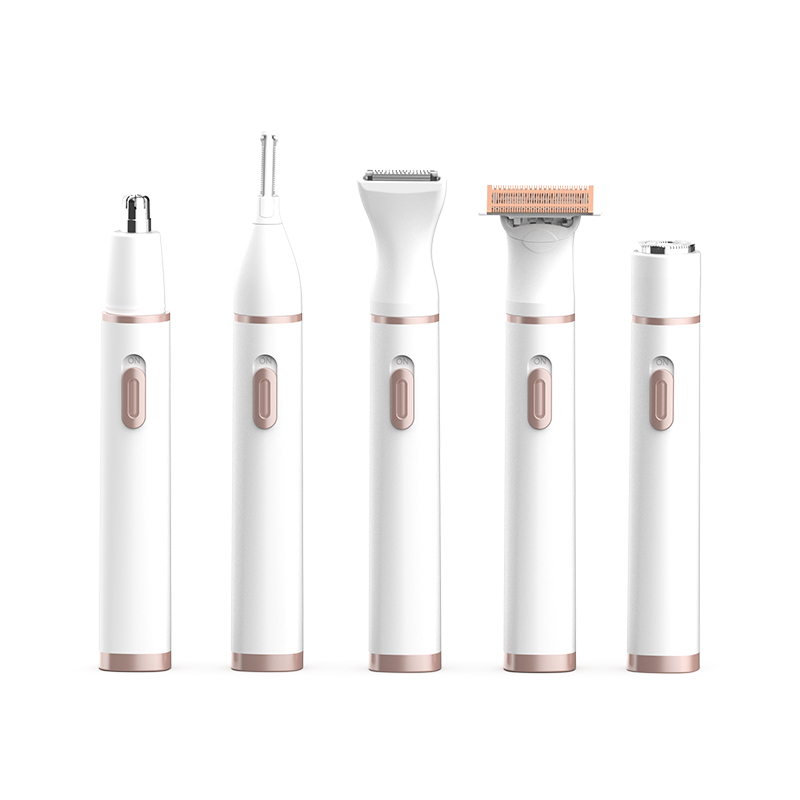
Replace electric shaver blades or the complete shaving head every 12 to 18 months if you shave once a day, and every 6 to 12 months if you shave daily with coarse, dense hair or make several passes over the same patch. That is the practical answer. "Blades" here means every cutting part that touches hair: the cutter block and foil on a foil shaver, the rotating cutters inside a rotary head, the sealed cassette that combines foil and cutter, and the small blades in trimmers, nose trimmers, mini facial shavers and epilators. Handles, motors and batteries normally outlast two or three sets of blades, which is exactly why replacement heads are sold as separate parts.
Below is how those intervals are calculated, how to separate a genuinely dull blade from one that is simply dirty, and what to check before ordering a replacement head.
Content
- How Often Should You Replace Electric Shaver Blades?
- What Actually Wears Out Inside a Shaving Head
- Signs the Blades Are Due for Replacement
- What Happens If You Keep Using Worn Blades
- How to Make Blades Last Longer
- Rotary, Foil and Multi-Head Devices: Which Blades Last Longer?
- Buying Replacement Heads: Fit, Cost and Supply
- Frequently Asked Questions
How Often Should You Replace Electric Shaver Blades?
Twelve to eighteen months is the design target most manufacturers set for a daily-use head, and comparison testing of rotary and foil systems usually lands inside the same window. The range is wide because wear is driven by hair volume, hair thickness, skin oil, cleaning habits and shaving pressure rather than by the calendar.
A more precise way to plan is to count shaves instead of months. A well-maintained head typically delivers roughly 300 to 600 full shaving sessions, so a person who shaves six mornings a week reaches 300 sessions in about a year, while someone who shaves twice a week takes three years to get there.
| Blade or head type | Typical interval | Replace sooner when |
|---|---|---|
| Foil shaver head (foil plus cutter) | 12 to 18 months | Coarse beard and daily use: 6 to 12 months |
| Rotary shaver cutters | 18 to 24 months | Head feels warm or drags: 12 to 18 months |
| Mini and facial hair remover blades | 6 to 12 months | Fine hairs are pulled instead of cut |
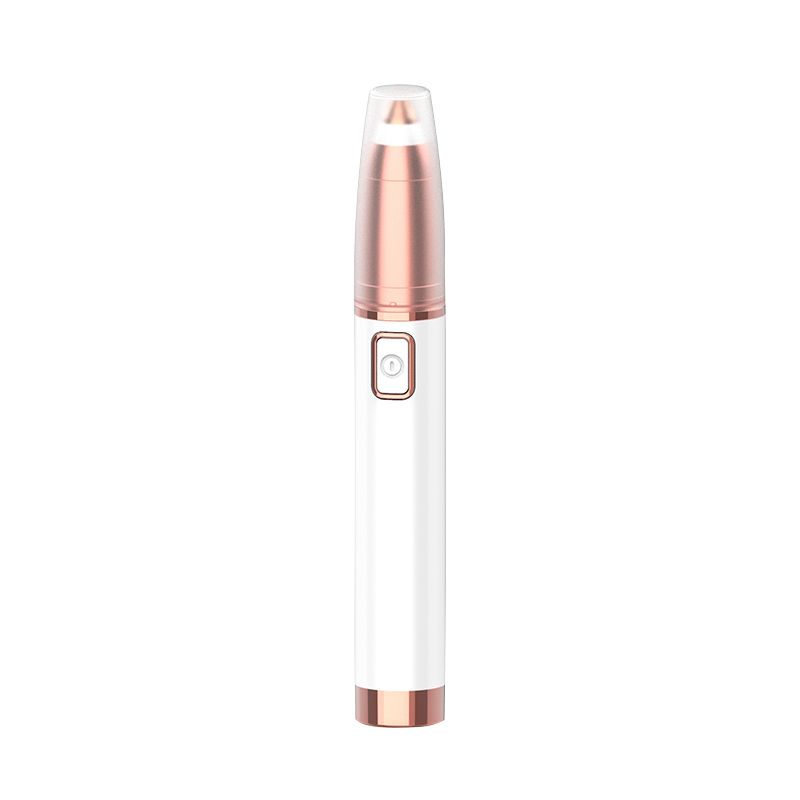
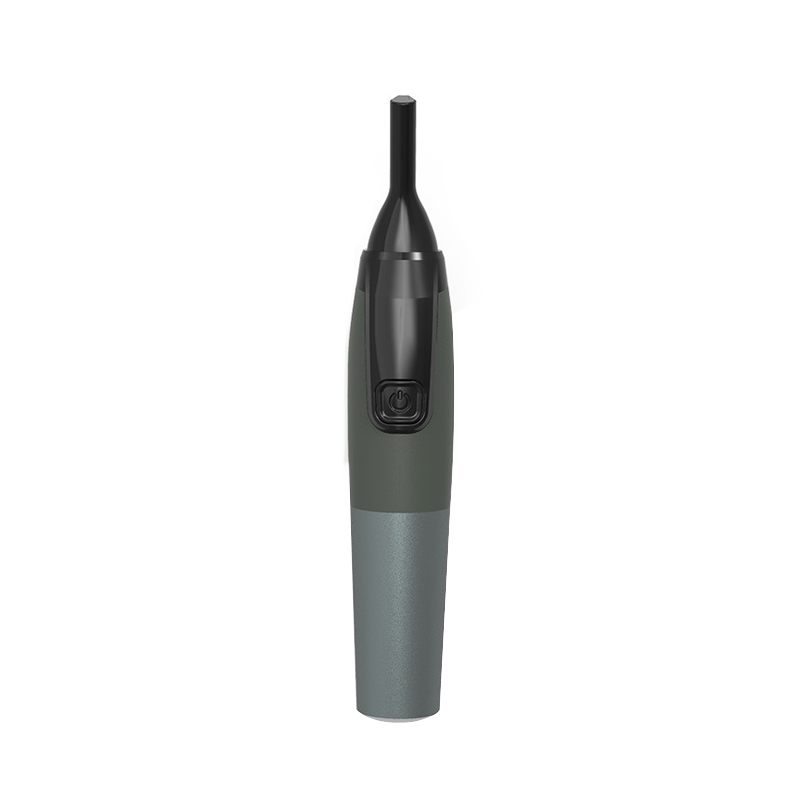
| Nose and eyebrow trimmer blades | 6 to 12 months | Bent teeth, rust spots or snagging |
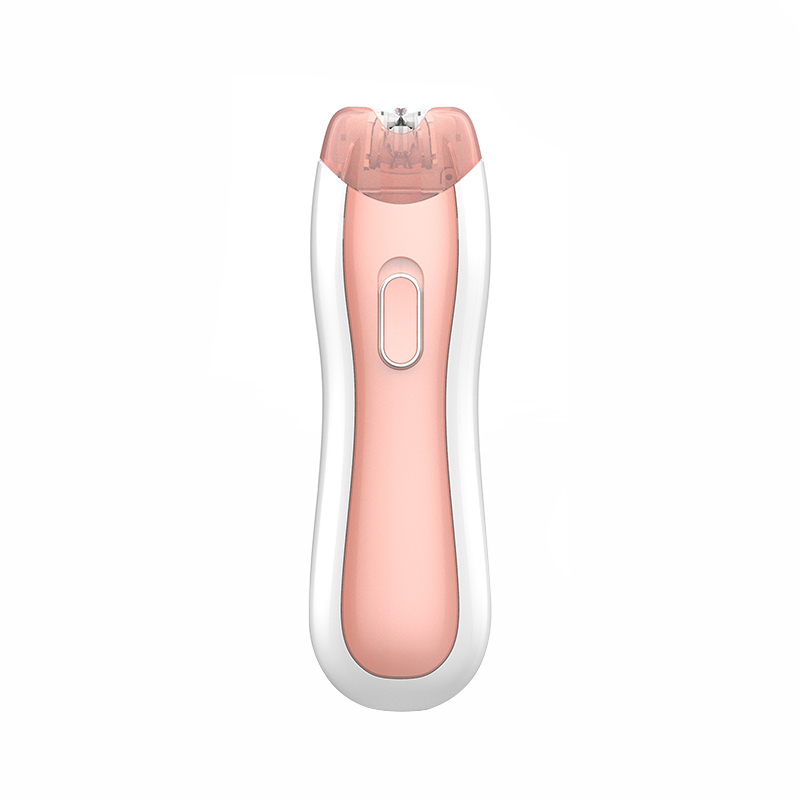
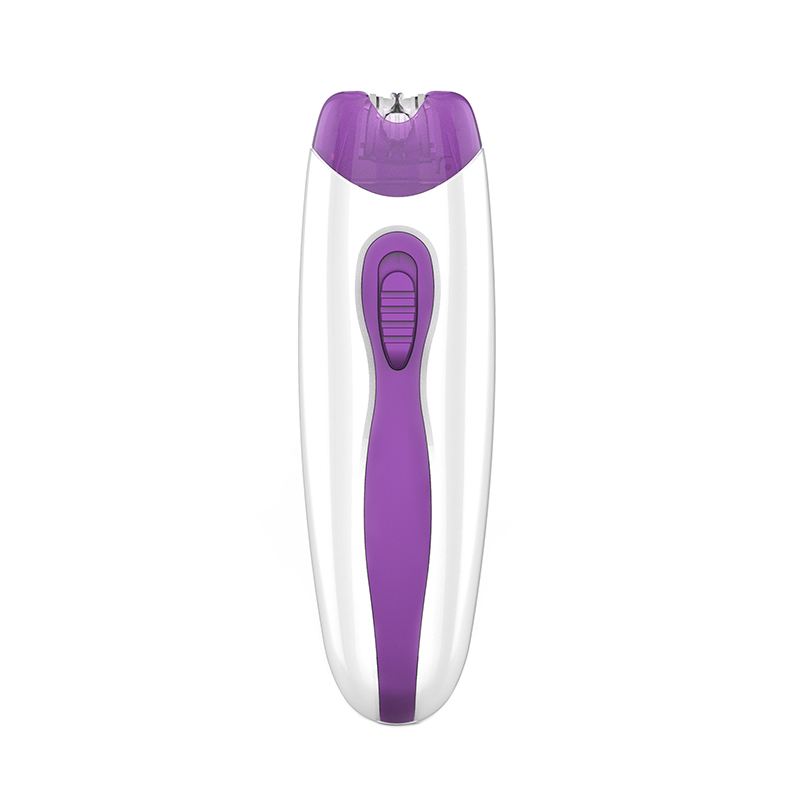
| Epilator tweezer discs or head | 12 to 18 months | Hairs slip through instead of being gripped |
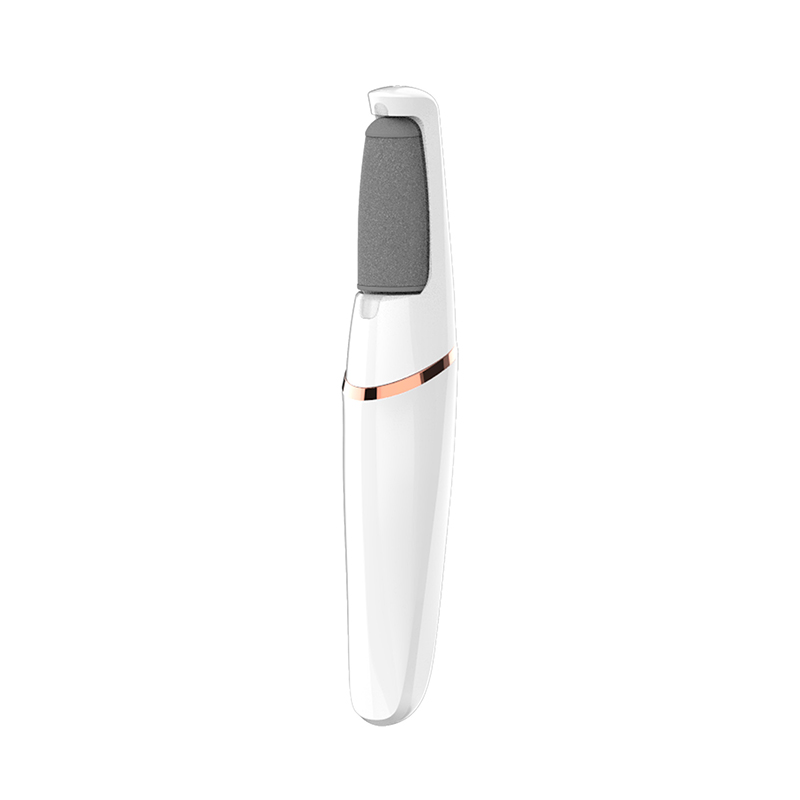
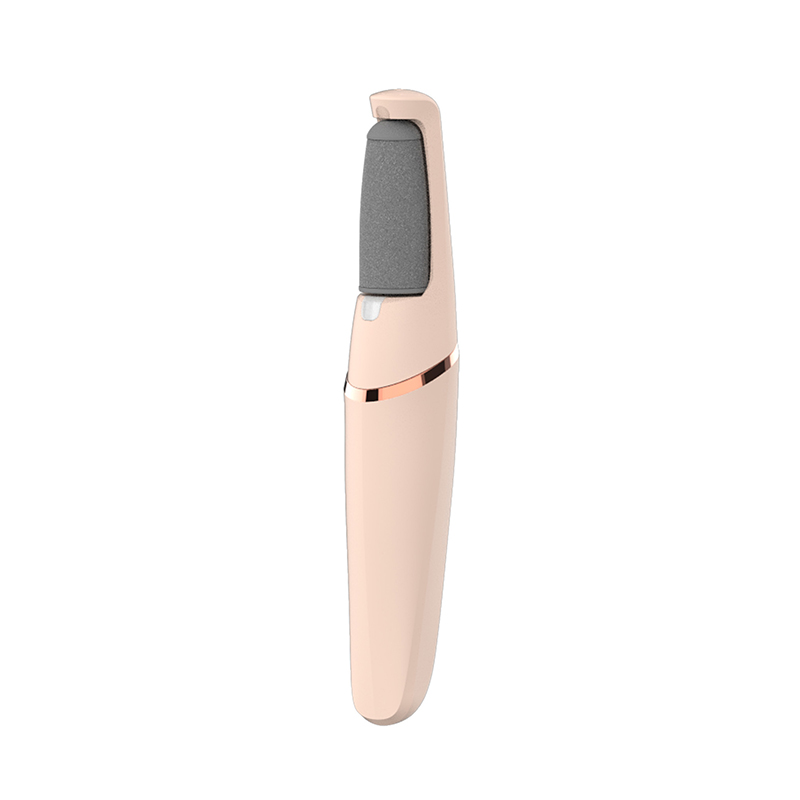
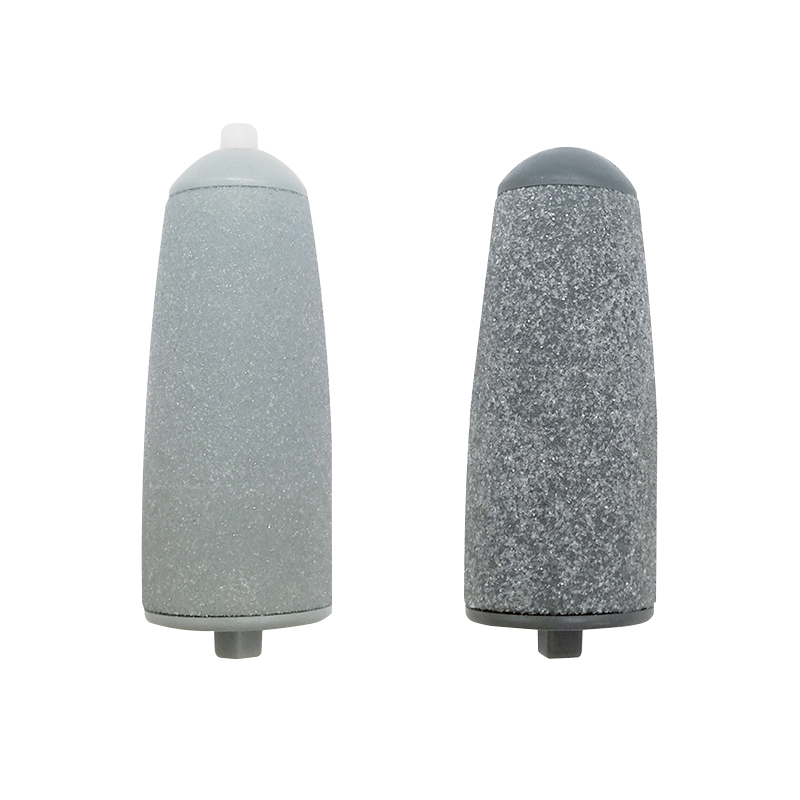
| Electric foot grinder roller or stone | 3 to 6 months | Surface clogs and stops abrading |
Manufacturer guidance in owner manuals clusters around the same 12 to 18 month figure, with rotary heads usually quoted towards the upper end because each cutter sweeps a smaller area and dulls more slowly.
What Actually Wears Out Inside a Shaving Head
Cutting edges do not snap; they round over microscopically until they push hair aside instead of slicing it, and that rounding is invisible without magnification.
- Edge rounding. Each blade meets hair tens of thousands of times a year, and the microscopic edge gradually loses its geometry.
- Foil thinning. Foils flex against the skin on every stroke; over time the perforations widen and the metal thins, which is why a foil can feel rough long before the cutter underneath looks worn.
- Residue as an abrasive. Sebum, dead skin and trapped stubble form a paste that keeps blades apart and adds friction, so a head cleaned weekly instead of after every shave can wear noticeably faster.
- Retainer fatigue. Springs and plastic clips that hold cutters under tension lose preload, so the blade floats instead of pressing against the foil.
Materials and geometry matter as much as cleaning. Fine steel blades with anti-corrosion treatment and stable heat treatment hold an edge longer than soft stamped blades, and a wrapped or arc-shaped blade design limits direct skin contact, which reduces both irritation and edge damage across the working life of the head.
Signs the Blades Are Due for Replacement
If you now need two or three passes where one used to be enough, or if you feel a pull rather than a cut, the blades are the first suspect, not the motor and not your technique.
Tugging instead of cutting
Sharp blades slice hair cleanly; dull ones grip and pull, which is the earliest and clearest signal.
Missed patches and extra passes
Uneven results and repeated strokes over one area mean the cut is no longer happening close to skin level.
Warm head or changed motor tone
A dull blade increases load on the motor, so heat and a higher pitch both point to rising friction.
New irritation or redness
Razor burn on skin that previously tolerated shaving is usually friction from a worn edge, not new sensitivity.
Visible damage
Dents in a foil, bent trimmer teeth, rust spots, a cracked retainer clip or a rattling cutter call for replacement, not sharpening.
Shorter runtime per charge
If a full charge no longer finishes your usual routine, the battery may simply be fighting a dull head.
What Happens If You Keep Using Worn Blades
A worn head costs more than the price of the part, because both your skin and the device pay for the delay.
- Pulling hair raises the risk of irritation, redness and folliculitis, especially on the neck and bikini line.
- Repeated passes increase friction and can pinch or cut skin, particularly with a foil that has thinned.
- The extra load shortens motor life and drains the battery faster, so runtime drops on every charge.
- Results get worse while the routine gets longer, which is the worst combination for time and comfort.
- A damaged foil can catch skin, and that is the one failure mode worth avoiding entirely by replacing early.
On cost, a replacement head normally costs a fraction of a new device. Replace the head while the handle is still sound, and replace the whole unit only when the battery no longer holds a charge, the housing is cracked, or the model is discontinued and heads are no longer available.
How to Make Blades Last Longer
Cleaning is the single biggest factor in blade lifespan, ahead of shaving technique and storage.
- Empty the hair chamber after every shave and rinse the head if the model is washable; use a dry brush on non-washable heads.
- Dry the head fully before reassembly, since trapped moisture is what turns residue into corrosion.
- Add a drop of light lubricating oil to the cutters every few weeks if the manufacturer allows it.
- Use light pressure. Pressing harder does not cut closer; it flexes the foil and dulls the edge against the skin.
- Store the shaver with its protective cap on and the head free of compression, and travel with it in a case.
A step-by-step routine is covered in our notes on how to clean and maintain an electric shaver, which also explains the difference between washable and non-washable heads.
For households that shave daily, keeping one spare head on hand is sensible: performance declines gradually, and a spare lets you swap the moment tugging begins instead of pressing a worn blade for another few months.
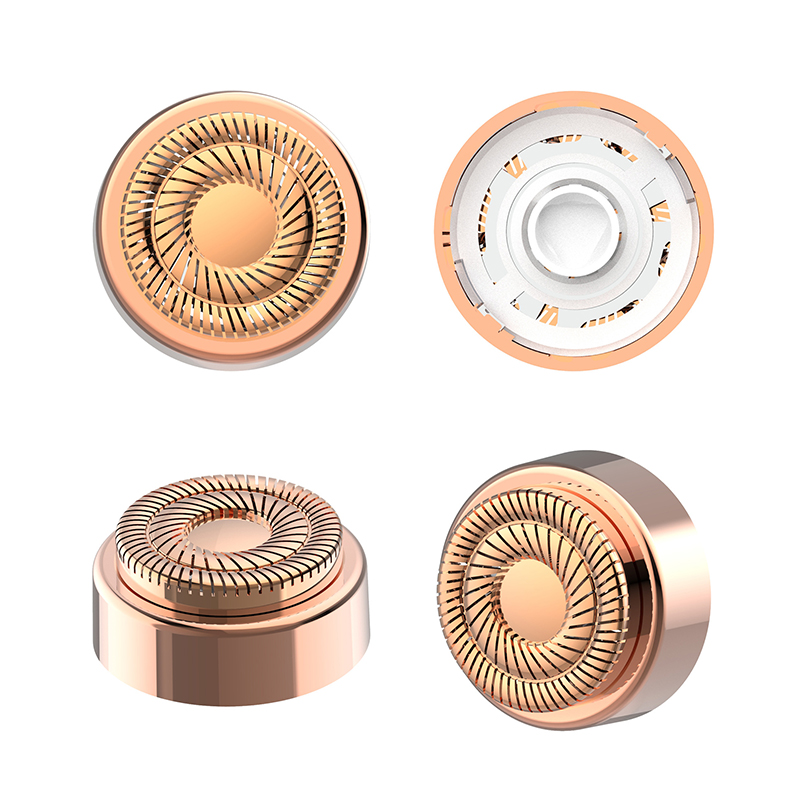 Washable shaver replacement head, electric shaver accessory head (SF-1006)1. The razor head is designed for easy cleaning, allowing hair to be effortlessly rinsed away with a simple flush.View Product →
Rotary, Foil and Multi-Head Devices: Which Blades Last Longer?
Rotary cutters generally outlast foils because the cutting edge sits protected inside the head and only the slots contact the skin, while a foil is thin metal that flexes on every stroke.
- Foil heads: shortest life, typically 12 to 18 months, and the most sensitive to pressure and dents.
- Rotary heads: longest life, typically 18 to 24 months, but wear is harder to notice because quality fades gradually.
- Specialist blades: nose, eyebrow and mini facial blades are small and shallow-angled, so they usually need replacing every 6 to 12 months.
- Multi-function devices: only the head you actually use wears, so a four-in-one tool may need one head replaced long before the others.
Hygiene design also shifts the replacement cycle. A fully washable head can be rinsed clean in seconds, keeping residue out of the cutting gap, which helps a shaver reach the upper end of its recommended interval.
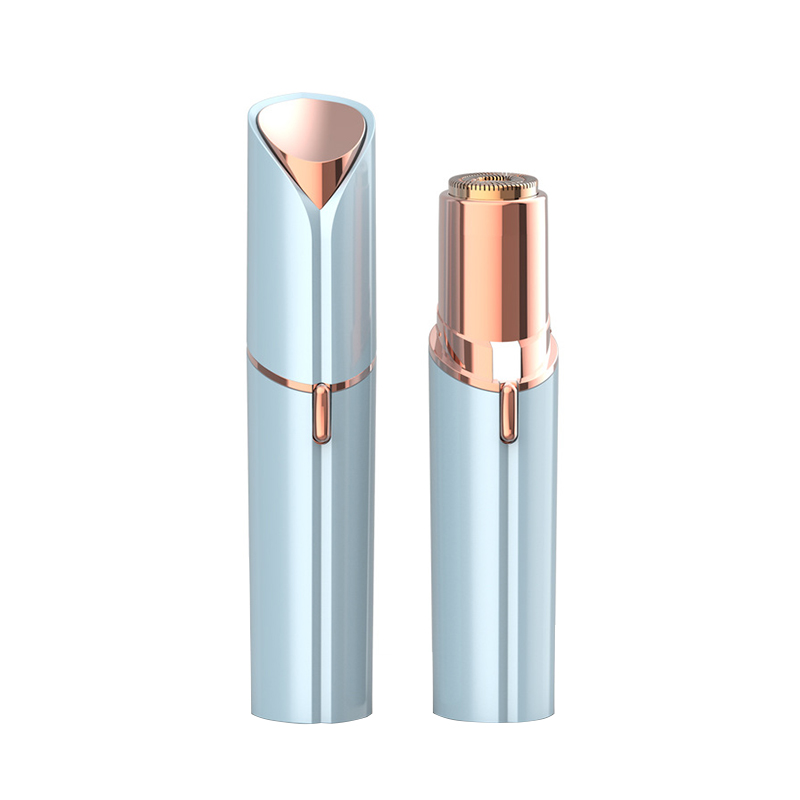 Washable silent electric shaver (SF-1106)Innovative Dual-cylinder Cutter HeadView Product →
Buying Replacement Heads: Fit, Cost and Supply
Buy by part number rather than by appearance, because heads that look identical often differ in slot width, cutter height and spring tension, and a mismatched head will either cut poorly or overload the motor.
For brand owners and importers, replacement heads are a low-cost SKU with real commercial value. A shared platform keeps spare parts simple to stock across a whole product family, so a single handle design can accept a dedicated replacement head without forcing retailers to carry five different variations.
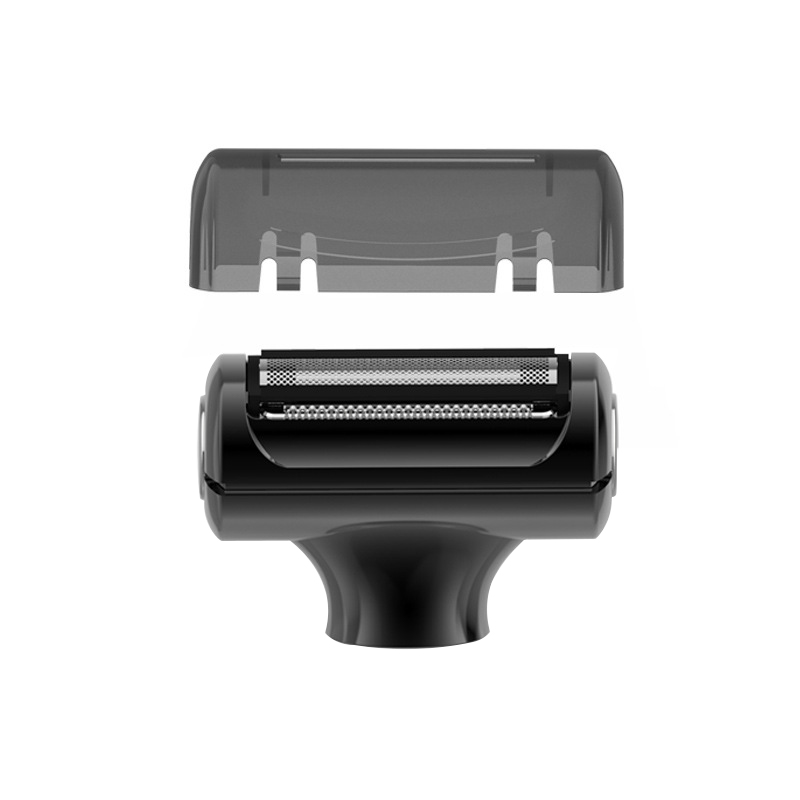 Full body washable multifunctional electric shaver accessory cutter, men's shaving head (SThree-blade IntegratedView Product →
If you are sourcing shavers with matched spare heads, or you want a replacement-head program for an existing line, talk to our team about part numbering, retail packaging and lead times.
Frequently Asked Questions
How do I know if my shaver blade is dull?
The clearest test is behaviour, not appearance. If one pass becomes two, if you feel a pull on longer hairs, or if the head warms up during a normal shave, the blade is dull. Compare against how the same shaver performed when new rather than against a visual inspection, since a rounded edge still looks perfectly intact.
Can dull blades cause skin irritation?
Yes. A worn edge creates friction and pulls hairs instead of cutting them, which is a common cause of redness, razor burn and ingrown hairs. If irritation appears on skin that previously shaved comfortably and cleaning the head does not help within a week, replace the blade.
Is it worth replacing the head or buying a new shaver?
Replace the head if the handle holds a charge well, runs quietly and the housing is undamaged. Replace the whole device if the battery fades within a few minutes, the switch or housing is cracked, or the model is discontinued and no compatible head is still produced.
How often should heavy users replace blades?
Daily shavers with coarse or dense hair should plan on 6 to 12 months for a foil head and 12 to 18 months for rotary cutters. Two people sharing one shaver effectively doubles the cutting load, so halve the interval again.
Do replacement heads fit older models?
Only when the manufacturer keeps the platform. A head is matched to a specific body by slot width, cutter height and clip geometry, so check the part number in the manual or the product page before ordering, and confirm that the retailer lists the exact model it fits.
To summarise: plan on 12 to 18 months for a normal daily-use head and 6 to 12 months for heavy or coarse-hair use, but treat those figures as a ceiling rather than a schedule. Count shaves, clean the head after every use, dry it before reassembly, and replace the blade at the first sign of tugging or heat. That habit keeps the motor under less load, keeps the battery runtime stable, and keeps your skin out of the irritation that dull blades are so good at producing.