English
  日本語
日本語
 Español
 Deutsch



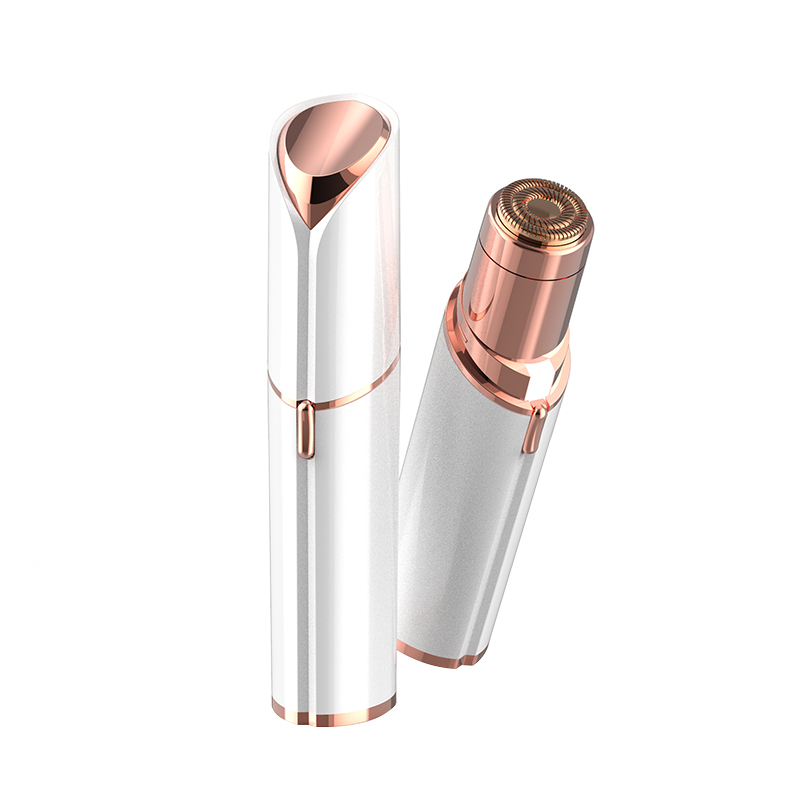
Short answer: yes, an electric shaver can cut you, but a serious cut is rare. What people usually get is a small nick, a scratch left by a dented foil, or friction damage along the shin, jawline or bikini line. In normal use the blade never touches your skin, because it works behind a perforated foil or a slotted comb and only hair passes through the openings.
That barrier is why a well-kept electric shaver is one of the least cut-prone ways to remove hair, and also why the risk climbs so quickly once the barrier is compromised. A stretched foil, a heavy hand or a fold of skin pressed into the head turns a safe appliance into a cutting tool. The sections below explain what really causes these cuts, how they compare with blade-razor cuts, how to treat them and which habits prevent them.
Content
- How Electric Shavers Are Built to Prevent Cuts
- The Real Reasons an Electric Shaver Cuts You
- Electric Shaver Cuts vs. Manual Razor Cuts
- What to Do When an Electric Shaver Nicks You
- Five Habits That Prevent Most Electric Shaver Cuts
- Maintenance: The Part of Cut Risk You Control
- Where Blade Design Decides Cut Risk
- Sensitive Skin: Cuts, Irritation and Razor Bumps
- Frequently Asked Questions
How Electric Shavers Are Built to Prevent Cuts
Electric shavers prevent cuts with a physical barrier, not with a gentler blade angle.
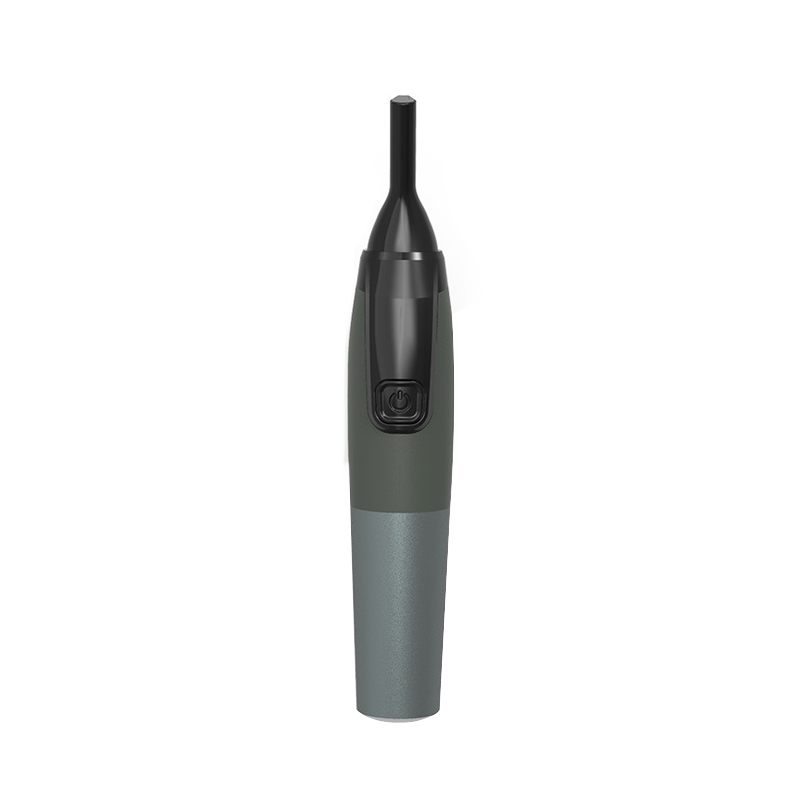
In a foil shaver, a thin perforated metal foil stretches across the head while an oscillating cutter block moves underneath it thousands of times a minute. Hair slips into the slots and is sheared off; skin stays outside. A rotary shaver reaches the same result with circular heads, where hair drops into slots on the outer comb and is cut against the inner blade. Rounded or wrapped blade trimmers for eyebrows, nose and detail work enclose the sharp edge even further.
The detail that matters most is that these barriers fail gradually. A foil with one small dent still cuts hair well, and it also catches skin, which is why so many complaints start with a head that should have been replaced weeks earlier.
| Head type | How hair reaches the blade | Cut risk when new | First part to wear |
|---|---|---|---|
| Foil | Hair enters punched slots in a thin metal foil while the flat surface holds skin back | Very low; most complaints are friction, not cuts | Foil slots stretch or tear, cutter dulls |
| Rotary | Hair drops into slots on the rotating outer comb and is sheared against the inner blade | Low; irritation is more common than nicks | Combs bend or clog, debris packs between blade and comb |
| Rounded or wrapped blade trimmer | Only the tip of the hair is exposed to a rounded edge or a partly enclosed guard | Low, as long as the guard stays intact | Guard deforms after a drop, hair and oil pack the head |
The Real Reasons an Electric Shaver Cuts You
The appliance is rarely at fault on its own; pressure, skin condition and worn parts cause almost every electric shaver cut.
Check these five suspects before you blame the motor:
- A worn or damaged foil. A single dent creates a raised lip that lifts skin into the cutter. Hold the foil against a lamp; any pinhole or tear means it is finished.
- Too much pressure. Pressing the head down compresses skin so it bulges into the slots. The motor cuts the hair, your hand only guides the head.
- Loose or folded skin. Underarms, bikini line, thigh creases and the neck fold skin into the head. Stretch the area flat with your free hand before each pass.
- Shaving over broken skin. A healing pimple, a mole, an ingrown hair or an old scratch snags on the foil edge and bleeds.
- Debris and low battery. Hair dust and dried gel distort the gap between foil and cutter, and a partly drained battery slows the motor so you press harder and stroke longer.
Electric Shaver Cuts vs. Manual Razor Cuts
Electric shaver cuts are shallower and bleed far less than blade-razor cuts, and the difference comes down to blade exposure.
A manual razor drags an exposed edge across the skin, so a slip opens a long slice along its full length. An electric shaver nicks only where skin was pulled into the head, which usually means a pinpoint wound and a few drops of blood. That changes treatment too: a blade slice needs firm continuous pressure for several minutes, while an electric nick often stops after one or two.
| Aspect | Electric shaver | Manual blade razor |
|---|---|---|
| Blade to skin contact | None in normal use; a foil or comb sits between | Direct; the edge travels along the skin surface |
| Typical injury | Pinpoint nick, short scratch, friction burn | Long slice or shaving cut |
| Bleeding | Usually minimal and quick to stop | Often heavier and slower to stop |
| Most common cause | Damaged foil, excess pressure, folded skin | Sideways movement, dull blade, dry skin |
| After-effect on skin | Friction redness, especially on the neck | Razor burn plus a higher risk of ingrown hairs |
What to Do When an Electric Shaver Nicks You
Most electric nicks stop bleeding on their own within a few minutes, and simple first aid is enough.
- Rinse the area with cool water to clear loose hair and residue.
- Press clean gauze or tissue on the spot for two to three minutes without checking it repeatedly.
- Pat dry, then apply a thin layer of plain petrolatum or a fragrance-free healing ointment.
- Skip alcohol-based aftershaves and exfoliating acids for 24 hours; they sting and slow healing.
- Do not shave over that spot again for one to two days, and keep the area moisturised in between.
See a doctor if bleeding continues beyond ten to fifteen minutes, if the wound is deeper than a surface scratch, or if the area becomes hot, swollen or increasingly painful the following day, which can point to infection.
Five Habits That Prevent Most Electric Shaver Cuts
Small changes in technique and upkeep remove the overwhelming majority of cuts, and none of them requires a new device.
- Inspect the head weekly. Replace the foil or cutter at the first pinhole, dent or rough edge.
- Stretch the skin flat. Flatten creases with two fingers so the surface is taut and even.
- Use short, light strokes. Two or three centimetres per pass is enough; pressing harder does not cut closer.
- Shave in the right order. Trim long hair first, then shave, then make one light second pass only where it is needed.
- Keep the head clean and dry. Brush or rinse out hair dust after every use so the cutter keeps its running gap.
Keeping a spare cutter head in the drawer matters more than it sounds. Wear is gradual, so the day the shave starts pulling is rarely the day you remember to order a replacement.
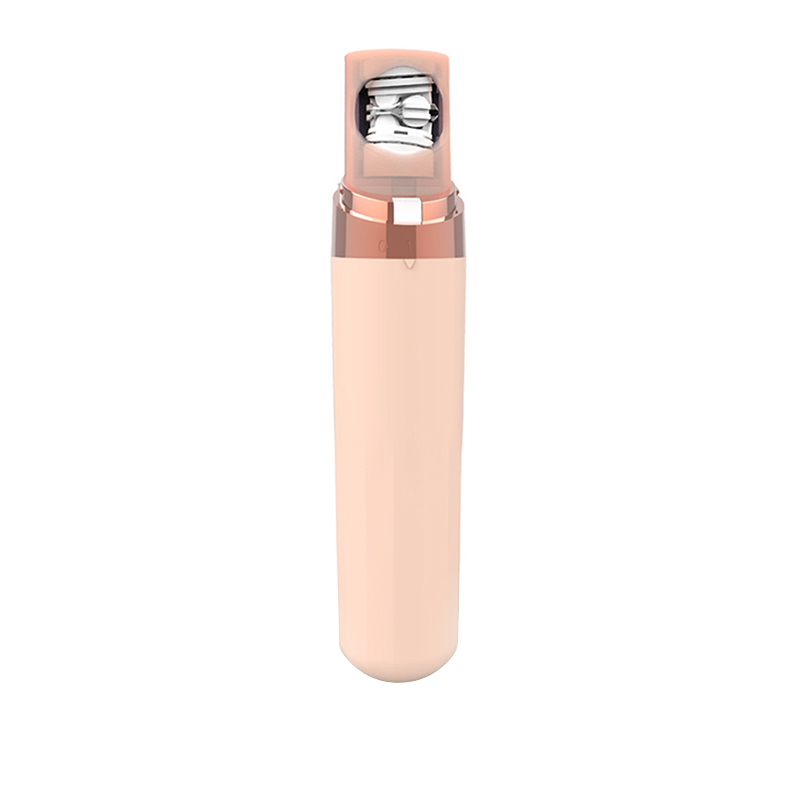
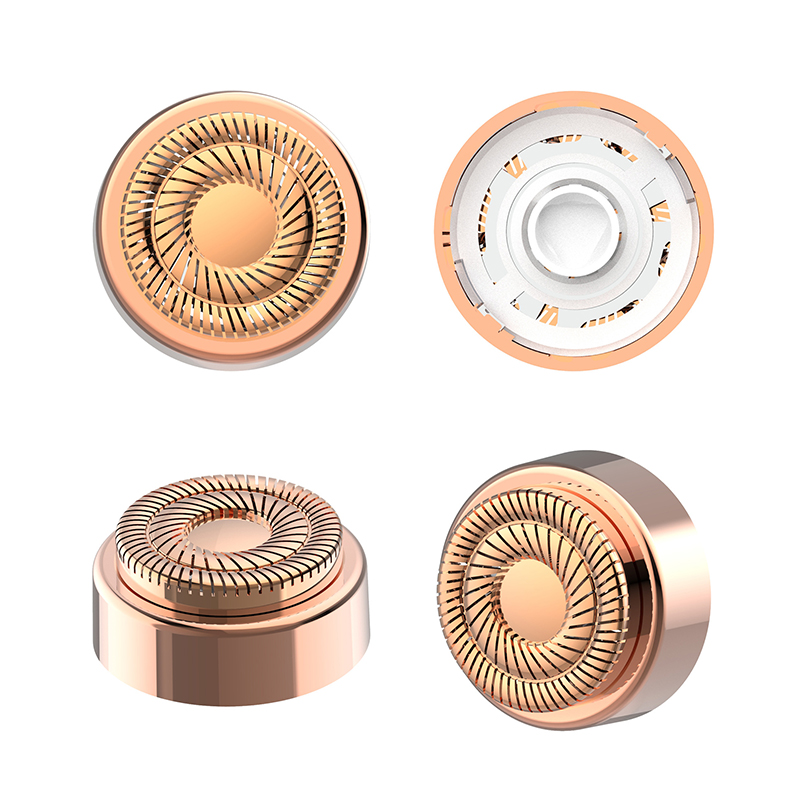 Washable shaver replacement head, electric shaver accessory head (SF-1006)1. The razor head is designed for easy cleaning, allowing hair to be effortlessly rinsed away with a simple flush.View Product →
Maintenance: The Part of Cut Risk You Control
Cutting parts should be replaced on schedule rather than when they finally fail; a foil and cutter set normally lasts about twelve to eighteen months of regular use, and noticeably less with daily shaving over coarse hair.
Cleaning is the other half of the job. Hair dust, skin oil and dried gel pack the space between foil and cutter, which changes the running gap and pushes you to press harder to get a clean result. A fully washable, sealed head can be rinsed under a tap in seconds, which is why this kind of maintenance actually happens instead of being postponed.
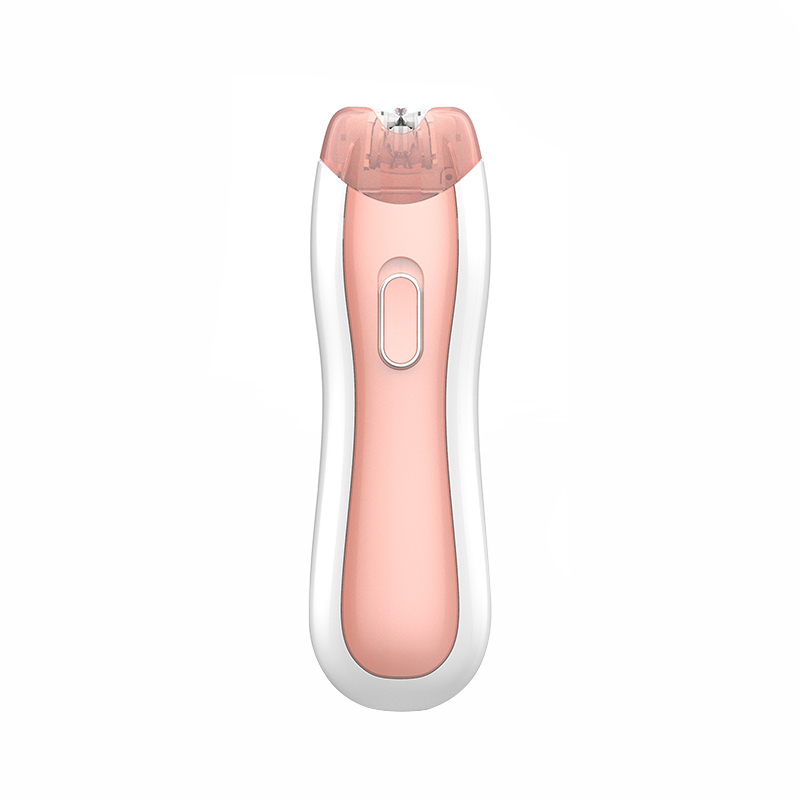
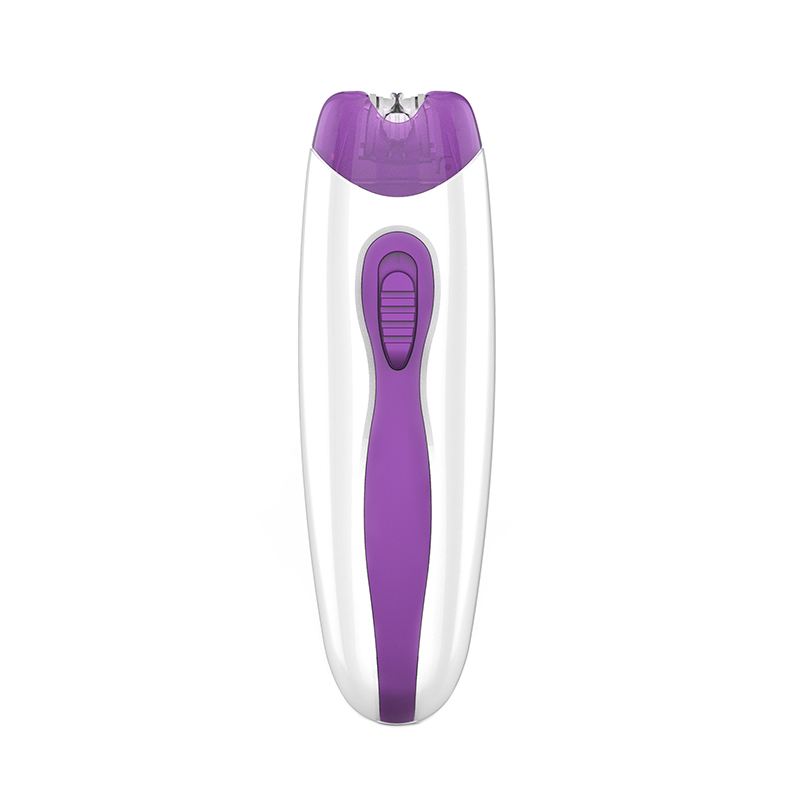
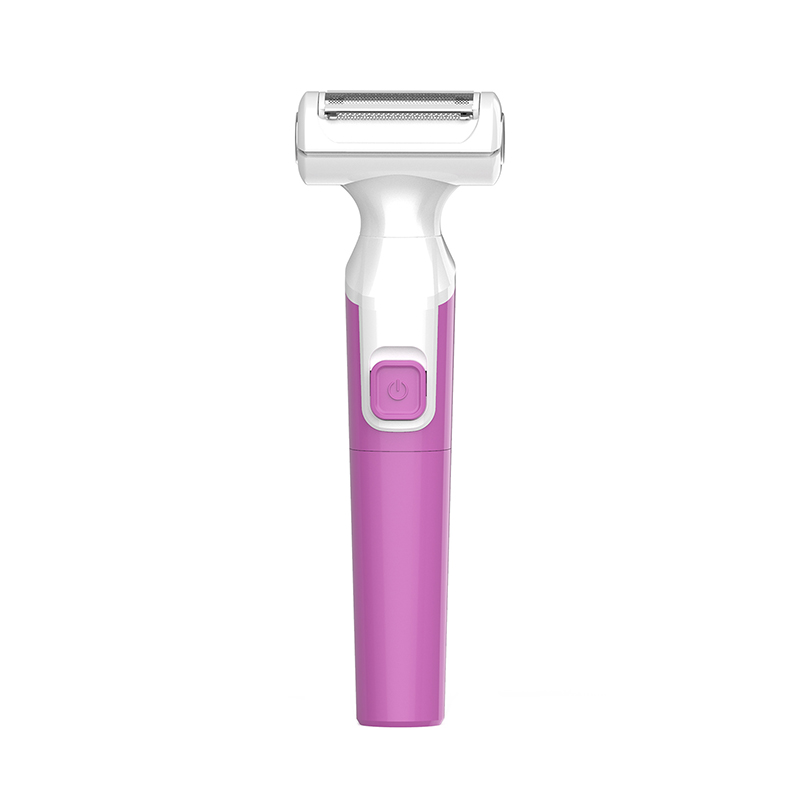 Full body washable multifunctional electric shaver (SF-2200)Take Care Of Your SkinView Product →
If your routine is daily and covers more than the face, a washable body is the practical choice: rinse the head, dry it on a towel and put it away without residue hardening between the blades. That single habit protects both shave quality and skin.
Where Blade Design Decides Cut Risk
Blade geometry, not motor power, decides whether a head glides across skin or catches it.
Three details do most of the work. Rounded or arc-shaped blade tips slide over skin instead of digging in. A wrapped or partly enclosed housing leaves only the cutting edge exposed, which is why wrapped designs are common on trimmers used close to the eyes. A power recovery function keeps the cutter moving through dense hair, so the blade does not stall and tug, which is exactly the moment users instinctively push harder. The design reasoning behind the wrapped blade approach is explained in this breakdown of wrapped blade safety.
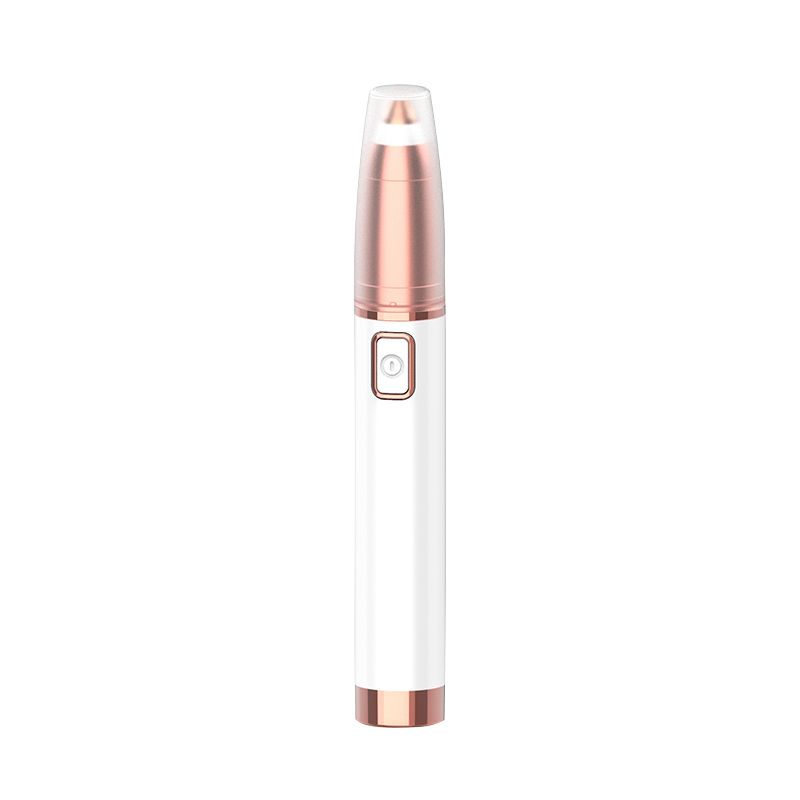
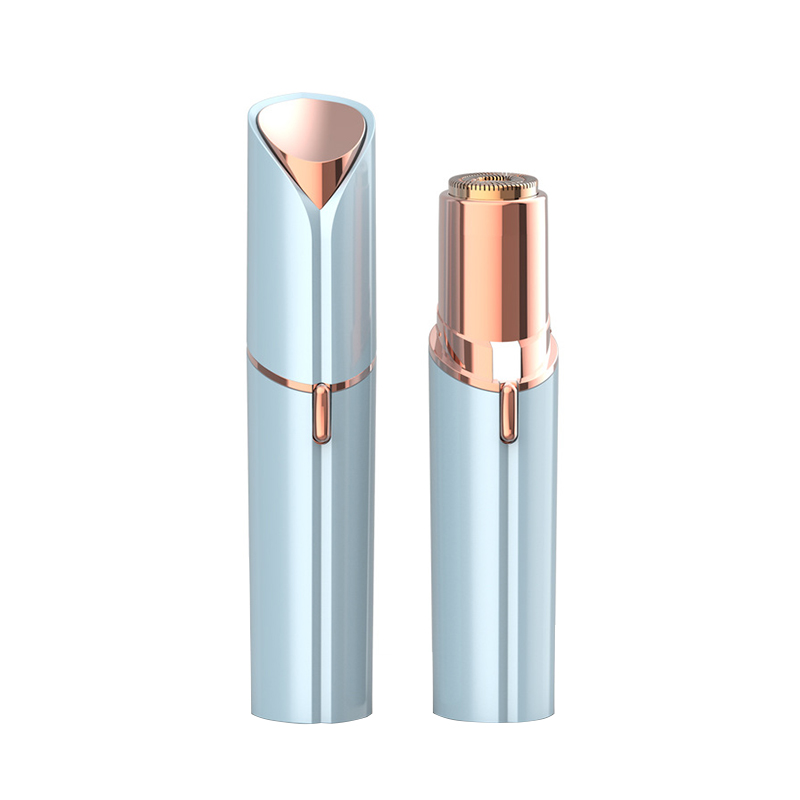
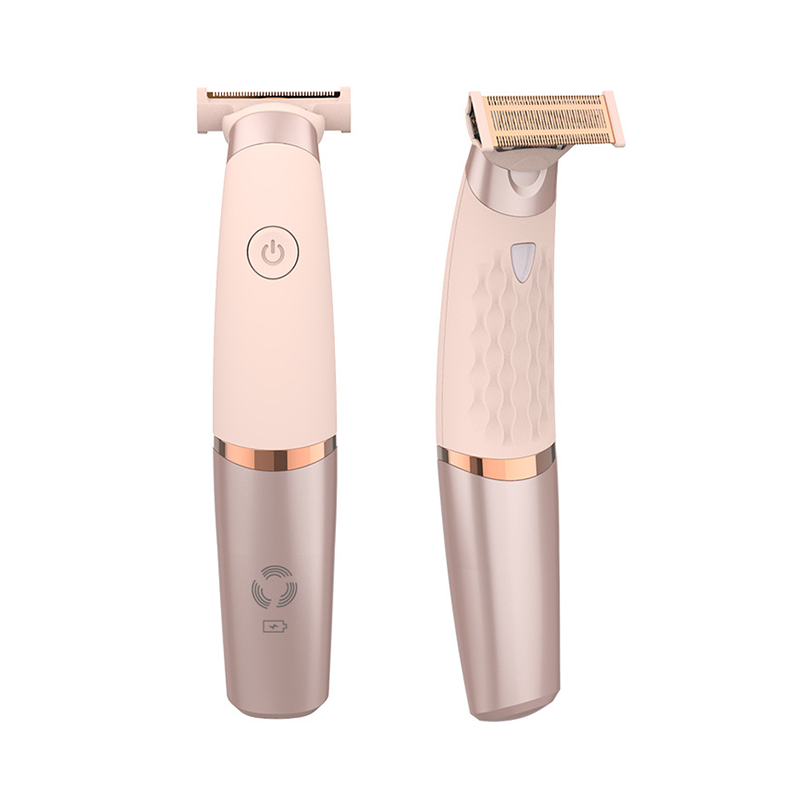 Women's multifunctional electric shaver, lip hair, armpit hair, leg hair private part shav1. Wrapped blade, the blade is tightly locked in the opening of the blade to isolate the skin from direct contact with the blade.View Product →
The same thinking applies to a multi-area shaver: a guarded head for the lip, underarm and leg areas leaves fewer places for a fold of skin to slip into the cutter.
Sensitive Skin: Cuts, Irritation and Razor Bumps
Redness after shaving is usually irritation rather than a cut, and the two need different responses.
A cut breaks the skin and bleeds; irritation is inflammation of intact skin and shows up as redness, warmth and stinging. Friction, a dull cutter and dry skin cause irritation, and shaving over the same patch again only adds friction. Read the symptom before you react:
- A small red dot with brief bleeding: a cut, so apply pressure for a few minutes, then a plain ointment.
- Broad redness with no bleeding: friction irritation, so reduce passes, rinse with cool water and use a fragrance-free moisturiser.
- Bumps along the hairline: razor bumps or ingrown hairs, so shave with the direction of growth and exfoliate gently on the days between shaves.
If one area reacts every single time, rest it for a few days and switch to a guarded trimmer there until the skin settles.
Frequently Asked Questions
Can an electric shaver cut you?
Yes, but the injury is normally a small nick or a scratch rather than a deep cut. The blade sits behind a foil or comb, so cutting requires a damaged head, heavy pressure or a fold of skin being drawn into the opening.
Can you cut yourself with an electric shaver on your legs or bikini line?
It happens, and those are the most common sites because the skin is soft and easily folded into the head. Stretching the skin flat before each pass and using short strokes lowers the risk considerably.
Why does a brand-new electric shaver nick me?
New heads are at their sharpest, so technique matters more in the first few weeks. Pressing hard, moving quickly or passing over the same spot repeatedly will pull skin into the slots even on an undamaged foil.
Are rotary shavers safer than foil shavers?
Neither design is universally safer. Foil heads suit flat areas such as the cheeks and jaw, while rotary heads follow contours more easily, and both cut only when the head is worn, clogged or pushed too hard against the skin.
Do electric shavers cut more often than manual razors?
No. Because the blade stays behind a barrier, electric shavers produce far fewer bleeding cuts than blade razors, although they can still cause friction irritation on the neck and other curved areas.
Should I stop using a shaver that has cut me twice?
Check the head first. If the foil has a dent, a pinhole or a rough edge, replace it. If the head looks clean and intact, change your technique before replacing the appliance, because repeat nicking from an undamaged head usually points to pressure or folded skin.
An electric shaver can cut you, but the risk is small and largely self-inflicted: a damaged foil, too much pressure, or a fold of skin drawn into the head. Inspect the head, clean it after every use, replace cutting parts on schedule and keep your strokes short and light, and a device built to hold a blade away from your skin will keep doing exactly that.
For brands and distributors sourcing private-label grooming devices, understanding how blade geometry, guard design and foil tolerance are controlled in production is part of judging whether a supplier's safety claims hold up on the shelf. If that is your next project, you are welcome to contact our engineering and sales team to discuss specifications, testing reports and samples.