English
 日本語
 Español
 Deutsch



Two to four minutes on the face, eight to twelve minutes for both legs, and thirty to sixty seconds for a touch-up on the upper lip. That is the realistic answer to how long it takes to shave with an electric razor, and it holds across foil shavers, rotary shavers and trimmer-style devices. An electric razor is a small motor-driven tool that cuts hair against a perforated foil, against a rotating ring of blades, or with a row of trimmer teeth; because the motor does the cutting, shave time depends far less on how hard you push than on how quickly you can move the head across the skin without missing hair. The sections below show where those minutes actually go, what pushes you toward the top of the range, and how to bring a ten-minute routine down to five without paying for it in razor burn.
Content
- How Long Does It Take to Shave With an Electric Razor? The Short Answer
- What Actually Adds or Removes Minutes
- Body Shaving: Legs, Underarms and Private Areas
- Travel and Touch-Up Shaves
- A Five-Minute Face Shave That Actually Works
- Common Time Wasters
- Frequently Asked Questions
- Sourcing Shavers Where Shave Time Matters
How Long Does It Take to Shave With an Electric Razor? The Short Answer
A normal adult face takes two to four minutes with a clean, sharp cutting head; a full body takes fifteen to twenty minutes if you do it in one sitting. Those numbers assume one to two days of growth and a user who is not stopping halfway through to answer messages.
| Task | Typical time | What pushes it higher |
|---|---|---|
| Face shave, one day of growth | 2-3 minutes | Dull blade, dry skin, missed patches |
| Face shave, three or more days of growth | 4-6 minutes | Long hair jams a foil head; a pre-trim is usually needed |
| Head shave | 5-8 minutes | Curved surfaces, more overlapping passes |
| Both legs, full length | 8-12 minutes | Large surface area, slower strokes around knees and ankles |
| Underarms | 1-2 minutes each | Skin folds; the skin has to be stretched flat |
| Bikini line and private areas | 3-5 minutes | Careful short strokes and guard use |
| Upper lip or chin touch-up | 30-60 seconds | Almost nothing, unless the head is clogged |
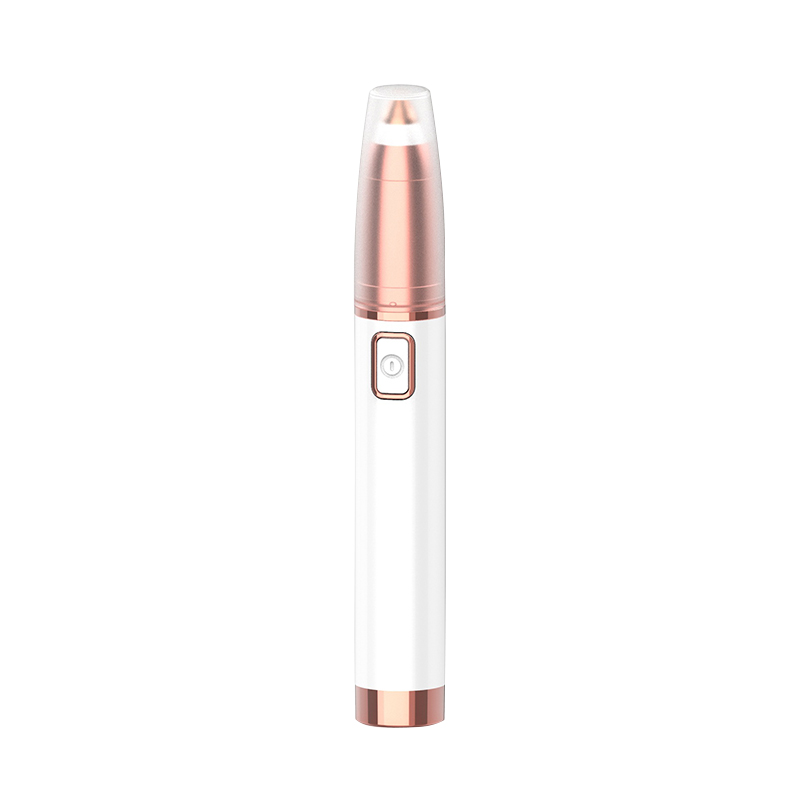
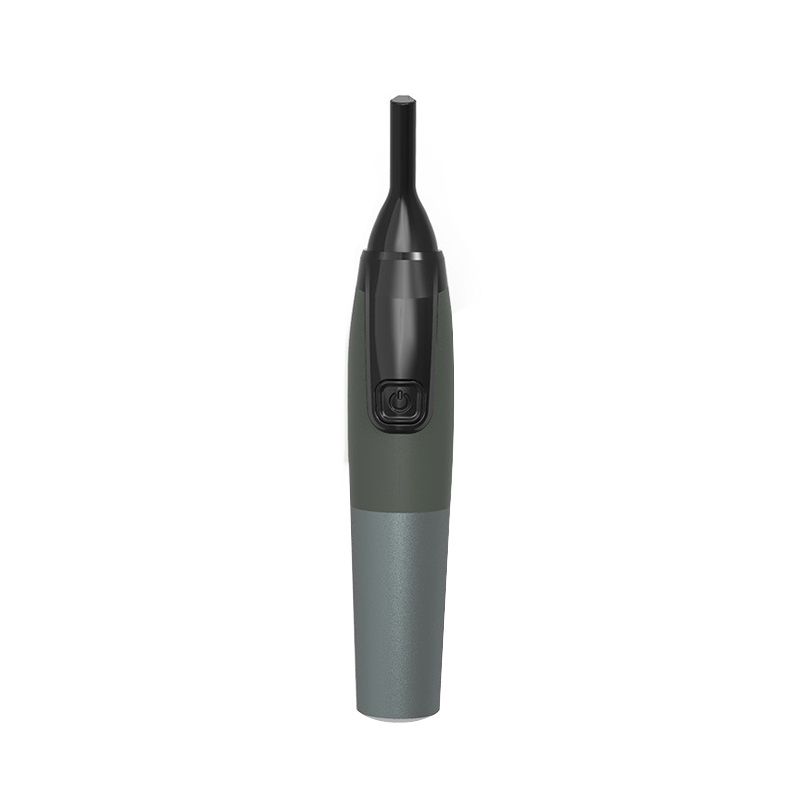
| Eyebrow or nose trim | 30-45 seconds | Precision work; damp or slippery skin slows you down |
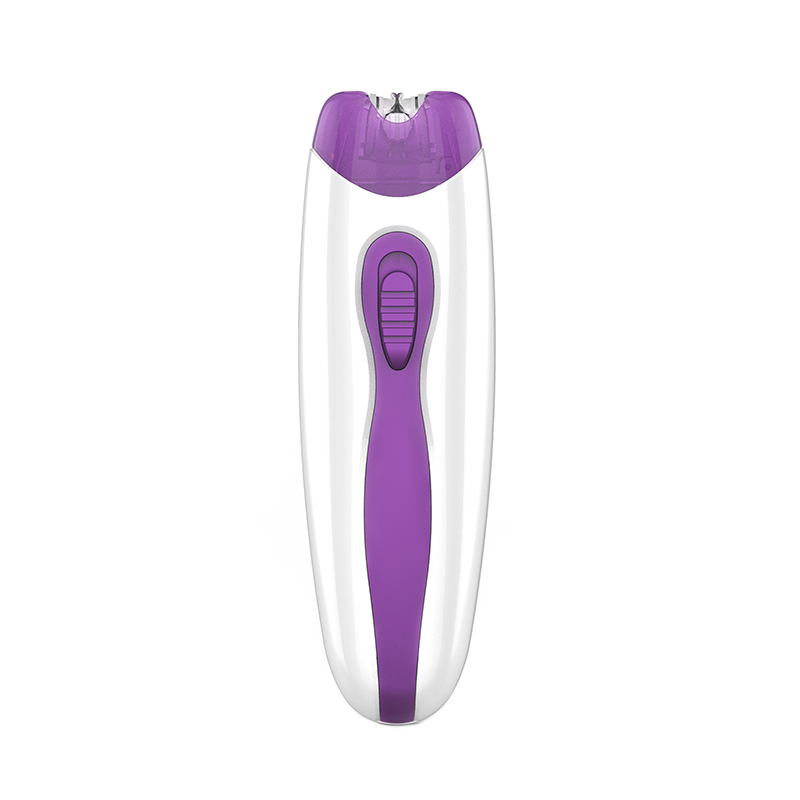
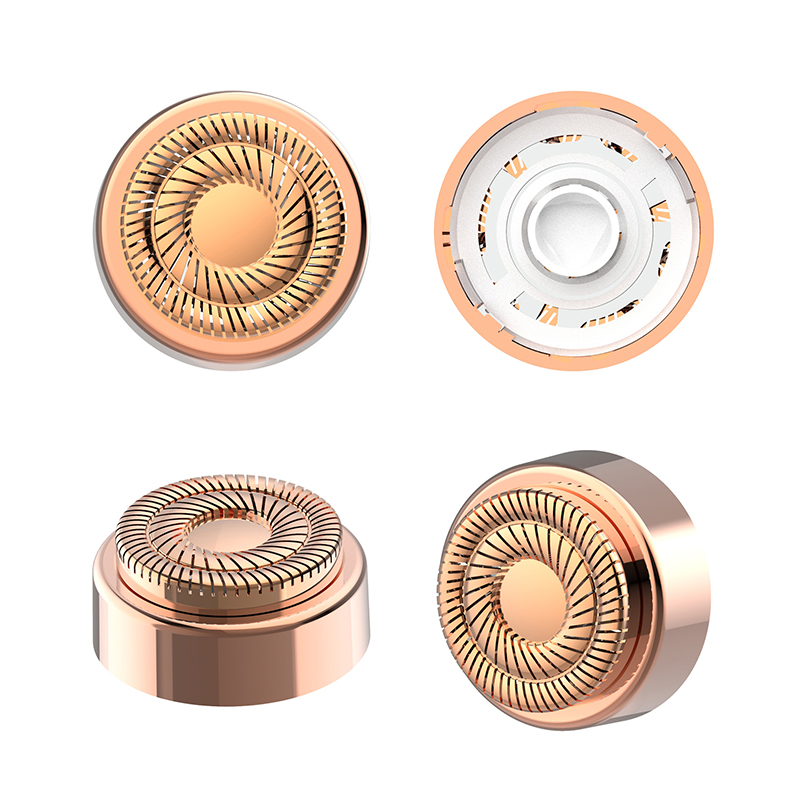
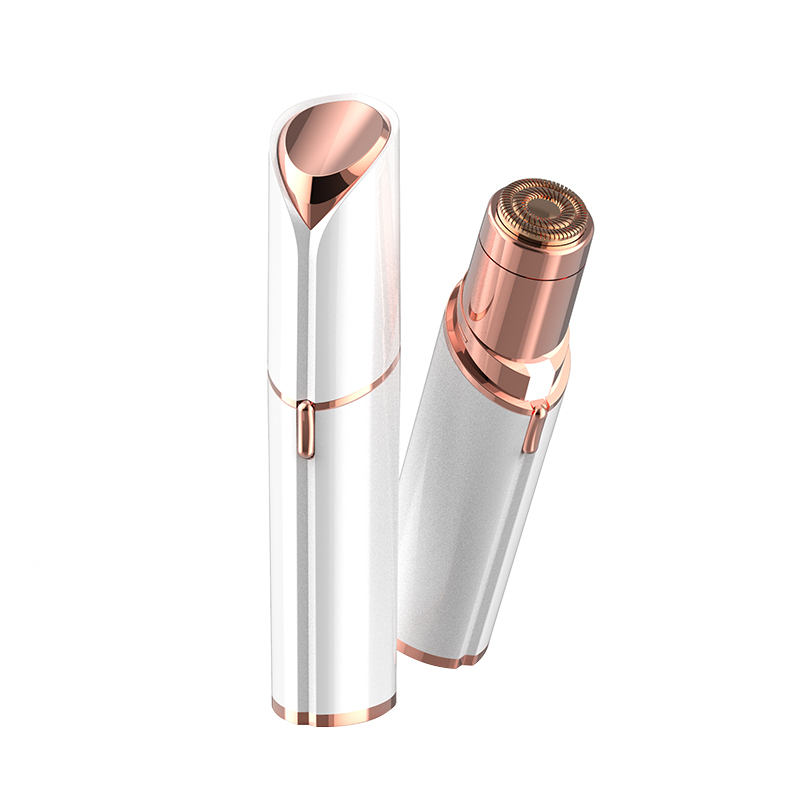
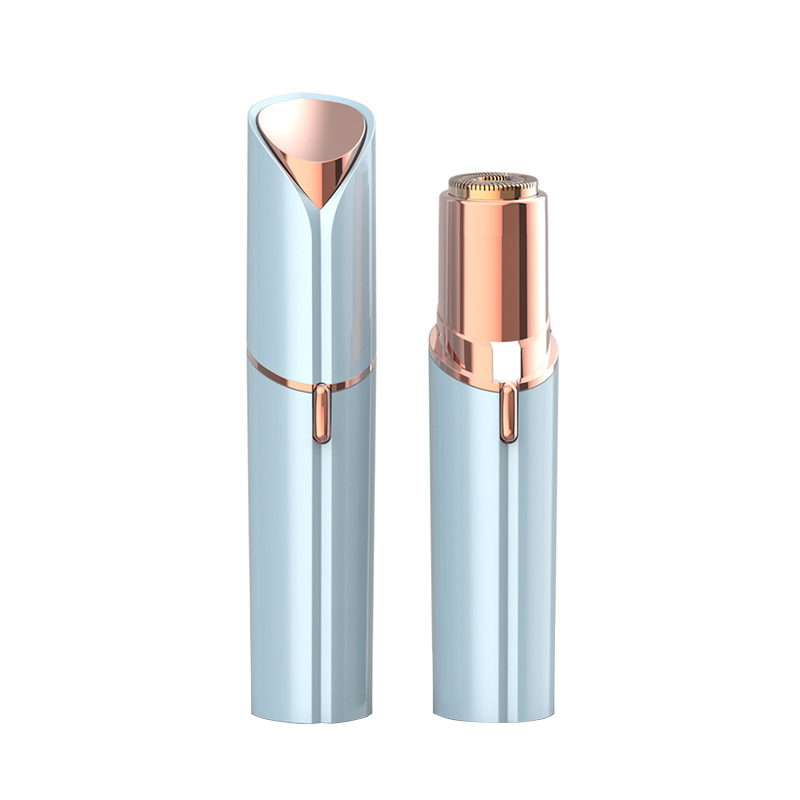 SF-1106 Washable Silent Electric Shaver with Dual-Cylinder Cutter HeadUSB-charged 3.7V shaver with 18K rose-gold dual-cylinder head, 360-degree floating, auto-lighting, washable cutter; helps daily face shaving when blade wear slows results.View Product →
The gap between a two-minute shaver and a six-minute shaver is rarely a matter of skill. It is almost always blade wear, hair length or technique, and all three are fixable.
What Actually Adds or Removes Minutes
Blade condition changes shave time more than any other single factor, and preparation changes it more than the price of the razor.
Blade condition and motor speed
When the cutting edge wears, each pass clears noticeably less hair. You feel it in your hand: the head drags, you press harder, and you go over the same patch three or four times. That easily adds one to three minutes to a face shave and far more to a leg shave, and it is the main reason a shave that used to take three minutes now takes six. Stainless cutting edges resist corrosion better than thinly coated ones, but no blade lasts forever, and most daily users notice a real slowdown somewhere between six and twelve months. Cleaning and replacing the head on schedule is the cheapest way to keep a shave short; these notes on blade sharpness and battery life explain what to check before you blame your technique.
Hair length, density and growth direction
Every extra millimetre of growth costs you passes. One day of stubble is a two-to-three-minute job for most people; three days of growth pushes the same shave to four to six minutes, because longer hair bends away from a foil or rotary head instead of entering the slots. Dense growth on the neck and jaw adds another minute, and flat-lying or swirling patterns need a second direction of travel before the skin feels clean.
Dry, wet or gel preparation
Wet shaving with gel or foam usually trims thirty to sixty seconds off a shave on coarse hair, because lubricated hair lifts and cut hair rinses away instead of packing into the head. Dry shaving wins on setup and cleanup, but on dense growth the extra passes cost more time than a splash of warm water would have.
Razor format: foil, rotary or trimmer
Format changes the numbers, but by less than most buyers expect.
| Format | Fastest on | Typical face shave | Watch out for |
|---|---|---|---|
| Foil shaver | Straight, coarse growth; upper lip and jawline | 2-3 minutes | Struggles past three days of growth without a pre-trim |
| Rotary shaver | Neck contours, softer growth, sensitive skin | 3-5 minutes | Slower on the upper lip, more passes on long hair |
| Trimmer with guard | Body hair, beards, quick touch-ups | 1-3 minutes | Leaves visible stubble; not a close shave |
| Epilator or hair puller | Fine facial hair, longer-lasting result | 3-8 minutes on first use | Discomfort in early sessions and not for every skin type |
Body Shaving: Legs, Underarms and Private Areas
Body shaving takes longer than face shaving simply because there is more surface to cover: plan on eight to twelve minutes for both legs, one to two minutes per underarm and three to five minutes for the bikini line. A few habits keep that inside the range.
- Shave after a warm shower. Softened hair cuts in fewer passes than hair on cold skin.
- Stretch the skin flat with your free hand so the head can sit against a level surface.
- Use a guard or a trimmer for the private area rather than a bare foil head.
- Work in sections, one lower leg then the other, instead of travelling up and down.
- Rinse the head every minute; body hair fills the slots far faster than facial hair.
- Choose a fully washable model if you prefer to shave in the shower, because rinsing under the tap is much quicker than brushing out a dry head.
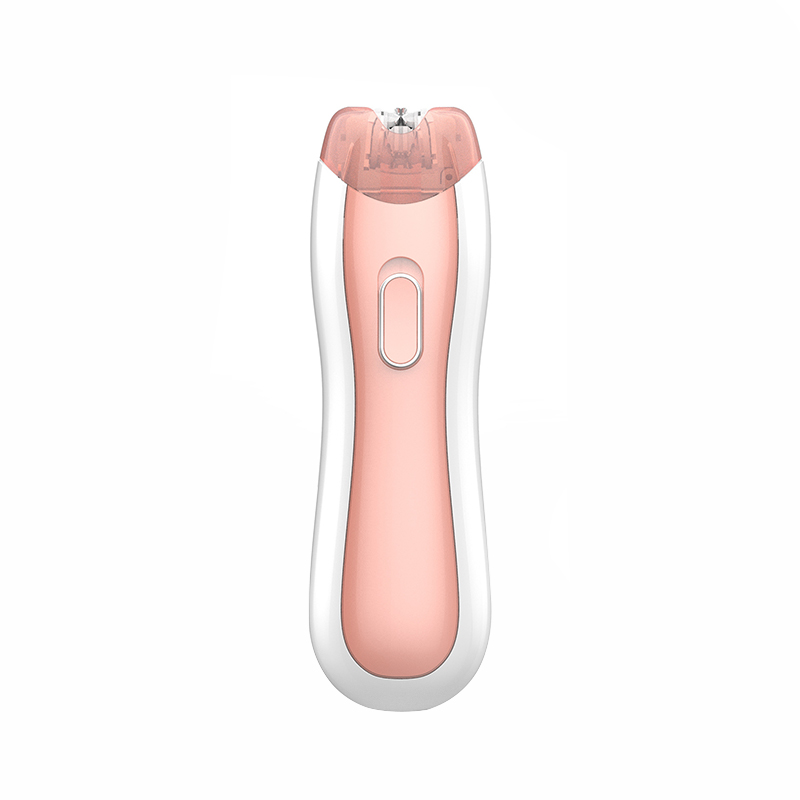
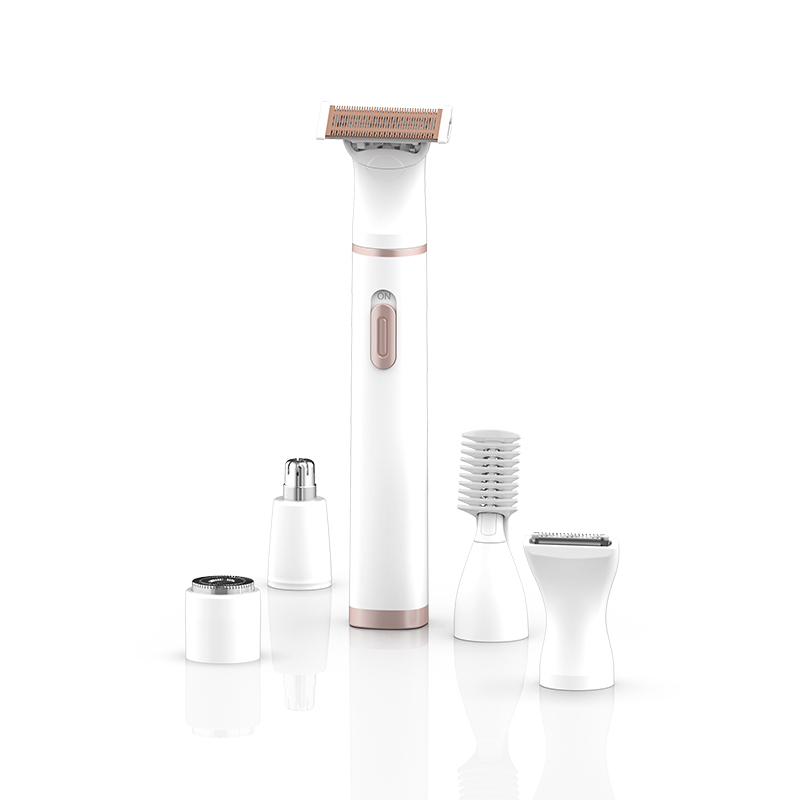
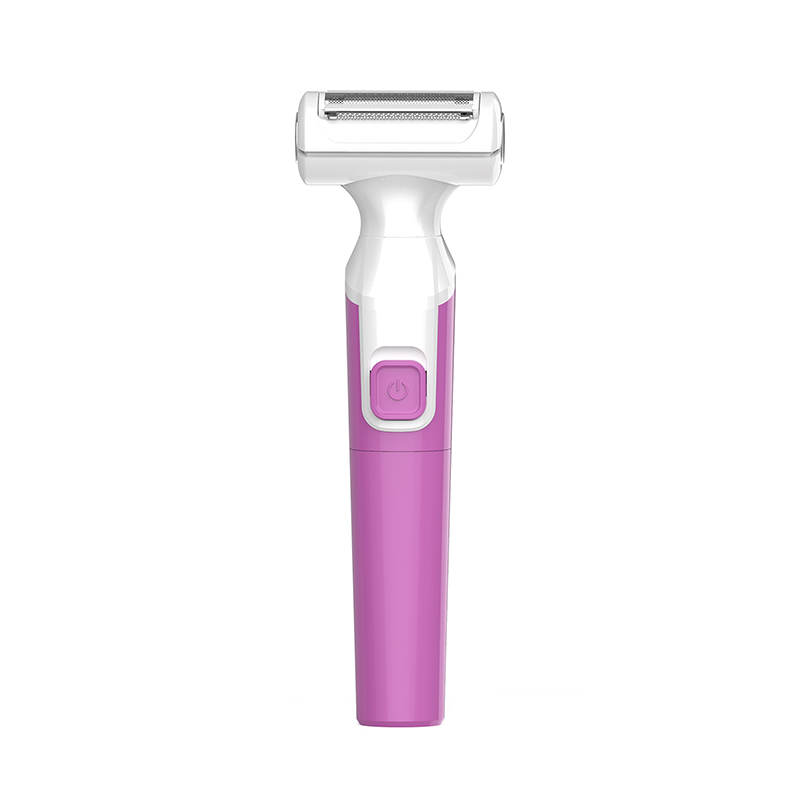 SF-2200/SF-2200T Full Body Washable Multifunctional Electric ShaverPink AA-battery shaver with three-blade mesh, curved and straight razor, curved comb trimmers, quiet wet/dry washable body; useful for longer body-shaving sessions.View Product →
On longer body hair, trimming first and shaving second is faster overall than forcing a close head through several centimetres of growth.
Travel and Touch-Up Shaves
On the road, most people shave in under ninety seconds: a partial pass over the jawline and neck before a meeting, not a full shave. Pocket-sized shavers make that practical because the whole routine fits in a wash bag and needs no sink, no gel and no mirror. A single-head mini shaver with USB charging typically covers several touch-ups per charge, which is enough for a short trip; plan a little more time on the first morning until you are used to the smaller head size.
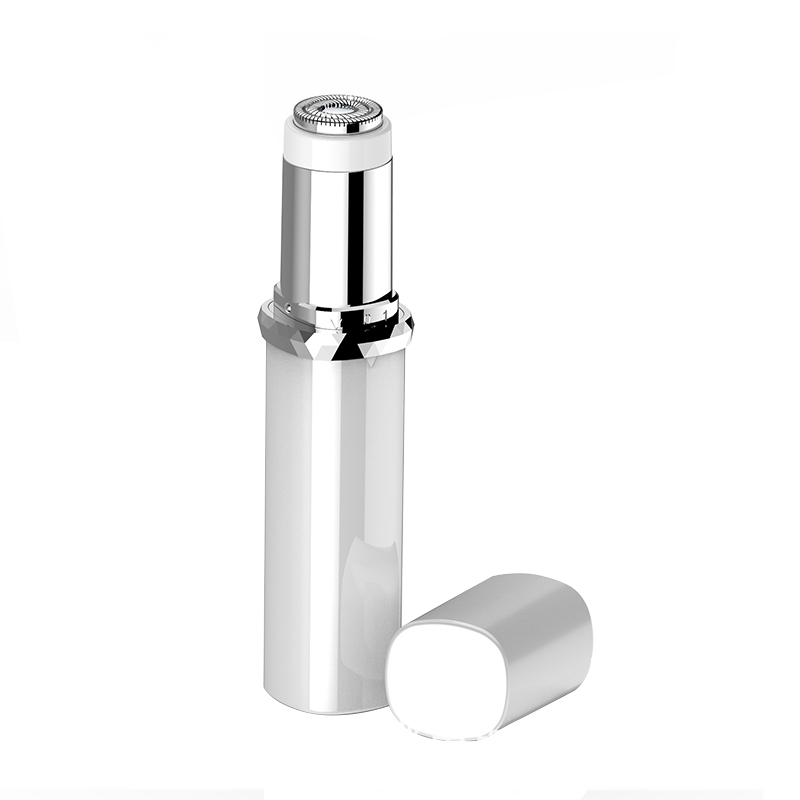 SF-1005 Men's Mini Portable Electric Shaver with Double-Ring Floating BladeCompact 1.5V AA-battery shaver with double-ring floating blade, auto light-fill, hidden rotary switch, and washable removable cutter head; suited to quick travel touch-ups.View Product →
If travel days are your main shaving days, a compact model will usually beat a full-size shaver on total time, even though it is slightly slower per pass.
A Five-Minute Face Shave That Actually Works
Five minutes is enough for a clean, comfortable face shave if the order of operations is fixed.
- Rinse or brush the head under warm water, about ten seconds.
- If growth is longer than roughly 1.5 mm, run a trimmer over the beard first; this alone can save two minutes of shaving.
- Wash your face or take a shower, then leave the skin slightly damp.
- Shave in the same order every time: cheeks, jaw, chin, neck, upper lip.
- Use short overlapping strokes of two to three centimetres and let the head do the work instead of pressing.
- Feel for stubble with your fingers rather than hunting for it in the mirror; mirrors exaggerate what remains.
- Rinse the head, dry it, and finish with a light balm.
Common Time Wasters
- Re-shaving the same patch to chase a closer finish, which irritates skin without removing more hair.
- Pressing hard when the blade feels dull, instead of replacing the head.
- Skipping the pre-trim on multi-day growth.
- Shaving a cold, dry, unwashed face.
- Leaving hair and cream inside the head between uses, so the next shave starts clogged.
- Buying a stronger motor when what the routine actually needs is a fresh cutting edge.
Frequently Asked Questions
Can you shave with an electric razor in under a minute?
Only for a touch-up. One minute is realistic for the upper lip, the chin or the jawline, but not for a full face, because the neck and jaw alone need several overlapping passes.
Is it faster to shave every day or every three days?
Daily shaving is faster per session, at two to three minutes, but three sessions cost more total time than one four-to-six-minute shave after three days of growth. Comfort favours daily; total minutes favour a shorter interval only if your skin tolerates it.
Do rotary shavers take longer than foil shavers?
On average, yes, by about a minute on the face. Rotary heads follow the neck and jaw better and suit sensitive skin, while foil heads finish straighter, coarser growth on the upper lip and chin more quickly.
Does shaving in the shower save time?
It can save thirty to sixty seconds, because warm water and steam soften hair and the head rinses itself as you work. The saving only holds if the shaver is genuinely waterproof and you are not fumbling with gel in a confined space.
Sourcing Shavers Where Shave Time Matters
Brand owners and retailers tend to ask about shave time in a different way: will this model deliver the same two-minute shave on the thousandth use as it did on the first? Blade material, motor speed, head geometry, waterproof rating and noise level all feed into that answer, and all of them can be specified in a private-label program rather than accepted as they come. If you are planning a facial shaver, hair remover, eyebrow trimmer or foot grinder line and want the timing claims to hold up in real bathrooms, contact us to discuss specifications, samples and testing documentation.