English
 日本語
 Español
 Deutsch



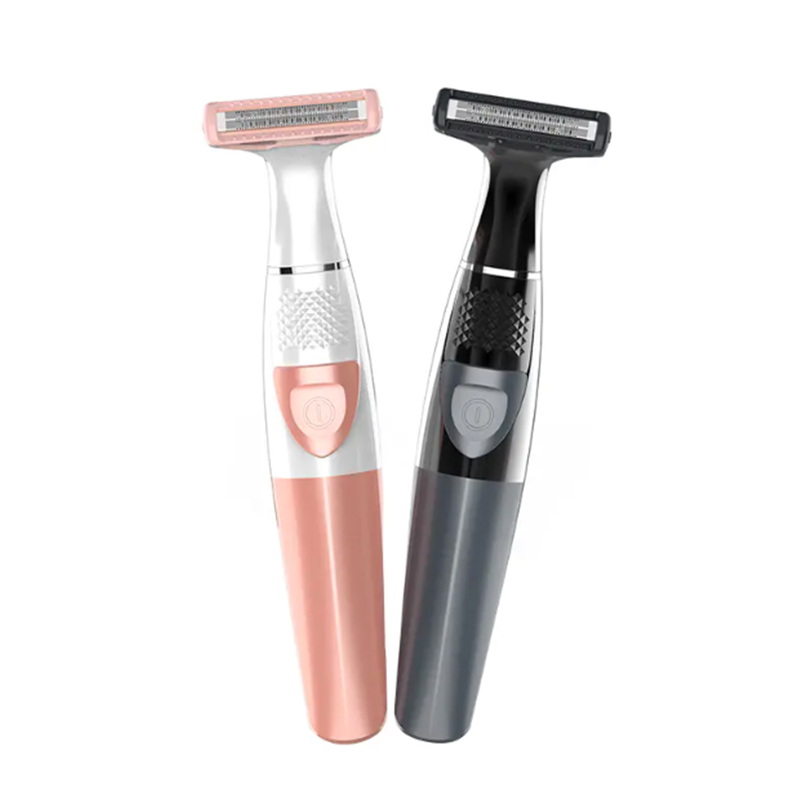
Yes, you can wet shave with an electric razor, but only with a model that is rated for it. Water alone rarely ruins a shaver on the first attempt; water plus time does. Gel and foam creep into seams, the cutters stay damp between uses, and steel that was never meant to touch liquid starts to corrode. A dry-only shaver used with foam twice a week often survives a month, then fails at the charging contacts, the power switch or the motor seal.
Wet shaving means using water plus a lubricant, such as gel, foam or soap, instead of shaving dry. On a manual razor that is simply the normal method. On an electric razor it is a feature you have to buy: a sealed housing, gasketed electronics, and a head designed to be rinsed under a running tap. These models are labelled "wet and dry", "fully washable" or "waterproof", and the manual states a water-resistance level.
Check the rating first, then decide how you shave. What follows is how those ratings differ in practice, a wet routine that works, how different head types behave under foam, the failure modes to watch for, and how to clean the razor so the water you just used does not shorten its life.
Content
- Every Electric Shaver Sits in One of Four Water Categories
- How to Wet Shave With an Electric Razor, Step by Step
- Foil, Rotary and Epilator Heads Behave Differently Under Foam
- What Goes Wrong, and How Fast
- Cleaning and Drying Decide the Service Life
- Travel, Shared Bathrooms and Quieter Machines
- Frequently Asked Questions
Every Electric Shaver Sits in One of Four Water Categories
Only the last of those categories is built for a genuine wet shave with gel or foam. The label is the contract: if the manual does not say you can shave with water, you cannot.
| Rating on the box | What it actually allows | Shave with gel or foam? | Typical failure if you ignore it |
|---|---|---|---|
| Dry use only | Wiping the head with a dry brush or cloth | No | Rust at the battery contacts and switch |
| Washable head | Removing the cutter block and rinsing that part alone | No | Foam pushed into the shaft seal; stiff, noisy motor |
| Water resistant (often IPX4) | Splashes and brief rinsing, no immersion | Only if the manual says so | Moisture in the charging port |
| Wet and dry / fully washable (IPX5 to IPX7) | Shaving with gel or foam, rinsing the whole unit, some allow shower use | Yes | Dried gel inside the cutter if you skip the rinse |
The gap between the middle two rows is where most disappointment happens. "Washable head" usually means the cutter block lifts off and can be rinsed while the motor housing stays dry, and foam does not respect that boundary. Vibration pushes it up into the shaft seal, where it dries into a film that slowly stiffens the mechanism. A water-resistance rating describes surviving an accident, not a daily routine.
Two quick checks before you buy: look at the charging port and the power switch. On a true wet-and-dry shaver both are covered by rubber plugs or membrane seals. An open USB-C socket means splash-resistant at best, whatever the packaging implies.
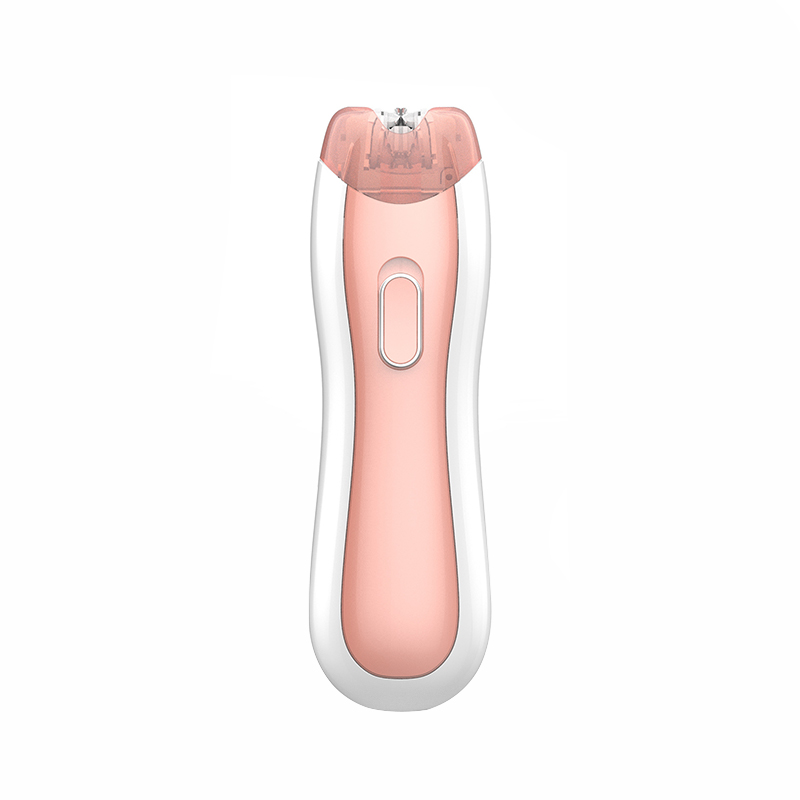
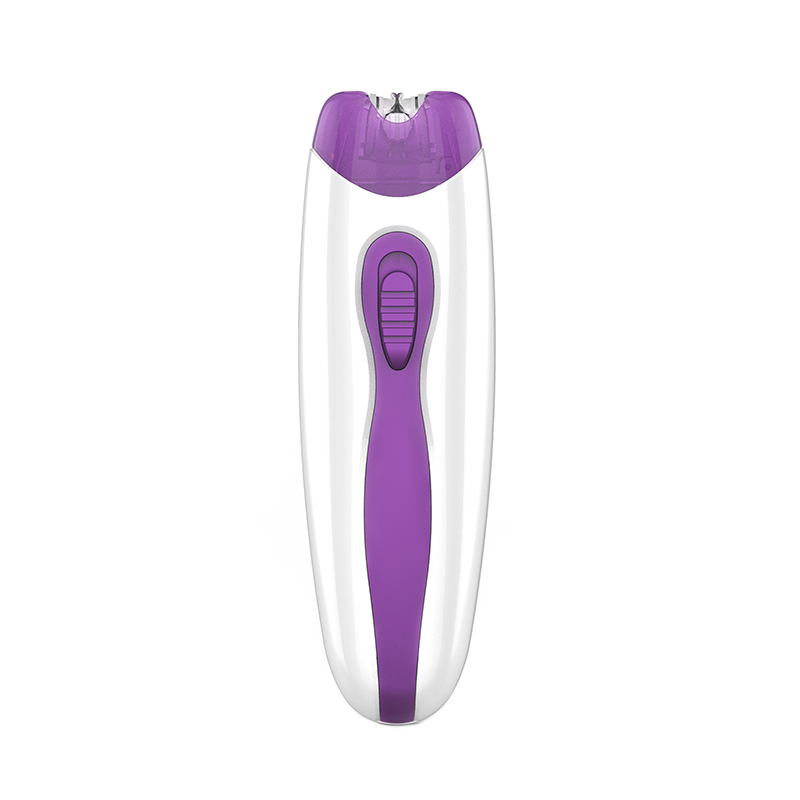
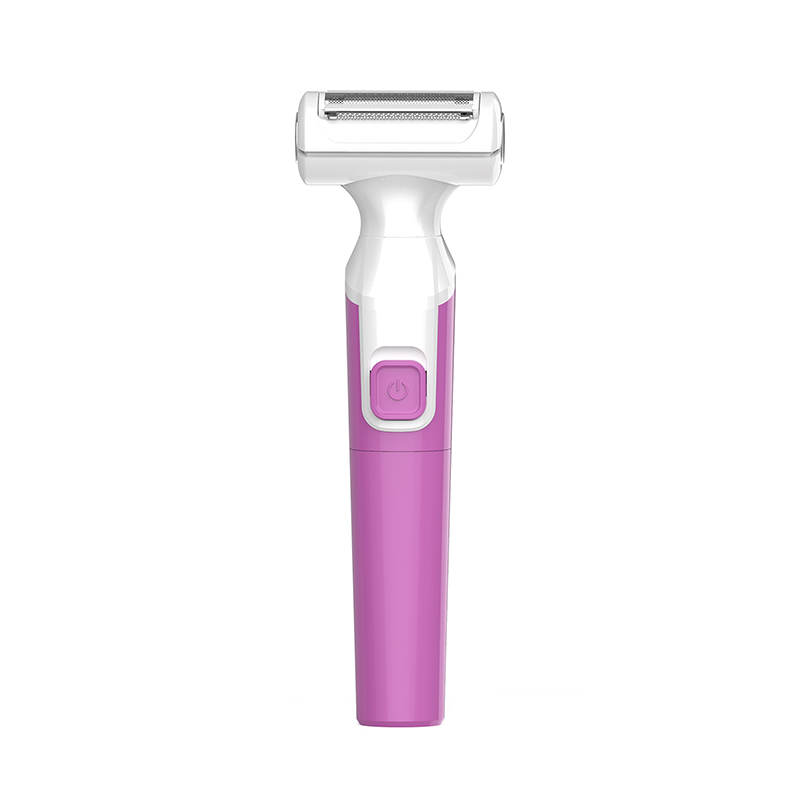 Full Body Washable Multifunctional Electric Shaver SF-2200 / SF-2200TA wet-and-dry washable multifunctional electric shaver with three-blades-in-one head and quiet operation; rinse body and cutter head under a faucet.View Product →
How to Wet Shave With an Electric Razor, Step by Step
The technique sits closer to a manual shave than to a dry electric shave, with one difference: the motor still does the cutting.
- Charge the razor fully. A slow motor tugs instead of cutting, which is the main cause of post-shave irritation.
- Warm and hydrate the skin first, either in the shower or with a warm cloth held over the area for two to three minutes.
- Apply a thin layer of gel or foam; a pea-sized amount is plenty, and a thick paste clogs the cutter.
- Use light pressure: small circles with a rotary head, short straight strokes with a foil head.
- Keep the skin taut with your free hand so the head glides instead of bouncing.
- Limit yourself to two or three passes over one spot. Extra passes buy very little closeness and cost comfort.
- Rinse the head under warm water, shake it out, and let it air-dry open or disassembled.
Pressure and pass count matter more than anything else. Pressing harder does not cut closer. It flexes the foil or lifts the rotary ring away from the skin, and both cause razor burn. A wet shave with an electric razor should take about three minutes; if it takes eight, the cutters are dull or the battery is low.
Foil, Rotary and Epilator Heads Behave Differently Under Foam
All three head types can be used wet, but each one wants a different lubricant and motion, and matching them shortens the shave.
Foil heads
A foil head works best with a thin, watery gel and short straight strokes. Foil heads trap hair between a perforated metal sheet and an oscillating blade, so thick foam lifts the foil off the skin and reduces contact. Rinse the foil every few strokes, because wet stubble sticks underneath and blocks the openings.
Rotary heads
Rotary heads tolerate thicker foam and prefer small circles. Three rotating cutters catch hair growing in different directions, which is why circles beat long strokes. They are also more forgiving along the jawline, but they need a longer rinse because foam collects between the cutters.
Epilators and trimmers
Devices that pull hair instead of cutting it should only be used wet if the model is fully waterproof. Wet hair is slippery, so you need slower, shorter passes over a small area. Rinsing afterwards matters more than it sounds: hair and skin debris left inside the head causes odour and loss of grip.
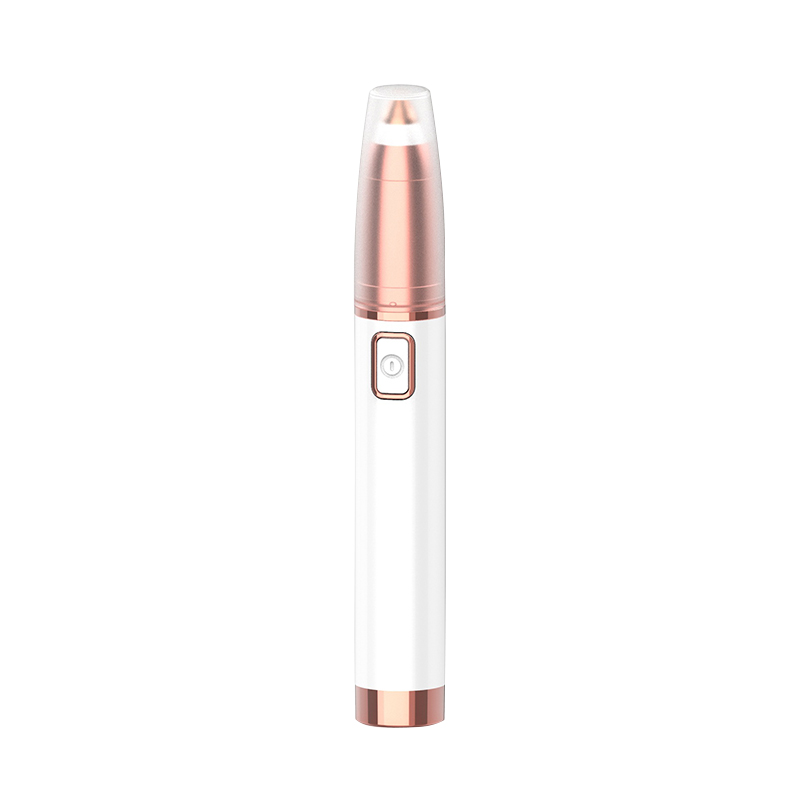
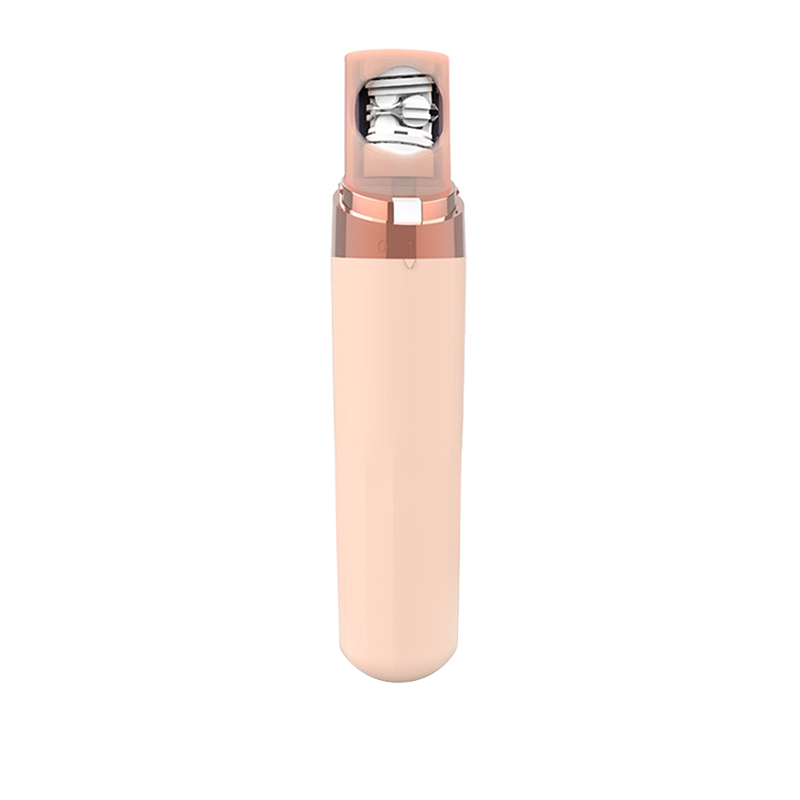
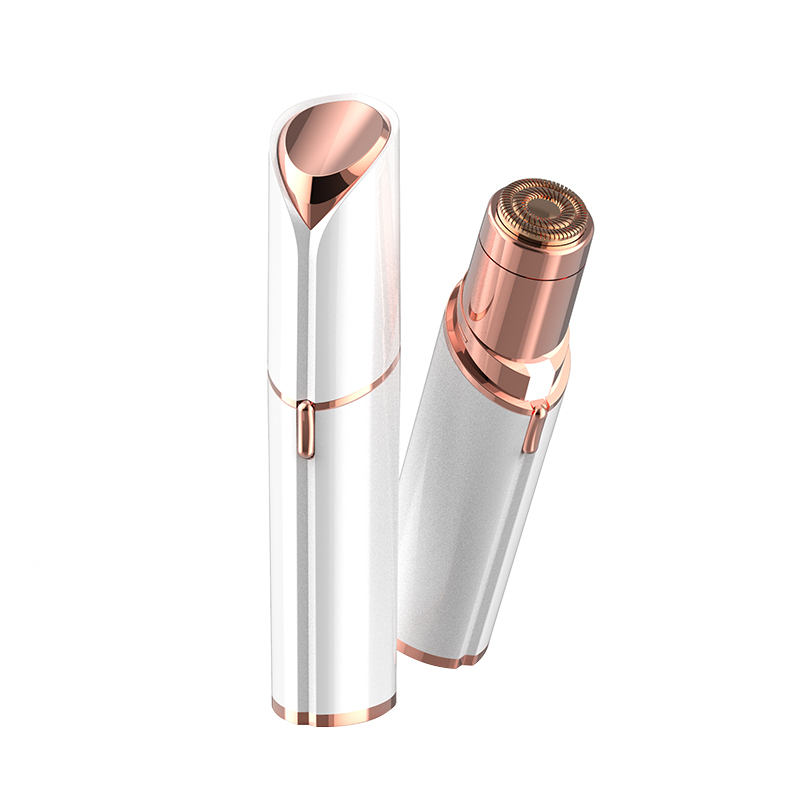
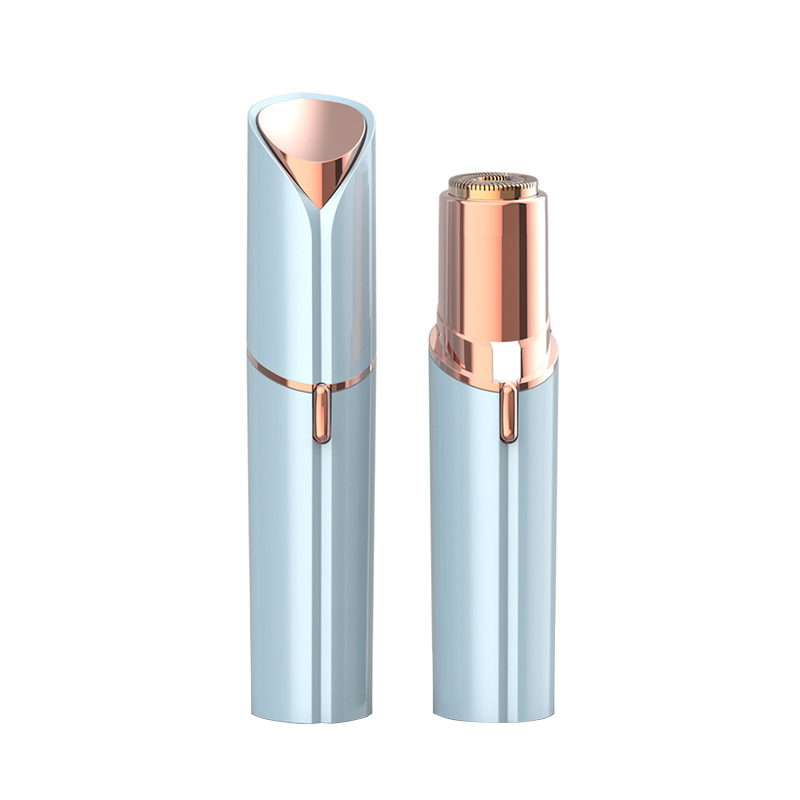
 Waterproof Painless Mini Electric Epilator / Shaver SF-1005A compact waterproof mini epilator-shaver with a washable detachable cutter head, 18K rose gold finish, and auto light for home use.View Product →
What Goes Wrong, and How Fast
Damage from wet shaving is rarely sudden; it shows up as a series of small symptoms.
- Rust on the battery contacts or charging pins appears first, often as intermittent charging within a few months of regular wet use.
- Dried gel inside the cutter head produces a stiffer, louder motor and a dragging feel on the skin.
- A cloudy film on plastic parts and a musty smell in a closed travel case mean trapped moisture, not dirt.
- A slippery handle is a genuine safety issue in a shower, and a dropped razor usually lands on the foil.
- Redness and ingrown hairs usually point to too much pressure or a dull blade, and they match the irritation profile of other powered facial hair removers.
A quick diagnostic: if the cutter head smells sour once it has dried, foam residue is sitting where it should not be, and the razor needs a deeper clean rather than a longer rinse.
Cleaning and Drying Decide the Service Life
Rinsing is not cleaning. A wet shave leaves a film of soap, skin cells and cut hair inside the head, and that film is what wears out the seals.
- Remove the head and rinse both sides under warm running water for 15 to 20 seconds.
- Clear compacted hair from the corners with the brush while the parts are dry, not wet.
- Shake out the water and let everything air-dry separately; a wet razor stored in a closed case grows mould fastest.
- Add one drop of light machine oil to the cutter every few weeks if the manual recommends it.
- Wipe the body dry and close the charging seal once the port itself is dry.
A genuinely washable body is easier to maintain because every part can go under the tap, and the washable design changes how much maintenance the razor needs over time. On a rinse-only head, the seal is the one part you cannot inspect, so the cleaning routine is your only protection.
In a hotel bathroom or a shared flat, a wet shave adds two constraints: noise, and water you cannot control. A razor running at six in the morning carries through a wall, and a splash-resistant unit has no business sitting on a shared shower shelf.
A washable silent shaver covers both needs, because the whole unit can be rinsed and the motor is tuned for quiet early-morning use:
 Washable Silent Electric Shaver SF-1106 with USB ChargingA quiet washable electric shaver with dual-cylinder 360-degree floating head, USB charging, and detachable rinseable cutter head for facial shaving.View Product →
For travel, check the rating before you pack, and never store a damp head in a washbag next to other toiletries.
Frequently Asked Questions
Can I use shaving cream with a dry-only electric razor?
Not safely. Foam flows past the head into the housing, and the residue left behind attracts moisture and stiffens the mechanism. If the razor is marked dry use only, keep it dry.
Is a wet shave closer than a dry one with an electric razor?
Usually yes. Water swells the hair and gel holds it upright, so the cutter meets each hair at a better angle. The gain in closeness is modest, but comfort improves noticeably.
Can I take an electric razor into the shower?
Only if the manual allows shower use. IPX7 means the unit tolerates brief immersion, while IPX4 covers splashes and nothing more, so read the exact wording rather than the headline claim.
Does water dull the blades faster?
No. Water does not dull hardened steel; it corrodes the parts that were never sealed. Rinse and dry the head properly and blade life is essentially unaffected.
Gel or foam for an electric razor?
Gel, in most cases. It is thinner, so the head stays closer to the skin, and it rinses out of the cutter far more completely than dense foam does.
Wet shaving with an electric razor comes down to one question: was this razor built to get wet? If the answer is yes, water plus gel gives a closer and more comfortable shave, provided you rinse the head and let it dry properly afterwards. If the answer is no, a dry shave with a clean, sharp head will always beat a rusted motor and a stiff cutter.