English
  日本語
日本語
 Español
 Deutsch



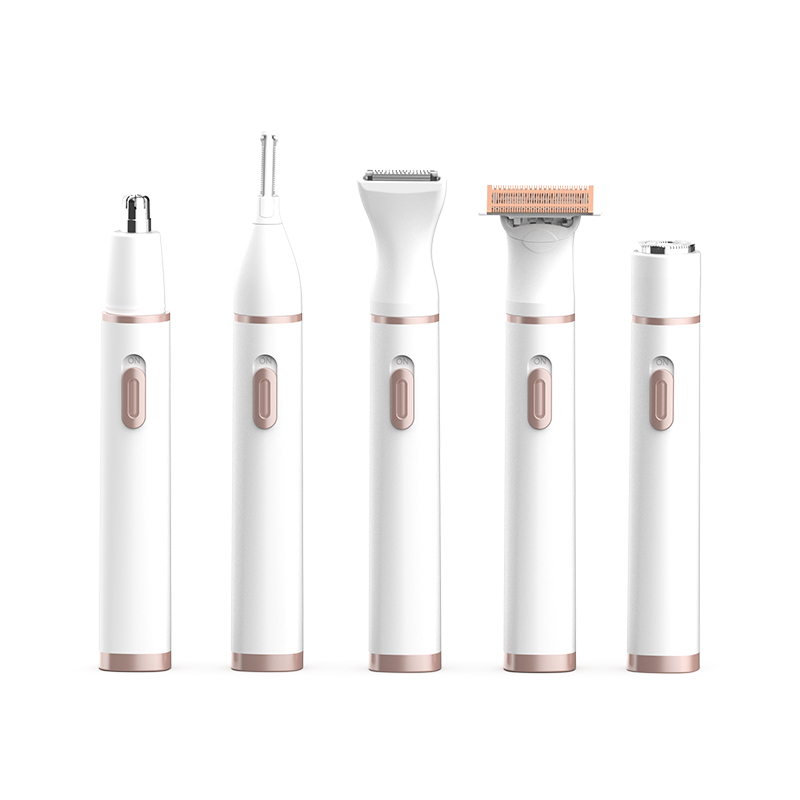
Yes — a men's electric shaver will cut leg hair, and you can use one on your legs today without harming your skin, provided three conditions are met: the hair is trimmed short first, you use almost no downward pressure, and you clean the head before it clogs. What a men's shaver cannot do is match a purpose-built leg shaver on speed, comfort or its tolerance of long, fine hair. So the honest answer is "yes, but it is a compromise," and the size of that compromise depends entirely on which head design you own.
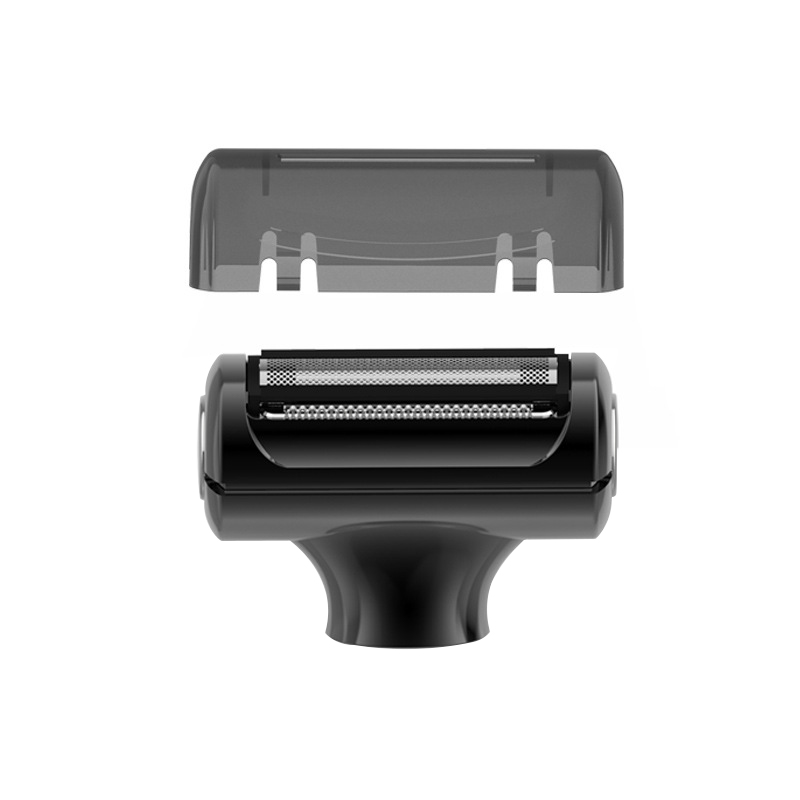
Definitions first, because the terms get mixed up constantly. A foil shaver uses a thin perforated metal screen with oscillating cutters running underneath; a rotary shaver uses two or three spinning circular blades that trap hair against a slotted ring. Both cut hair at or just below skin level. A leg shaver or body shaver is the same core technology, but the cutting head is wider, the blade geometry is tuned for longer and finer hair, and the handle is shaped for long sweeping strokes across a shin, knee or ankle.
Content
Why a Face Shaver Behaves Differently on Leg Hair
The short answer is that face hair and leg hair are different raw materials, so a tool optimised for one is only partly optimised for the other. Face hair is short, dense, coarse and confined to a compact area; leg hair is longer, finer, sits at a shallower angle, and covers many times the surface area of a jawline. That single difference explains almost every practical problem people run into.
Longer hair and the clogging problem
Foil heads cut most efficiently when hair is roughly 1 to 2 mm long. Leg hair above the knee is often longer than that, and long fibres tend to fold over the perforated screen instead of passing into it. The result is repeated passes over the same patch, extra friction, and a head packed with clippings that stops cutting cleanly. Trimming the legs down to about 3 mm with a trimmer comb before you shave removes most of this problem at the source.
Flat surfaces, long strokes and pressure
A face shaver is designed for small circular motions over tight contours; a leg rewards long, straight strokes. When people switch a face shaver to their legs, they instinctively press harder to make up for the small head — and pressure, not the blade itself, is what causes razor burn, nicks and ingrown hairs. The counter-intuitive fix is to use less pressure and accept a second, faster pass.
Foil vs Rotary on Legs: What the Head Shape Actually Changes
The conclusion up front: if your leg hair is long, a rotary head copes better; if your hair is already short and your skin is reactive, a foil head is usually gentler. Everything else is a matter of degree.
| Consideration | Foil head | Rotary head |
|---|---|---|
| Ideal hair length | Short regrowth, roughly 1 to 2 mm | Tolerates slightly longer hair, up to about 3 mm |
| Long strokes over a shin | Moderate — the screen can drag on skin | Better — multiple heads glide over the surface |
| Knees and ankles | Good on flat skin, less forgiving on bone | Follows contours more easily |
| Clogging risk | Higher with untrimmed hair | Lower, but heads must be opened to clean |
| Irritation on sensitive skin | Lower when hair is short and pressure is light | Higher if the user presses down |
| Routine cleaning | Flat heads rinse quickly under a tap | Each cutter assembly needs separate rinsing |
If you want to see how these trade-offs compare with waxing, cream depilatories and manual razors, the comparison of electric hair removal against traditional shaving and waxing covers the same ground in more detail.
How to Try a Men's Shaver on Your Legs Safely
The safest way to test the idea is to follow a fixed sequence rather than improvising. Work through these steps once, and you will know within ten minutes whether the tool suits your hair and skin.
- Trim the legs to roughly 3 mm with a trimmer comb. At this length the shaver cuts rather than tugs.
- Shave on clean, dry skin unless the shaver is rated for wet use — a thin layer of shave gel only helps if the head is genuinely waterproof.
- Start below the knee with long, straight strokes, moving against the grain.
- Use no downward pressure at all. Let the weight of the head do the work and go over any missed patch a second time.
- Rinse or tap out the head every 30 seconds. Clippings reduce cutting efficiency far more than a dull blade does.
- Moisturise afterwards and skip exfoliating acids or scrubs for 24 hours.
One hygiene rule matters more than any technique: do not share a shaver between a face and legs without cleaning it thoroughly in between. Fine body hair and skin cells left in the head are the usual cause of irritation and breakouts on the second use.
When a Dedicated Leg Shaver Is the Better Tool
If you shave your legs more than twice a week, a face shaver stops being a clever shortcut and becomes a slow, irritating one. A leg shaver earns its place on three practical counts: a wider head that covers more skin per stroke, blade geometry that accepts longer and finer hair, and a handle angled for sweeping downward motions rather than small circles.
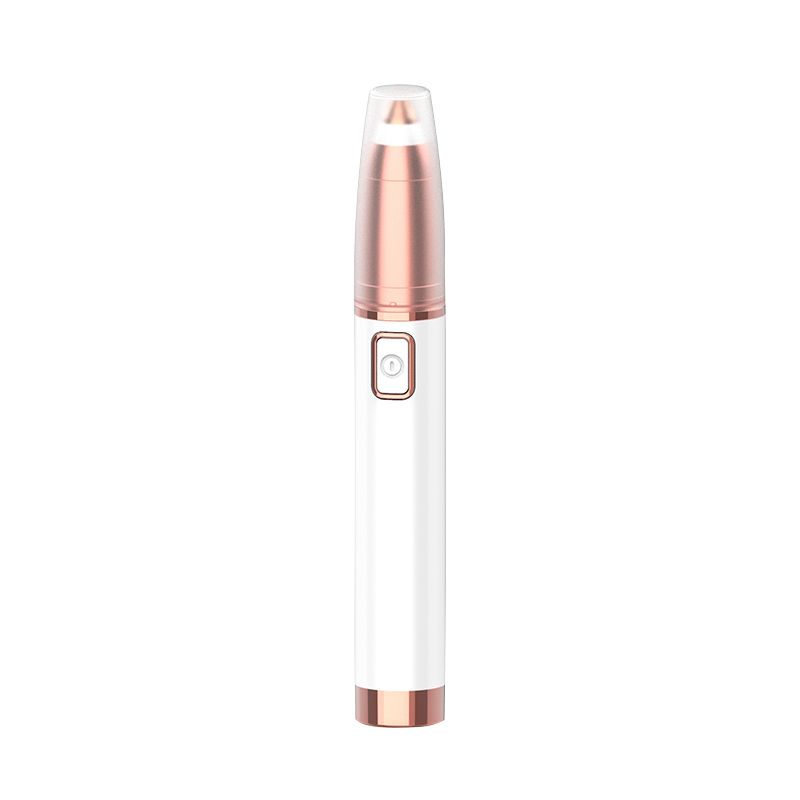
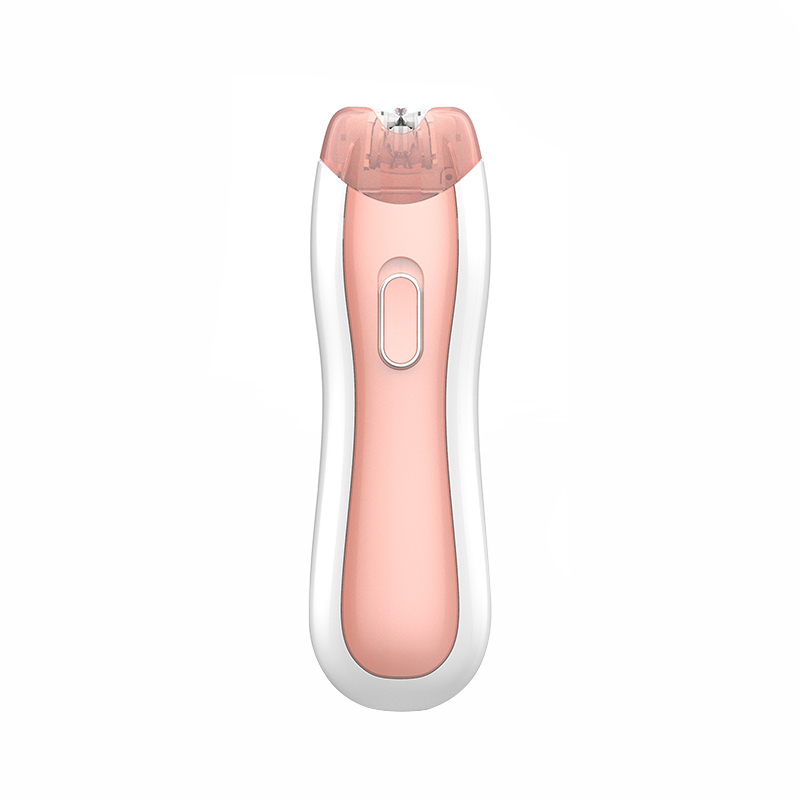
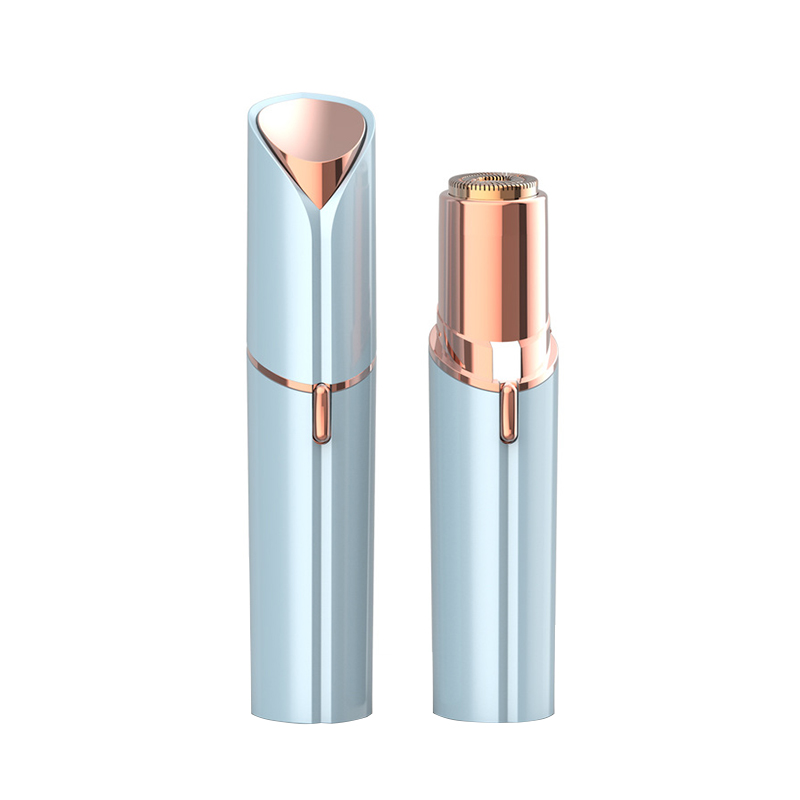
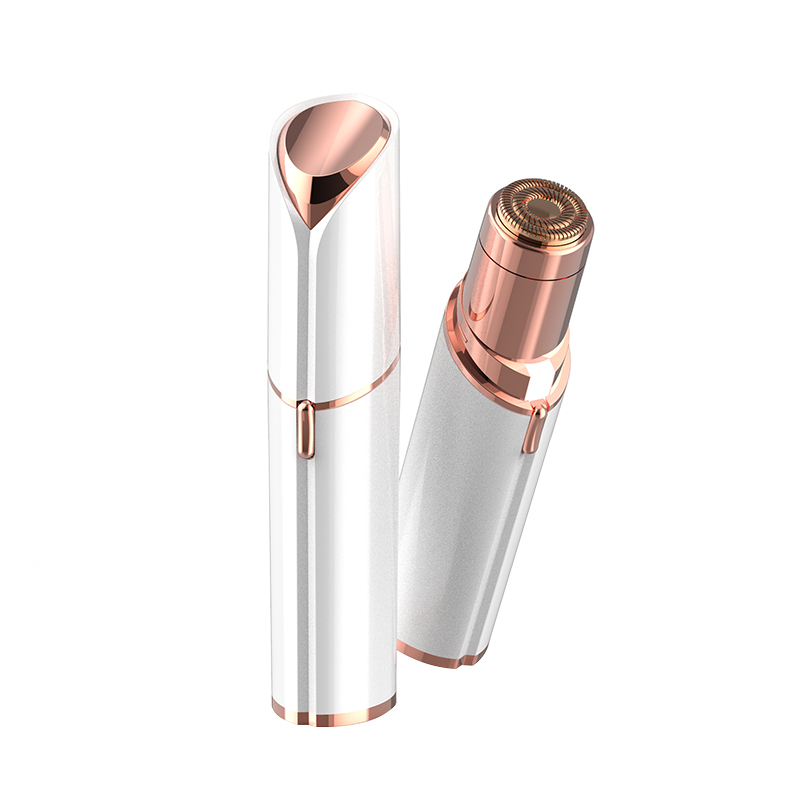
A representative example is the SF1005 leg hair remover and mini trimmer, a compact device aimed at exactly this use case — legs, arms and everyday touch-ups — rather than at facial contours. Devices in this class usually cost far less than the time you save over a month of slow, repeated passes with a face shaver.
Cleaning, Maintenance and Blade Life
The single biggest cause of a "failing" electric shaver is not a worn blade but a dirty head, and that is especially true on legs where volume of clippings is high. A head packed with fine hair cannot pull new hair into the cutting slot, so the user presses harder and irritation follows.
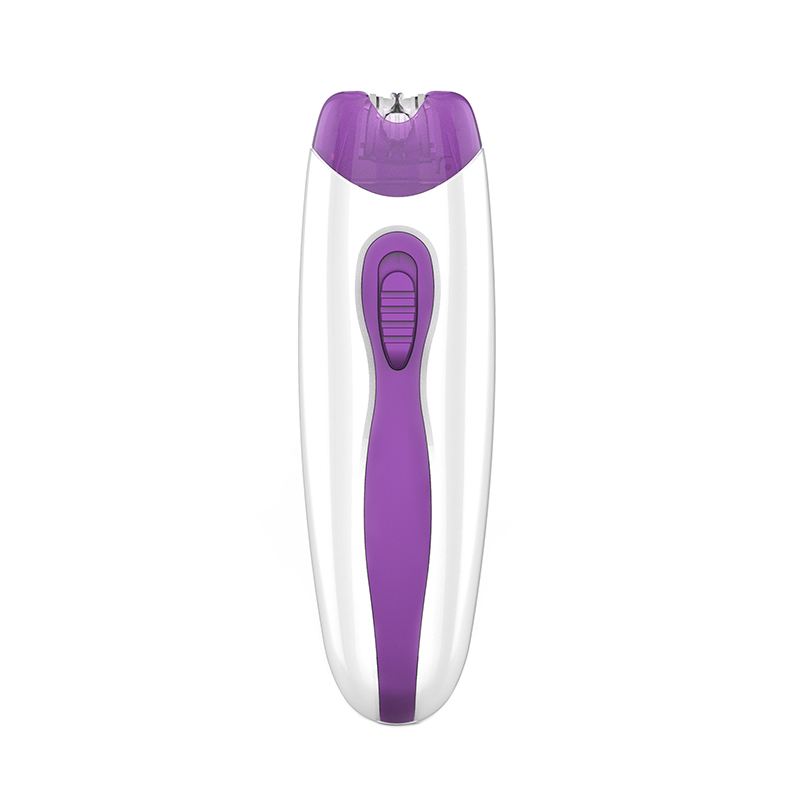
A washable design removes that friction point almost entirely. The SF2200D full-body washable shaver is built so the head can be rinsed under running water after each session, which keeps the screen clear without disassembly. Whether you use a men's shaver or a leg shaver, the routine is the same: rinse, shake out, air-dry the head open, and replace the blade or head assembly once cutting takes noticeably longer — commonly every 6 to 12 months with regular use.
What to Look For When Buying in Bulk
If you are sourcing rather than simply shaving, the questions change from "does it work on legs" to "will it work on legs consistently, batch after batch." For retail and private-label buyers, three specifications decide whether a personal care device survives returns: blade geometry matched to body hair rather than facial hair, a genuinely waterproof head assembly rather than a splash-resistant one, and documented testing rather than a claim on a box.
Manufacturers in the personal care appliance sector, including Yuyao Aisen Electric Appliance Co., Ltd. in Ningbo, Zhejiang Province, typically structure their offer around OEM and ODM services, with in-house tooling, a testing laboratory and certification under ISO 9001, BSCI, CE, ROHS and EMC. When comparing suppliers, ask for the blade material and coating, the ingress protection rating of the head, the motor speed under load, and the specific test report covering the cutting head — then check that the sample you receive matches the report. If you need a specification sheet or a sample evaluation, you can contact the team directly and work through the requirements before committing to a mould.
Frequently Asked Questions
Is it safe to use a men's shaver on your legs every day?
It is safe if your skin tolerates it, but daily use of any electric shaver on legs increases the chance of friction-related redness. Most people get better results shaving every second or third day, or alternating between a shaver and a trimmer.
Will a men's shaver cut leg hair that has grown out long?
It will, but poorly. Anything longer than about 3 mm tends to fold over the foil or wrap around a rotary cutter instead of entering it. Trim first, then shave — the difference in speed is significant.
Can I use the same shaver on my face and my legs?
Technically yes, practically it is better not to. The head collects different hair and skin debris from each area, and cross-use without thorough cleaning is a common source of irritation. If you must share one device, rinse and dry the head completely between uses.
Are waterproof shavers better for legs?
They are easier to keep hygienic, which matters more on legs than on the face because the volume of clippings is higher. Waterproof construction also allows wet shaving with gel, which some users find reduces drag on longer strokes.