

 English
  日本語
日本語
 Español
 Deutsch



News Category:
Key Words:
-
 Apr 09,2026
How to Choose the Right Facial Hair Remover for Your Hair Type: The Ultimate Guide for Women Seeking Painless, Portable Solutions
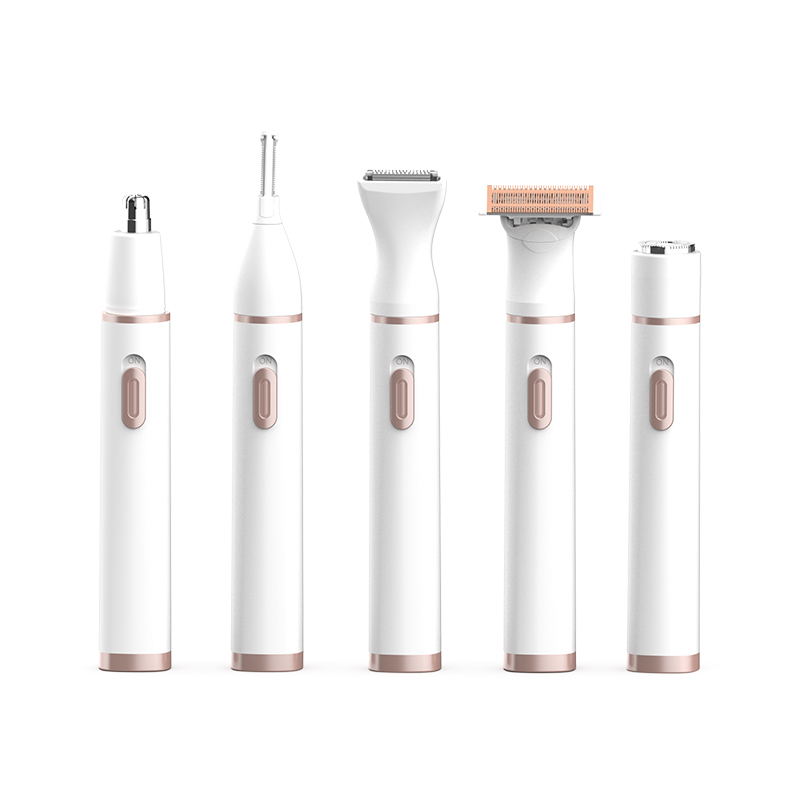
Quick Answer: The right facial hair remover depends entirely on your hair type—fine vellus hair (peach fuzz) responds best to dermaplaning tools and painless electric trimmers, while coarse terminal hair requires epilators or waxing for longer-lasting results. For women seeking portable, painless options, electric facial razors with LED lights offer the best balance of convenience and effectiveness for daily maintenance. Choosing the perfect facial hair remover can feel overwhelming with the myriad of options available today. Whether you're dealing with stubborn upper lip hair, unwanted chin whiskers, or fine peach fuzz across your cheeks, selecting the right tool for your specific hair type is essential for achieving smooth, irritation-free results. This comprehensive guide will walk you through everything you need to know about selecting the ideal painless, portable facial hair removal solution tailored to your unique needs. Understanding Your Facial Hair Type: The Foundation of Smart Selection Key Insight: Before investing in any facial hair removal device, you must identify your hair type. Facial hair generally falls into two categories: vellus hair (fine, light peach fuzz) and terminal hair (coarse, dark, and more prominent). Understanding this distinction will determine whether you need a gentle dermaplaning tool or a more powerful epilation device. Type 1: Fine Vellus Hair (Peach Fuzz) Best Solution: Women with fine, light facial hair should opt for dermaplaning tools or gentle electric trimmers. These painless methods effectively remove peach fuzz while simultaneously exfoliating dead skin cells, leaving your complexion brighter and smoother. According to dermatology experts, dermaplaning is particularly beneficial for all skin types and creates a better canvas for makeup application. The portable nature of modern dermaplaning tools makes them perfect for on-the-go touch-ups. Many devices now feature built-in LED lights to illuminate even the finest hairs, ensuring no stray fuzz goes unnoticed. When selecting a tool for vellus hair, look for stainless steel blades with microfine edges that glide effortlessly across the skin without causing irritation. Type 2: Coarse Terminal Hair Best Solution: For darker, thicker facial hair—common on the upper lip, chin, and sideburns—epilators and waxing provide longer-lasting results by removing hair from the root. While these methods may cause temporary discomfort, modern painless epilation devices with ergonomic designs and multiple speed settings have significantly reduced the pain factor. Women with coarse hair should consider electric epilators specifically designed for facial use. These devices feature smaller heads and precision attachments that target individual hairs without damaging surrounding skin. For those seeking portable solutions, mini epilators with rechargeable batteries offer professional-grade results anywhere, anytime. Comprehensive Comparison: Facial Hair Removal Methods by Hair Type Overview: To help you make an informed decision, we've compiled a detailed comparison of the most popular facial hair removal methods, evaluating their effectiveness across different hair types, pain levels, and convenience factors. Method Best For Hair Type Pain Level Results Duration Portability Dermaplaning Fine vellus hair, peach fuzz Painless 1-2 weeks Highly portable, travel-friendly Electric Trimmers All hair types (surface removal) Painless 3-7 days Extremely portable, pocket-sized Epilation Coarse terminal hair Moderate 3-4 weeks Portable, battery-operated Waxing/Sugaring Medium to coarse hair Moderate-High 2-4 weeks Less portable, requires setup Depilatory Creams Fine to medium hair Painless 1-2 weeks Portable, but requires water access Tweezing Individual coarse hairs Moderate 3-6 weeks Highly portable, pocket-sized Method-Specific Recommendations by Hair Type 1. Dermaplaning: The Gold Standard for Peach Fuzz Why It Works: Dermaplaning involves using a single-blade razor on dry skin to remove the top layer of dead skin cells and fine vellus hairs. This method is completely painless and provides immediate results that leave skin looking radiant and feeling incredibly smooth. For women with sensitive skin, oil-planing offers a gentler alternative. By applying a facial oil before using the dermaplaning tool, the razor glides more easily and reduces the risk of irritation. This technique is particularly beneficial for mature skin or those prone to redness. When selecting a dermaplaning tool, look for portable options with replaceable blades. High-quality devices feature stainless steel blades with safety edges to prevent nicks while still providing a close shave. Many editors recommend using these tools every two weeks for optimal results, though monthly use can still prevent makeup from pilling and improve skincare absorption. 2. Electric Facial Razors: The Painless Daily Solution Best For: Women seeking quick, painless, and portable hair removal for daily maintenance. These devices are only slightly larger than lipstick tubes yet pack impressive power for buzzing off unwanted facial hair. Modern electric facial razors feature pinpoint spotlights to guide your way, hypoallergenic stainless steel heads for sensitive skin, and compact designs that fit easily into handbags for on-the-go touch-ups. While these trimmers don't remove hair at the root (meaning stubble may appear faster than with waxing), they offer unmatched convenience and zero discomfort. For women with combination hair types—both fine and coarse hairs—electric trimmers with multiple attachments provide versatility. Comb attachments help tailor the trim length, while precision heads offer smooth margins for eyebrow grooming without fully removing hairs. 3. Epilation: Long-Lasting Results for Coarse Hair The Investment Choice: Epilators function as motorized tweezers, pulling multiple hairs from the root simultaneously. While the initial sensation may be uncomfortable, the results last significantly longer than surface removal methods—typically 2-4 weeks of smooth skin. For painless epilation experiences, look for devices with the following features: Multiple speed settings to adjust for different hair thicknesses Wider tweezer heads for faster removal on larger areas Built-in LED lights to spot fine hairs Ergonomic designs that contour to facial curves Washable heads for hygienic maintenance Epilators are particularly effective for coarse terminal hair on the chin and upper lip. The higher the tweezer count on the device head, the faster and more efficient the hair removal process. Many women find that regular epilation leads to finer regrowth over time, making subsequent sessions more comfortable. 4. Waxing and Sugaring: Professional-Grade At-Home Results Best For: Women who want salon-quality results without the recurring expense. Waxing eliminates both vellus and terminal hairs by removing them from the bulb, resulting in slower regrowth compared to shaving or depilatory creams. Pre-made wax strips offer a portable, mess-free solution for facial hair removal. These strips are infused with soothing ingredients like aloe vera and avocado oil to minimize irritation. For those with sensitive skin, sugaring presents a gentler alternative—using a paste made from natural ingredients like sugar, lemon juice, and water that only adheres to hair, not skin. When waxing at home, ensure hair is approximately one-fourth to three-fourths of an inch long for optimal adhesion. Always test the wax temperature on your wrist before applying to facial skin, and avoid waxing if you use retinol products or are on Accutane. 5. Depilatory Creams: The Chemical Solution The Quick Fix: Hair removal creams use chemicals to break down hair at the follicle base, allowing it to be wiped away cleanly. Modern formulations enriched with coconut milk, collagen, almond oil, and chamomile offer painless removal in as little as 4-10 minutes. These creams work best on fine to medium facial hair and are particularly convenient for upper lip, chin, and sideburn areas. Look for formulas with built-in applicators for precise, mess-free application. However, women with sensitive skin, acne, eczema, or psoriasis should avoid depilatory creams as the chemicals can cause significant irritation. Always perform a patch test 24 hours before full application, and never exceed the recommended processing time to avoid chemical burns. Special Considerations for Sensitive Skin Critical Advice: Women with sensitive skin require extra care when selecting facial hair removal methods. According to dermatology experts, shaving and electric trimming offer the least side effects and are generally safe for sensitive skin types. For painless, irritation-free removal: Always cleanse the area thoroughly with a gentle cleanser before hair removal Lightly exfoliate the day before to prevent ingrown hairs Use sharp blades on wet skin with lubricating gel or facial oil Apply a soothing moisturizer immediately after removal Avoid hair removal if you have active breakouts or skin conditions Those with conditions like eczema or rosacea should consult a dermatologist before trying new hair removal methods. When in doubt, dermaplaning with a gentle touch or using hypoallergenic electric trimmers provides the safest approach for reactive skin. Cost vs. Convenience: Making the Right Investment Budget Considerations: When choosing a facial hair remover, consider both upfront costs and long-term maintenance. Here's a breakdown to help you evaluate the best investment for your needs: Method Initial Cost Ongoing Costs Time Investment Disposable Dermaplaners $10-20 Replacement blades monthly 10-15 minutes every 2 weeks Electric Trimmers $15-50 Battery replacement only 5 minutes daily or as needed Epilators $40-200 Replacement heads annually 15-20 minutes every 3-4 weeks Wax Strips $10-25 New kit every 2-3 months 20-30 minutes every 3-4 weeks Depilatory Creams $8-20 New tube monthly 10-15 minutes every 1-2 weeks Frequently Asked Questions (FAQ) Q1: Will facial hair grow back thicker or darker after using a hair remover? Answer: No, this is a common myth. Shaving or dermaplaning does not change the structure or growth rate of hair. When you cut hair at the surface, the blunt tip may feel coarser as it grows out, but the hair itself remains the same thickness and color. Methods that remove hair from the root, like waxing or epilation, may actually result in finer regrowth over time. Q2: What is the most painless facial hair removal method for women? Answer: Dermaplaning and electric trimming are the most painless methods available. Dermaplaning, when done correctly with a sharp blade, feels like gentle exfoliation. Electric trimmers with floating heads contour to your face and cut hair without pulling or tugging. For chemical solutions, depilatory creams are painless but require careful timing to avoid skin irritation. Q3: How do I choose between an epilator and waxing for coarse facial hair? Answer: Choose an epilator if you want a portable, reusable device that offers precise control for individual hairs. Epilators are ideal for chin and upper lip maintenance. Choose waxing if you prefer removing larger areas at once and don't mind the preparation time. Waxing may be more effective for very coarse, stubborn hairs, while epilation offers better precision for scattered hairs. Q4: Can I use the same hair removal method for my entire face? Answer: Not necessarily. Different facial areas have varying hair types and sensitivities. Your cheeks may have fine peach fuzz suitable for dermaplaning, while your chin might have coarse hairs requiring epilation. Eyebrows need precision tools like specialized trimmers or tweezers. Many women use a combination method: dermaplaning for the overall face, epilation for the chin, and tweezing for eyebrows. Q5: Are portable facial hair removers as effective as full-size devices? Answer: Yes, modern portable devices have advanced significantly. Mini electric razors and compact epilators now offer professional-grade results despite their small size. Many feature rechargeable batteries, LED lights, and precision heads that rival larger units. The key advantage is convenience—you can maintain smooth skin anywhere without compromising effectiveness. Q6: How often should I replace blades or heads on my facial hair remover? Answer: For dermaplaning tools, replace blades after every 1-3 uses depending on the manufacturer's recommendations. Dull blades cause irritation and nicks. Electric trimmer blades typically last 12-18 months with proper cleaning. Epilator heads should be replaced when tweezers become misaligned or less effective, usually every 12 months with regular use. Always clean devices with rubbing alcohol after each use to extend their lifespan. Q7: Is it safe to use facial hair removers if I have acne or sensitive skin? Answer: Avoid hair removal over active acne breakouts to prevent spreading bacteria and causing further irritation. For sensitive skin, dermaplaning with a facial oil (oil-planing) or using hypoallergenic electric trimmers are the safest options. Skip depilatory creams and harsh waxing if you have reactive skin. Always perform a patch test on a small area before full application. Q8: Can facial hair removal improve my makeup application? Answer: Absolutely. Removing peach fuzz and dead skin cells creates a smoother canvas for makeup application. Foundation sits more evenly without clinging to fine hairs, and skincare products absorb more effectively after dermaplaning. Many makeup artists recommend dermaplaning specifically for this reason, noting that makeup appears more natural and radiant on freshly dermaplaned skin. Final Recommendations: Your Personalized Selection Guide The Bottom Line: Selecting the right facial hair remover ultimately depends on your hair type, pain tolerance, budget, and lifestyle needs. Here's a quick reference to guide your decision: Choose Dermaplaning If: You have fine peach fuzz, want exfoliation benefits, prefer painless removal, and want makeup to apply flawlessly. Choose Electric Trimming If: You want the most portable, convenient option for daily maintenance and have minimal coarse hair. Choose Epilation If: You have coarse terminal hair, want 3-4 weeks of smoothness, and can tolerate temporary discomfort for long-lasting results. Choose Waxing If: You want professional-level results at home, have medium to coarse hair, and prefer removing larger areas efficiently. Choose Depilatory Creams If: You want painless, quick removal for fine to medium hair and don't have sensitive skin. Remember, the best facial hair remover for women is one that fits seamlessly into your routine while addressing your specific hair type. Many women find that combining methods—using dermaplaning for the overall face and epilation for stubborn coarse hairs—provides the most comprehensive solution. With the right tool and technique, achieving smooth, radiant skin is both painless and convenient.
VIEW FULL ARTICLE -
 Apr 02,2026
Can a Facial Hair Remover Be Used on Eyebrows and Upper Lip?
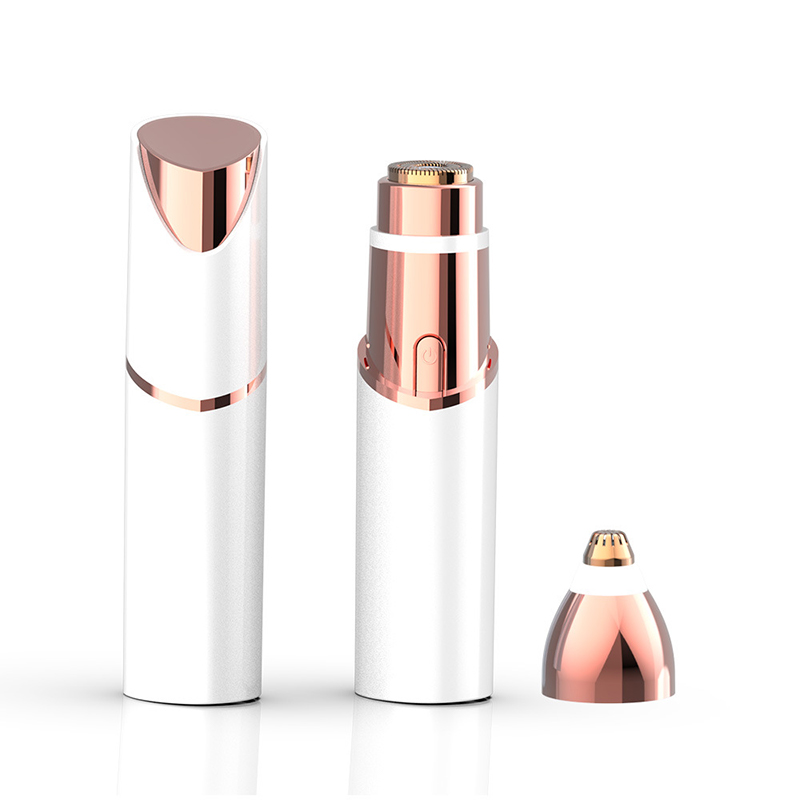
The short answer is yes, a Facial Hair Remover can generally be used on both the eyebrows and the upper lip, provided you are using the correct type of device and following specific safety protocols. While both areas are part of the face, they require vastly different approaches due to the precision needed for eyebrows and the skin sensitivity common around the mouth. In this comprehensive guide, we will explore the nuances of using a Facial Hair Remover for these two distinct zones, compare the best methods for each, and provide professional tips to ensure a smooth, irritation-free experience. Understanding the Modern Facial Hair Remover Before diving into the "how-to," it is essential to define what a Facial Hair Remover actually is. Today, this term encompasses a variety of tools, ranging from electric rotary trimmers and precision pens to manual dermaplaning blades and epilators. Most modern electric Facial Hair Remover devices are designed with hypoallergenic stainless steel blades that sit behind a protective guard. This prevents the blade from making direct contact with the skin, significantly reducing the risk of nicks, cuts, and "strawberry skin." However, because the eyebrows require shaping and the upper lip requires surface-level smoothness, the tool's versatility depends on its head attachment and your steady hand. Key Features of a Versatile Facial Hair Remover Precision Head: A smaller, pen-like tip specifically for the brow bone. Rotary Attachment: A wider, circular head for flat surfaces like the upper lip and cheeks. Built-in LED Light: Helps identify fine "peach fuzz" or vellus hair that is often invisible in standard bathroom lighting. Hypoallergenic Materials: Essential for the thin, sensitive skin around the eyes and mouth. Using a Facial Hair Remover on the Upper Lip The upper lip is one of the most common areas for hair removal. The skin here is thinner than on your forehead or chin and contains a high density of nerves and sweat glands. When using a Facial Hair Remover in this area, the goal is total hair removal without causing redness or bumps. Step-by-Step for the Upper Lip Cleanse and Dry: Ensure the skin is free of oils, makeup, and sweat. A Facial Hair Remover works most efficiently on completely dry skin. Tighten the Skin: Use your tongue to push out the upper lip or use your free hand to pull the skin taut. This creates a flat surface for the Facial Hair Remover. Small Circular Motions: If using a rotary Facial Hair Remover, move in small circles. If using a straight blade, move in the direction of hair growth first, then lightly against it if necessary. Post-Care: Apply a non-comedogenic moisturizer or aloe vera to soothe any temporary warmth in the skin. Navigating the Eyebrows with a Facial Hair Remover The eyebrows are a different beast entirely. Here, hair removal isn't just about clearance; it's about architecture. One wrong move with a Facial Hair Remover can lead to a gap in your brow that takes weeks to grow back. Precision is Paramount For the eyebrows, you should only use a Facial Hair Remover with a specialized precision tip. A large rotary head is too bulky for this area. The "Unibrow" Area: This is the safest place to use the tool. Move the Facial Hair Remover upward between the brows. Above the Brow: Use the tool to clean up stray hairs above the natural arch. Be conservative; it is better to leave a few hairs than to take too many. Below the Brow: This is the highest risk area. Use your fingers to lift the brow bone skin away from the eyelid before applying the Facial Hair Remover. Comparison: Upper Lip vs. Eyebrow Hair Removal To better understand how to use your Facial Hair Remover, let's compare the requirements for these two areas. Feature Upper Lip Eyebrows Skin Sensitivity High (prone to redness) Moderate (prone to swelling) Hair Type Fine vellus hair (peach fuzz) Coarse terminal hair Required Tool Head Rotary or Large Blade Small Precision Tip Primary Goal Total Smoothness Shaping and Definition Frequency of Use Every 3–7 days Every 1–2 weeks Safety Precautions for Your Facial Hair Remover While using a Facial Hair Remover is generally safer than waxing (which can tear the top layer of skin), there are still risks involved. Avoid Active Acne: Never run a Facial Hair Remover over a pimple or broken skin, as this can spread bacteria and cause scarring. Sanitization: Clean the head of your Facial Hair Remover with rubbing alcohol after every use. Dead skin cells and oils trapped in the blades are a breeding ground for microbes. Replace Blades Regularly: Dull blades pull on the hair rather than cutting it, leading to irritation. Replace the head of your Facial Hair Remover every 2–3 months. Do Not Pressure: Let the Facial Hair Remover do the work. Pressing too hard against the skin can cause "razor burn" even with a guarded blade. Common Myths About Facial Hair Removers Myth 1: The hair will grow back thicker and darker. This is a persistent old wives' tale. Using a Facial Hair Remover cuts the hair at the surface; it does not change the follicle's biology. The hair may feel "blunt" as it grows back, giving the illusion of thickness, but it remains the same color and diameter as before. Myth 2: It is the same as using a leg razor. Absolutely not. A body razor is designed for large areas and coarse hair, often featuring multiple blades that can be too aggressive for facial skin. A dedicated Facial Hair Remover is calibrated for the specific texture of facial fuzz and the sensitivity of the dermis. Maintenance and Longevity of the Device To ensure your Facial Hair Remover remains effective for both eyebrows and the upper lip, maintenance is key. Battery Care: If your Facial Hair Remover is battery-operated, low power can lead to the blades snagging the hair. Always ensure the device is fully charged or has fresh batteries. Storage: Store the Facial Hair Remover in a dry place. The humidity of a bathroom can lead to microscopic rusting of the blades, even if they are stainless steel. Frequently Asked Questions (FAQ) 1. Can I use the same head for both eyebrows and the lip? While you can, it is highly recommended to use the precision tip for eyebrows and the rotary head for the lip to achieve the best results and maintain hygiene. 2. How often should I use my Facial Hair Remover? Most users find that every 3 to 5 days is sufficient to keep the upper lip smooth. Eyebrows usually need maintenance once a week. 3. Does it hurt? Unlike waxing or epilating, using an electric Facial Hair Remover is virtually painless because it trims the hair above the skin rather than pulling it from the root. 4. Will it cause ingrown hairs? The risk is much lower than with shaving or waxing. However, regular exfoliation of the skin helps prevent dead skin cells from trapping the new growth. 5. Can I use it on wet skin? Most Facial Hair Remover models are designed for "dry use." Using them on wet skin can cause the hair to clump, leading to an uneven trim. 6. Is it safe for sensitive skin? Yes, as long as the device has hypoallergenic blades. Always perform a patch test on a small area of the neck first. 7. Can men use this for their facial hair? A Facial Hair Remover is ideal for men wanting to clean up their unibrow or ear hair, but it is not powerful enough to replace a traditional beard trimmer for thick facial hair. The Verdict A high-quality Facial Hair Remover is a versatile addition to any grooming routine. It offers a painless, quick, and effective way to manage both eyebrow shape and upper lip fuzz. By choosing a device with interchangeable heads and practicing proper skin preparation, you can achieve professional-looking results at home without the cost or discomfort of salon visits. Remember that consistency and cleanliness are the pillars of good facial grooming. Treat your Facial Hair Remover well, and it will keep your skin looking smooth and radiant for years to come.
VIEW FULL ARTICLE -
 Mar 24,2026
How to Choose the Right Facial Hair Remover for Your Skin Type?
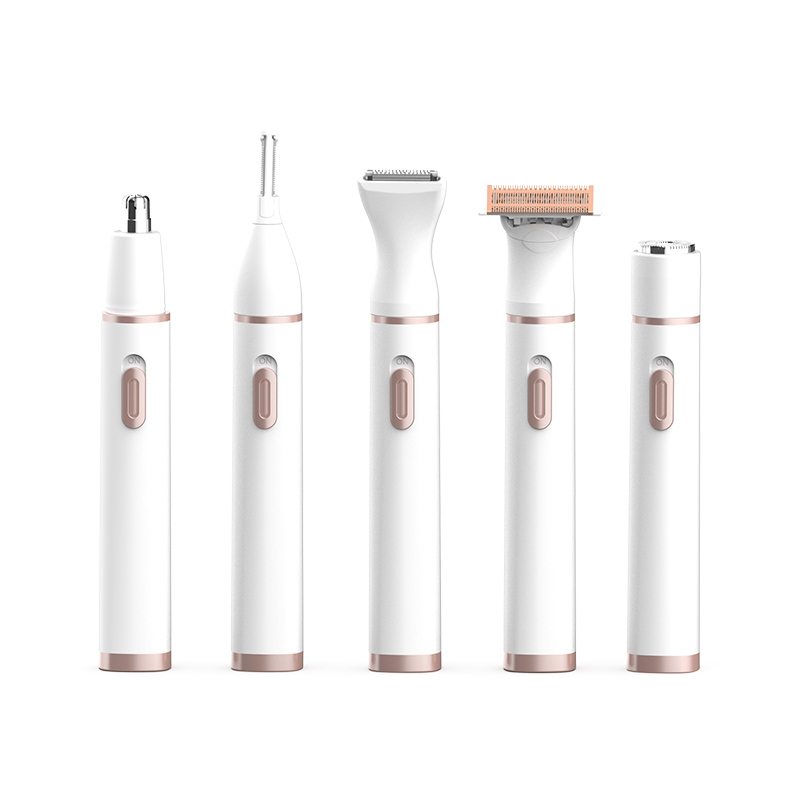
Choosing the right Facial Hair Remover depends primarily on your skin type, hair thickness, and sensitivity level. For sensitive skin, gentle methods like facial trimmers or hypoallergenic creams are best. For normal or oily skin, waxing or epilators may provide longer-lasting results. The key is balancing effectiveness with skin safety to avoid irritation, redness, or damage. In today’s beauty and personal care market, the variety of Facial Hair Remover options can feel overwhelming. From electric devices to creams, waxing kits, and threading tools, each method offers different advantages and drawbacks. This guide provides a comprehensive, easy-to-understand breakdown to help you make the best choice. Understanding Different Types of Facial Hair Remover Before choosing the ideal Facial Hair Remover, it is essential to understand the main types available on the market: 1. Electric Facial Hair Removers Compact and portable Gentle on skin Suitable for daily use No chemicals involved 2. Hair Removal Creams Dissolve hair at the surface Quick and painless May contain chemicals that irritate sensitive skin 3. Waxing Removes hair from the root Long-lasting results Can be painful and cause redness 4. Threading Precise hair removal Ideal for eyebrows and upper lip Requires skill 5. Epilators Pull hair from the root Long-lasting smoothness Can be uncomfortable for beginners How to Choose Based on Skin Type Sensitive Skin If you have sensitive skin, choosing a gentle Facial Hair Remover is critical to avoid irritation: Use electric facial trimmers Choose hypoallergenic creams Avoid waxing and harsh chemicals Oily Skin Oily skin tends to tolerate more intensive methods: Waxing works well Epilators provide long-lasting results Ensure proper cleansing before and after use Dry Skin Dry skin requires hydration-focused care: Use moisturizing removal creams Avoid frequent waxing Apply soothing lotion afterward Normal Skin Normal skin offers flexibility: Most Facial Hair Remover types are suitable Choose based on convenience and desired results Comparison of Facial Hair Removal Methods Method Pain Level Duration Best for Skin Type Electric Remover Low Short-term Sensitive Cream None Short-term Dry/Normal Waxing High Long-term Oily/Normal Threading Medium Medium All types Epilator High Long-term Normal/Oily Key Factors to Consider 1. Hair Thickness Fine hair: Electric or cream-based Facial Hair Remover Coarse hair: Waxing or epilators 2. Pain Tolerance Low tolerance: Electric or cream High tolerance: Waxing or epilation 3. Frequency of Use Daily use: Electric removers Occasional use: Waxing or threading 4. Skin Sensitivity Always perform a patch test Choose dermatologically tested products Common Mistakes to Avoid Using harsh Facial Hair Remover on sensitive skin Skipping patch tests Overusing hair removal methods Ignoring aftercare Aftercare Tips for Healthy Skin Apply soothing gel or moisturizer Avoid sun exposure immediately after removal Use gentle skincare products Keep skin hydrated FAQ About Facial Hair Remover Is a Facial Hair Remover safe for daily use? Yes, especially electric Facial Hair Remover devices designed for gentle, frequent use. Which method lasts the longest? Waxing and epilating provide the longest-lasting results because they remove hair from the root. Can I use hair removal cream on my face? Only use creams specifically formulated as a Facial Hair Remover to avoid irritation. Does facial hair grow back thicker? No, hair does not grow back thicker. It may feel coarser due to blunt edges after shaving. What is the best option for beginners? Electric facial hair removers are the safest and easiest option for beginners. Conclusion Selecting the right Facial Hair Remover is not a one-size-fits-all decision. It requires careful consideration of your skin type, hair texture, and personal comfort level. While some methods offer quick and painless results, others provide longer-lasting smoothness. By understanding your needs and comparing different options, you can achieve safe, effective, and comfortable facial hair removal. Ultimately, the best Facial Hair Remover is one that balances efficiency with skin protection, ensuring both beauty and skin health.
VIEW FULL ARTICLE -
 Mar 19,2026
How Does a Facial Hair Remover Work and Is It Safe for Daily Use?
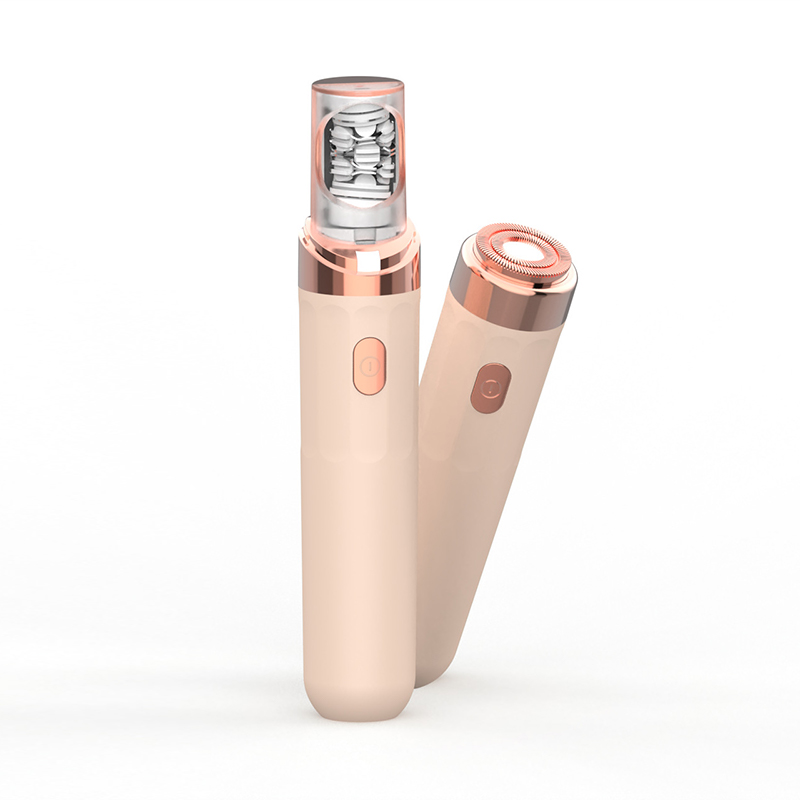
A facial hair remover works by using mechanical, electrical, or chemical energy to cut, dissolve, or uproot unwanted hair from the face at or below the skin's surface. Most modern devices — whether rotary epilators, dermaplaning tools, laser units, or threading gadgets — are designed with sensitive facial skin in mind and are generally safe for daily or frequent use when used correctly. The key is choosing the right type for your skin and following proper technique. Whether you're dealing with peach fuzz, upper-lip hair, or sideburn growth, understanding exactly how each facial hair remover works will help you make a smarter, safer choice for your skincare routine. The Main Types of Facial Hair Removers and How They Work There is no single technology behind all facial hair removers. Each device uses a different mechanism to eliminate hair. Here is a breakdown of the most common types: 1. Electric Rotary or Oscillating Facial Hair Removers These are the most widely used category. A tiny motor spins or oscillates a metal head at high speed, catching and cutting fine hairs at skin level. They are essentially miniaturized trimmers or shavers designed specifically for the contours of the face — around the upper lip, chin, and jawline. Because they only cut hair at the surface, they are painless and fast, making them suitable for daily touch-ups. 2. Epilators (Facial Epilation Devices) A facial hair remover epilator uses rotating tweezers or discs to grasp and pull multiple hairs from the root simultaneously. Because the hair is removed from the follicle rather than cut at the surface, results last longer — typically two to four weeks. The process can cause mild discomfort, especially on first use, but most users find it becomes less uncomfortable over time as hair regrows finer and sparser. 3. Dermaplaning Facial Hair Removal Tools Dermaplaning uses a small, single-edge blade held at a specific angle to gently scrape away both fine vellus hair (peach fuzz) and the top layer of dead skin cells. This dual action makes it particularly popular as a skincare and hair removal combination. Professional dermaplaning is performed by estheticians, but at-home facial hair remover dermaplaning devices use a guarded, safety-optimized blade to minimize the risk of cuts. 4. Threading Devices Traditional threading uses a twisted cotton thread rolled across the skin to trap and pull hairs from the root. Modern automatic threading facial hair removers replicate this motion electronically, making it faster and easier to use at home. Threading is known for its precision — ideal for shaping eyebrows or clearing the upper lip — and because it removes hair from the root, results last one to three weeks. 5. IPL / Laser Facial Hair Removers Intense Pulsed Light (IPL) and diode laser devices deliver pulses of light energy into the hair follicle. The pigment (melanin) in the hair shaft absorbs the light and converts it to heat, which damages the follicle and inhibits future growth. These are the only facial hair remover technologies that offer long-term — and potentially permanent — hair reduction. They require multiple sessions, typically six to twelve treatments spaced two weeks apart, for maximum effectiveness. 6. Depilatory Creams (Chemical Facial Hair Removers) Chemical-based facial hair removers use active ingredients such as thioglycolate to break down the keratin protein structure of the hair shaft, causing it to weaken and dissolve at the skin surface. They are applied for a few minutes and then wiped away. While convenient, formulations used on the face must be specifically labeled as safe for facial skin, as the more concentrated body formulas can cause irritation. Facial Hair Remover Comparison: Which Type Is Right for You? The table below compares the six main types across the most important factors: Type Mechanism Pain Level Results Duration Safe for Daily Use? Best For Electric Trimmer/Rotary Cuts at surface None 1–3 days Yes Quick daily touch-ups Epilator Pulls from root Mild–Moderate 2–4 weeks No Longer-lasting smoothness Dermaplaning Blade exfoliation None 1–3 weeks No (1–2×/month) Peach fuzz + skin texture Threading Device Twists & pulls root Mild 1–3 weeks No Eyebrows, upper lip precision IPL / Laser Light damages follicle Mild–Moderate Months–Permanent No (every 2 weeks) Long-term reduction Depilatory Cream Dissolves hair protein None 3–7 days No (max 2×/week) Sensitive-skin areas Is a Facial Hair Remover Safe for Daily Use? The safety of daily use depends entirely on the type of facial hair remover in question. Here is a clear breakdown: Safe for Daily Use Electric rotary trimmers and oscillating shavers — These devices only cut at the skin surface and cause no trauma to the follicle or dermis. They are designed for daily use without risk of irritation when used on dry or clean skin. Precision facial razors (single-blade safety razors) — When used with proper technique and clean blades, these are safe for daily use and are gentle enough for sensitive skin. Not Recommended for Daily Use Epilators — Daily use can cause follicle irritation, ingrown hairs, and redness. Most dermatologists recommend waiting at least two weeks between sessions. Dermaplaning tools — Over-exfoliating the skin with a blade can damage the skin barrier, leading to sensitivity, redness, and breakouts. Limit to once every two to four weeks. Depilatory creams — The active chemicals in these creams are mildly caustic. Daily use will strip the skin's natural acid mantle and cause persistent irritation. IPL/Laser devices — These are treatment-based technologies, not maintenance tools. Following the treatment schedule recommended in the device manual is essential for both safety and efficacy. Best Facial Hair Remover by Skin Type Choosing the right facial hair remover for your skin type is just as important as the technology itself. Here's a guide: Skin Type Recommended Facial Hair Remover Avoid Sensitive Electric rotary trimmer, precision razor Depilatory cream, epilator Oily / Acne-prone Electric trimmer, IPL Dermaplaning (can spread bacteria), thick creams Dry / Mature Dermaplaning (dual benefit), electric trimmer Epilator (risk of sagging skin trauma) Normal / Combination Any type based on preference Overuse of any single method Dark Skin Tones Threading, electric trimmer, epilator IPL (less effective on dark pigment; risk of burns) How to Use a Facial Hair Remover Safely: 8 Essential Tips Always patch test first. Before introducing any new facial hair remover, test on a small area such as behind the ear or on the inner wrist to check for adverse reactions. Cleanse your skin before use. Remove makeup, oils, and skincare products. Clean skin allows for better contact, reduces the risk of infection, and improves device performance. Keep the device clean. After every use, clean the device head with the provided brush or rinsing attachment. Bacteria and dead skin cells accumulate quickly and can cause breakouts. Follow the direction of hair growth. For most facial hair remover devices, moving in the direction of hair growth reduces irritation and minimizes the risk of ingrown hairs. Do not apply pressure. Let the device do the work. Pressing hard against the skin can cause micro-abrasions, particularly with rotary and dermaplaning tools. Moisturize after treatment. A gentle, fragrance-free moisturizer helps restore the skin barrier after hair removal. Avoid active ingredients like retinol or AHAs immediately after use. Replace heads and blades regularly. Dull blades tug instead of cut, which increases irritation. Replace consumable parts according to the manufacturer's schedule. Avoid sun exposure immediately after. Freshly treated skin is more sensitive to UV radiation. Apply SPF 30 or above when going outdoors after any hair removal treatment. Myth vs. Fact: Common Misconceptions About Facial Hair Removers Myth Fact Shaving or using a facial hair remover makes hair grow back thicker and darker. Cutting hair at the surface does not change the follicle or hair structure. The blunt tip of a trimmed hair can feel coarser, but actual thickness and color remain unchanged. Facial hair removers are only for women. Many facial hair remover devices are designed for all genders and are effective for a range of hair types, from fine vellus hair to coarser terminal hair. IPL works on all skin and hair types. IPL is most effective on light to medium skin tones with dark hair. It is less effective on very light, grey, or red hair and can pose a burn risk for very dark skin tones. At-home facial hair removal devices are not as effective as professional treatments. At-home devices have improved significantly. When used consistently and correctly, many deliver results comparable to professional treatments, especially electric rotary and threading devices. Depilatory creams are completely painless and safe for all. While not painful, chemical facial hair removers can cause allergic reactions or chemical burns if left on too long or used on broken/irritated skin. A patch test is mandatory. Benefits of Using a Dedicated Facial Hair Remover vs. Body Hair Tools Using a device specifically designed as a facial hair remover — rather than repurposing body hair removal tools — offers several important advantages: Precision head design: Facial devices feature smaller, more contoured heads that navigate curves around the nose, upper lip, and chin without missing areas or causing skin folds to catch. Lower intensity settings: Facial skin is thinner and more reactive than skin on the legs or arms. Dedicated devices operate at lower power levels appropriate for delicate tissue. Hygienic design: Facial hair remover devices are typically easy to clean and sealed to avoid moisture entry, reducing bacterial buildup near the mouth and nose. Gentle materials: Heads and contact surfaces are made from hypoallergenic materials to minimize the risk of reactions on sensitive facial skin. Better control and ergonomics: The slim, lightweight build of a facial hair remover allows for close-up mirror work with greater accuracy than bulkier body devices. Frequently Asked Questions About Facial Hair Removers Q: Can I use a facial hair remover on my eyebrows? For eyebrow shaping, threading devices and precision epilators designed for facial use are the safest options. Rotary trimmers should only be used with a brow attachment or guard, as an unguarded blade near the eyes carries injury risk. Dermaplaning is not recommended for eyebrows. Q: Will a facial hair remover cause ingrown hairs? Ingrown hairs are most commonly associated with methods that remove hair from the root, such as epilators and threading devices, particularly in people with naturally curly or coarse hair. To minimize this risk, exfoliate gently between sessions and avoid pulling skin taut during treatment. Rotary trimmers and dermaplaning have a very low risk of ingrown hairs. Q: Is a facial hair remover safe to use during pregnancy? Electric trimmers, rotary devices, and dermaplaning tools are generally considered safe during pregnancy. However, IPL/laser facial hair remover devices and chemical depilatory creams are generally not recommended during pregnancy due to limited safety data. Always consult your healthcare provider before introducing any new beauty device or product during pregnancy. Q: How long does it take to see results with an IPL facial hair remover? Most users notice a visible reduction in hair density after four to six sessions. Significant long-term results typically require eight to twelve treatments, spaced every two weeks. Hair in the active (anagen) growth phase responds best to IPL, which is why multiple sessions are required to treat all follicles at the right stage. Q: Can I use a facial hair remover on active acne or irritated skin? No. You should avoid using any facial hair remover on skin that has active acne lesions, open wounds, sunburn, rashes, or significant inflammation. Doing so can spread bacteria, worsen breakouts, and delay healing. Wait until the skin has fully healed before resuming hair removal. Q: Does a facial hair remover work on grey or blonde facial hair? Physical methods — electric trimmers, epilators, threading, and dermaplaning — work effectively on all hair colors regardless of pigment. IPL and laser facial hair remover devices, however, rely on melanin to absorb light energy, making them largely ineffective on very light, blonde, grey, or white hair. For light-colored facial hair, non-light-based devices are the better choice. Q: How do I choose the best facial hair remover for fine peach fuzz? For fine vellus hair (peach fuzz), dermaplaning is the most effective and recommended method, as it removes the finest hairs while simultaneously exfoliating the skin. Precision electric trimmers also work well. IPL is not effective for vellus hair as it lacks sufficient melanin to absorb the light energy. Conclusion A facial hair remover is a safe, effective, and increasingly accessible way to manage unwanted facial hair at home — as long as you choose the right type for your skin and hair profile and follow proper usage guidelines. For daily convenience, electric rotary trimmers and precision shavers are the clear winners. For longer-lasting smoothness, epilators and threading devices deliver excellent results. For those seeking permanent reduction, IPL and laser facial hair removers represent the gold standard. No matter which method you choose, remember that consistency, hygiene, and post-treatment skincare make the greatest difference in both safety and outcome. Patch test every new device, replace blades and heads on schedule, and always protect freshly treated skin from UV exposure. With the right facial hair remover and a consistent routine, smooth, confident skin is well within reach.
VIEW FULL ARTICLE -
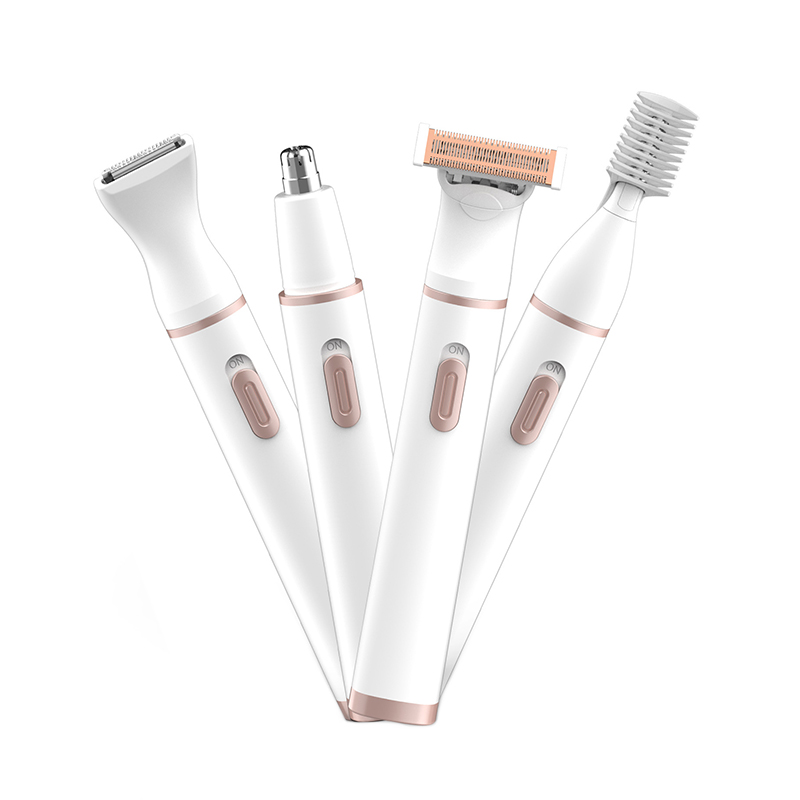 Mar 12,2026
Can a Silent Electric Shaver Provide a Close and Smooth Shave?
Short Answer: Yes — a silent electric shaver can absolutely deliver a close, smooth shave. Thanks to advances in motor technology and blade engineering, today's ultra-quiet shavers rival the performance of conventional loud models, without disturbing your household or office environment. Noise has long been one of the most common complaints about electric shavers. Early rotary and foil models were notorious for their buzzing, humming, and rattling — hardly the calm start to a morning routine most people prefer. But in recent years, a new generation of silent electric shavers has emerged, engineered to operate at low decibel levels while still cutting hair effectively. This article explores whether going quiet means going without quality — and what you should know before buying one. How a Silent Electric Shaver Works The "silence" of a silent electric shaver is achieved through a combination of motor type, vibration dampening, and aerodynamic casing design. Here's what happens under the hood: Linear motors: Unlike traditional rotary motors that create oscillating mechanical noise, linear motors move the cutting blade in a straight, smooth back-and-forth motion, generating significantly less vibration and sound. Vibration-absorbing housing: The outer casing of quiet shavers is often made with rubber-damped internal chambers that absorb resonance before it can be heard externally. Precision-balanced blades: Unbalanced blades are a major source of shaver noise. Quiet models use micro-calibrated blades that spin or oscillate at controlled frequencies. Low-RPM efficiency: Quieter operation doesn't necessarily mean slower — modern silent electric shavers achieve effective cuts at lower rotations per minute by optimizing blade geometry. Does a Silent Electric Shaver Sacrifice Closeness? This is the most important question for any buyer. The short answer: not necessarily. Shaving closeness depends far more on blade quality, shaving head design, and skin adaptability than on motor noise. A silent electric shaver with a high-quality foil system or precision rotary head can produce results equal to — or in some cases better than — a noisy counterpart. Key Factors That Determine Shave Closeness Blade sharpness and material: Titanium-coated or Japanese stainless steel blades hold an edge longer and cut closer to the skin. Foil flexibility: Multi-directional foil heads that adapt to facial contours (jawline, chin, upper lip) allow blades to reach hair at the base. Cutting system (foil vs. rotary): Foil shavers tend to provide a closer shave for straight, fine hair; rotary heads excel on coarser or curved hair patterns. Skin preparation: Using pre-shave gel or shaving after a warm shower opens pores and softens stubble, helping any electric shaver — quiet or loud — cut more effectively. Silent Electric Shaver vs. Standard Electric Shaver: Side-by-Side Comparison Feature Silent Electric Shaver Standard Electric Shaver Noise Level 30–45 dB (library-quiet) 55–75 dB (conversation to vacuum level) Shave Closeness High (model-dependent) High (model-dependent) Vibration on Skin Minimal — gentle on sensitive skin Moderate to strong Battery Life Comparable (45–90 min) Comparable (40–80 min) Price Range $40–$200+ $20–$300+ Suitable For Travelers, light sleepers, offices, sensitive skin General use, heavy stubble Wet/Dry Use Often available Often available Who Benefits Most from a Silent Electric Shaver? A silent electric shaver isn't just a novelty — for many people, it's a practical necessity: Early risers and parents of young children who shave before others wake up. Hotel and business travelers who share thin-walled rooms. People with sensory sensitivities or those prone to anxiety triggered by loud vibrations. Those with sensitive skin — less vibration often means less irritation. Remote workers who shave during breaks without disturbing calls or colleagues. What to Look for in a Quality Silent Electric Shaver Motor Type Look for shavers with linear drive motors or brushless motors. These technologies produce far less mechanical noise than traditional carbon-brush or gear-driven systems, and they tend to last longer with less degradation over time. Foil System Quality For a close shave, a high-quality foil system is essential. Multi-directional foil with a lift-and-cut mechanism first lifts hairs above the skin before the inner blade cuts them, resulting in a cleaner result with fewer passes. Wet and Dry Capability Many top-tier silent electric shavers are fully waterproof (IPX7 rating), allowing use in the shower or with shaving foam. This adds versatility and, for many users, results in a significantly smoother shave. Battery and Charging Choose models with at least 60 minutes of use per charge, and ideally with a quick-charge feature (5 minutes for one full shave) for convenience during travel. Tips to Get the Closest Shave from a Silent Electric Shaver Shave after a warm shower: Heat softens the hair shaft and opens follicles, reducing resistance against the blade. Use pre-shave oil or lotion: This creates a thin barrier between skin and foil, reducing irritation and helping the blades glide more effectively. Move in slow, deliberate strokes: Don't rush. Silent electric shavers often benefit from slower, more controlled movements that let the foil adapt to skin contours. Stretch the skin taut: Pulling skin slightly tight provides a flatter surface, allowing the foil to make closer contact with the hair. Clean and replace blades regularly: Dull or clogged foil/blades undermine even the best motor. Replace blades every 12–18 months for consistent results. Give your skin time to adjust: If switching from a blade razor, allow 2–3 weeks for your skin and stubble to adapt to the new shaving method. Pros and Cons of Silent Electric Shavers Pros Cons Quiet enough to use at any hour Can cost more than standard models Gentle vibration reduces skin irritation May need more passes on thick stubble Great for travel and shared spaces Fewer model options compared to standard shavers Comfortable for sensitive skin users Some users prefer the tactile feedback of stronger vibration Close, smooth results with quality foil systems Blade replacement costs still apply Frequently Asked Questions (FAQ) Q: How quiet is a silent electric shaver exactly? Most silent electric shavers operate between 30 and 45 decibels — comparable to a quiet conversation or the hum of a refrigerator. In contrast, a standard electric shaver can reach 60–75 dB. The difference is clearly noticeable, especially in the early morning or quiet environments. Q: Can a silent electric shaver handle thick or coarse beards? Yes, but it depends on the model. Higher-end silent electric shavers with strong linear motors and multi-blade foil systems can handle coarse hair effectively. Budget models may require more passes. For very thick beards, pre-trimming with a trimmer attachment before using the foil head is recommended. Q: Is a silent electric shaver suitable for sensitive skin? Absolutely. In fact, quiet shavers are often recommended for sensitive skin. The lower vibration levels mean less micro-trauma to the skin surface, reducing redness, razor bumps, and irritation — especially with proper pre-shave preparation. Q: Can I use a silent electric shaver in the shower? Many silent electric shavers are rated IPX5 to IPX7, meaning they are water-resistant or fully waterproof and can be used safely in the shower. Always verify the waterproof rating before submerging any device. Q: How often should I replace the blades on a silent electric shaver? Foil blades and inner cutters typically need replacing every 12 to 18 months with daily use. Waiting too long dulls the cutting edge, leading to pulling, tugging, and — paradoxically — a noisier shaving experience as the motor works harder. Q: Does a quieter shaver mean shorter battery life? Not necessarily. Modern efficient motors used in silent electric shavers are often more power-efficient than older designs. Most quality models offer between 60 and 90 minutes of cordless use per charge — ample for daily shaving over several weeks without recharging. Final Verdict A silent electric shaver can absolutely provide a close, smooth shave — and for the right user, it does so with advantages that louder models simply can't match. The key is choosing a model with a quality foil system, a precision motor, and the right features for your hair type and skin sensitivity. Noise is not a proxy for power. The best silent electric shavers prove that engineering finesse — not mechanical racket — is what drives a truly great shave. Whether you're shaving at 5 AM while your partner sleeps, touching up before a video call, or managing sensitive skin that flinches at every vibration, a quiet shaver is no longer a compromise. It's a genuinely superior option for millions of people.
VIEW FULL ARTICLE -
Mar 05,2026
Can a Silent Electric Shaver Be Used for Travel and On-the-Go Shaving?
Whether you're catching a 6 a.m. flight, staying in a shared hotel room, or touching up in an airport restroom, grooming on the road presents real challenges. One solution that frequent travelers are increasingly turning to is the silent electric shaver — a compact, low-noise device that promises a clean shave without disturbing the people around you. But does quiet actually mean capable? And is a silent electric shaver genuinely suited for travel and daily on-the-go use? The short answer is yes — but with important nuances depending on your shaving needs, destinations, and lifestyle. Below, we break down everything you need to know before choosing one. What Makes a Shaver "Silent"? Not all electric shavers are created equal when it comes to noise. Traditional rotary and foil shavers typically produce 60–75 dB of sound — comparable to normal conversation or a busy office. A silent electric shaver, by contrast, operates at 40–55 dB, which is closer to the ambient hum of a refrigerator or quiet library. Key Features That Reduce Noise Brushless motors: Generate less friction and vibration than traditional motor types. Floating head systems: Reduce mechanical rattling by absorbing micro-movements. Sound-dampening housing: Internal foam or rubber layers absorb motor resonance. Lower RPM blades: Some models trade a slight shaving speed for dramatically quieter operation. Why a Silent Electric Shaver Is Ideal for Travel The benefits of a silent electric shaver go well beyond just being considerate to others. For travelers, the combination of quiet operation and practical design addresses a cluster of real problems. 1. Shared Spaces and Early Morning Routines Hotel rooms, hostel dorms, cruise ship cabins — these are environments where noise awareness matters. A silent electric shaver lets you groom at 5 a.m. without waking a partner or neighboring guests. The same applies to office bathrooms and airport lounges. 2. No Water or Foam Required Most silent electric shavers support dry shaving, meaning you can use them anywhere — in the back of a taxi, at your desk, or mid-flight in a lavatory. No sink, no foam, no cleanup. Some models also support wet shaving for a closer finish when you have access to a bathroom. 3. TSA-Compliant and Lightweight Unlike disposable razors (which can be seized) or cartridge razors (which require replacement blades), a silent electric shaver typically clears security without issue. Most weigh under 200g and fit easily in a toiletry bag or jacket pocket. 4. Long Battery Life and USB Charging Many modern silent shavers offer 60–90 minutes of cordless use per charge and support USB-C charging — a critical feature for frequent travelers who want one less proprietary cable to carry. Silent Electric Shaver vs. Regular Electric Shaver vs. Manual Razor: Travel Comparison The table below compares the three most common travel shaving options across the criteria that matter most on the road. Feature Silent Electric Shaver Regular Electric Shaver Manual Razor Noise Level 40–55 dB 60–75 dB Silent Water Required No (dry capable) No Yes TSA Friendly Yes Yes Varies Shave Quality Good–Very Good Good–Excellent Excellent Battery/Charging USB-C, 60–90 min Proprietary/USB N/A Portability Compact, lightweight Moderate Very compact Ongoing Cost Low (blade replacement) Low–Medium Medium (cartridges) What to Look for When Choosing a Silent Electric Shaver for Travel Motor Type and Noise Rating Look for shavers that explicitly list noise output in decibels (dB). Anything under 55 dB qualifies as a silent electric shaver by industry standards. Brushless linear motors tend to be quietest overall. Size and Weight Travel shavers ideally weigh under 180g and fit in a toiletry bag's side pocket. Some models include a travel lock to prevent accidental activation in luggage — this is especially important for battery preservation. Voltage Compatibility If you travel internationally, confirm the shaver supports 100–240V dual voltage. Most modern USB-C charged models do, but older corded shavers may require a voltage converter in certain countries. Wet/Dry Versatility A silent electric shaver with both wet and dry capability offers the best of both worlds — quick dry shaves on the go, and a more thorough wet shave when you have access to a bathroom and want a cleaner result. Quick Charge Function Some shavers offer a "5-minute quick charge" that delivers enough power for a single shave — a lifesaver if you've forgotten to charge before a trip. This feature alone can justify the purchase for frequent travelers. Limitations to Be Aware Of No shaving tool is perfect for every use case. A silent electric shaver offers real advantages, but it's important to set realistic expectations: Shave closeness may be slightly less precise than premium full-size shavers. High-end quiet shavers close the gap significantly, but budget models may leave a visible 5 o'clock shadow by evening. Blade replacement cycles still apply. Even the quietest shaver needs new blades every 12–18 months, and replacement parts may not be available everywhere. Thick or coarse hair may require multiple passes, which partially negates the speed advantage over a manual wet shave. Not all "quiet" marketing claims are verified by independent testing. Always check user reviews and seek dB specifications rather than relying on terms like "whisper-quiet." Best Use Scenarios for a Silent Electric Shaver Scenario Notes Business travel Ideal — clean look, minimal fuss, professional context Shared hotel/hostel room Noise-sensitive environments — biggest advantage Airport / in-transit touch-up Dry shaving capability is essential here Camping / outdoor trips Waterproof models preferred; USB-C charging via power bank Daily home use Great for early mornings; may lack the closeness of a full-size shaver Sensitive skin / daily shaving Floating head designs reduce irritation; wet mode helps Tips for Getting the Best Results from Your Travel Shaver Charge fully before departure. A full charge ensures you won't be hunting for an outlet in an unfamiliar hotel bathroom. Use the travel lock. Accidental activation in luggage can drain the battery or damage the blades. Clean after each use. Most compact shavers include a small brush. A quick clean extends blade life significantly during extended trips. Shave against the grain for closeness. Silent shavers may need a second pass on thicker hair — working against the hair direction reduces the need for this. Keep a USB-C power bank in your bag. This turns any silent electric shaver with USB-C charging into a truly off-grid grooming solution. Frequently Asked Questions Are silent electric shavers allowed on airplanes? Yes. Electric shavers — including silent electric shavers — are permitted in both carry-on and checked baggage by the TSA and most international aviation authorities. There are no restrictions on the device itself. Lithium-ion batteries in shavers must be under 100Wh, which all standard models easily meet. How quiet is a silent electric shaver compared to a regular one? A typical electric shaver runs at 60–75 dB. A silent electric shaver operates at 40–55 dB — a difference that is clearly noticeable in quiet environments like bedrooms or office bathrooms. The human ear perceives a 10 dB drop as roughly half as loud. Can I use a silent electric shaver without water or shaving cream? Yes — this is one of their key travel benefits. Most silent electric shavers support dry shaving. Some models also offer wet/dry functionality, giving you the option to use foam or gel for a closer shave when convenient. Do silent electric shavers shave as close as regular shavers? High-end models come very close in performance. Budget silent shavers may leave slight stubble, especially with coarse hair. If shave closeness is your top priority, look for models with multi-directional floating heads and a wet shaving mode for best results. How long does the battery last on a silent electric shaver? Most modern silent electric shavers offer 60–90 minutes of battery life per charge, which equates to roughly 20–30 shaves. USB-C models can be recharged from any power bank, making them highly convenient for extended travel. Is a silent electric shaver good for sensitive skin? Generally, yes. The lower RPM motors and floating head designs used in many silent electric shavers reduce friction and pressure on the skin. Wet shaving mode with a gentle foam further minimizes irritation, making these a smart choice for those prone to razor burn. What is the best silent electric shaver for travel in 2026? Top-rated options in 2026 include models from Braun, Panasonic, and several emerging brands specializing in quiet grooming. Key criteria to prioritize are verified dB ratings under 55, USB-C charging, dual voltage support, and a travel lock. Always verify current reviews, as product lineups evolve frequently. Final Verdict A silent electric shaver is one of the most practical grooming tools a traveler can own. It addresses the core on-the-go problems — noise in shared spaces, no need for water, portability, and hassle-free charging — without sacrificing meaningful shave quality. For business travelers, light packers, and anyone who values a quiet morning routine, it represents a clear upgrade over both noisy standard shavers and maintenance-heavy manual razors. For those with very thick beards who demand a salon-level close shave, a silent electric shaver may serve as a capable secondary tool rather than a full replacement. But for the vast majority of travelers, it's not just usable on the go — it's the ideal choice.
VIEW FULL ARTICLE
KEEP IN TOUCH
-

luke@aisenappliance.com
-

+86-13819843737 / +86-574-62361977
-

Unit 1, Building 7, No. 4 Xieli Road, Simen Town, Yuyao City, Zhejiang Province, China