

 English
  日本語
日本語
 Español
 Deutsch



News Category:
Key Words:
-
 Sep 14,2026
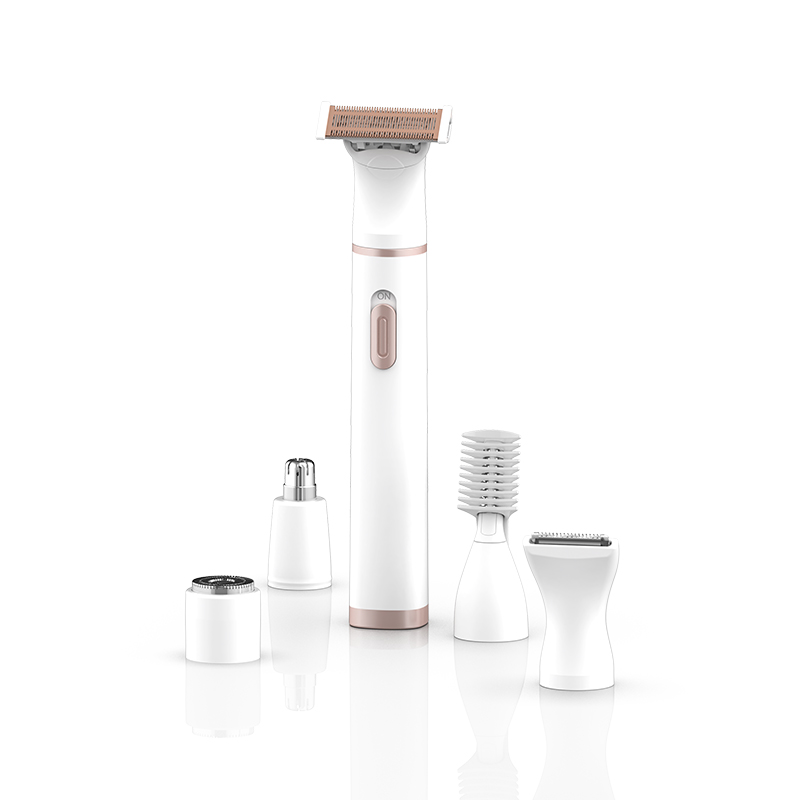
Can I Use an Electric Shaver on My Pubic Area? Yes, Here's How to Do It Safely
Can you use an electric shaver on your pubic area? Yes — and for most people, it is actually the safest grooming method available. Electric shavers keep the cutting blades behind a protective foil or guard, so sharp edges never drag directly across the skin. That design eliminates most of the cuts, razor burn, and post-shave infections that manual razors cause on sensitive skin. The real question is not whether you can use one, but which model to choose and how to use it properly. This article gives you a direct safety answer, compares grooming methods, lists the specifications that matter, walks through a step-by-step routine, and answers common questions about electric pubic shaving. Why an Electric Shaver Is Safer Than a Manual Razor An electric shaver is safer for pubic grooming than a manual razor because the blades never touch the skin directly; hair is cut through a perforated foil or between guarded teeth, which prevents slicing cuts and limits friction to the guard surface. Manual razors scrape away a thin layer of the epidermis along with the hair, which is why razor burn, redness, and micro-cuts are so common in the bikini area. The skin there is thinner, more folded, and more sensitive than on the face or legs. An electric shaver cuts only the hair that enters the guard, leaving the surrounding skin untouched. Most electric shavers also work on dry skin, so no shaving cream or foam is needed. This removes chemical irritants from the routine and makes the process faster. For anyone who deals with folliculitis or ingrown hairs, the reduced skin trauma is a decisive benefit. Comparing common pubic-grooming methods Method Cut risk Irritation Ingrown hairs Convenience Electric shaver Low Low Low High Manual razor High High Medium Medium Waxing Low Medium Medium Low Depilatory cream Low High on sensitive skin Medium Medium What to Look For in a Pubic-Area Electric Shaver Not every electric shaver is suitable for the pubic area. The right model combines four specifications: guarded or rounded blades, a compact trimmer head, a waterproof or washable body, and a motor with low vibration. Guarded or rounded blades Rounded or wrapped blade edges prevent pinching and scratching on curved, sensitive skin. Waterproof or washable body An IPX7-rated or fully washable shaver can be rinsed under the tap and used safely around water. Compact trimmer head A small head reaches folds and contours without overstretching the skin. Quiet, low-vibration motor Less vibration means less friction against the skin and a more comfortable experience. When a product is marketed for women's private or bikini use, that is a reliable signal that the manufacturer has already addressed blade geometry, head size, and skin-contact materials for this sensitive region. Women's Private Shaver SF-2100: Compact, Washable, ErgonomicThis palm-sized shaver is designed for women's sensitive areas with an in-line cutter head and waterproof IP7 body. It suits travel and quick touch-ups, fitting easily in a bag.View Product → For travel and quick touch-ups, compact lipstick-style shavers are another practical format because the small head follows the bikini line easily and the device takes up almost no space in a bag. How to Shave Your Pubic Area with an Electric Shaver The following routine takes about five minutes and keeps irritation to a minimum. Trim long hair first. If hair is longer than about 5 mm, shorten it with a trimmer attachment or scissors. Cutting long hair directly with a shaver pulls the hair and clogs the blades. Clean and dry the skin. Wash with warm water and a mild, fragrance-free cleanser, then dry completely. Most electric shavers are designed for dry use, and wet skin increases drag. Pull the skin taut. Use your free hand to flatten the area before each stroke. This stops the foil from catching in folds. Shave in the direction of hair growth. Move the shaver in slow, short strokes without pressing down. Let the guard glide over the skin. Handle tricky spots lightly. Around the bikini line and creases, use gentle circular motions, but do not go over the same spot more than twice. Rinse and moisturize afterward. Rinse with cool water, pat dry with a clean towel, and apply a gentle, fragrance-free moisturizer or post-shave balm. If you prefer one device for the whole body, a multifunctional shaver with interchangeable heads lets you use the same handle for the face, legs, underarms, and bikini area. Multifunctional Women's Electric Shaver SF-1008 with Floating BladesA versatile shaver with wrapped blades and a 35° floating head, featuring a built-in light, quiet motor, and long battery. Ideal for full-body grooming including face, underarms, and bikini line.View Product → Common Mistakes That Cause Irritation and Cuts Most problems with electric pubic shaving come from technique rather than the device itself. Avoid these six mistakes: Pressing too hard. Pressure does not improve cutting; it increases friction. The guard should glide, not dig. Shaving against the grain. Going against the hair direction raises the risk of ingrown hairs and redness, especially on sensitive skin. Using a dull or dirty blade. A clogged or worn blade pulls hair and creates micro-abrasions. Replace heads according to the manufacturer's schedule. Sharing your shaver. The pubic area has a delicate microbiome, and sharing a device can transfer bacteria and cause folliculitis. Shaving wet skin with a non-waterproof shaver. Use a waterproof model, or keep the skin perfectly dry. Using a facial shaver for the pubic area. Facial shavers have smaller heads and less blade protection; they are designed for flat skin, not curves and folds. If you prefer a compact tool for precise touch-ups, choose a lipstick-style shaver that is purpose-built for private-area grooming rather than a facial shaver. 2-in-1 Lipstick Shaver with 18K Gold Blade and USB ChargingA compact, dual-purpose grooming tool for eyebrows and private areas. Its arched blade and gentle 18K gold surface avoid skin irritation, making it a precise, portable option for touch-ups.View Product → Cleaning and Maintaining Your Shaver A clean shaver is the single most important factor in preventing skin reactions. Hair, oil, and dead skin cells build up in the guard quickly, turning it into a breeding ground for bacteria. Rinse the head under running water after each use if the shaver is washable; otherwise, brush out hair with the included cleaning brush. Disinfect the head weekly with a drop of mild soap or an alcohol wipe, then dry it completely. Apply a drop of blade oil every month to keep the cutting action smooth. Replace the foil or blade head when you notice pulling, tugging, or reduced efficiency, usually every 6 to 12 months. Always check the official precautions for using the SF1008 multifunctional shaver if you own that model, especially regarding wet use and head maintenance. Frequently Asked Questions Can I use a regular face shaver on my pubic area? Technically, yes, but it is not recommended. A face shaver has a smaller head and a foil designed for flat, less sensitive skin, so it handles curves and folds poorly. A device built for private-area grooming is always a safer choice. Is it safe to use an electric shaver on wet skin? Only if the shaver is explicitly rated waterproof or washable. Using a non-waterproof shaver on wet skin can damage the motor and increases the risk of electric shock. Check the IP rating before use. Will an electric shaver cause ingrown hairs? Electric shavers cause fewer ingrown hairs than manual razors because the hair is cut cleanly at the surface rather than pulled and sliced below the skin line. To reduce ingrown hairs further, exfoliate gently twice a week and moisturize daily. How often should I groom? Most people groom every one to three weeks, depending on hair growth rate. Shaving the same area repeatedly in one session does more harm than good; two light passes over one spot is enough. Can men use an electric shaver for pubic grooming? Yes. The safety principles are the same for male and female anatomy. Pick a shaver with a compact head and guarded blades, and follow the same preparation, technique, and aftercare routine. The bottom line: an electric shaver is not only safe to use on your pubic area, it is often the best option for sensitive skin. Choose a model designed for bikini or intimate grooming, keep it clean, and use light, slow strokes. For a longer-term perspective, see how regular maintenance with a women's private shaver compares with more invasive methods like laser hair removal. .article-section table{display: table!important;border-collapse:collapse;width:100%;margin-bottom:16px;} .article-section thead{display: table-header-group!important;} .article-section tbody{display: table-row-group!important;} .article-section tr{display: table-row!important;} .article-section th{display: table-cell!important;font-weight:bold;border:1px solid #cccccc;padding:8px;} .article-section td{display: table-cell!important;border:1px solid #cccccc;padding:8px;} .article-section caption{caption-side:bottom;font-size:16px;margin-bottom:12px;font-style:italic;color:#808080;} .article-section h2{font-size:1.55em;font-weight:bold;text-align:left;margin-top:40px;margin-bottom:10px;border-left:5px solid #0077cc;padding-left:14px;color:#0a2a4a;} .article-section h3{font-size:1.2em;font-weight:bold;text-align:left;margin-top:28px;margin-bottom:8px;color:#0a2a4a;} .article-section p{font-size:16px!important;margin-bottom:12px;} .article-section ul{margin-bottom:12px;list-style-type:disc;list-style-position:inside;} .article-section ol{margin-bottom:12px;list-style-type:decimal;list-style-position:inside;padding-left:0;} .article-section li{list-style:inherit;font-size:16px;margin-bottom:6px;} .article-section .feature-grid{display:grid;grid-template-columns:repeat(auto-fit,minmax(210px,1fr));gap:16px;margin-bottom:16px;} .article-section .feature-card{background:#f8fafc;border:1px solid #e2e8f0;border-radius:8px;padding:16px;} .article-section > a[data-product-card="true"]{display:block;background:#f0f7fc;border-left:4px solid #0077cc;padding:12px 16px;margin-bottom:16px;text-decoration:none;color:#0a2a4a;font-size:16px;} .product-card{display:block;margin:20px 0;border:1px solid #e5e7eb;border-radius:10px;overflow:hidden;font-style:normal;background:#fff} .pc-inner{display:flex;text-decoration:none;color:inherit;align-items:center;min-height:120px} .pc-img{width:160px;min-width:160px;aspect-ratio:4/3;height:auto;min-height:120px;object-fit:cover;flex-shrink:0;display:block;align-self:stretch} .pc-body{padding:12px 16px;flex:1;min-width:0;display:flex;flex-direction:column;align-self:stretch;justify-content:center} .pc-title{display:block;font-size:15px;font-weight:600;color:#111;margin:0 0 6px;line-height:1.4} .pc-desc{display:-webkit-box;font-size:13px;color:#6b7280;margin:0 0 8px;line-height:1.5;overflow:hidden;-webkit-line-clamp:2;line-clamp:2;-webkit-box-orient:vertical} .pc-cta{display:block;font-size:13px;font-weight:600;color:inherit;margin-top:auto} .pc-inner:hover .pc-title{text-decoration:underline} .article-section a:not(.pc-inner),article a:not(.pc-inner){color:inherit}.pc-cta{color:inherit!important}
VIEW FULL ARTICLE -
 Sep 11,2026
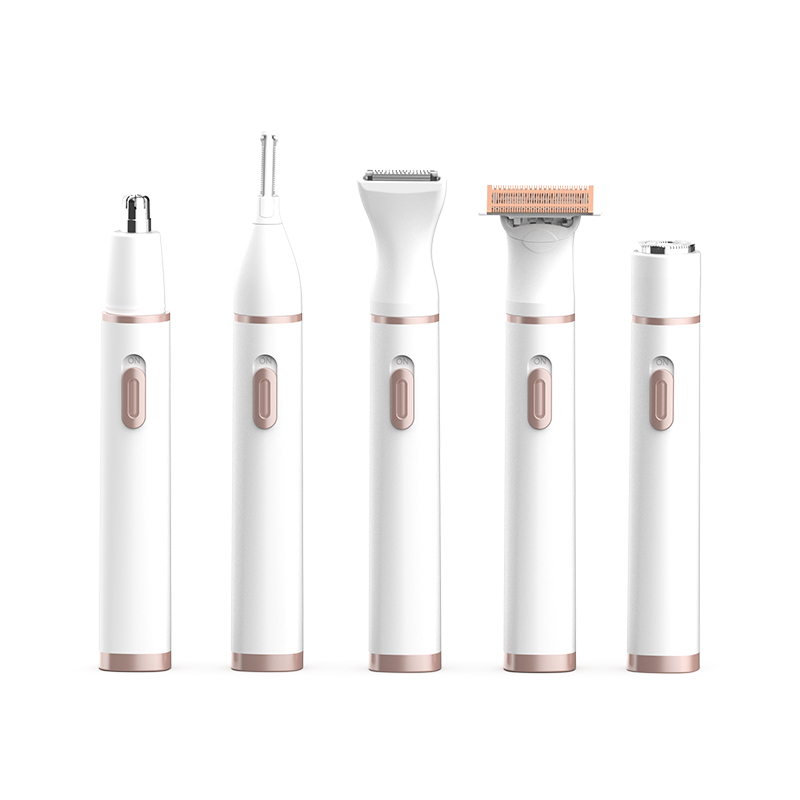
Can I Use an Electric Shaver for Pubic Hair? The Complete Safety and Usage Guide
Can you use an electric shaver for pubic hair? Yes, you can — provided the shaver is designed for body grooming rather than facial shaving. Dedicated private shavers and body trimmers use protective guards, rounded blades, and waterproof construction that make them safe for sensitive skin. A standard facial foil shaver, by contrast, cuts too close and increases the risk of razor burn, ingrown hairs, and micro-abrasions. This guide explains which shavers are suitable, how to use them correctly, and what mistakes to avoid. Yes, You Can — But Only with the Right Shaver A dedicated body groomer or women's private shaver is the safest choice for pubic hair, while a standard facial electric shaver is not. This is the first and most important conclusion to remember. The skin in the pubic region is thinner, more elastic, and far more sensitive than facial skin. It also has natural folds and curves that a flat, rigid shaver head cannot follow easily. Standard facial shavers are engineered for flat surfaces and produce an extremely close cut. On pubic skin, that closeness translates into higher friction, redness, and more opportunities for nicks. The area also retains heat and moisture, so even small abrasions can become irritated quickly without proper care. What makes an electric shaver suitable for pubic hair? These features matter most: Protective comb or guard cap that lifts hair while shielding the blade, preventing pinching and cuts. Rounded or hypoallergenic blade edges that reduce micro-trauma to the skin. Waterproof construction that permits wet shaving with gel, which cuts friction dramatically. Compact pivoting head that follows body contours instead of skipping over them. Low noise and stable vibration levels, which make the experience noticeably more comfortable. This is exactly why a professional manufacturer like Yuyao Aisen Electric Appliance Co., Ltd. maintains a separate women's private shaver product line rather than suggesting a general-purpose facial shaver for intimate grooming. Women's Private Electric Shaver SF-2100 for Sensitive GroomingThis compact, washable shaver with an IPX7 waterproof design suits wet or dry use. Its ergonomic handle and hypoallergenic operation make it a practical choice for regular body grooming, especially for sensitive skin.View Product → Electric Shaver vs. Manual Razor: What the Comparison Shows An electric shaver is generally safer and faster for pubic hair grooming, while a manual razor delivers a closer result at the cost of noticeably higher irritation risk. If removing hair completely is your priority and your skin tolerates blades well, a manual razor can work; but for regular maintenance on sensitive or reactive skin, an electric shaver is the better trade-off. Comparison of electric shaver and manual razor characteristics for pubic hair grooming. Factor Electric Shaver Manual Razor Closeness of result Short stubble remains Very close to the skin Risk of cuts and nicks Low Moderate to high Razor burn tendency Lower Higher Ingrown hair risk Moderate High Wet or dry use Depends on the model Typically wet only Typical session time 2–3 minutes 5–10 minutes Blade maintenance Clean after each use; replace every 6–12 months Replace cartridge every 5–10 shaves If you are weighing an electric shaver against longer-term methods such as laser hair removal, our detailed look at the benefits of a private shaver versus laser methods lays out the cost, comfort, and maintenance trade-offs clearly. How to Shave Pubic Hair Safely with an Electric Shaver Using the correct technique matters as much as the shaver itself. The single most effective way to avoid irritation is to prepare the skin and hair properly and follow a consistent aftercare routine. Trim long hair to about 5 cm (2 inches) or shorter using a trimmer guard or small scissors, always cutting in the direction of hair growth. Exfoliate gently with a soft washcloth in the shower to lift dead skin and release hair that has started to grow inward. Apply a hypoallergenic shaving gel or pre-shave oil if your shaver is wet-rated. This reduces friction by a large margin and makes the blades glide smoothly. Stretch the skin taut with one hand and use short, overlapping strokes with the shaver held at a low angle. Shave with the grain on the first pass. Only attempt a second pass against the grain if you need extra closeness and you know your skin tolerates it. Rinse the shaver head under warm water every few strokes to prevent hair buildup from dulling the blades and pulling at the skin. Rinse the shaved area with cool water, pat it dry, and apply a fragrance-free, alcohol-free moisturizer or soothing balm. If your shaver is fully waterproof, you can perform the entire routine under running water in the shower. Wet shaving with gel is especially helpful in the pubic area because it limits the friction that causes post-shave redness and bumps. A fully waterproof epilator shaver such as the SF1005M is a practical example of a model that supports this wet routine. Waterproof Painless Mini Epilator SF-1005 for Wet ShavingFully waterproof and washable, this mini epilator supports wet shaving with gel in the shower, helping reduce friction and post-shave irritation. Its compact design suits home use and precise grooming routines.View Product → Common Mistakes to Avoid Most shaving injuries in the pubic area come down to a handful of avoidable errors. The most common are using a facial shaver, pressing down too hard, and dry-shaving with a device that is not meant for it. Using a standard facial foil or rotary shaver on the pubic area. The blade gap and cutting speed are wrong for sensitive skin. Pressing the shaver against the skin as firmly as you would on your legs or face. The device should glide with light contact only. Going against the grain on the first pass. This is the fastest route to razor burn and ingrown hairs. Dry-shaving with a non-waterproof shaver. Without lubrication, the blades pull at the skin and leave micro-scratches. Continuing with a clogged or dull blade head. Clean the head after every session and replace it every 6 to 12 months depending on use frequency. Repeatedly shaving the same spot in one session. If the first pass did not remove everything, wait until the next day rather than overworking the area. Skipping post-shave moisture. The pubic area loses moisture quickly after shaving, and dryness makes the skin tight, itchy, and prone to flaking. What to Look for When Choosing an Electric Shaver for Pubic Hair Prioritize blade protection, waterproofing, head size, and charging convenience over brand names or price when choosing an electric shaver for intimate grooming. The following factors directly affect safety and comfort. Protective Guard and Blade Design A shaver with a comb guard or a wrapped-blade design is significantly safer than a bare foil shaver. The guard keeps the blade from sitting directly on the skin, which prevents cuts in folded areas. Rounded blade edges also reduce the micro-scratches that lead to post-shave itching. A wrapped-blade structure, as seen in the SF1008 multifunctional shaver, is a good example of this protective design in practice. Women's Multifunctional Electric Shaver SF-1008 with Wrapped BladeThe wrapped-blade design isolates skin from direct blade contact, reducing cuts and micro-scratches. A 35° floating head follows body contours, and the quiet, quick-charging motor supports efficient, comfortable grooming.View Product → Waterproof Rating Check whether the shaver has an IPX7 waterproof rating or is only splash-proof. A fully waterproof model allows wet shaving with gel or foam, which is the most comfortable way to groom sensitive areas. A splash-proof model is fine for occasional dry use, but it limits your options on days when you want the extra glide of wet shaving. Head Size and Maneuverability The best shavers for the pubic area have compact heads that follow curves and reach small areas without stretching the skin. A wide shaver head, typically found in men's facial shavers, cannot handle the contours of the bikini line well and is more likely to leave patches or apply uneven pressure. Battery and Cleaning Convenience USB rechargeable models are convenient for travel and avoid the cost of replacement batteries. Look for a shaver with at least 60 minutes of runtime on a full charge. Cleaning should also be simple: a removable head that can be rinsed under the tap makes hygiene far easier and extends the life of the blades. Frequently Asked Questions Can I use a regular men's electric shaver for pubic hair? We do not recommend it. Men's facial shavers cut too closely and have no protective comb for sensitive areas. The risk of razor burn and nicks is noticeably higher. A dedicated body groomer or women's private shaver is designed with the right blade gap and guard for the area. Is it safe to use an electric shaver on the pubic area? Yes, with a shaver that has a protective guard and rounded blades. Keep the skin taut, use short strokes, and avoid pressing down. For those with easily irritated skin, wet shaving with a waterproof model and a mild gel further reduces risk. What causes razor bumps after electric shaving? Razor bumps are typically the result of hair that retracts below the skin surface and curls while growing. Exfoliating before shaving, shaving in the direction of growth, and avoiding tight clothing immediately after shaving all help prevent them. Replacing a dull blade head is also important. How often should I shave the pubic area with an electric shaver? Most people shave every 2 to 3 days for routine maintenance. Shaving more often than every 48 hours increases irritation, while waiting longer than a week makes the first pass uncomfortable because the hair is longer and stiffer. Should I use a separate shaver for pubic hair and face? Yes. Sharing the same shaver between facial shaving and pubic grooming is unhygienic and technically unsafe because facial shavers lack the appropriate guard design. If a product is marketed for different body zones, the blade geometry and head design are optimized for those zones independently. Final Advice: Choose the Right Tool, Keep It Clean Using an electric shaver for pubic hair is safe and practical when you choose a dedicated, well-designed model and follow a consistent preparation, shaving, and aftercare routine. Start with a trimmer or a private shaver with a guard, never use a facial shaver for intimate full-removal attempts, keep the blade head clean, and always moisturize afterwards. Regular maintenance of the shaver itself — rinsing, drying, and timely blade replacement — is equally important for hygiene and comfort. If you are a brand owner, importer, or distributor looking for OEM/ODM grooming products with customized specifications, the engineering and manufacturing team at Yuyao Aisen Electric Appliance Co., Ltd. can support everything from product design to final packaging. Get in touch through our contact page to discuss private label options. .article-section table{display: table!important;} .article-section thead{display: table-header-group!important;} .article-section tbody{display: table-row-group!important;} .article-section tr{display: table-row!important;} .article-section th{display: table-cell!important;} .article-section td{display: table-cell!important;} .article-section caption{caption-side:bottom;font-size:16px;margin-bottom:12px;font-style:italic;color:#808080;} .article-section th{font-weight:bold;border:1px solid #cccccc;padding:8px;} .article-section td{border:1px solid #cccccc;padding:8px;} .article-section ol{margin-bottom:12px;list-style-type:decimal;list-style-position:inside;padding-left:0;} .article-section ul{margin-bottom:12px;list-style-type:disc;list-style-position:inside;} .article-section li{list-style:inherit;font-size:16px;margin-bottom:6px;} .article-section h2{font-size:1.55em;font-weight:bold;text-align:left;margin-top:40px;margin-bottom:10px;border-left:5px solid #0077cc;padding-left:14px;color:#0a2a4a;} .article-section h3{font-size:1.2em;font-weight:bold;text-align:left;margin-top:28px;margin-bottom:8px;color:#0a2a4a;} .article-section p{font-size:16px!important;margin-bottom:12px;} .product-card{display:block;margin:20px 0;border:1px solid #e5e7eb;border-radius:10px;overflow:hidden;font-style:normal;background:#fff} .pc-inner{display:flex;text-decoration:none;color:inherit;align-items:center;min-height:120px} .pc-img{width:160px;min-width:160px;aspect-ratio:4/3;height:auto;min-height:120px;object-fit:cover;flex-shrink:0;display:block;align-self:stretch} .pc-body{padding:12px 16px;flex:1;min-width:0;display:flex;flex-direction:column;align-self:stretch;justify-content:center} .pc-title{display:block;font-size:15px;font-weight:600;color:#111;margin:0 0 6px;line-height:1.4} .pc-desc{display:-webkit-box;font-size:13px;color:#6b7280;margin:0 0 8px;line-height:1.5;overflow:hidden;-webkit-line-clamp:2;line-clamp:2;-webkit-box-orient:vertical} .pc-cta{display:block;font-size:13px;font-weight:600;color:inherit;margin-top:auto} .pc-inner:hover .pc-title{text-decoration:underline} .article-section a:not(.pc-inner),article a:not(.pc-inner){color:inherit}.pc-cta{color:inherit!important}
VIEW FULL ARTICLE -
 Sep 03,2026
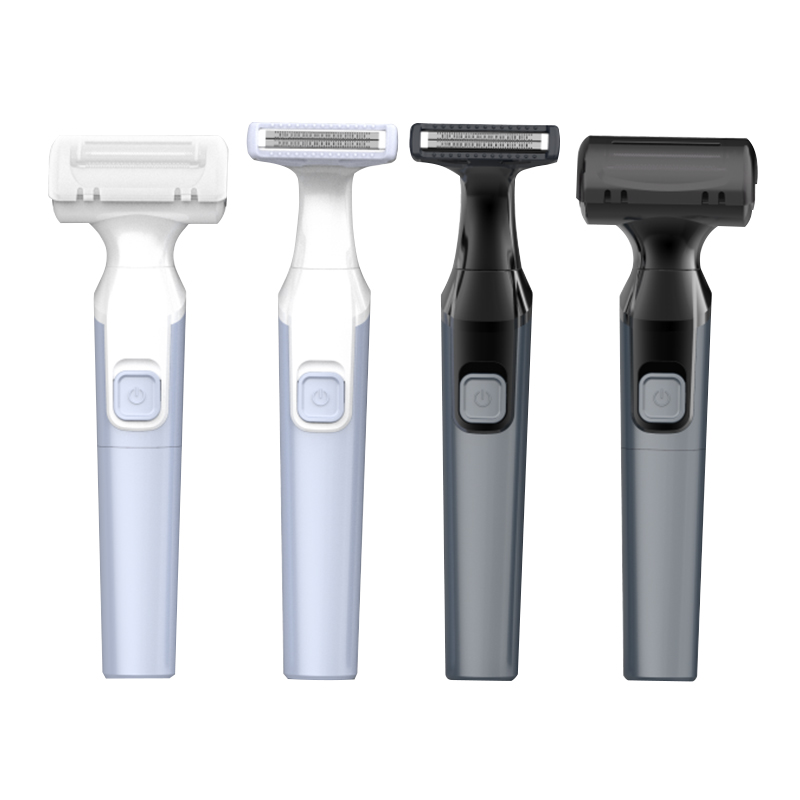
Can I Use an Electric Shaver Before Laser Hair Removal? Safe Timing Rules
Yes, you can use an electric shaver before laser hair removal — as long as you shave 24 to 48 hours before the session and avoid causing any skin irritation. The key is not the type of shaver itself, but the state of your skin when the laser fires. Laser energy targets the hair follicle beneath the surface; it doesn't care whether the surface hair was cut by a razor blade or a powered shaver. What it does care about is that the skin is clean, dry, and free of fresh cuts, nicks, or redness. Here is the short answer for most clinics: an electric shaver is acceptable, but manual razor shaving is usually preferred because it leaves the hair shaft almost flush with the skin. If you want a more forgiving option for sensitive skin or travel, a quality electric shaver will do the job too. Just be deliberate about timing and hygiene. What Does Shaving Do Before Laser Hair Removal? Shaving before laser hair removal is a preparation step, not an optional one. The laser passes through the surface hair and heats the melanin in the follicle. If the hair is too long, the laser energy gets absorbed by the visible hair shaft, producing surface heat, not follicle damage. That means more discomfort, less effective treatment, and sometimes charred hair on the skin. Shaving leaves just enough hair below the surface for the laser to track, while eliminating the part that would absorb energy above the skin. This is why your provider will ask you to shave 24–48 hours before the appointment. It gives any microscopic cuts time to heal and keeps the skin barrier intact. How Far in Advance Should You Shave with an Electric Shaver? The ideal window is 24–48 hours before treatment. If you shave too close to the appointment, the skin can react to the razor's friction; if you shave too early, the hair regrows and the laser has less target to work with. Comparison of hair-removal methods for laser preparation Method Works for laser prep? Best timing Main risk Manual razor Yes 24–48 hours before Cuts and razor burn Electric shaver Yes 24–48 hours before Leaves stubble if not pressed lightly Waxing or plucking No Stop 4 weeks before Removes the follicle target Hair removal cream No Stop 2 weeks before Chemical irritation risk An electric shaver is a safe option during this window. It is particularly useful if your skin is prone to redness from a manual blade, because the cutting action is typically less aggressive. Step-by-Step Prep Using an Electric Shaver Follow this order for the cleanest result and lowest chance of skin irritation before a laser session. Shave 24–48 hours before the appointment, not the same morning. Wash the treatment area with a gentle, fragrance-free cleanser and pat dry completely. If you have a full-body electric shaver, use the shortest trimmer setting first for longer hair. Use a clean, charged shaver with a sharp blade. Do not press hard; let the shaver glide over the skin. Rinse the shaver head after the first pass and finish with a gentle cool-water rinse. Apply a light, non-irritating moisturizer after shaving, but avoid heavy lotions on the day of treatment. If you shave the night before, make sure the area is not red, blotchy, or sore when you arrive. Your laser technician can still treat minor shaving redness, but open cuts or active breakouts should be reported. Does the Type of Electric Shaver Matter? Yes, but less than you might think. The key features are blade coverage, safety caps, and whether the shaver leaves a clean cut without tugging. Rotary shavers with rounded, floating heads tend to be gentler on curved areas like the lip and chin. Foil shavers are excellent for larger, flatter surfaces like the legs and arms. Some models are designed specifically for women's body hair with a built-in eyebrow trimmer or a private-area attachment, making them useful for a full treatment plan. Washable Silent Electric Shaver with 3D Floating HeadThis washable shaver features a dual-cylinder cutter head and 3D floating net for gentle, close shaves on curves. Its silent motor helps reduce stress, and the washable head ensures hygiene for sensitive areas.View Product → Look for a washable model so you can rinse the head after each use. This matters because residual hair can harbor bacteria and increase the risk of dull blades before your next shave. A shaver with a silent motor also reduces stress when you are preparing sensitive areas. What to Avoid in the Days Before Laser Hair Removal Certain habits can sabotage your session, even if you used the right shaver. Do not pluck, wax, or use electrolysis for at least 4 weeks before treatment. These methods remove the hair root, which is exactly what the laser needs to target. Do not use an electric shaver if you have active acne, sunburn, or a fresh rash in the treatment area. Wait until the skin is clear. Avoid alcohol, retinol, and exfoliating acids for 3–5 days before your appointment. They can make the skin more sensitive to laser energy. Do not use any hair removal cream in the same 2-week window. The chemicals can leave residue and increase irritation risks. Skip caffeine just before the session if you are worried about sensitivity; this is a common clinic recommendation. If your clinic explicitly discourages electric shavers, ask why. Sometimes they require a very close shave that only a manual razor can achieve. Always follow the instructions of your laser provider first. Common Concerns and Practical Alternatives Many people worry that an electric shaver will leave too much hair for the laser. In practice, a modern electric shaver with a quality blade gets close enough, especially if you are shaving 24 hours beforehand. If you have very coarse, dense hair and your clinic requires a clean-shaven look, use a manual razor instead. If you are on a travel schedule, a compact battery-operated shaver can be a practical backup. The important thing is to keep the blade clean and the skin calm. Men's Mini Portable Shaver with Dual-Ring Floating BladeCompact and battery-operated, this shaver is a travel-friendly backup. The dual-ring blade increases contact area for quicker shaving, and a built-in fill light illuminates skin for precise grooming.View Product → For larger-scale preparation, a multi-function shaver that handles legs, underarms, and even private areas with the same device can simplify your pre-laser routine. This is especially useful if you are preparing multiple body zones for the same appointment. Women's Multifunctional Electric Shaver for Body HairDesigned for multiple body zones, this shaver uses a wrapped blade and 35-degree floating design to protect skin. It features a quiet motor, quick charging, and anti-slip grip, making it suitable for pre-laser preparation.View Product → Also keep in mind that the quality of the device affects the outcome. A well-engineered shaver built with rounded blades and a washable head will cause less friction and fewer nicks. This is exactly why the manufacturing standards of your shaver matter before a laser session. We've shared more on our consistent production process in this article about our hair remover quality control system. Maintaining Your Electric Shaver for Laser Prep A clean blade is just as important as the timing of your shave. If you use an electric shaver on the day you prep for laser hair removal, always rinse the head after every pass. Regular cleaning prevents bacteria and dead skin from building up. It also keeps the blade sharp enough to cut hair cleanly rather than tugging. For step-by-step instructions, see our guide on how to clean and maintain an electric shaver. A small amount of maintenance goes a long way toward smoother results. Frequently Asked Questions Can I shave a few hours before laser hair removal? You generally shouldn't. Shaving 2–3 hours before can leave microscopic cuts and cause the laser to sting more. A 24–48 hour window is recommended. Does an electric shaver work as well as a razor before laser? For most people, yes. It works well enough, especially on the arms, legs, and underarms. For dense facial hair, a manual razor may give a closer cut. Follow your clinic's preference. What happens if you shave too soon before laser? You risk skin irritation, redness, and possibly a less comfortable treatment. If you have an obvious cut or rash, your technician may ask you to reschedule. Can I use an electric shaver on my face before laser hair removal? Yes, but choose a gentle, compact device. Use light pressure and avoid the lip and chin if you have active acne or sensitivity. Should I shave the night before or the morning of? The night before is usually safer. It allows your skin to recover while still leaving the hair shaft at the right length. If your clinic says the morning of is fine, ask about their specific requirements. Can laser hair removal be done if I didn't shave at all? No. An unshaven treatment can cause surface hair to singe and absorbs energy away from the follicle. Shaving is a mandatory requirement. Using an electric shaver before laser hair removal is completely reasonable when you plan ahead. Keep the shaver clean, shave 24–48 hours before the appointment, and leave your skin calm on arrival. If you are ever unsure, ask your laser technician — they know the exact hair length and skin condition that gives the best results. .article-section table{display: table!important;} .article-section thead{display: table-header-group!important;} .article-section tbody{display: table-row-group!important;} .article-section tr{display: table-row!important;} .article-section th{display: table-cell!important;} .article-section td{display: table-cell!important;} .article-section table{border-collapse: collapse; width:100%; margin-bottom:12px;} .article-section caption{caption-side:bottom;font-size:16px;margin-bottom:12px;font-style:italic;color:#808080;} .article-section th{font-weight:bold;border:1px solid #cccccc;padding:8px;} .article-section td{border:1px solid #cccccc;padding:8px;} .article-section ol{margin-bottom:12px;list-style-type:decimal;list-style-position:inside;padding-left:0;} .article-section ul{margin-bottom:12px;list-style-type:disc;list-style-position:inside;} .article-section li{list-style:inherit;font-size:16px;margin-bottom:6px;} .article-section h2{font-size:22px;font-weight:bold;text-align:left;margin-top:40px;margin-bottom:12px!important;border-left:5px solid #0077cc;padding-left:14px;color:#0a2a4a;} .article-section h3{font-size:16px;font-weight:bold;text-align:left;margin-top:28px;margin-bottom:8px;color:#0a2a4a;} .article-section p{font-size:16px!important;margin-bottom:12px;} .product-card{display:block;margin:20px 0;border:1px solid #e5e7eb;border-radius:10px;overflow:hidden;font-style:normal;background:#fff} .pc-inner{display:flex;text-decoration:none;color:inherit;align-items:center;min-height:120px} .pc-img{width:160px;min-width:160px;aspect-ratio:4/3;height:auto;min-height:120px;object-fit:cover;flex-shrink:0;display:block;align-self:stretch} .pc-body{padding:12px 16px;flex:1;min-width:0;display:flex;flex-direction:column;align-self:stretch;justify-content:center} .pc-title{display:block;font-size:15px;font-weight:600;color:#111;margin:0 0 6px;line-height:1.4} .pc-desc{display:-webkit-box;font-size:13px;color:#6b7280;margin:0 0 8px;line-height:1.5;overflow:hidden;-webkit-line-clamp:2;line-clamp:2;-webkit-box-orient:vertical} .pc-cta{display:block;font-size:13px;font-weight:600;color:inherit;margin-top:auto} .pc-inner:hover .pc-title{text-decoration:underline} .article-section a:not(.pc-inner),article a:not(.pc-inner){color:inherit}.pc-cta{color:inherit!important}
VIEW FULL ARTICLE -
 Aug 24,2026
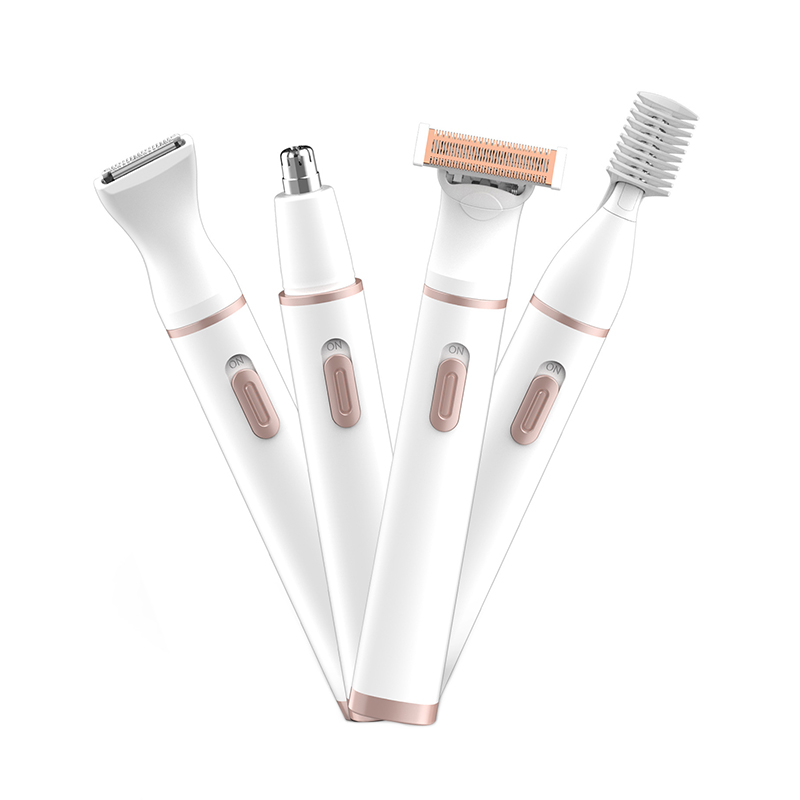
How to Shave Your Face with an Electric Razor: Step-by-Step Guide for Men
Shave your face with an electric razor by starting with clean, dry skin, holding the foil flat against your face at about a 90-degree angle, and moving the shaver slowly, mostly against the direction of beard growth, with light pressure. The razor does the cutting; your job is to control speed, angle, and pressure. Get these three things right and you can avoid razor burn, ingrown hairs, and patchy results. An electric razor cuts hair with a fast-moving blade behind a thin foil or between spinning cutters, instead of with an exposed blade like a manual razor. Because the cutting edge never touches the skin directly, electric shaving is often gentler on sensitive skin than cartridge shaving, but it rewards a different technique. This guide covers the steps that matter most, from preparation and choosing a razor to technique, cleaning, and aftercare. Prepare Your Face Before Every Shave Preparation determines most of the comfort in an electric shave, and the single most important rule is to work on dry hair unless your unit is explicitly rated for wet shaving. Wash your face with warm water to remove oil, dust, and sweat, then pat it completely dry. Clean, dry hair stands upright and feeds into the foil more evenly than damp hair, which clings to the skin. Trim hairs longer than about 1 cm before shaving. Electric shavers are designed for stubble, not a full beard; long hair should be shortened with a beard trimmer or a trimmer attachment first. Wait a few minutes after a hot shower if your face feels flushed. Heated skin is more sensitive, and shaving right away increases redness. Avoid heavy creams or wet-shave pre-shave products before a dry electric shave; they clog the foil and make the cutter drag. Choose the Right Razor for Your Face A foil shaver is the easier starting point for facial shaving because its flat head sits naturally against the cheeks and jaw, but the choice between foil and rotary comes down to your beard type and comfort. Foil and rotary shavers each suit a different kind of facial hair and shaving motion. Consideration Foil shaver Rotary shaver Head shape Flat foil; straight back-and-forth motion Two or three circular heads that follow contours Best for Fine or light stubble, sensitive areas Coarse or curly hair, rounded jawlines Recommended motion Short straight strokes Small circular strokes Typical noise Generally quieter Usually louder Both types work well when the head is held flush against the skin and moved slowly. If you travel often, a compact body with a standard foil, such as the men's mini portable electric shaver, is easy to carry and quick to use in a hotel bathroom. Whichever format you pick, look for a replaceable foil and cutter, because every foil dulls with use and a new head costs far less than a whole shaver. Custom Men's Mini Portable Shaver (SF-1005) Suppliers, OEM/ODM Factory - Yuyao AAs a China Men's Mini Portable Shaver (SF-1005) suppliers and Men's Mini Portable Shaver (SF-1005) factory, Yuyao Aisen Electric Applianc...View Product → Follow This Shaving Technique for a Close, Smooth Result The correct electric-shaver technique is slow, light, and mostly straight, with the head held flat so the foil rather than its edge touches the skin. Hold the shaver at about 90 degrees to your skin. The flat foil should be the only contact point; tilting it so a corner presses into the skin invites scratches and razor burn. Start with a with-the-grain pass to remove the bulk of the hair, then make a second against-the-grain pass if you want a closer finish. Against-the-grain passes give the nearest cut but add irritation risk, especially on the neck. Keep the skin taut. Use your free hand to stretch your cheek and pull the neck area slightly flat; a firm surface lets the foil catch more hairs per stroke. Move slowly, about two or three seconds per section, and let the cutter do the work. Pressing harder does not cut closer; it pushes the foil into the skin and causes redness and micro-cuts. Use short, straight strokes on the cheeks and small circular strokes on the jawline to pick up hairs at different angles. Reduce pressure by about half on the neck, where the skin is thinner and more prone to razor burn. Stop if the foil feels warm. For the edges of a beard, the hair inside the nose, and the area near the eyebrows, use a trimmer attachment instead of forcing the main foil. On a combined unit like the four-in-one multifunctional electric shaver, the nose and eyebrow trimmers handle those touch-ups without pulling the skin. Custom Four-in-one multifunctional electric shaver, eyebrow trimmer, nose hair tAs a China Four-in-one multifunctional electric shaver, eyebrow trimmer, nose hair trimmer and epilator (SF-1007) suppliers and Four-in-o...View Product → Avoid These Common Mistakes That Cause Razor Burn Nearly all razor burn from an electric shaver comes from three fixable errors: pressing too hard, moving too fast, and skipping the preparation step. Razor burn is usually a technique problem, not a hardware problem. Mistake What happens How to fix it Pressing the shaver hard into the skin The foil digs in, leaving red marks and micro-irritation Use light pressure and let the cutter do the work Shaving too quickly Hairs snag, the result is patchy, and the skin rubs against the foil Slow to two or three seconds per stroke Shaving in random directions Hairs are cut at uneven angles and may curl inward as they regrow Shave with the grain first, then against it Using a dull or oily head The razor pulls or slips instead of cutting cleanly Clean the head after each shave; replace parts every 12 to 18 months Skipping the dry-face rule Moisture makes hair lie flat, so the foil misses hairs and drags more Wash, dry, and trim long hair before shaving Clean and Maintain Your Razor So It Keeps Cutting A clean foil is a sharp foil. Hair clippings, dead skin, and oil build up between the foil and the cutter within a few shaves, and that film is the main reason an electric razor starts to pull. Tap out loose clippings and run the cleaning brush over the foil after every shave. Every three to five shaves, rinse the cutting head under warm running water, but only if the model is washable. A design like the washable silent electric shaverCustom Washable silent electric shaver (SF-1106) Suppliers, OEM/ODM Factory - YuAs a China Washable silent electric shaver (SF-1106) suppliers and Washable silent electric shaver (SF-1106) factory, Yuyao Aisen Electri...View Product → can be rinsed in under a minute and then lubricated with a drop of blade oil. Let the head dry completely before storing the shaver or closing the protective cap. Moisture trapped against the blade can cause corrosion and dull the edge. Lubricate the cutter weekly with a single drop of silicone or clipper oil, then run the shaver for a few seconds to spread it. Replace the foil and cutter when pulling returns after a thorough cleaning, usually every 12 to 18 months for daily use. For a more detailed maintenance schedule, see how to clean and maintain an electric shaver. Care for Your Skin Afterward The ten minutes after shaving decide whether your face feels calm or looks red, so treat the shaved area like freshly exfoliated skin. Rinse your face with cool or lukewarm water to remove loose hairs and soothe the skin. Apply a light, alcohol-free moisturizer or post-shave balm within a few minutes. It holds water in the skin and prevents the tight feeling. Avoid astringent aftershaves with high alcohol content for at least an hour; they sting and dehydrate the shaved surface. Protect the face from sun exposure that day, because freshly shaved skin burns more quickly. Skip harsh active ingredients such as AHAs or retinol until the next morning if your skin is sensitive. Do not re-shave an irritated area for at least 24 hours. Frequently Asked Questions Should I shave my face wet or dry with an electric razor? Shave dry unless the manufacturer explicitly rates the unit as wet and dry. Water makes facial hair lie flat, which reduces the foil's cutting efficiency, so a dry face gives the cleanest pass. Wet-and-dry models are meant for showers with gel or foam and need a different cleaning routine. How long should my facial hair be for an electric razor? The ideal length is stubble up to about 1 cm. At this length the hair stands upright and enters the foil slots easily. Longer hair should be trimmed first with a beard trimmer or the shaver's trimmer attachment, because forcing long hair into a foil pulls and hurts. Why does my electric razor pull and tug even after cleaning? The most common cause is a worn foil or cutter. Foils and blades have a working life of roughly 12 to 18 months depending on daily use and beard coarseness. When pulling returns after a thorough clean, replace the cutting parts instead of buying a new unit. Can I shave against the grain with an electric razor? Yes. Shave with the grain on the first pass, then against the grain on a second pass for a closer finish. Against-the-grain passes increase irritation on the neck, so test a small area first and reduce pressure if the skin stings. How do I prevent razor bumps with an electric razor? Razor bumps form when regrowing hair curls back into the skin. Keep the foil sharp and clean, shave in the direction of growth on sensitive areas, avoid pressing hard, and use a moisturizer after shaving. If bumps persist, skip shaving for a day or two and let the area recover. Is an electric razor safe for sensitive skin? Yes, it is usually safer than a manual razor because the blade never contacts the skin directly. The biggest variable is technique: light pressure, a clean head, and a short pass count more than the price of the unit. Start with a single with-grain pass and add passes gradually as your skin adapts. Reliable shaving comes from repeatable habits: prepare the face, move slowly, keep the head clean, and protect the skin afterward. Each of these steps matters more than any single feature on the razor. The same principle applies on the manufacturing side. Consistent foil tension and cutter tolerances are what stop a shaver from developing hot spots over its lifetime. As a manufacturer of electric shavers and facial trimmers, we build this guide's assumptions into the products we design for our customers. If you are sourcing grooming devices for a brand, you can talk to our manufacturing team about specifications, OEM, and ODM programs. .article-section{line-height:1.8;} .article-section h2{font-size:1.55em;font-weight:bold;text-align:left;margin-top:40px;margin-bottom:12px!important;border-left:5px solid #0077cc;padding-left:14px;color:#0a2a4a;} .article-section h3{font-size:1.2em;font-weight:bold;text-align:left;margin-top:28px;margin-bottom:12px;color:#0a2a4a;} .article-section p{font-size:16px!important;margin-bottom:12px;} .article-section ol{margin-bottom:12px;list-style-type:decimal;list-style-position:inside;padding-left:0;} .article-section ul{margin-bottom:12px;list-style-type:disc;list-style-position:inside;} .article-section li{list-style:inherit;font-size:16px;margin-bottom:6px;} .article-section table{display:table!important;} .article-section thead{display:table-header-group!important;} .article-section tbody{display:table-row-group!important;} .article-section tr{display:table-row!important;} .article-section th{display:table-cell!important;font-weight:bold;border:1px solid #cccccc;padding:8px;} .article-section td{display:table-cell!important;border:1px solid #cccccc;padding:8px;} .article-section caption{caption-side:bottom;font-size:16px;margin-bottom:12px;font-style:italic;color:#808080;} .product-card{display:block;margin:20px 0;border:1px solid #e5e7eb;border-radius:10px;overflow:hidden;font-style:normal;background:#fff} .pc-inner{display:flex;text-decoration:none;color:inherit;align-items:center;min-height:120px} .pc-img{width:160px;min-width:160px;aspect-ratio:4/3;height:auto;min-height:120px;object-fit:cover;flex-shrink:0;display:block;align-self:stretch} .pc-body{padding:12px 16px;flex:1;min-width:0;display:flex;flex-direction:column;align-self:stretch;justify-content:center} .pc-title{display:block;font-size:15px;font-weight:600;color:#111;margin:0 0 6px;line-height:1.4} .pc-desc{display:-webkit-box;font-size:13px;color:#6b7280;margin:0 0 8px;line-height:1.5;overflow:hidden;-webkit-line-clamp:2;line-clamp:2;-webkit-box-orient:vertical} .pc-cta{display:block;font-size:13px;font-weight:600;color:inherit;margin-top:auto} .pc-inner:hover .pc-title{text-decoration:underline} .article-section a:not(.pc-inner),article a:not(.pc-inner){color:inherit}.pc-cta{color:inherit!important}
VIEW FULL ARTICLE -
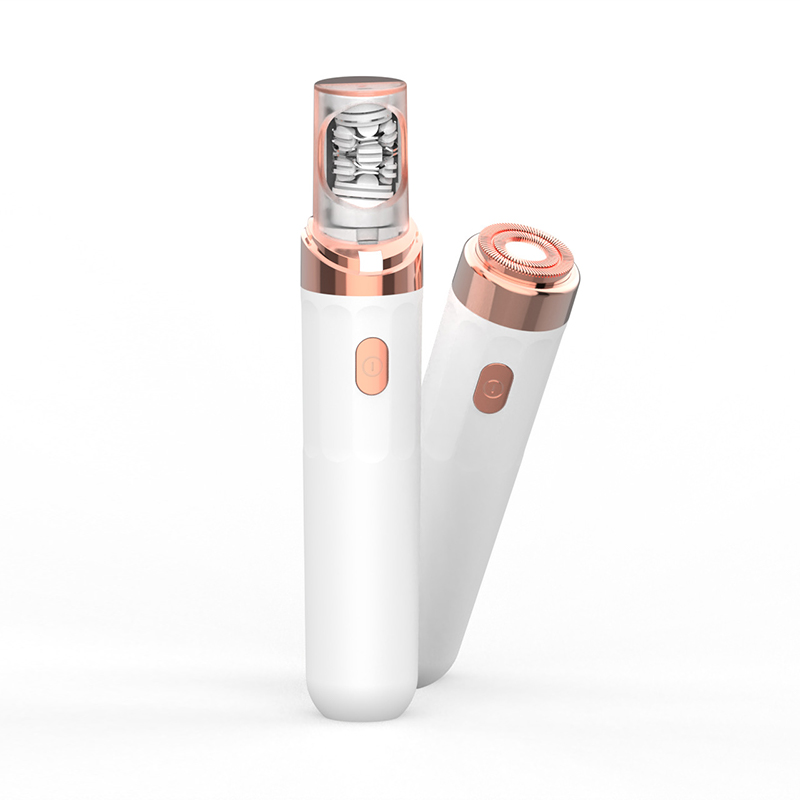 Aug 20,2026
How to Use an Electric Shaver for Women: Step-by-Step Tutorial for Smooth Legs
To use an electric shaver for women correctly, start with clean, dry skin, trim any long hair short first, and glide the razor gently against the direction of growth without pressing down. An electric shaver cuts hair at skin level with a moving blade behind a perforated foil, which makes it gentler than a manual razor and faster than waxing. It works on legs, arms, underarms, bikini line, and face as long as you use the right head and technique. Why Choose an Electric Shaver? For most women, an electric shaver offers the best balance of speed, safety, and convenience for regular hair removal. Unlike waxing, it does not pull hair from the root, so the process is almost pain-free. Unlike manual razors, the blade does not touch the skin directly, which lowers the risk of nicks, razor burn, and redness. Electric shaving takes two to three minutes per area once you learn the motion. You can shave dry with no cream or gel, and wet-dry models also work in the shower. Results last one to two days, similar to a razor, but with less irritation. People prone to ingrown hairs often do better with an electric shaver because the hair is cut above the skin opening. Electric shavers are not the best choice for very coarse, stubborn hair or for anyone who wants root-level removal; in those cases, an epilator or waxing is more effective. For everyday maintenance, however, a shaver is the most user-friendly option. How to Use an Electric Shaver by Body Area Each area of the body has a different hair growth pattern and skin thickness, so the best technique changes from part to part. Legs and Arms Legs and arms respond well to long, straight strokes against the direction of growth, with the skin pulled taut at the knee and ankle to avoid missed patches. Follow this sequence: Exfoliate the skin the day before, not immediately before shaving. Make sure the skin and the shaver head are clean and dry. Hold the shaver flat and use slow upward strokes. Re-shave any uneven patches with short passes and rinse the head between strokes. Underarms Underarms need several directions because the hair grows in multiple directions, so raise your arm, flatten the skin, and make short passes up, down, and across. Keep the pressure very light and use a head that you can rinse quickly. If you have recently used deodorant, wash it off first; residue can clog the blade. Bikini Line and Intimate Areas For the bikini line, trim the hair to about 3 to 5 mm first, shave with the grain on the first pass, and only go against the grain on a second pass if you want a closer finish without irritation. Keep the skin relaxed instead of pulling it too tight, and use slow strokes. A women's multifunctional electric shaver with a trimmer guard makes this step easier because it lets you shorten the hair safely before a final pass. Custom Women's multifunctional electric shaver, lip hair, armpit hair, leg hair As a China Women's multifunctional electric shaver, lip hair, armpit hair, leg hair private part shaver (SF-1008) suppliers and Women's m...View Product → Face and Upper Lip Facial hair calls for a narrow head and light, short strokes over the upper lip, chin, and sideburns, and you should avoid passing over pimples, cold sores, or irritated skin. Pull the skin only slightly with your free hand; too much tension can make the skin ripple and cause tiny cuts. A 4-in-1 facial shaver with an eyebrow comb and nose trimmer is useful for grooming the whole face and brows in one sitting. Custom Four-in-one multifunctional electric shaver, eyebrow trimmer, nose hair tAs a China Four-in-one multifunctional electric shaver, eyebrow trimmer, nose hair trimmer and epilator (SF-1007) suppliers and Four-in-o...View Product → Area-by-area electric shaver technique at a glance Area Preparation Direction to shave Special note Legs and arms Clean, dry, exfoliated a day before Against growth Pull skin taut at knees and ankles Underarms Clean; no deodorant residue Multiple directions Raise the arm to flatten skin Bikini line Trim to 3-5 mm first With growth first Do not pull the skin too tight Face and upper lip Makeup-free and dry Short strokes against growth Avoid pimples and cold sores Technique Tips for the Best Results The secret to a smooth electric shave is not pressure; it is preparation, angle, and the speed of your strokes. Pressing harder does not give a closer result and only increases friction on the skin. Hold the shaver at the intended angle: flat for most women's shavers and against the skin for trimmer blades. Move the razor slowly; fast strokes make the cutter skip hair and pull at the skin. Rinse the head between passes, especially on the legs, so each stroke starts with a clean blade. Do not repeat the same track more than twice; extra passes increase irritation without improving smoothness. Shave before moisturiser, sunscreen, or makeup; layering products on the skin blocks the blade. Aftercare and Maintenance Moisturise the shaved area immediately after shaving and clean the blade right after every use; these two habits will prevent most irritation and extend the life of the shaver. Warm water alone cannot remove oil and dead skin from the cutter. Rinse the head under warm running water if the model is waterproof. Tap out loose hair and use the small brush to clean the foil and cutter. Let the head dry completely before putting on the protective cap. Add one drop of light oil to the blade every few weeks when the motor starts to sound slower. A waterproof mini electric shaver is easier to care for in this routine because you can rinse the whole head without worrying about the battery compartment. For a longer guide, see how to clean and maintain electric shaver. Custom Waterproof painless mini electric epilator for home use (SF-1005) SupplieAs a China Waterproof painless mini electric epilator for home use (SF-1005) suppliers and Waterproof painless mini electric epilator for...View Product → How to Choose a Women's Electric Shaver Choose a shaver based on the areas you shave most often, the shape of your skin, and practical features like washability, battery life, and replaceable heads. A machine with many attachments is useful only if the heads are actually comfortable on your skin. Wet and dry operation: A fully washable or waterproof shaver is easier to clean and safe to use in the shower. Blade design: Fine steel blades with rounded tips are safer for sensitive skin and resist rust over time. Power type: USB rechargeable models are travel-friendly; battery-operated ones are simpler but often weaker. Head size: Narrow heads suit the face and bikini line; wider heads speed up leg shaving. Replacement parts: Check that the supplier sells single heads or replacement foil kits, because a worn foil is the most common reason for irritation. For private-label or wholesale orders, ask the manufacturer to confirm the blade material, IP rating, and test reports before mass production. Electric Shaver FAQ Frequently asked questions provide the last bits of practical detail. Can I use an electric shaver on wet skin? Only if the model is marked waterproof or wet-dry. Many battery-operated shavers are made for dry use, and using them on wet skin gives a poor cut and can damage the motor. How often can I shave with an electric shaver? Most women shave every two or three days. Daily dry shaving is possible on legs if the skin is healthy, but keep the stroke light and clean the head after every session. Does electric shaving cause ingrown hairs? Electric shavers cause fewer ingrown hairs than manual razors and epilators because the hair stays above the skin opening. Gentle exfoliation and moisturising reduce the chance even further. Will an electric shaver remove hair at the root? No. An electric shaver cuts hair at skin level. If you want root removal, use an epilator or another hair-removal device designed for pulling hair from the follicle. In short, the right way to use an electric shaver for women is to prepare the skin, move slowly against the hair, use the right head for each part of the body, and clean the device after every use. Whether you are buying for yourself or planning a retail line, start with the basic rules: dry skin, light pressure, and regular maintenance. If you need bulk supply, custom designs, or private-label support, discuss your requirements on the factory contact page. .article-section table { display: table !important; border-collapse: collapse; width: 100%; margin-bottom: 16px; } .article-section thead { display: table-header-group !important; } .article-section tbody { display: table-row-group !important; } .article-section tr { display: table-row !important; } .article-section th { display: table-cell !important; font-weight: bold; border: 1px solid #cccccc; padding: 8px; } .article-section td { display: table-cell !important; border: 1px solid #cccccc; padding: 8px; } .article-section caption { caption-side: bottom; font-size: 16px; margin-bottom: 12px; font-style: italic; color: #808080; } .article-section ol { margin-bottom: 12px; list-style-type: decimal; list-style-position: inside; padding-left: 0; } .article-section ul { margin-bottom: 12px; list-style-type: disc; list-style-position: inside; } .article-section li { list-style: inherit; font-size: 16px; margin-bottom: 6px; } .article-section h2 { font-size: 1.55em; font-weight: bold; text-align: left; margin-top: 40px; margin-bottom: 10px !important; border-left: 5px solid #0077cc; padding-left: 14px; color: #0a2a4a; } .article-section h3 { font-size: 1.2em; font-weight: bold; text-align: left; margin-top: 28px; margin-bottom: 8px; color: #0a2a4a; } .article-section p { font-size: 16px !important; margin-bottom: 12px; } .product-card{display:block;margin:20px 0;border:1px solid #e5e7eb;border-radius:10px;overflow:hidden;font-style:normal;background:#fff} .pc-inner{display:flex;text-decoration:none;color:inherit;align-items:center;min-height:120px} .pc-img{width:160px;min-width:160px;aspect-ratio:4/3;height:auto;min-height:120px;object-fit:cover;flex-shrink:0;display:block;align-self:stretch} .pc-body{padding:12px 16px;flex:1;min-width:0;display:flex;flex-direction:column;align-self:stretch;justify-content:center} .pc-title{display:block;font-size:15px;font-weight:600;color:#111;margin:0 0 6px;line-height:1.4} .pc-desc{display:-webkit-box;font-size:13px;color:#6b7280;margin:0 0 8px;line-height:1.5;overflow:hidden;-webkit-line-clamp:2;line-clamp:2;-webkit-box-orient:vertical} .pc-cta{display:block;font-size:13px;font-weight:600;color:inherit;margin-top:auto} .pc-inner:hover .pc-title{text-decoration:underline} .article-section a:not(.pc-inner),article a:not(.pc-inner){color:inherit}.pc-cta{color:inherit!important}
VIEW FULL ARTICLE -
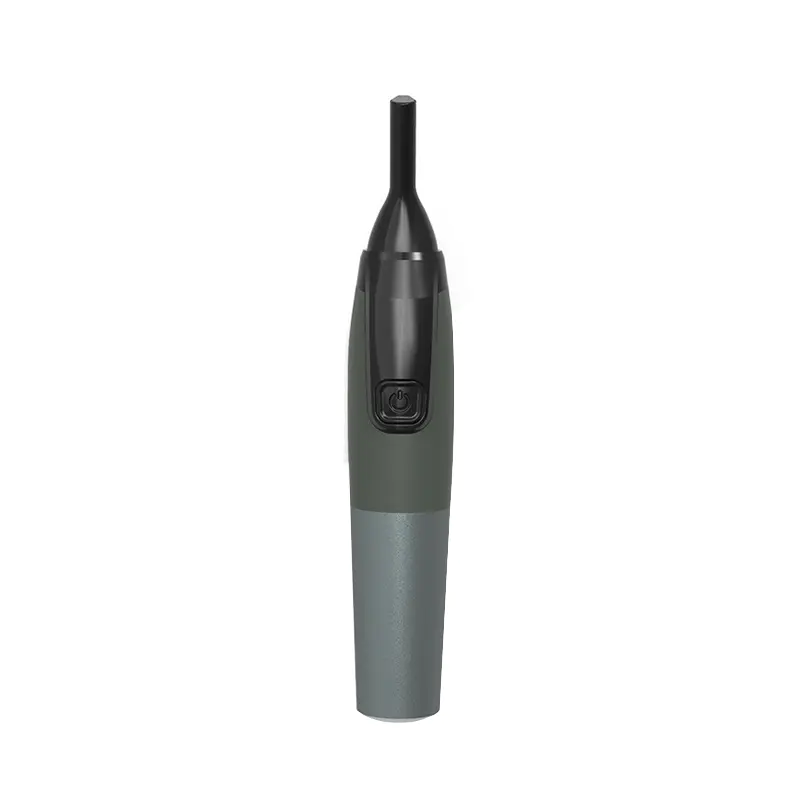 Aug 14,2026
Can You Use Shaving Cream with an Electric Shaver? Only If It Is Wet/Dry
Do You Use Shaving Cream with an Electric Shaver? The Short Answer Yes — but only if your electric shaver is rated wet/dry or marked washable. On a dry-only electric razor, shaving cream clogs the foil and cutters, traps hair clippings, and allows water into the motor housing, which can permanently ruin the device. On a wet/dry model, a thin layer of clear shaving gel is safe, improves glide, and reduces irritation. Dry-only shaver No cream. Use it on clean, dry skin and clean the head with a brush. Wet/dry shaver Yes, but keep it thin. Use clear gel, rinse immediately, and dry the head. After every wet shave Rinse the head, let it air-dry, and add a drop of oil to the cutters. Dry-Only vs. Wet/Dry Shavers: Why the Difference Matters The type of shaver you own decides everything: dry-only models must remain dry, while wet/dry models are sealed and designed to tolerate lubricants. Dry-only foil and rotary shavers rely on the foil or slots to lift each hair slightly away from the skin before a moving cutter slices it. Cream and gel fill those tiny openings, reduce cutting efficiency, and leave sticky residue that attracts more hair. Wet/dry shavers use sealed bodies, corrosion-resistant cutters, and rinseable heads, which is why they handle moisture, gel, and foam without failing. Table 1. How dry-only and wet/dry shavers compare when shaving cream is involved. Shaver type Design Safe with cream? Usual cleaning Dry-only foil shaver Open foil, unsealed body No Brush out hair; dry only Dry-only rotary shaver Rotating cutters, unsealed body No Brush out hair; dry only Wet/dry foil shaver Sealed body, washable head Yes, thin gel Rinse under lukewarm water Wet/dry rotary shaver Sealed body, washable head Yes, thin gel Rinse under lukewarm water What Happens If You Use Shaving Cream on a Dry-Only Shaver Shaving cream on a dry-only shaver is the fastest route to permanent damage, and it can happen within just a few shaves. The cream blocks the foil, dried residue dulls the cutter, and water corrodes the motor and battery contacts. In practice, users notice three warning signs: the shaver starts pulling hairs instead of cutting them, the motor sounds strained, and battery life drops because the cutter is working against clogged parts. Clogged foil and slots: cream fills the openings, so hair cannot enter the cutting area. Corrosion of unsealed parts: water migrates into the housing and attacks contacts and motor windings. Dulled and rusted cutters: leftover foam dries into an abrasive film inside the head. Poor shaving quality: foam keeps the foil from sitting flat, causing missed hairs and tugging. Voided warranty: most brands classify cream use on a dry-only shaver as misuse. Even a fingertip-sized dab is enough to start the process. The residue you can see wipes off easily; the moisture you cannot see is what damages the motor before you notice any problem. Why Shaving Cream Actually Helps with a Wet/Dry Shaver On a wet/dry shaver, shaving cream reduces friction, softens the hair, and lets the foil glide, which results in fewer nicks and less razor burn. The cutter inside a foil head moves thousands of times per minute, and on dry skin that speed creates heat and drag. A thin layer of clear gel lubricates the foil, helps the hairs stand upright, and gives the head a smooth path across the skin. For people with sensitive skin, coarse beards, or a history of razor rash, wet shaving with gel is noticeably more comfortable than a dry pass. Manufacturers that build wet/dry devices seal the housing and choose corrosion-resistant materials, so gel residues rinse away without long-term harm. A full-body model such as a washable multifunctional electric shaver is specifically designed for this kind of routine, with a head that can be held under running water after each use. Custom Full body washable multifunctional electric shaver (SF-2200) Suppliers, OAs a China Full body washable multifunctional electric shaver (SF-2200) suppliers and Full body washable multifunctional electric shaver ...View Product → How to Use Shaving Cream with a Wet/Dry Electric Shaver The correct technique is simple: keep the layer thin, keep the pressure light, and rinse the head as soon as you finish. Following the steps below prevents most clogging and extends the life of the blades. Check the rating — “wet & dry” or “washable” must be printed on the housing or in the manual. Wash your face with warm water for about thirty seconds to soften the hair and relax the skin. Apply a thin, even layer of clear shaving gel only to the areas you plan to shave. Shave with light pressure and short strokes so the foil can lift each hair before cutting. Rinse the shaver head under lukewarm running water to remove gel, foam, and hair residue. Shake off excess water, open the head to air-dry fully, and add a drop of cutter oil before the next use. Wet/dry devices with sealed heads make the rinse step practically effortless. A fully waterproof design, such as a fully waterproof mini epilator, can go straight under the tap without any risk to the internal components. Custom Waterproof painless mini electric epilator for home use (SF-1005) SupplieAs a China Waterproof painless mini electric epilator for home use (SF-1005) suppliers and Waterproof painless mini electric epilator for...View Product → Gel, Foam, or Cream: What Actually Works with an Electric Shaver A thin, clear gel is the best match for an electric shaver, while thick foam and heavy cream create more clogging risk than comfort benefit. The table below compares how each product behaves when used with a wet/dry shaver. Table 2. How different shaving product types perform with a wet/dry electric shaver. Product type Thickness Skin visibility Clogging risk Best suited for Clear gel Thin High Low Wet/dry electric shavers Foam Thick Low High Manual cartridge razors Shaving cream Medium Medium Medium-high Brush-and-blade shaving Clear gel wins because it lubricates without hiding the skin, so you can still see the line you are trimming. Foam is risky even on wet/dry models: it blankets the skin, prevents the foil from seating properly, and dries into a residue that blocks the cutter slots. Heavy cream sits between the two, but its density reduces visibility and requires extra rinsing. Common Mistakes That Ruin an Electric Shaver Most electric shaver failures come from a handful of avoidable habits, not from ordinary wear. Avoiding these five errors will keep the foil and cutters working like new for much longer. Using cream on a dry-only shaver — the single most common cause of premature motor failure. Pressing hard against the skin — more pressure clogs the foil and causes friction burn; it does not give a closer shave. Leaving gel to dry inside the head — dried residue is hard to remove and gradually blunts the cutter. Wet shaving with a dry-only model — plain water creates the same corrosion risk as cream. Skipping the oil drop after cleaning — cutters need a thin film of oil to run smoothly and quietly. A consistent routine prevents most of these issues before they appear. Our guide on how to clean and maintain an electric shaver walks through the recommended frequency and method for each part. Alternatives to Shaving Cream for a Dry Routine If you prefer to avoid shaving cream entirely, pre-shave oil, warm water, and a lightweight moisturizer cover most of the same needs without pushing paste into the head. Each option works differently, so your choice depends on skin type and how much cleaning you want to do afterwards. Pre-shave oil: a single drop reduces friction and rinses out easily. Warm water alone: softens the hair and relaxes the skin before a wet/dry shave. Light moisturizer: a thin layer of non-greasy lotion can substitute for gel in a pinch, but heavy lotions clog like foam. Aftershave balm: applied after shaving, it soothes the skin and restores moisture. What you do after shaving matters as much as what you put on before it; see our recommendations on how to take care of your skin after shaving to keep irritation at bay. Frequently Asked Questions Shaving cream is safe on a wet/dry electric shaver, but only when used correctly — these are the questions buyers ask most often before trying it. Can shaving cream damage an electric shaver? Yes, if the shaver is dry-only. Residue and moisture settle inside the unsealed housing and corrode the motor and battery contacts. On a wet/dry model, cream is safe as long as you rinse the head immediately and dry it completely before storage. Is it better to wet shave or dry shave with an electric shaver? Dry shaving is faster and more convenient; wet shaving is more comfortable and gentler on sensitive skin. The right choice depends on your skin type, hair thickness, and whether the shaver is rated for wet use. Can I use soap instead of shaving cream? Only on a wet/dry shaver, and only in small amounts. Bar soap leaves a film that clogs foil openings faster than clear gel, so rinse thoroughly and deep-clean the head afterwards. How often should a wet/dry shaver be cleaned? Rinse the head after every wet shave and perform a deeper clean once a week by removing the foil and brushing out hair residue. How the washable feature impacts long-term maintenance is the key factor: the more water-safe the head, the shorter each cleaning session needs to be. The Bottom Line Use shaving cream with an electric shaver only when the device is rated wet/dry, keep the layer thin, and always rinse and dry the head afterwards. For dry-only shavers, the answer is a firm no: cream and moisture will damage the foil, the cutter, and the motor. For wet/dry shavers, the answer is a careful yes: a thin clear gel improves comfort and protects the skin without compromising performance. A washable model makes the whole routine easier to maintain. If you also share a bathroom or travel often, a washable silent electric shaver pairs wet/dry convenience with the quiet operation that shared spaces demand. Custom Washable silent electric shaver (SF-1106) Suppliers, OEM/ODM Factory - YuAs a China Washable silent electric shaver (SF-1106) suppliers and Washable silent electric shaver (SF-1106) factory, Yuyao Aisen Electri...View Product → .article-section table{display: table!important;} .article-section thead{display: table-header-group!important;} .article-section tbody{display: table-row-group!important;} .article-section tr{display: table-row!important;} .article-section th{display: table-cell!important;} .article-section td{display: table-cell!important;} .article-section table{ border-collapse: collapse; width: 100%; margin-bottom: 18px; } .article-section table caption{ caption-side: bottom; font-size: 16px; margin-bottom: 12px; font-style: italic; color: #808080; } .article-section th{ font-weight: bold; border: 1px solid #cccccc; padding: 8px; } .article-section td{ border: 1px solid #cccccc; padding: 8px; } .article-section ol{ margin-bottom: 12px; list-style-type: decimal; list-style-position: inside; padding-left: 0; } .article-section ul{ margin-bottom: 12px; list-style-type: disc; list-style-position: inside; } .article-section li{ list-style: inherit; font-size: 16px; margin-bottom: 6px; } .article-section h2{ font-size: 1.55em; font-weight: bold; text-align: left; margin-top: 40px; margin-bottom: 10px; border-left: 5px solid #0077cc; padding-left: 14px; color: #0a2a4a; } .article-section h3{ font-size: 1.2em; font-weight: bold; text-align: left; margin-top: 28px; margin-bottom: 8px; color: #0a2a4a; } .article-section p{ font-size: 16px!important; margin-bottom: 12px; } .article-section .card-grid{ display: grid; grid-template-columns: repeat(auto-fit, minmax(220px, 1fr)); gap: 14px; margin: 18px 0; } .article-section .card-grid .card{ background: #f6f8fa; border: 1px solid #e2e6ea; border-radius: 6px; padding: 14px 16px; } .article-section .card-grid .card p:last-child{ margin-bottom: 0; } .product-card{display:block;margin:20px 0;border:1px solid #e5e7eb;border-radius:10px;overflow:hidden;font-style:normal;background:#fff} .pc-inner{display:flex;text-decoration:none;color:inherit;align-items:center;min-height:120px} .pc-img{width:160px;min-width:160px;aspect-ratio:4/3;height:auto;min-height:120px;object-fit:cover;flex-shrink:0;display:block;align-self:stretch} .pc-body{padding:12px 16px;flex:1;min-width:0;display:flex;flex-direction:column;align-self:stretch;justify-content:center} .pc-title{display:block;font-size:15px;font-weight:600;color:#111;margin:0 0 6px;line-height:1.4} .pc-desc{display:-webkit-box;font-size:13px;color:#6b7280;margin:0 0 8px;line-height:1.5;overflow:hidden;-webkit-line-clamp:2;line-clamp:2;-webkit-box-orient:vertical} .pc-cta{display:block;font-size:13px;font-weight:600;color:inherit;margin-top:auto} .pc-inner:hover .pc-title{text-decoration:underline} .article-section a:not(.pc-inner),article a:not(.pc-inner){color:inherit}.pc-cta{color:inherit!important}
VIEW FULL ARTICLE
KEEP IN TOUCH
-

luke@aisenappliance.com
-

+86-13819843737 / +86-574-62361977
-

Unit 1, Building 7, No. 4 Xieli Road, Simen Town, Yuyao City, Zhejiang Province, China