English
  日本語
日本語
 Español
 Deutsch



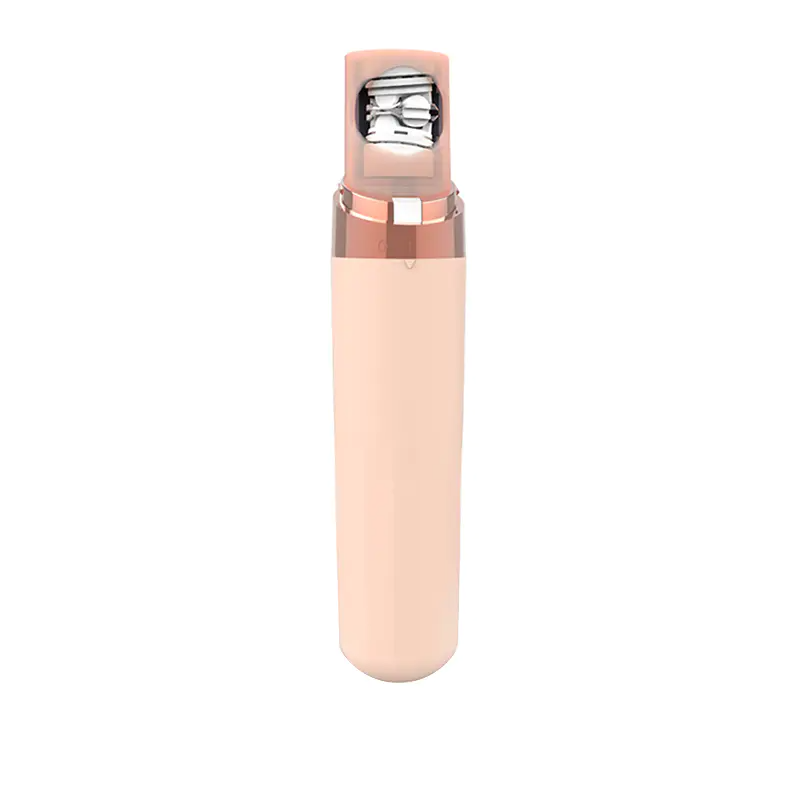
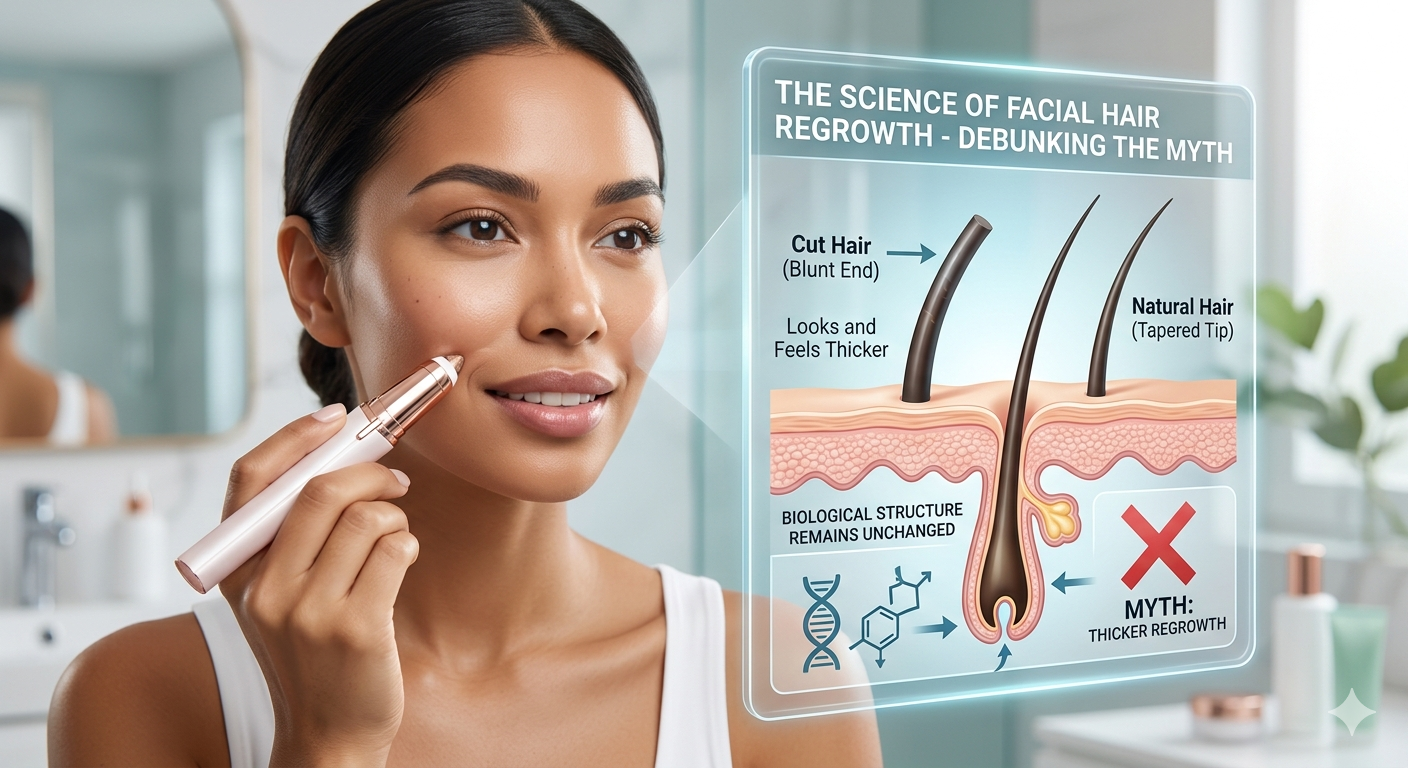
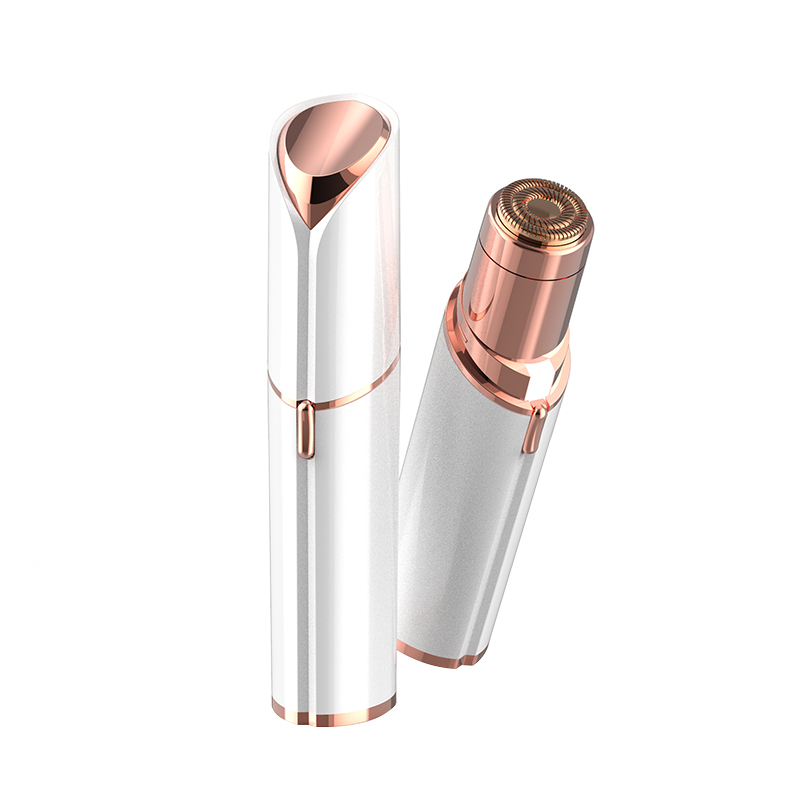
The short answer is no: using a facial hair remover does not change the biological structure, thickness, or color of your hair. While many people perceive their hair to be coarser after removal, this is a common physiological illusion caused by the way hair is cut or extracted. Scientific evidence confirms that facial hair removal—whether through shaving, epilation, or trimming—only affects the dead portion of the hair above the skin surface or removes the follicle temporarily, without altering the DNA or growth patterns of the hair follicle itself.
Content
The Biological Reality of Hair Regrowth
Hair thickness and growth rate are determined exclusively by genetics and hormonal factors rather than external removal methods. Every human hair grows from a follicle deep within the dermis layer of the skin. When you use a facial hair remover, you are either cutting the hair at the surface or pulling it out from the root. Neither of these actions communicates with the bulb of the follicle to produce a thicker strand. The follicle follows a predetermined cycle—anagen (growth), catagen (transition), and telogen (resting)—which is regulated by internal signals such as androgens and blood supply.
The reason the myth persists is due to "the blunt end effect." Naturally, a hair strand tapers toward the end, making it feel soft and look thin. When a facial hair remover cuts the hair, it leaves a flat, blunt edge. As this blunt edge emerges from the skin, it feels prickly and appears darker because the cross-section is wider than the original tapered tip. However, once the hair grows out to its full length, it will be identical in texture to the hair that was there before.
Comparing Different Facial Hair Removal Methods
Different removal techniques yield different sensory experiences during regrowth, but none of them increase the actual diameter of the hair. Understanding how each tool interacts with the hair shaft is key to debunking the fears associated with facial grooming. Below, we examine the most common methods used for female facial hair removal and their impact on regrowth perception.
Dermaplaning and Surface Shaving
Surface shaving only removes the hair at the skin's surface, creating a temporary blunt tip that feels stiff as it grows back. This is the most common method that fuels the "thicker hair" myth. Because dermaplaning also exfoliates the top layer of dead skin cells, the new hair regrowth is juxtaposed against very smooth skin, making it more noticeable to the touch. In reality, the terminal hair or vellus hair (peach fuzz) remains biologically unchanged.
Epilation and Waxing
Methods that pull hair from the root, such as waxing or epilating, often lead to softer regrowth over time rather than thicker hair. When the hair is completely removed from the follicle, it must regrow a brand-new tip from the base. This new tip is naturally tapered, meaning it will feel much softer than shaved hair. Furthermore, repeated root removal can occasionally damage the hair follicle over years of use, potentially leading to sparser or finer hair growth in some individuals.
Direct Comparison of Hair Removal Outcomes
To provide a clearer perspective on how various tools affect the perception of hair thickness, the following table breaks down the technical aspects of each hair removal method.
| Method | Depth of Removal | Regrowth Texture | Regrowth Appearance |
| Shaving | Skin Surface | Prickly / Blunt | Looks Darker (Temporary) |
| Epilation | From the Root | Soft / Tapered | Naturally Thin |
| Cream Depilatory | Slightly Below Surface | Rounded / Soft | Normal |
| Laser/IPL | Follicle Targeted | Finer / Sparser | Significantly Lighter |
Factors That Actually Affect Hair Thickness
Hormonal changes and aging are the primary drivers of increased facial hair thickness, not the act of removing the hair. Many women begin noticing more prominent facial hair during periods of significant hormonal shifts, such as puberty, pregnancy, or menopause. During menopause, the drop in estrogen levels can lead to a higher relative ratio of androgens (male hormones), which can trigger terminal hair growth on the chin and upper lip.
Additionally, medical conditions like Polycystic Ovary Syndrome (PCOS) are known to increase facial hair density and thickness. If you observe a sudden and dramatic change in your facial hair texture, it is more likely related to internal endocrine health than your choice of a facial hair remover. In these cases, the hair is biologically changing due to systemic factors, coinciding with—but not caused by—hair removal routines.
Why Regrowth Might "Look" Darker
New hair growth often appears darker because it has not yet been exposed to environmental light and pollutants. Over time, sunlight (UV radiation) and chemical exposure from skincare products naturally bleach hair slightly. When you use a facial hair remover and new hair emerges, you are seeing the hair in its most "pure" and pigmented state. This contrast against the surrounding skin makes the regrowth seem darker and more obvious than the older, weathered hair that was removed.
Furthermore, as mentioned earlier, the blunt cross-section of a shaved hair reflects light differently than a tapered tip. A flat surface reflects more light in a concentrated way, making the hair shaft appear more substantial to the naked eye. This is purely an optical effect and does not indicate an increase in melanin or hair diameter.
Best Practices for Using a Facial Hair Remover
Maintaining a proper skincare routine before and after removal ensures the best aesthetic results and skin health. While the hair won't grow back thicker, improper technique can lead to ingrown hairs and skin irritation, which can make the area look uneven or bumpy.
- Exfoliate gently before using a facial hair remover to remove dead skin cells and prevent clogging.
- Always use a sharp, clean blade if you are shaving or dermaplaning to ensure a smooth cut without pulling.
- Apply a soothing moisturizer or aloe vera post-removal to reduce redness and maintain the skin barrier.
- Avoid heavy makeup for at least 12 hours after deep hair removal (like waxing) to let the pores breathe.
Frequently Asked Questions (FAQ)
Q1: Will dermaplaning turn my peach fuzz into thick beard hair?
No. Peach fuzz, technically known as vellus hair, is biologically different from the terminal hair found on your scalp or underarms. Dermaplaning cannot transform vellus follicles into terminal follicles.
Q2: How often should I use a facial hair remover?
It depends on your personal preference and hair growth cycle. Most people find that every 2 to 4 weeks is sufficient for methods like epilation, while surface trimming may be done weekly.
Q3: Can facial hair removal cause more hair to grow?
Absolutely not. You have a fixed number of hair follicles on your face. Removing hair does not create new follicles or stimulate inactive ones to start producing hair.
Q4: Why does my skin feel scratchy after removing facial hair?
This is caused by the blunt edge of the hair. When hair is cut at an angle or horizontally, the remaining stubble is rigid. As it grows, it feels stiff and scratchy until it gains enough length to become flexible.
Conclusion
In summary, the belief that a facial hair remover causes thicker hair growth is a pervasive myth unsupported by science. Whether you choose to shave, wax, or use an electronic hair removal device, you are only managing the hair that your body is genetically and hormonally programmed to produce. By understanding the anatomy of hair and the optical illusions of regrowth, you can confidently choose the facial grooming routine that works best for your skin type and lifestyle without fear of unwanted side effects.