English
  日本語
日本語
 Español
 Deutsch



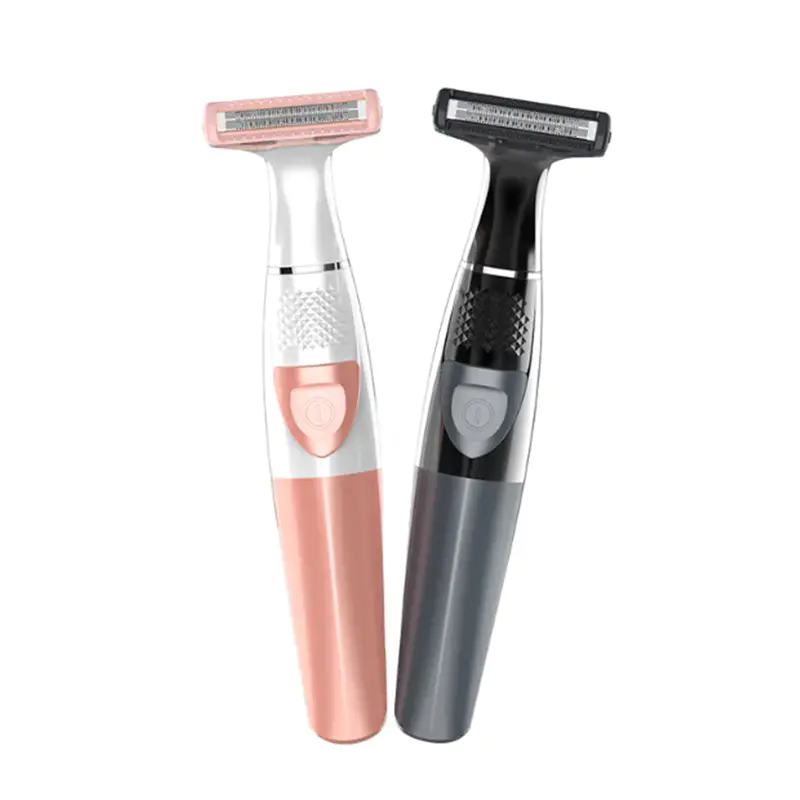
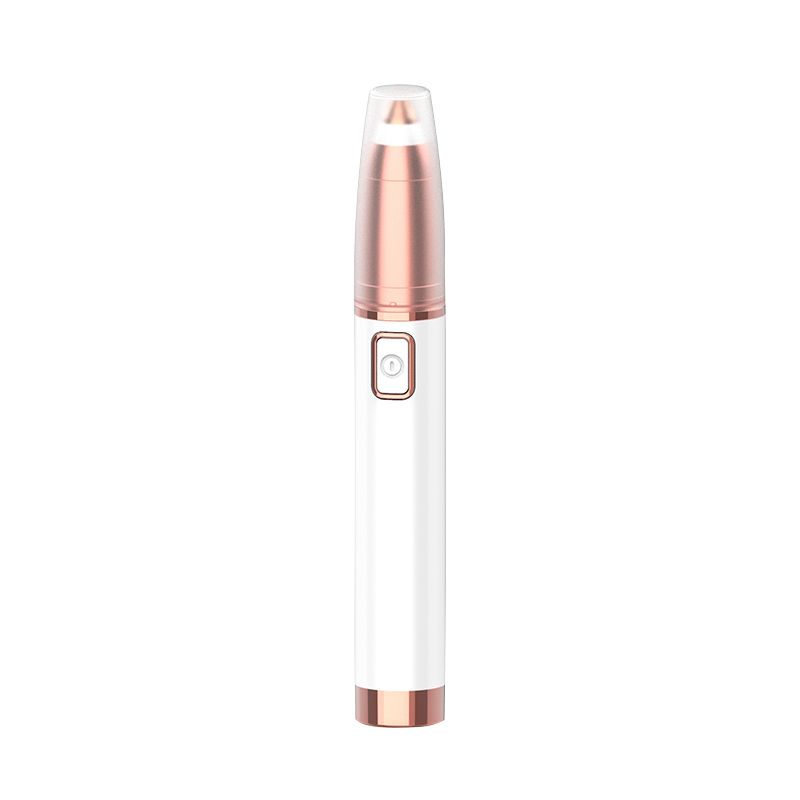
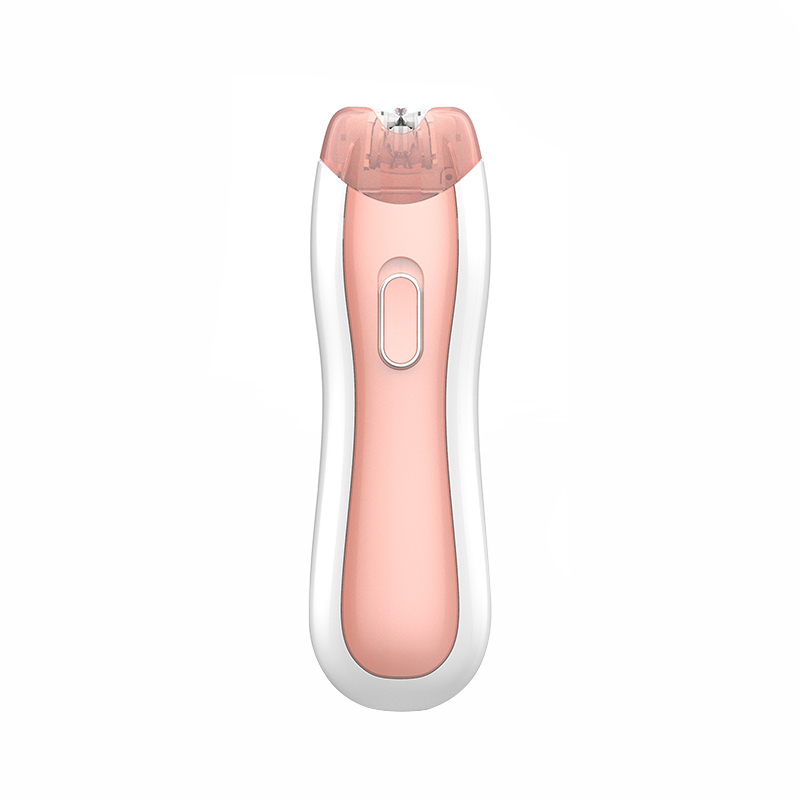
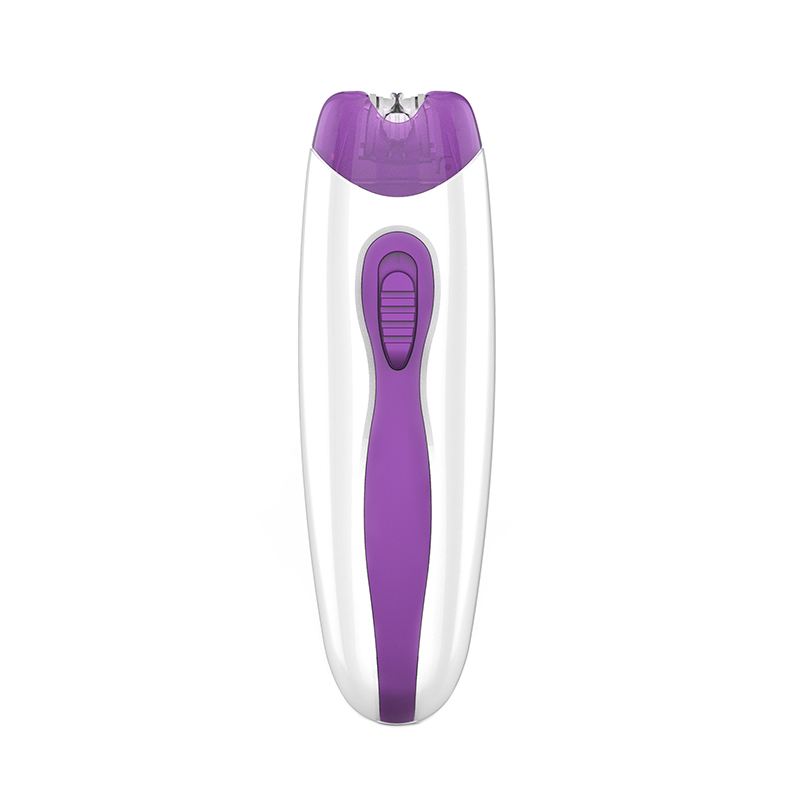
To use an electric shaver for ladies correctly, follow this core sequence: charge the device fully before first use, cleanse and dry the skin area you plan to shave, hold the shaver at a slight angle against the skin, use short overlapping strokes moving against the direction of hair growth, rinse or clean the shaver head immediately after use, and apply a fragrance-free moisturizer to soothe the skin. Done properly, a ladies electric shaver delivers close, comfortable hair removal on legs, underarms, and the bikini area in under 5 minutes per zone -- with virtually no risk of cuts, nicks, or razor burn compared to manual blades.
This guide walks through every step in detail, covers different body zones and their specific techniques, compares dry versus wet shaving, explains how to maintain your device for longevity, and answers the questions women most frequently ask about electric shavers.
Content
- What to Do Before You Start: Preparing Your Skin and Shaver
- How to Use an Electric Shaver on Your Legs: Step-by-Step Technique
- How to Use an Electric Shaver on Underarms
- How to Use an Electric Shaver on the Bikini Area
- Dry Shaving vs. Wet Shaving with a Ladies Electric Shaver: Which Is Better?
- Electric Shaver vs. Manual Razor vs. Epilator: Which Is Right for You?
- How to Clean and Maintain Your Ladies Electric Shaver
- How to Avoid Skin Irritation When Using an Electric Shaver
- FAQ: How to Use an Electric Shaver for Ladies
- Quick-Reference Summary: How to Use an Electric Shaver for Ladies
What to Do Before You Start: Preparing Your Skin and Shaver
Proper preparation before using an electric shaver for ladies is the single most impactful step for achieving a close, comfortable result -- skin that is clean, dry, and free of body lotion allows the foil or rotary blades to make direct contact with hair at the optimal cutting angle.
Step 1: Charge the Shaver Fully
Before the very first use, charge your ladies electric shaver to 100% battery capacity -- this typically takes 60 to 90 minutes for most models. A fully charged battery delivers consistent motor speed throughout the shaving session, which directly translates to consistent cutting efficiency. A partially charged shaver runs the motor slower, requiring more passes over the same area and increasing friction on the skin. Most modern ladies electric shavers offer 30 to 50 minutes of cordless runtime from a full charge -- more than enough for a complete full-body shave.
Step 2: Clean the Skin Thoroughly
For dry shaving (the most common method for electric shavers), cleanse the skin area with a gentle cleanser and pat completely dry before shaving. Any residual body lotion, oil, or cream on the skin surface coats the foil or rotary cutting head, reducing its ability to lift and cut hair efficiently and causing clogging that requires frequent rinsing mid-session. For wet shaving (using the shaver in the shower or with shaving gel), the skin should be rinsed clean of any soap or conditioner before applying shaving gel.
Step 3: Inspect the Shaver Head
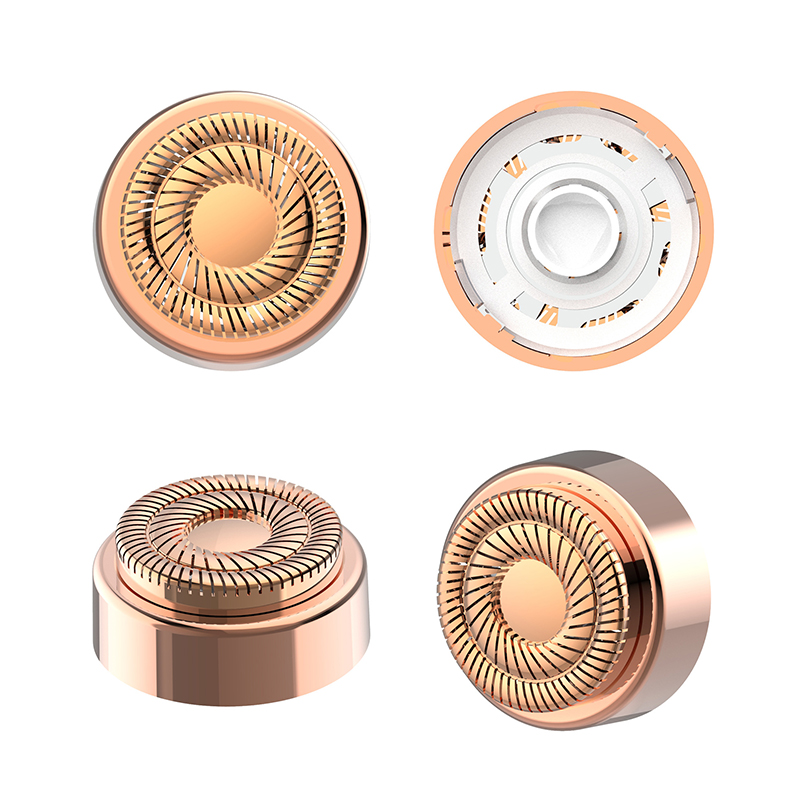
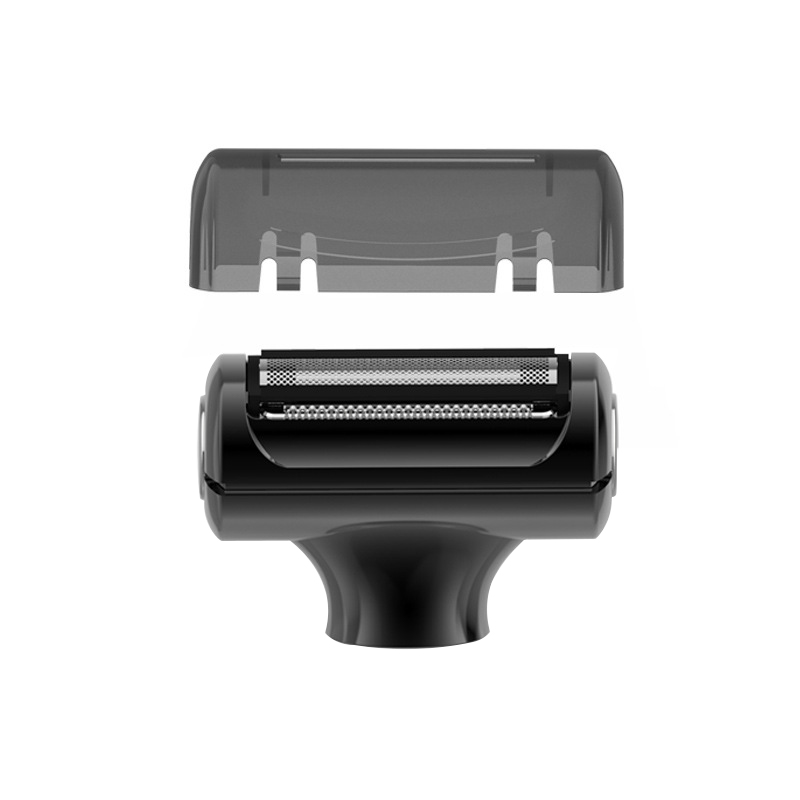
Before each use, quickly check the foil or rotary head for visible damage. A foil shaver's outer foil develops small holes over time (typically after 12 to 18 months of regular use) -- shaving with a damaged foil causes skin irritation because the sharp inner blade makes partial contact with the skin surface rather than cutting hair through the foil. If you see a hole or tear in the foil, replace the foil and blade cassette before using the device.
How to Use an Electric Shaver on Your Legs: Step-by-Step Technique
Shaving legs with a ladies electric shaver produces the best results when you use slow, deliberate upward strokes (against hair growth direction) while keeping the shaving head in constant, light contact with the skin without pressing down hard.
- Position and angle: Sit comfortably with the leg extended or propped on a stable surface. Hold the electric shaver so the cutting head lies flat against the skin -- most ladies shavers are designed to be used at 90 degrees (flat) to the skin surface rather than at an angle like a manual razor.
- Direction of stroke: Move the shaver upward (toward the knee when shaving the lower leg, toward the hip when shaving the thigh) -- this moves against the direction of hair growth, which is the most effective cutting direction for an electric shaver. Unlike a manual razor, which requires shaving in the direction of growth on sensitive skin, an electric shaver is specifically designed for against-the-grain use.
- Speed and pressure: Move the shaver slowly -- approximately 1 to 2 inches per second. Moving too quickly reduces the number of cutting passes over each hair and produces a less close result. Apply only the lightest touch -- the shaver's weight alone is sufficient pressure. Pressing harder does not improve closeness and increases skin irritation.
- Overlap strokes: Use slightly overlapping parallel strokes to ensure no strips of hair are missed between passes. Work systematically from ankle to knee, then knee to thigh, rather than shaving randomly across the leg surface.
- Skin tension: On areas where the skin is loose or wrinkled (back of the knee, inner thigh), use your free hand to gently stretch the skin taut before running the shaver over it. Taut skin allows the foil to sit flat and the blade to reach more hairs at the cutting level.
- Time estimate: A full leg shave with a ladies electric shaver takes approximately 3 to 6 minutes per leg when starting from several days of hair growth. Maintenance shaving (every 2 to 3 days) takes 1 to 2 minutes per leg.
How to Use an Electric Shaver on Underarms
Underarm shaving with a ladies electric shaver requires moving the shaver in multiple directions -- up, down, and sideways -- because underarm hair grows in several directions simultaneously, and a single-direction stroke misses a significant proportion of hairs.
- Preparation: Raise your arm fully and stretch it overhead or behind your head to create maximum skin tautness under the arm. For dry shaving, ensure the underarm area is completely dry and free of deodorant -- aluminum-based antiperspirants can clog the foil and reduce cutting efficiency significantly.
- Multi-directional technique: Begin with upward strokes, then repeat with downward strokes, then add horizontal strokes from each side. Three to four passes in different directions capture virtually all hairs regardless of their individual growth direction. The entire underarm area typically takes 30 to 60 seconds per side with this technique.
- After shaving: Wait at least 5 to 10 minutes before applying deodorant or antiperspirant to allow any minor skin sensitivity to subside. Apply a non-fragrant soothing lotion if redness is visible. Avoid perfumed products directly after shaving as the skin is temporarily more sensitive.
How to Use an Electric Shaver on the Bikini Area
The bikini area requires the gentlest technique of any body zone -- use the lowest speed setting if available, shorter strokes, and higher attention to skin tautness, because the skin in this area is thinner and more sensitive than legs or underarms.
- Check shaver compatibility: Not all ladies electric shavers include a bikini trimmer attachment -- confirm your model has a dedicated bikini head (usually a narrower trimmer guard or comb attachment) before attempting to shave this area. Using the standard foil head without a guard in the bikini area risks catching skin folds.
- Trim before shaving: If hair in the bikini area is longer than approximately 5mm (about 1/4 inch), use the trimmer comb attachment to reduce length before switching to the closer-cutting foil or rotary head. Long hair wraps around the cutting mechanism and causes pulling rather than clean cutting.
- Skin tautness is essential: Use your free hand to stretch the skin firmly before each stroke. This is more important in the bikini area than anywhere else on the body because loose, folded skin in this zone is the primary cause of both missed hairs and skin irritation.
- After care: Apply an unscented, alcohol-free soothing gel or aloe vera immediately after shaving the bikini area to calm any redness. Avoid tight synthetic clothing for several hours after shaving to minimize friction-induced irritation on freshly shaved skin.
Dry Shaving vs. Wet Shaving with a Ladies Electric Shaver: Which Is Better?
Dry shaving is faster, more convenient, and produces less skin irritation for most women in most situations; wet shaving with shaving gel or foam provides a closer, smoother result and is the better choice for sensitive skin types or for areas where maximum closeness is a priority.
| Comparison Factor | Dry Shaving | Wet Shaving (with gel or foam) |
| Closeness of shave | Good -- sufficient for most daily use | Excellent -- noticeably smoother result |
| Skin irritation risk | Lower -- no product interaction | Low if using correct gel; product choice matters |
| Convenience | Very high -- no products needed | Moderate -- requires gel, rinsing, cleanup |
| Shaver requirement | Any ladies electric shaver | Must be waterproof (IPX5 or higher rated) |
| Time required | Shorter -- no pre-wetting or drying | Longer -- shower integration needed |
| Shaver maintenance | Simpler -- brush clean or tap out | Requires thorough rinsing after every use |
| Best for | Daily maintenance shaving; quick touch-ups | Sensitive skin; first shave of new growth |
Table 1: Comparison of dry shaving versus wet shaving with a ladies electric shaver across closeness, irritation risk, convenience, and maintenance requirements.
Electric Shaver vs. Manual Razor vs. Epilator: Which Is Right for You?
A ladies electric shaver is the best choice for women who prioritize speed, convenience, and zero risk of cuts -- but it produces a less close result than a manual razor and removes hair only at skin level rather than from the root like an epilator or wax.
| Factor | Electric Shaver | Manual Razor | Epilator | Waxing |
| Hair removal level | At skin surface | At/slightly below surface | From root | From root |
| Duration of smoothness | 1--3 days | 1--3 days | 3--4 weeks | 3--6 weeks |
| Pain level | None | None (if careful) | Moderate--High | Moderate--High |
| Risk of cuts or nicks | Virtually zero | Moderate (common) | Low | Low |
| Upfront cost | $20--$120 | $5--$30 | $30--$200 | $20--$80 (salon varies) |
| Ongoing cost | Low (foil replacement $10--$30/yr) | Moderate (blades $10--$40/yr) | Very low | High (salon) or moderate (at-home) |
| Speed of use | Very fast (3--6 min/leg) | Moderate (5--10 min/leg) | Slow (15--30 min/leg) | Slow (salon appointment) |
| Best for | Quick, painless daily maintenance | Maximum closeness; budget users | Longer-lasting smooth skin | Longest-lasting results |
Table 2: Side-by-side comparison of ladies electric shaver, manual razor, epilator, and waxing across eight key factors for body hair removal.
How to Clean and Maintain Your Ladies Electric Shaver
Cleaning your electric shaver after every single use is the most important maintenance habit for both hygiene and device longevity -- hair clippings left inside the cutting head attract moisture, cause blade corrosion, and reduce cutting efficiency within days of neglect.
After Every Use
- Tap out loose clippings: Hold the shaver head downward and tap it gently against your palm or the side of the sink to dislodge loose hair clippings from inside the foil or rotary cutting area.
- Rinse under running water (if waterproof): For waterproof-rated shavers (IPX5 or higher), rinse the cutting head under warm running water for 10 to 15 seconds. This removes the majority of fine hair particles and skin cells from the blade and foil.
- Use the cleaning brush (for dry-only models): If your shaver is not rated for water cleaning, use the small cleaning brush provided to sweep out hair particles from inside the cutting head. Brush from inside outward to avoid pushing clippings deeper into the mechanism.
- Leave open to air dry: After rinsing, leave the cutting head cover open or removed to allow air circulation and complete drying before storage. Storing a wet shaver head in a closed case promotes mold and blade corrosion.
Weekly Maintenance
- Deep clean with liquid soap: Once a week, apply a small drop of gentle liquid hand soap to the running cutting head, allow it to foam for 5 seconds, then rinse thoroughly under warm water. This removes the fine layer of skin oil and product residue that daily water rinsing leaves behind.
- Apply a drop of shaver oil: Place a single drop of specialized shaver oil or light mineral oil on the foil or rotary blades once a week. This lubricates the cutting mechanism, reduces friction on the foil, and significantly extends blade and foil life. Lubrication is especially important for titanium-coated foils that can develop micro-friction wear without it.
When to Replace the Foil and Blade
Most manufacturers recommend replacing the foil and inner blade cassette every 12 to 18 months of regular use (3 to 4 times per week). Signs that replacement is overdue include: the shaver requires multiple passes to cut the same hair; the shave feels rougher or more uncomfortable than it used to; you notice visible holes or thinning in the foil; or the device makes a noticeably different sound during operation. Replacement foil-and-blade sets typically cost $10 to $35 depending on the model.
How to Avoid Skin Irritation When Using an Electric Shaver
Skin irritation from an electric shaver is almost always preventable and is caused by one of four factors: a damaged or worn foil, pressing the device too hard against the skin, shaving over the same area too many times in one session, or applying irritating products immediately after shaving.
- Allow a break-in period: Skin that is accustomed to manual razor shaving may experience minor redness or sensitivity during the first 2 to 3 weeks of switching to an electric shaver. This is normal -- the skin adapts to the different mechanical action of the foil or rotary head within 3 to 4 weeks of regular use, after which irritation typically disappears entirely.
- Limit passes over each area: Do not shave the same strip of skin more than 2 to 3 times in a single session. Each additional pass over already-shaved skin increases friction on skin that has already had its protective lipid layer partially disturbed by shaving.
- Moisturize after shaving: Apply a fragrance-free, alcohol-free moisturizer to all shaved areas within 5 minutes of completing the shave. This replenishes the skin's moisture barrier before it dries out. Avoid products containing alcohol, heavy fragrance, or retinol immediately after shaving -- all of these can cause stinging and redness on freshly shaved skin.
- Shave in the evening: Shaving legs and the bikini area in the evening allows skin 8 to 10 hours to calm before potential friction from clothing and activity the next day. This is especially helpful during the break-in period.
- Replace foil on schedule: A worn foil that has developed micro-holes or thinning patches causes disproportionately more skin irritation than a new foil -- the damaged foil allows the sharp inner blade to make partial contact with the skin surface during cutting rather than keeping it protected. If irritation suddenly increases in a device that previously performed well, foil wear is the most likely cause.
FAQ: How to Use an Electric Shaver for Ladies
Q: Can I use a ladies electric shaver every day?
A: Yes -- daily use of a ladies electric shaver is safe for most skin types because the foil mechanism never makes direct blade contact with the skin. Unlike manual razors, which remove a thin layer of skin cells with each pass, an electric shaver only contacts the foil against the skin and cuts hair through the foil openings. However, if your skin is prone to irritation, shaving every other day (every 2 days) gives the skin slightly more recovery time between sessions and is sufficient to maintain smooth skin for most women.
Q: Should I shave with or against the direction of hair growth?
A: For an electric shaver, shave against the direction of hair growth for the best result. This is the opposite of the common advice for manual razors on sensitive areas. The foil or rotary mechanism of an electric shaver is designed to lift hair upright before cutting -- this lifting action is most effective when the shaver moves against the grain, as it approaches hairs from the tip and stands them up into the foil openings. Moving with the grain flattens hairs against the skin and reduces the number of hairs the foil can capture in each pass.
Q: Can I use a ladies electric shaver in the shower?
A: Only if your specific shaver model is rated as waterproof -- look for an IPX5 or higher waterproof rating printed on the device or stated in the product specifications. An IPX5-rated shaver can handle being rinsed under running water and used with shaving gel in the shower. A shaver without a waterproof rating must never be used with water near the motor housing -- water ingress will permanently damage the motor and creates an electrical safety hazard. When in doubt, use the shaver dry outside the shower.
Q: Why does my electric shaver not cut hair closely enough?
The most common causes of a less-than-close shave with a ladies electric shaver are: (1) moving the device too quickly across the skin -- slow down to 1 to 2 inches per second; (2) a worn foil or blade cassette that needs replacement; (3) pressing too hard, which causes the foil to flex away from optimal contact; (4) insufficient charge causing the motor to run slower than designed; or (5) hair that is too long for direct foil shaving -- use the trimmer attachment first if hair exceeds about 5mm in length. Addressing these factors in order resolves the vast majority of closeness complaints.
Q: Can I use a men's electric shaver for ladies' body shaving?
A: Technically yes, but ladies electric shavers are specifically designed for body hair and skin and outperform men's face shavers in this role. Men's facial shavers are optimized for coarser, faster-growing facial stubble over small curved surface areas. Ladies shavers have longer, more flexible foil heads designed to follow the contours of larger curved surfaces (legs, underarms), often include trimmer attachments for the bikini area, and have ergonomic handles shaped for one-handed use without a mirror. Using a men's shaver on legs is not harmful but is typically less comfortable and less efficient due to the head geometry mismatch.
Q: How long should a ladies electric shaver last?
A good quality ladies electric shaver should last 3 to 7 years with proper care and regular foil and blade replacement. The motor and body of the device are designed for long service life; the consumable parts (foil, inner blade cassette, and rechargeable battery) have finite lifespans. Battery capacity in lithium-ion powered shavers typically diminishes noticeably after 300 to 500 charge cycles -- approximately 3 to 5 years of daily charging. When battery runtime drops significantly below original performance, the shaver can often be serviced with a battery replacement rather than replaced entirely, extending device life further.
Quick-Reference Summary: How to Use an Electric Shaver for Ladies
Follow these seven core steps every time you use your ladies electric shaver for consistently smooth, irritation-free results across all body zones.
- Step 1: Charge fully before use and inspect the foil for damage before every session.
- Step 2: Cleanse and completely dry the skin (or apply shaving gel for wet shaving on a waterproof model).
- Step 3: Hold the shaver flat against the skin with light pressure and move slowly -- 1 to 2 inches per second.
- Step 4: Shave against the direction of hair growth using short, overlapping strokes. For underarms, use multi-directional passes.
- Step 5: Use your free hand to stretch skin taut on loose or curved areas (back of knee, inner thigh, bikini area).
- Step 6: Clean the shaver immediately after every use -- rinse under water (waterproof models) or brush out clippings, and apply one drop of shaver oil weekly.
- Step 7: Apply a fragrance-free, alcohol-free moisturizer to all shaved areas within 5 minutes of finishing.
Mastering how to use an electric shaver for ladies correctly takes just one or two practice sessions. Once the technique becomes routine, it delivers the fastest, safest, and most convenient hair removal option available -- saving both time and the ongoing cost of disposable blades, waxing appointments, or depilatory products year after year.