

 English
  日本語
日本語
 Español
 Deutsch



News Category:
Key Words:
-
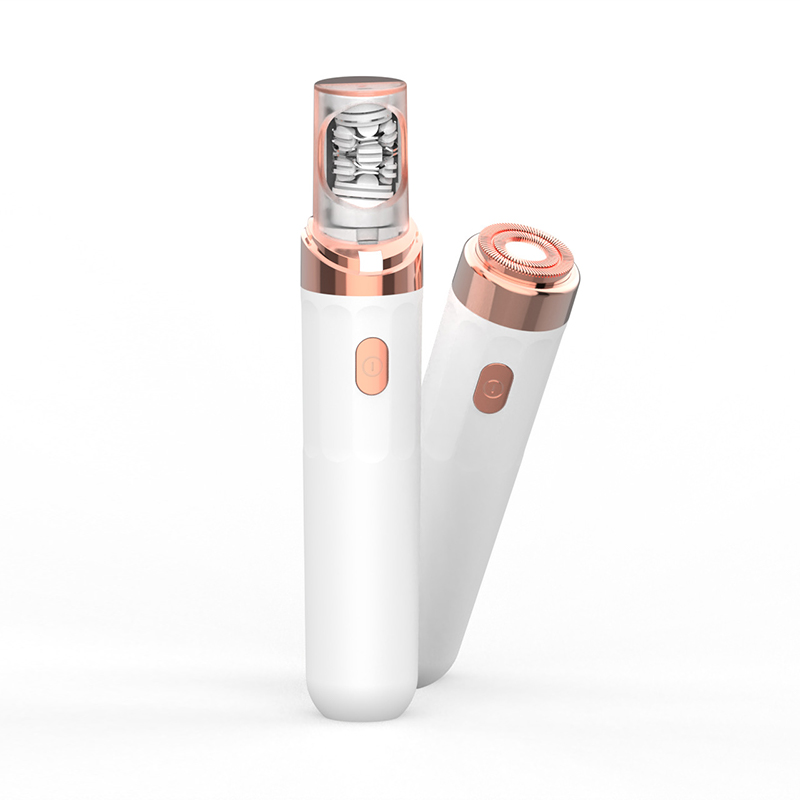 Jan 16,2026
Can a silent electric shaver help prevent skin irritation?
Shaving is a daily routine for millions of people, but it often comes with an uncomfortable side effect: skin irritation. Redness, razor burn, and small cuts can turn a simple grooming task into a painful experience. Recent innovations in grooming technology, especially the development of the silent electric shaver, aim to reduce these problems while providing a smooth, efficient shave. What Makes a Silent Electric Shaver Different? The term silent electric shaver refers to devices designed to operate at lower noise levels than traditional electric shavers. While the difference may seem minor, quieter operation often comes with advanced engineering improvements that directly impact skin comfort. Key Features of a Silent Electric Shaver Reduced vibration: Less vibration means the shaver glides smoothly over the skin, reducing friction and the likelihood of irritation. Precision blades: Advanced blade design ensures efficient hair cutting with minimal pulling or tugging. Adaptive speed settings: Many silent models adjust speed automatically according to beard thickness, preventing overpressure on sensitive areas. Ergonomic design: Lightweight and comfortable handles allow better control, reducing the risk of accidental cuts. How Silent Electric Shavers Reduce Skin Irritation Skin irritation during shaving usually occurs because of mechanical stress and hair pulling. Traditional razors, both manual and conventional electric, can cause micro-cuts and inflammation. Silent electric shavers reduce these risks in several ways: 1. Minimal Skin Contact Stress The precision blades and reduced vibration of a silent electric shaver ensure that the skin experiences less mechanical stress. Unlike noisy shavers, which often require additional pressure to cut hair effectively, silent models work efficiently without pressing hard against the skin. 2. Consistent Hair Cutting Uneven hair cutting is a major cause of razor burn and ingrown hairs. A silent electric shaver’s adaptive motor maintains a steady cutting speed and force, preventing hair from being pulled unevenly, which reduces the risk of irritation. 3. Cooling and Lubrication Features Some high-end silent electric shavers include cooling elements or integrated lubrication strips. These features create a protective barrier between the blades and skin, further minimizing redness and sensitivity after shaving. Comparing Silent Electric Shavers with Conventional Electric Shavers Understanding the differences between silent electric shavers and standard electric shavers can help users make an informed choice: Noise Levels Conventional electric shavers: Typically produce 70–80 dB of sound, which can be jarring and create a perception of harsh operation. Silent electric shavers: Operate at 50–60 dB, offering a calmer, more comfortable experience. Skin Comfort Conventional shavers: High vibration may increase friction, leading to redness and irritation. Silent electric shavers: Reduced vibration and smoother blade operation minimize friction, protecting sensitive skin. Shaving Efficiency Conventional shavers: May require multiple passes to achieve a clean shave, increasing skin stress. Silent electric shavers: Often achieve comparable or superior results with fewer passes, decreasing skin trauma. Additional Tips for Minimizing Skin Irritation While a silent electric shaver can significantly reduce irritation, adopting proper shaving habits is also essential: Shave after a warm shower: Softens hair and opens pores for a smoother shave. Use gentle circular motions: Avoid pressing too hard on the skin. Keep the shaver clean: Regularly removing hair and debris prevents bacteria buildup, reducing the risk of infection and irritation. Apply soothing aftershave or moisturizer: Helps maintain skin hydration and reduces post-shave redness. Frequently Asked Questions About Silent Electric Shavers 1. Can a silent electric shaver completely prevent razor burn? While it significantly reduces the risk, no shaver can guarantee zero irritation. Skin sensitivity varies, and factors such as shaving technique and hair type also play a role. 2. Are silent electric shavers suitable for sensitive skin? Yes. Their low vibration, precision blades, and often integrated cooling or lubrication features make them especially suitable for sensitive skin types. 3. How often should I replace the blades? Blade replacement frequency depends on usage and hair coarseness. Most silent electric shaver manufacturers recommend replacing blades every 12–18 months for optimal performance and skin comfort. 4. Is the shave quality comparable to traditional manual razors? Silent electric shavers provide a close and comfortable shave, but manual razors may still achieve slightly smoother results in certain cases. However, silent electric shavers excel in reducing irritation, making them preferable for daily use. 5. Can women use silent electric shavers? Absolutely. Many models are designed for both men and women, with attachments and adjustable settings suitable for facial or body hair. Conclusion The silent electric shaver represents a meaningful evolution in grooming technology. By reducing noise, vibration, and friction, it can significantly lower the risk of skin irritation and razor burn. Combined with proper shaving habits and skin care, these devices provide a comfortable, efficient, and skin-friendly shaving experience. For anyone prone to sensitivity, redness, or discomfort from traditional shavers, a silent electric shaver is a smart investment that enhances daily grooming while protecting skin health.
VIEW FULL ARTICLE -
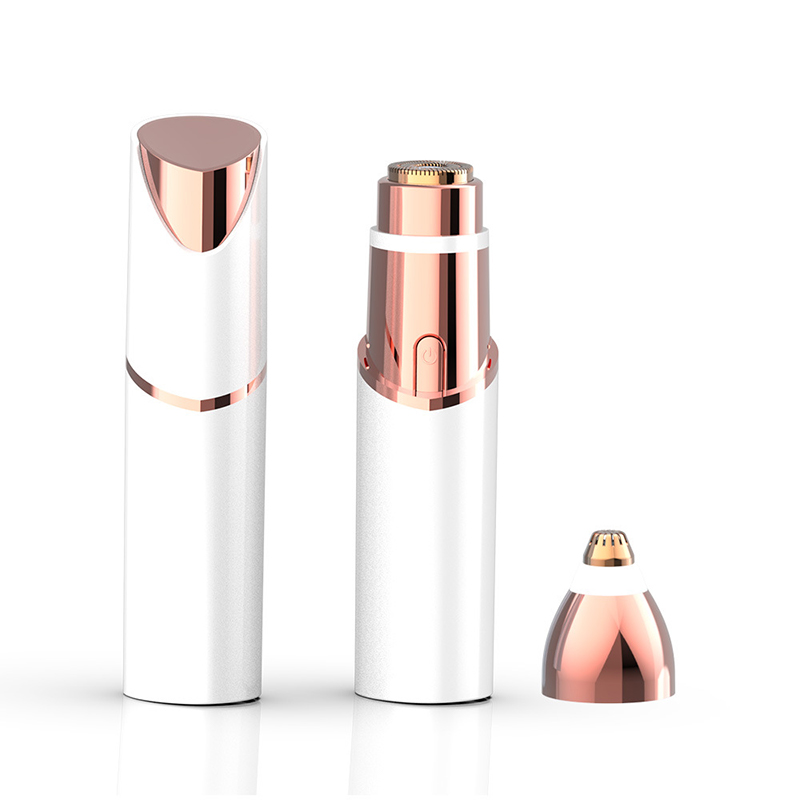 Jan 09,2026
What Features Should You Look for When Buying a Silent Electric Shaver?
The modern grooming market has seen a surge in demand for silent electric shavers. Unlike traditional electric shavers, these devices are designed to deliver a close and comfortable shave with minimal noise. Whether you live in shared spaces, work from home, or simply value a peaceful grooming experience, understanding the features of a silent electric shaver is essential for making an informed choice. Key Features to Consider 1. Noise Level The primary selling point of a silent electric shaver is its low noise output. Noise levels are typically measured in decibels (dB). A shaver with noise levels below 60 dB is considered very quiet. Choosing a shaver with advanced motor technology and sound insulation ensures minimal disturbance to your environment. 2. Blade Quality and Type High-quality blades are crucial for achieving a smooth shave without irritation. Most silent electric shavers use one of two types of blades: Foil Blades: Ideal for sensitive skin and precise trimming. They use oscillating blades beneath a thin foil to cut hair efficiently. Rotary Blades: Equipped with circular blades that adapt to facial contours. Suitable for thicker or coarser hair. Some advanced models combine both technologies to offer versatility and comfort. 3. Battery Life and Charging Battery performance directly affects convenience. Look for a silent electric shaver with long-lasting lithium-ion batteries that provide at least 60–90 minutes of cordless operation. Quick charge options, providing a full shave after 5–10 minutes of charging, are particularly useful for busy lifestyles. 4. Wet and Dry Functionality Many silent electric shavers now feature wet and dry capabilities. This allows users to shave with foam or gel for added comfort or use the shaver in the shower. Waterproof designs also simplify cleaning and maintenance. 5. Ergonomic Design Comfort during shaving is influenced by the shaver's grip, weight, and contour design. An ergonomically designed silent electric shaver reduces hand fatigue and allows smoother movements, especially for extended grooming sessions. 6. Adjustable Shaving Modes Advanced shavers offer multiple speed settings to accommodate different hair types and sensitivity levels. A low-speed mode minimizes noise further while providing gentle shaving for sensitive areas. 7. Skin Protection Features To avoid irritation and cuts, look for shavers with skin protection technology, such as: Flexible blades that adjust to facial contours Hypoallergenic foils Built-in pressure sensors to prevent excessive force Comparing Silent Electric Shavers with Traditional Shavers Noise Levels Traditional electric shavers often produce 70–80 dB of noise, which can be disturbing in quiet environments. Silent electric shavers, on the other hand, operate around 50–60 dB, significantly reducing auditory disturbance. Shaving Efficiency While some argue that quieter motors may compromise cutting power, modern silent electric shavers maintain high efficiency through optimized blade design and motor precision. Many models outperform older, noisier devices in both comfort and shave closeness. Maintenance and Durability Silent electric shavers are designed for easier cleaning, often fully waterproof, and built with premium materials that enhance longevity. Traditional shavers may require more frequent blade replacement and careful handling. Additional Features Worth Considering LED Display and Indicators Modern shavers may include displays showing battery level, cleaning reminders, or replacement schedules. These features make it easier to maintain the device in optimal condition. Travel-Friendly Design If you travel frequently, consider a compact, lightweight shaver with dual voltage support and protective travel caps. Some models come with travel cases and USB charging for convenience on the go. Quiet Operation Enhancements Some high-end models include: Advanced sound insulation Anti-vibration technology to reduce motor noise Optimized blade rotation speed for silent performance Frequently Asked Questions (FAQ) 1. Are silent electric shavers less effective than traditional shavers? No. Modern silent electric shavers use advanced motor and blade technology to deliver a shave as close and efficient as traditional shavers while producing less noise. 2. Can I use a silent electric shaver on wet skin? Yes, many silent electric shavers support wet and dry usage. This allows shaving with water, foam, or gel for enhanced comfort. 3. How often should I replace the blades? Blade replacement frequency varies by model and usage, but generally, foils and cutters should be replaced every 12–18 months to maintain optimal performance. 4. Are silent electric shavers suitable for sensitive skin? Absolutely. Features like hypoallergenic foils, flexible blades, and adjustable speed settings make them ideal for users with sensitive skin. 5. How can I further reduce noise during shaving? Using the lowest speed setting, shaving on wet skin with gel or foam, and keeping the blades clean can help minimize operational noise. Conclusion Choosing the right silent electric shaver involves balancing noise level, blade quality, battery life, ergonomics, and skin protection features. By considering these aspects, users can enjoy a comfortable, efficient, and quiet shaving experience. Investing in a high-quality silent shaver not only enhances grooming but also contributes to a more peaceful and convenient daily routine.
VIEW FULL ARTICLE -
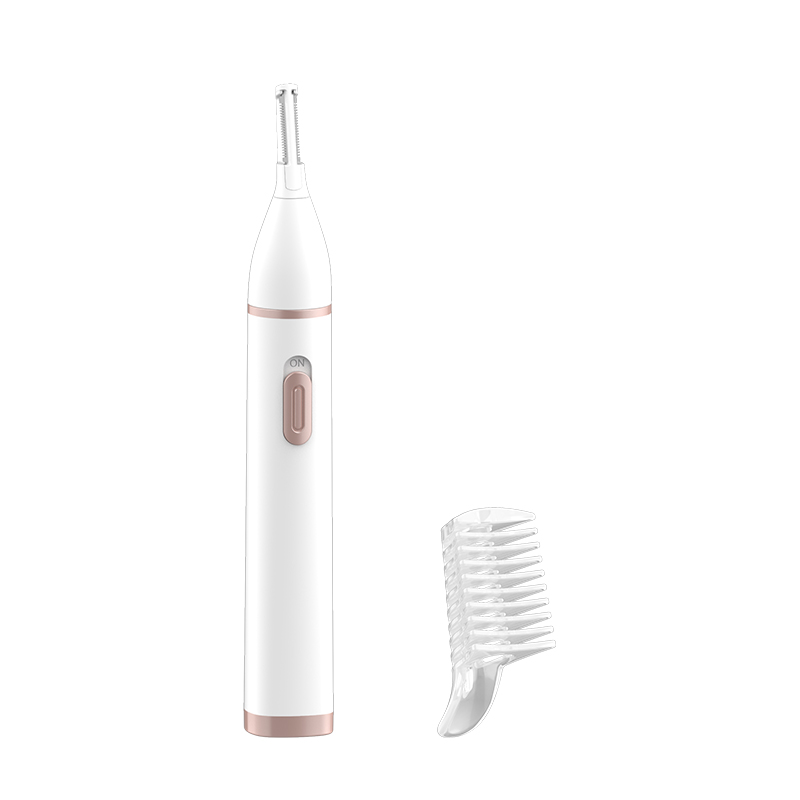 Jan 04,2026
How to Troubleshoot Common Issues with Your Washable Electric Shaver
A Washable Electric Shaver offers the convenience of a smooth, efficient shave while allowing easy cleaning under running water. However, like any electronic grooming device, it can encounter issues over time. Understanding common problems and how to troubleshoot them ensures your shaver remains reliable and extends its lifespan. Common Problems with Washable Electric Shavers 1. Shaver Won’t Turn On One of the most common issues is when the Washable Electric Shaver fails to power on. Potential causes include: Battery Issues: Rechargeable batteries can degrade over time, reducing their ability to hold a charge. Power Supply Problems: Loose connections or a faulty charger can prevent the shaver from receiving power. Internal Faults: Damaged circuits or motors can stop the device from functioning properly. Troubleshooting Tips: First, ensure the shaver is fully charged. Try using a different charging cable if available. If the device still won’t turn on, check the manufacturer’s instructions for a reset function or consider professional repair. 2. Reduced Shaving Performance If the shaver is running but not cutting efficiently, it may be due to: Dull Blades: Regular use dulls the blades, leading to incomplete hair removal. Clogged Foil or Cutter: Hair, skin debris, or shaving gel residue can obstruct the shaving mechanism. Motor Wear: Over time, the motor may lose efficiency, reducing cutting power. Troubleshooting Tips: Clean the shaver thoroughly under running water or using a brush provided. Replace blades or foils according to the manufacturer’s schedule. Lubricating the blades can also improve performance. 3. Unusual Noise or Vibration A Washable Electric Shaver may sometimes produce loud or unusual sounds, indicating potential problems: Loose Parts: Screws, foils, or cutters may loosen over time. Hair or Debris Trapped: Tiny hair particles lodged inside can disrupt smooth operation. Motor Issues: A worn-out motor can produce irregular vibration patterns. Troubleshooting Tips: Disassemble the shaving head carefully, clean all components, and ensure they are securely reassembled. If noise persists, professional servicing may be required. 4. Shaver Overheating Overheating is less common but can occur if: The shaver is used continuously for an extended period. Internal lubrication is insufficient. Debris obstructs moving parts, causing friction. Troubleshooting Tips: Allow the shaver to cool between uses. Clean and lubricate the blades regularly. Avoid using the shaver on very thick or wet hair for prolonged periods without breaks. Comparing Washable vs. Non-Washable Electric Shavers Understanding the difference between washable and non-washable shavers helps in troubleshooting and maintenance: Feature Washable Electric Shaver Non-Washable Electric Shaver Cleaning Can be rinsed under running water for easy maintenance Requires dry brushing or compressed air cleaning Maintenance Time Shorter due to simple rinsing Longer due to manual debris removal Durability Waterproofing protects electronics, but seals may degrade No water protection; generally less flexible for wet use Performance Consistent if cleaned regularly May decrease faster if debris accumulates For users who prioritize hygiene and easy maintenance, a Washable Electric Shaver is superior. Regular cleaning under water prevents debris buildup, improving both performance and longevity. Tips for Maintaining a Washable Electric Shaver Regular Cleaning: Rinse the shaving head after each use to remove hair and residue. Blade Replacement: Replace foils and cutters every 12–18 months depending on usage. Proper Charging: Avoid overcharging or letting the battery completely drain. Lubrication: Apply a drop of blade oil periodically to reduce friction and wear. Storage: Keep the shaver in a dry place, away from extreme temperatures. FAQ About Washable Electric Shavers Q1: Can I use a washable shaver with shaving cream or gel? Yes, most washable electric shavers are designed for wet or dry use. Always check the manufacturer’s instructions for compatibility with gels or foams. Q2: How do I know when to replace the blades? Dull blades reduce shaving efficiency and may cause skin irritation. Replace foils and cutters according to the maintenance schedule, typically every 12–18 months. Q3: Is it safe to rinse the shaver under water while charging? No, always unplug the device before rinsing. Charging while wet can cause electric shock or damage the shaver. Q4: Why does my shaver pull hair instead of cutting it? This usually indicates dull blades or a clogged shaving head. Clean the shaver thoroughly and replace blades if necessary. Q5: How can I extend the battery life of my shaver? Charge it fully before first use, avoid frequent deep discharges, and store it in a cool, dry environment. A Washable Electric Shaver combines convenience with high performance, but it requires proper care and troubleshooting knowledge to remain effective. Identifying common issues such as power failure, reduced performance, unusual noise, or overheating helps users take timely action. Regular cleaning, blade replacement, and careful use extend the lifespan and maintain the shaver’s efficiency. Compared to non-washable shavers, washable models offer superior hygiene and ease of maintenance, making them an excellent choice for modern grooming routines.
VIEW FULL ARTICLE -
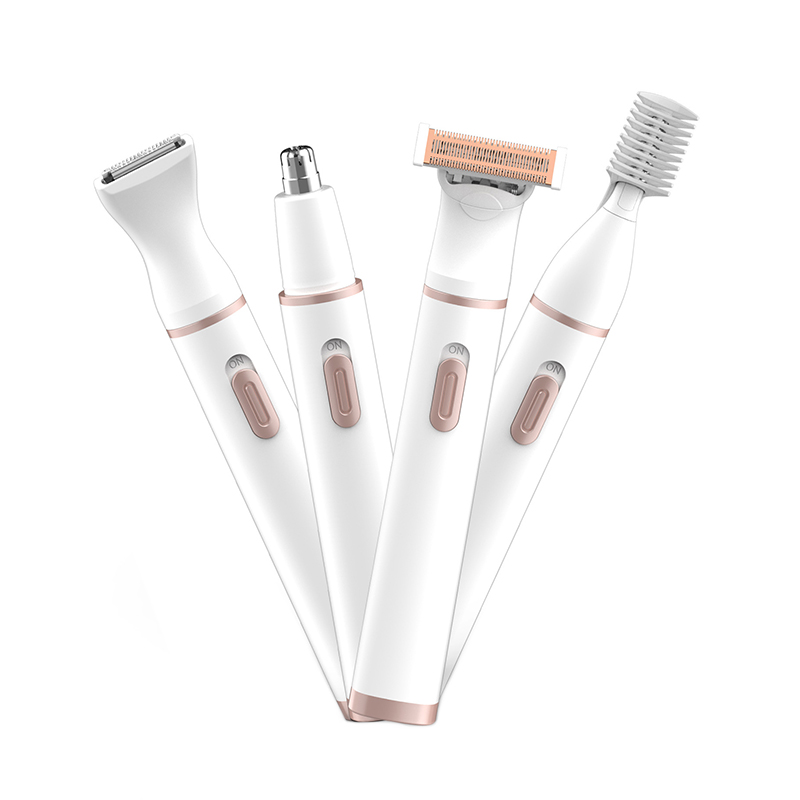 Dec 24,2025
Why is a Washable Electric Shaver a More Hygienic Choice Compared to Traditional Razors?
Personal grooming has evolved significantly over the past few decades, driven by growing awareness of hygiene, skin health, and convenience. Among modern grooming tools, the Washable Electric Shaver has gained widespread popularity as a cleaner and more hygienic alternative to traditional manual razors. As consumers become more conscious of bacteria, skin irritation, and long-term maintenance, washable electric shaving devices are increasingly seen as a smarter choice for daily grooming. Hygiene is no longer just a secondary concern—it is a deciding factor. From bathrooms shared by families to frequent travelers shaving on the go, maintaining a clean shaving tool directly impacts skin condition, comfort, and overall health. Understanding Hygiene in Daily Shaving Shaving creates tiny, often invisible micro-cuts on the skin surface. These openings can easily become entry points for bacteria, fungi, and other microorganisms. When grooming tools are not properly cleaned, they can harbor contaminants that may cause: Skin infections Razor bumps and ingrown hairs Inflammation and redness Acne flare-ups The design and maintenance requirements of a shaving tool play a critical role in preventing these issues. This is where the Washable Electric Shaver clearly differentiates itself from traditional razors. Washable Electric Shaver vs Traditional Razor: A Hygiene Comparison 1. Ease of Thorough Cleaning One of the most significant hygiene advantages of a Washable Electric Shaver is its ability to be rinsed directly under running water. Most modern models feature waterproof or water-resistant designs that allow users to: Rinse away hair clippings instantly Remove shaving foam, gel, or skin oils Prevent buildup inside the shaving head Traditional razors, especially multi-blade cartridge razors, are far more difficult to clean thoroughly. Hair, dead skin, and soap residue often become trapped between blades, creating a moist environment where bacteria can thrive. 2. Reduced Bacterial Accumulation Washable electric shavers are typically constructed with enclosed cutting systems. The blades are protected by foils or rotary heads, reducing direct exposure to skin debris. Regular rinsing helps remove contaminants before bacteria have time to multiply. In contrast, traditional razors expose open blades directly to the skin. Even with rinsing, microscopic debris often remains lodged between blade layers, increasing the risk of bacterial growth over time. 3. Faster Drying and Less Moisture Retention Moisture is one of the main contributors to bacterial proliferation. Many Washable Electric Shaver designs emphasize quick drainage and airflow after cleaning, allowing the shaving head to dry rapidly. Manual razors, particularly those stored in humid bathrooms, tend to retain moisture between blades and handle joints. This lingering dampness creates an ideal breeding ground for germs. Skin Health Benefits of a Washable Electric Shaver Minimized Skin Irritation Electric shavers cut hair slightly above the skin surface rather than scraping directly against it. This reduces friction and minimizes the chances of micro-cuts. When combined with a clean, washable system, the result is a noticeable reduction in: Razor burn Redness Post-shave sensitivity Lower Risk of Ingrown Hairs Ingrown hairs often occur when hair is cut too close or below the skin surface. Traditional razors are notorious for this issue, especially in individuals with curly or coarse hair. A Washable Electric Shaver typically leaves hair at a safer length, helping to prevent hair from curling back into the skin. Cleaner Shaves for Acne-Prone Skin For individuals prone to acne or folliculitis, hygiene is critical. A washable electric shaver reduces cross-contamination by allowing daily cleaning of the cutting head. This helps keep pores cleaner and reduces the likelihood of breakouts caused by dirty blades. Maintenance and Long-Term Hygiene Advantages Simple Daily Cleaning Routine Maintaining a Washable Electric Shaver is straightforward. Most manufacturers recommend: Rinsing the shaving head after every use Occasional use of mild soap for deeper cleaning Air-drying the device before storage This simple routine ensures consistent hygiene without additional tools or effort. Optional Deep Cleaning Features Many advanced washable electric shavers come with cleaning stations or self-cleaning modes. These systems use cleaning solutions or automated rinsing cycles to further sanitize the shaving head, offering an extra layer of hygiene that traditional razors cannot match. Longer Usable Lifespan Because washable electric shavers are designed for repeated cleaning, their components tend to remain in better condition over time. Traditional razors often degrade faster due to rust, blade dulling, and residue buildup, which can compromise hygiene and shaving performance. Environmental and Shared-Use Hygiene Considerations Reduced Waste and Cleaner Usage Disposable razors are typically thrown away after limited use, often before they can be thoroughly cleaned. This not only contributes to environmental waste but also encourages extended use of dull, unhygienic blades. A Washable Electric Shaver, on the other hand, is designed for long-term use with replaceable heads, promoting cleaner grooming habits. Safer Option for Shared Bathrooms In households, dormitories, or shared living spaces, maintaining personal hygiene tools is essential. Washable electric shavers can be cleaned quickly after each use, reducing the risk of cross-contamination in shared environments. Travel Hygiene and Convenience Traveling often means limited access to ideal cleaning conditions. A Washable Electric Shaver offers clear advantages for travelers: Easy rinsing in hotel sinks No need for blade replacement during short trips Compact and enclosed design for cleaner storage Traditional razors can become unhygienic quickly when stored damp in travel kits, increasing the risk of skin irritation while on the road. Cost Efficiency Linked to Hygiene Although electric shavers may have a higher initial cost, their hygienic design contributes to long-term savings. Fewer skin issues mean reduced spending on skincare treatments, while durable washable components eliminate the need for frequent blade replacements. Better hygiene ultimately leads to better skin health and lower grooming-related expenses. Choosing the Right Washable Electric Shaver Key Features to Look For Fully waterproof or water-resistant construction Detachable shaving head for thorough rinsing Antibacterial or stainless steel blades Quick-drying design These features ensure maximum hygiene and long-term usability. Frequently Asked Questions (FAQ) Is a Washable Electric Shaver truly more hygienic than a manual razor? Yes. The ability to rinse the entire shaving head under water removes hair, skin debris, and bacteria more effectively than traditional razors, which often trap residue between blades. How often should a washable electric shaver be cleaned? Light rinsing after every shave is recommended. Deeper cleaning with soap or a cleaning station can be done weekly or as advised by the manufacturer. Can bacteria still grow on an electric shaver? Any grooming tool can harbor bacteria if neglected. However, the washable design makes it significantly easier to prevent buildup through regular cleaning. Is wet shaving with a washable electric shaver hygienic? Wet shaving is hygienic as long as the shaver is rinsed thoroughly afterward. Washable electric shavers are specifically designed to handle shaving gels, foams, and water safely. Does a washable electric shaver suit sensitive skin? Yes. Reduced blade contact, cleaner shaving heads, and minimized irritation make washable electric shavers particularly suitable for sensitive skin types. How long do washable electric shaver blades last? Blade lifespan varies by brand and usage, but proper cleaning significantly extends blade performance and hygiene, often lasting several months to over a year. A Modern Approach to Cleaner Grooming The growing preference for a Washable Electric Shaver reflects a broader shift toward hygienic, skin-friendly grooming solutions. By offering easier cleaning, reduced bacterial exposure, and improved skin comfort, washable electric shavers provide clear advantages over traditional razors. For individuals prioritizing cleanliness, convenience, and long-term skin health, washable electric shaving technology represents a practical and hygienic evolution in personal care.
VIEW FULL ARTICLE -
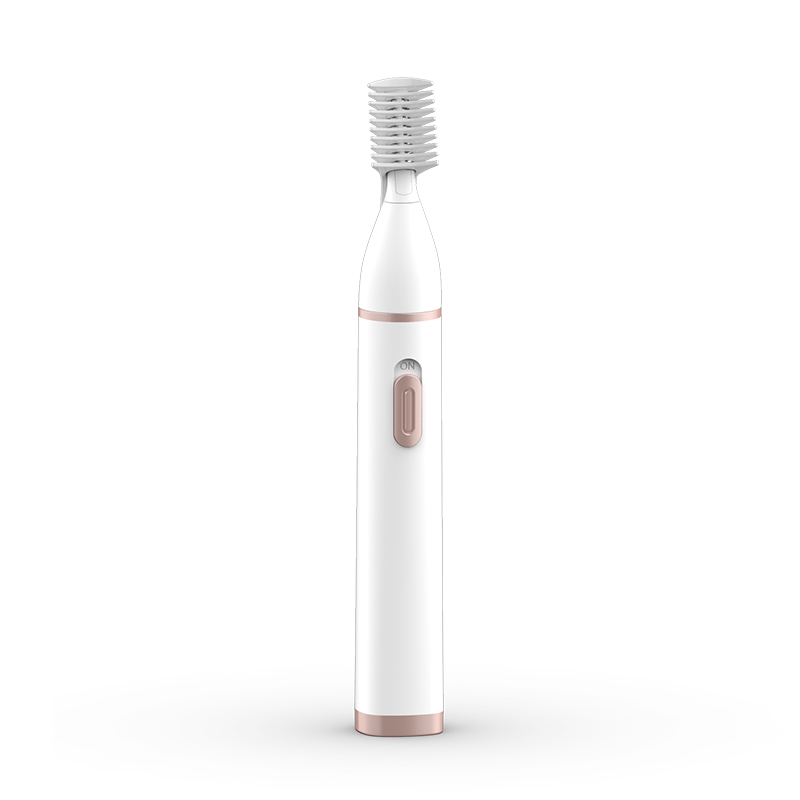 Dec 19,2025
How Does a Washable Electric Shaver Enhance Durability and Longevity?
A Washable Electric Shaver is designed for modern grooming needs, combining convenience with long-term reliability. Unlike traditional electric shavers, these devices are engineered to withstand water exposure, making cleaning easy and maintenance minimal. Their innovative design ensures that performance remains consistent over time, which directly contributes to enhanced durability and longevity. Key Features That Boost Durability 1. Water-Resistant Construction Washable electric shavers are built with water-resistant materials and sealed internal components. This prevents water from damaging the motor, battery, or internal electronics during cleaning or accidental splashes. As a result, the device remains functional for years, even with frequent exposure to water. 2. Self-Cleaning Mechanisms Many models include built-in cleaning systems or detachable heads that can be rinsed under running water. This reduces the accumulation of hair, skin particles, and shaving cream, which often cause wear and tear in non-washable shavers. Regular cleaning ensures optimal performance and extends the life of the blades and motor. 3. High-Quality Materials Blades are usually made from stainless steel or other corrosion-resistant alloys, which maintain sharpness over time. The outer casing often uses durable plastics or coated metals that resist cracking or fading. Together, these materials make the Washable Electric Shaver more resilient compared to standard models. Performance Comparison: Washable vs Non-Washable Electric Shavers Cleaning: Washable shavers can be rinsed directly under water, while non-washable shavers require careful brushing and may still retain residue. Lifespan: Regular washing reduces buildup and friction, resulting in less mechanical strain and longer lifespan for washable shavers. Maintenance Effort: Washable shavers typically require less time and effort for maintenance, contributing to sustained performance. Tips for Maximizing Longevity Rinse the shaver thoroughly after each use to prevent debris accumulation. Dry the device properly, especially around the blades and charging contacts, to avoid moisture-related damage. Use manufacturer-recommended lubricants or cleaning solutions to maintain blade sharpness. Replace worn blades or foils as suggested by the manufacturer to maintain cutting efficiency. Frequently Asked Questions (FAQ) Q1: Can I use a washable electric shaver in the shower? Yes, most washable electric shavers are designed for wet use. Always check the product specifications to ensure it is fully waterproof. Q2: How often should I clean my shaver? For optimal performance, rinse the shaver after every use. Some models also have automatic cleaning systems that should be used as recommended in the user manual. Q3: Will frequent washing affect battery life? Properly designed washable shavers have sealed electronics, so rinsing under water does not affect battery performance. However, avoid submerging the device in water unless it is fully waterproof. Q4: Are washable electric shavers more expensive than non-washable ones? They may have a higher upfront cost due to water-resistant construction and durable materials, but their extended lifespan and lower maintenance needs often make them more cost-effective over time. Conclusion The Washable Electric Shaver offers a blend of convenience, hygiene, and long-term reliability. Its water-resistant design, high-quality materials, and ease of maintenance ensure that it performs consistently over many years. Compared to non-washable shavers, it requires less effort to maintain and delivers a longer-lasting grooming solution.
VIEW FULL ARTICLE -
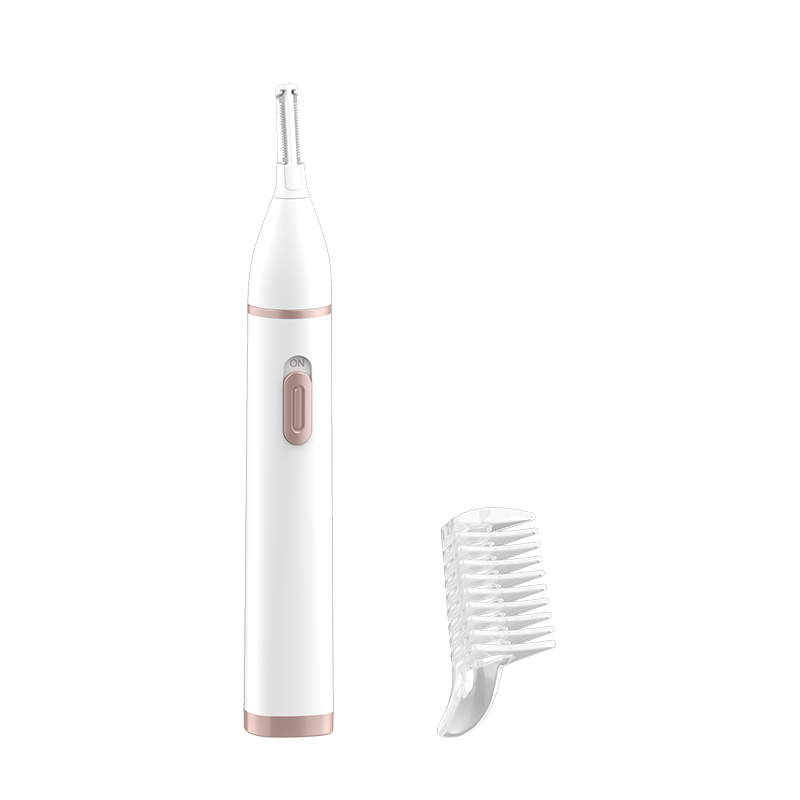 Dec 12,2025
What Are the Environmental Benefits of Using a Washable Electric Shaver?
Introduction to Washable Electric Shavers The Washable Electric Shaver has become increasingly popular among consumers seeking convenience and sustainability. Unlike traditional disposable razors, these shavers are designed for long-term use and easy cleaning, offering significant environmental advantages. Reduced Plastic Waste One of the most obvious benefits of a Washable Electric Shaver is its potential to reduce plastic waste. Traditional disposable razors are often made of plastic and are thrown away after a few uses, contributing heavily to landfills. In contrast, a washable shaver can last for years, significantly lowering the amount of single-use plastic discarded. Comparison with Disposable Razors Disposable Razors: Typically used a few times and then discarded. Washable Electric Shaver: Can be reused for years with proper maintenance, reducing plastic consumption. Energy Efficiency and Water Conservation Modern Washable Electric Shavers are designed to be energy-efficient. Many models feature rechargeable batteries that minimize electricity usage. Additionally, the washable feature allows for easy cleaning without excessive water use, unlike traditional shaving methods that often require running water continuously. Cost Savings and Sustainability Investing in a Washable Electric Shaver also provides economic benefits while supporting sustainable practices. Although the initial cost may be higher than disposable razors, the long lifespan and reduced need for replacement blades or units make it a more cost-effective and environmentally responsible choice. Long-Term Benefits Fewer products sent to landfills Lower carbon footprint over time Reduced need for packaging materials Frequently Asked Questions (FAQ) 1. Can a washable electric shaver be used in the shower? Yes, most Washable Electric Shavers are waterproof and safe for wet use, making them convenient for shower shaving while minimizing water wastage. 2. How long does a washable electric shaver last? With proper care, a high-quality Washable Electric Shaver can last anywhere from 5 to 10 years, depending on usage and maintenance. 3. Are they really better for the environment? Absolutely. By reducing plastic waste, lowering energy consumption, and minimizing the need for disposable products, Washable Electric Shavers contribute to a more sustainable lifestyle. Conclusion Switching to a Washable Electric Shaver is a simple yet impactful way to support environmental sustainability. By reducing plastic waste, conserving energy and water, and providing long-term cost savings, these shavers offer a practical solution for eco-conscious consumers.
VIEW FULL ARTICLE
KEEP IN TOUCH
-

luke@aisenappliance.com
-

+86-13819843737 / +86-574-62361977
-

Unit 1, Building 7, No. 4 Xieli Road, Simen Town, Yuyao City, Zhejiang Province, China