English
  日本語
日本語
 Español
 Deutsch



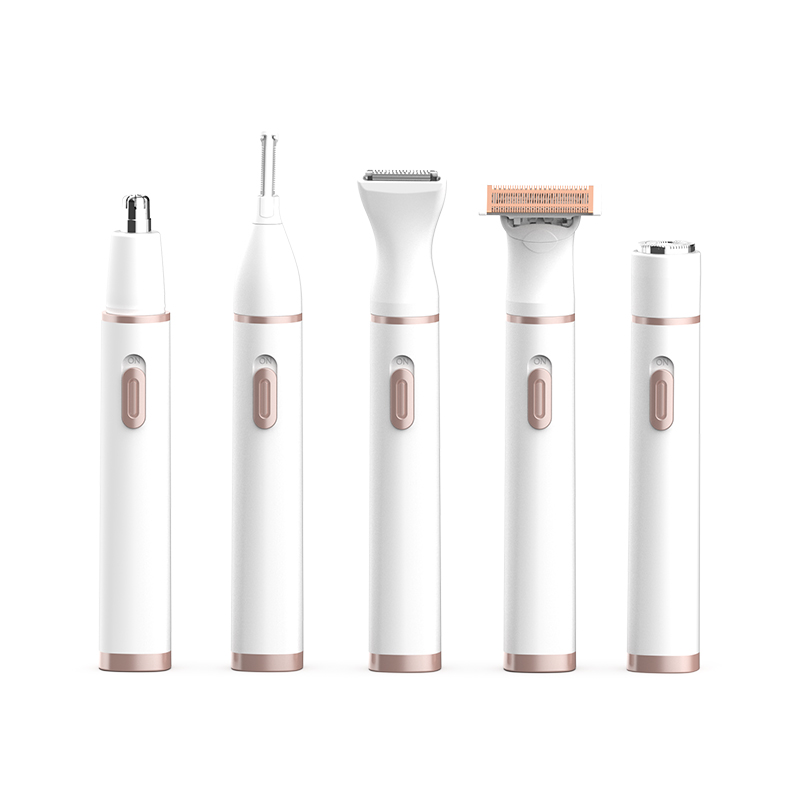
As personal grooming technology continues to evolve, consumers are no longer satisfied with just a close shave. Comfort, efficiency, durability, and especially low noise have become key decision factors. At the heart of these expectations lies one critical component: the motor design. For any silent electric shaver, the motor is not merely a power source—it directly determines shaving smoothness, noise level, energy efficiency, and overall user experience.
Understanding how motor design influences performance helps users make informed purchasing decisions and allows manufacturers to differentiate their products in a highly competitive market.
Content
- Why Motor Design Matters in a Silent Electric Shaver
- Core Motor Types Used in Silent Electric Shavers
- Key Motor Design Elements That Affect Shaver Performance
- Noise Reduction Technologies in Motor Design
- Motor Efficiency and Battery Performance
- Motor Design and Skin Comfort
- Comparison: Silent Electric Shaver vs Conventional Electric Shaver
- Manufacturing Precision and Quality Control
- Future Trends in Silent Electric Shaver Motor Design
- Frequently Asked Questions (FAQ)
- Conclusion: Motor Design as the Core of Silent Shaving Performance
Why Motor Design Matters in a Silent Electric Shaver
The motor is responsible for converting electrical energy into mechanical motion that drives the cutting blades. In a silent electric shaver, this process must be optimized to minimize vibration and acoustic output while maintaining sufficient torque for consistent hair cutting.
Unlike conventional electric shavers, silent models rely on precision engineering to balance power and quietness. Even small design differences in motor structure can significantly impact:
- Noise and vibration levels
- Shaving efficiency and speed
- Skin comfort and irritation risk
- Battery consumption and runtime
- Product lifespan and reliability
Core Motor Types Used in Silent Electric Shavers
Modern silent electric shavers typically employ one of several motor technologies. Each comes with distinct advantages and trade-offs.
1. Brushed DC Motors
Traditional brushed DC motors are simple and cost-effective. However, they generate more friction and electrical noise due to physical contact between brushes and the commutator.
- Advantages: Low cost, easy to manufacture
- Limitations: Higher noise, faster wear, less efficient
Because of these drawbacks, brushed motors are less common in premium silent electric shaver models.
2. Brushless DC (BLDC) Motors
Brushless motors have become the preferred choice for high-end silent electric shavers. By eliminating physical brushes, they significantly reduce friction, heat, and noise.
- Lower acoustic output
- Higher torque consistency
- Longer service life
- Improved energy efficiency
BLDC motors are controlled electronically, allowing precise speed regulation that adapts to beard density in real time.
3. Coreless Motors
Coreless motors remove the iron core found in traditional designs, reducing rotational inertia. This enables rapid acceleration and ultra-smooth operation.
In a silent electric shaver, coreless motors contribute to:
- Minimal vibration
- Extremely quiet operation
- Responsive blade movement
However, they are more expensive and require precise manufacturing tolerances.
Key Motor Design Elements That Affect Shaver Performance
Motor Speed Stability
A silent electric shaver must maintain consistent blade speed regardless of hair thickness. Poor speed stability leads to hair pulling, uneven shaving, and increased noise.
Advanced motor controllers adjust output dynamically, ensuring:
- Stable RPM under load
- Smoother cutting cycles
- Reduced mechanical resonance
Torque Output and Distribution
Torque determines how effectively the motor can drive the blades through dense or coarse hair. Insufficient torque causes blade stalling, increasing vibration and audible noise.
High-quality silent electric shavers are engineered to deliver:
- High torque at low RPM
- Even torque distribution across blade assemblies
Vibration Control and Balancing
Motor imbalance is one of the main sources of noise. Precision rotor balancing and damping materials are essential in silent electric shaver design.
Effective vibration control results in:
- Lower sound pressure levels
- Improved hand comfort
- Better shaving accuracy
Noise Reduction Technologies in Motor Design
Achieving silence is not about eliminating sound entirely, but reducing it below perceptible or irritating levels. Motor design plays a central role.
Electromagnetic Optimization
Optimized magnetic field distribution reduces electromagnetic hum, a common issue in poorly designed motors.
Precision Bearings
High-grade ceramic or self-lubricating bearings reduce friction and mechanical noise, extending motor life.
Acoustic Isolation Structures
Some silent electric shavers incorporate motor suspension systems that isolate vibration from the outer casing, preventing sound amplification.
Motor Efficiency and Battery Performance
Motor efficiency directly affects battery life, charging frequency, and thermal performance.
| Motor Type | Energy Efficiency | Noise Level | Typical Battery Runtime |
|---|---|---|---|
| Brushed DC | Low | High | Short |
| Brushless DC | High | Low | Long |
| Coreless | Very High | Very Low | Long |
For a silent electric shaver, efficient motors ensure longer use between charges while maintaining stable performance.
Motor Design and Skin Comfort
Noise and vibration are closely linked to skin comfort. A poorly designed motor may cause micro-vibrations that translate into skin irritation.
Advanced motor designs help achieve:
- Gentler blade contact
- Reduced friction on sensitive skin
- Lower risk of razor burn
This is particularly important for users with sensitive skin or those who shave daily.
Comparison: Silent Electric Shaver vs Conventional Electric Shaver
| Feature | Silent Electric Shaver | Conventional Electric Shaver |
|---|---|---|
| Motor Type | Brushless / Coreless | Brushed DC |
| Noise Level | Very Low | Moderate to High |
| Vibration | Minimal | Noticeable |
| Battery Efficiency | High | Lower |
| User Comfort | Excellent | Average |
Manufacturing Precision and Quality Control
Motor design is only as good as its execution. For silent electric shavers, tight manufacturing tolerances are essential.
Key quality factors include:
- Rotor alignment accuracy
- Consistent winding quality
- Electronic control calibration
Premium brands invest heavily in automated testing to ensure each motor meets strict noise and performance standards.
Future Trends in Silent Electric Shaver Motor Design
Innovation in motor technology continues to push the boundaries of quiet grooming.
AI-Controlled Motor Systems
Next-generation shavers may use sensors and AI algorithms to adjust motor output based on shaving patterns.
Advanced Materials
Lighter rotors, improved magnetic alloys, and composite housings further reduce vibration and noise.
Ultra-Low Noise Benchmarks
Manufacturers are increasingly targeting noise levels below 50 dB, approaching near-silent operation.
Frequently Asked Questions (FAQ)
What makes a silent electric shaver truly “silent”?
A combination of brushless or coreless motor design, precision balancing, vibration isolation, and optimized electronic control.
Does a quieter motor mean weaker shaving power?
No. Modern motor designs deliver high torque with low noise, often outperforming louder traditional motors.
Are silent electric shavers more durable?
Yes. Reduced friction and heat lead to longer motor lifespan and more consistent performance over time.
Is a brushless motor worth the higher cost?
For users prioritizing comfort, longevity, and quiet operation, brushless motors offer excellent long-term value.
How does motor design affect maintenance?
Brushless and coreless motors require less maintenance due to fewer wear components and better thermal management.
Conclusion: Motor Design as the Core of Silent Shaving Performance
The performance of a silent electric shaver is inseparable from its motor design. From noise reduction and energy efficiency to skin comfort and durability, every aspect of the shaving experience is influenced by how the motor is engineered.
As consumer expectations rise, motor innovation will remain the defining factor that separates basic grooming tools from truly premium silent electric shavers. Choosing a model with advanced motor technology ensures not only a quieter shave, but a smoother, more comfortable, and more reliable grooming routine.