English
  日本語
日本語
 Español
 Deutsch



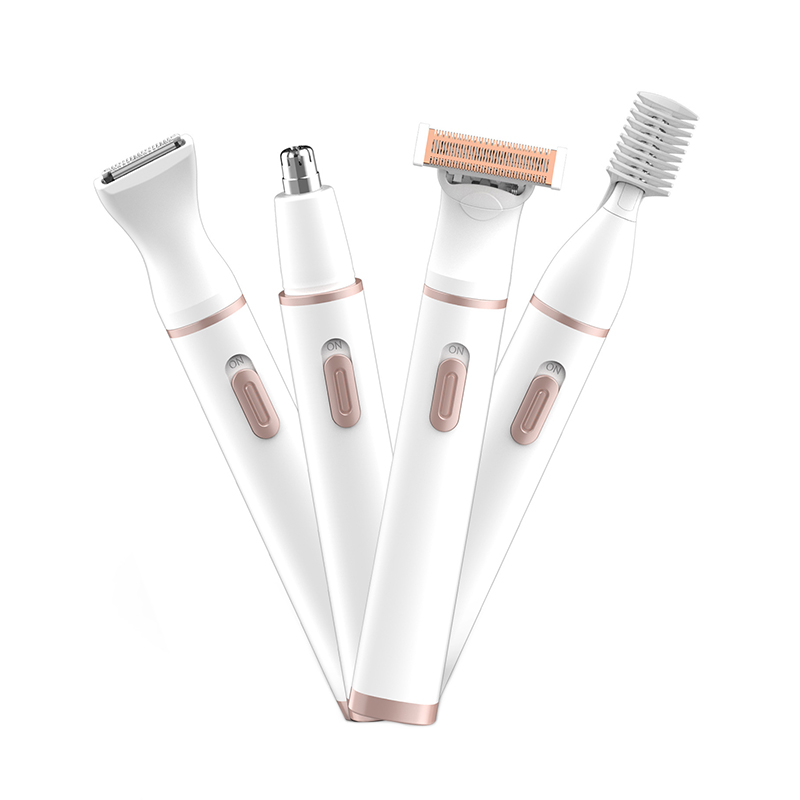
You can use an electric shaver with shaving cream, but only if your shaver is explicitly rated as "wet/dry" or waterproof. Using shaving cream with a dry-only electric shaver can permanently damage the motor, corrode internal components, and void your warranty. For wet/dry shavers, applying shaving cream or gel can actually improve comfort, reduce skin irritation, and deliver a closer shave — especially for men with sensitive skin or coarse facial hair.
This guide covers everything you need to know: how to tell if your shaver supports wet shaving, how shaving cream changes the shaving experience, the right technique for using both together, and when it makes more sense to shave dry. Whether you are switching from a traditional razor or simply curious about getting more out of your electric shaver, the answers below are practical and specific.
Content
- Wet vs. Dry Electric Shavers — What Is the Difference?
- Wet/Dry vs. Dry-Only Electric Shavers — Side-by-Side Comparison
- What Does Shaving Cream Actually Do for an Electric Shaver?
- How to Use an Electric Shaver with Shaving Cream — Step by Step
- Which Type of Shaving Product Works Best with an Electric Shaver?
- Wet Shaving vs. Dry Shaving with an Electric Shaver — Which Is Better?
- Foil vs. Rotary Electric Shavers — Which Works Better with Shaving Cream?
- Common Mistakes When Using an Electric Shaver with Shaving Cream
- Frequently Asked Questions
- Final Verdict: Should You Use Shaving Cream with Your Electric Shaver?
Wet vs. Dry Electric Shavers — What Is the Difference?
The single most important factor in whether you can use shaving cream with your electric shaver is whether it is classified as a wet/dry model or a dry-only model. These two categories are fundamentally different in their internal sealing, motor protection, and blade design.
Dry-Only Electric Shavers
Dry-only shavers are designed exclusively for use on bare, dry skin — no water, no foam, no gel, no lotion. Their internal components — motor, circuit board, battery contacts — are not sealed against moisture. Even a small amount of liquid entering through the blade head can cause immediate short-circuits or gradual corrosion that destroys the shaver over weeks.
Dry-only shavers are typically lower in price and designed for convenience — a quick shave at the desk or on the road without any prep. They are identifiable by the absence of any waterproof or IPX rating on the packaging or product specifications.
Wet/Dry Electric Shavers
Wet/dry electric shavers are fully sealed units with waterproof ratings (most commonly IPX5 or IPX7) that allow use in the shower, under running water, and with shaving cream, gel, foam, or oil. IPX5 means the shaver is protected against water jets from any direction; IPX7 means it can be submerged in up to 1 meter of water for 30 minutes.
Wet/dry shavers are specifically engineered with hydrophilic blades — blades treated or designed to glide smoothly when wet — and sealed charging contacts to prevent water ingress during rinsing and cleaning. These models are universally safe for use with shaving cream.
How to check your shaver's rating: Look on the shaver body, in the user manual, or on the manufacturer's product page. Any of the following phrases confirms wet shaving compatibility: "wet & dry," "IPX5," "IPX7," "waterproof," or "suitable for shower use."
Wet/Dry vs. Dry-Only Electric Shavers — Side-by-Side Comparison
Understanding what each type can and cannot do helps you make the right choice for your shaving routine.
| Feature | Wet/Dry Shaver | Dry-Only Shaver |
| Use with shaving cream | Yes | No |
| Use in shower | Yes | No |
| Rinse under running water | Yes | No |
| Waterproof rating | IPX5 / IPX7 | None |
| Skin comfort (sensitive skin) | Higher (with cream) | Lower |
| Typical price range | Moderate to High | Low to Moderate |
| Ease of cleaning | Easy (rinse under tap) | Brush-only cleaning |
| Best for | Sensitive skin, close shave | Quick dry shave, travel |
Table: A full comparison of wet/dry and dry-only electric shavers across compatibility, comfort, cleaning, and typical use cases.
What Does Shaving Cream Actually Do for an Electric Shaver?
Shaving cream acts as a lubricating barrier between the shaver's blades and your skin, reducing friction, lifting facial hair, and preventing razor burn — benefits that are just as relevant for electric shavers as they are for traditional razors.
When you apply shaving cream or gel before using a wet/dry electric shaver, three things happen simultaneously:
- Hair softening: The water content in the cream hydrates and swells each hair shaft by up to 30–40%, making it significantly easier to cut cleanly and with less motor strain.
- Lubrication: The cream creates a slippery film over the skin surface, allowing the shaver head to glide smoothly rather than dragging — particularly important in the jaw, chin, and neck area where skin can fold.
- Skin protection: The cream cushions each pass of the shaver head, reducing micro-abrasion that causes redness, bumps, and irritation — a major concern for men with sensitive or acne-prone skin.
Studies in dermatology journals have consistently shown that shaving with a lubricating agent reduces skin barrier disruption by 20–35% compared to dry shaving, regardless of whether the cutting tool is a blade or an electric shaver. This translates directly to fewer ingrown hairs, less post-shave redness, and lower likelihood of razor bumps — technically called pseudofolliculitis barbae.
For men who shave daily, this cumulative reduction in skin trauma is clinically significant. Even if the difference feels minor on any given morning, the long-term impact on skin health is meaningful.
How to Use an Electric Shaver with Shaving Cream — Step by Step
The technique for wet electric shaving differs from both dry electric shaving and traditional razor shaving — following the correct steps ensures a closer, more comfortable result and extends the life of your shaver.
- Confirm your shaver is wet/dry rated. Check for IPX5, IPX7, or a "wet & dry" label before applying any product. If in doubt, check the manual.
- Wash your face with warm water. Spend at least 30 seconds wetting your face with warm — not hot — water. Warm water opens pores, softens hair, and prepares skin to absorb the cream more effectively. Shaving immediately after a shower is ideal.
- Apply a thin, even layer of shaving cream or gel. Use a pea-to-marble-sized amount — much less than you would use with a blade razor. Electric shavers work best with a thin lubricating layer, not a thick foam build-up. Excess foam can clog the shaver head and reduce cutting efficiency. Massage gently into the skin in circular motions.
- Shave with light, slow strokes. Unlike dry electric shaving, wet shaving requires slower, more deliberate passes. Move the shaver against the direction of hair growth for a closer result, or with the grain if you have sensitive skin. Use your free hand to gently stretch the skin flat on problem areas like the neck and jaw.
- Rinse the shaver head periodically. Every 60–90 seconds, briefly rinse the shaver head under running water to clear accumulated cream and cut hairs. This prevents clogging and maintains consistent blade contact with the skin.
- Rinse your face thoroughly with cool water. After shaving, rinse your face with cool water to close pores and remove all cream residue. Pat dry with a clean towel — do not rub.
- Clean the shaver fully after use. Rinse the shaver head under running water until the water runs clear. Many wet/dry shavers can also be cleaned by opening the head and rinsing under a direct tap. Allow to air dry completely before storing or charging.
- Apply a post-shave moisturizer or balm. Wet shaving, even with cream, removes some of the skin's natural moisture barrier. A fragrance-free balm or moisturizer applied within two minutes of shaving restores hydration and significantly reduces post-shave tightness or redness.
Which Type of Shaving Product Works Best with an Electric Shaver?
Transparent shaving gels and non-foaming shaving creams work best with electric shavers — thick aerosol foams and heavy lather creams tend to clog the blade assembly and reduce cutting performance.
Here is how the main types of shaving products compare when used with an electric shaver:
| Product Type | Compatibility | Lubrication | Clog Risk | Best For |
| Shaving gel (clear) | Excellent | High | Low | All skin types |
| Non-foaming cream | Excellent | High | Low | Sensitive skin |
| Aerosol foam | Fair | Moderate | Medium–High | Thick, coarse hair |
| Shaving oil | Good | Very High | Low | Dry/very sensitive skin |
| Soap lather (brush) | Poor | Moderate | High | Not recommended |
| No product (dry) | N/A | None | None | Quick touch-ups |
Table: Comparison of different shaving products and their compatibility, lubrication quality, clogging risk, and ideal use cases when paired with a wet/dry electric shaver.
Wet Shaving vs. Dry Shaving with an Electric Shaver — Which Is Better?
Wet shaving with cream delivers greater comfort and closeness for most men, while dry shaving offers unbeatable convenience — the right choice depends on your skin type, time available, and shave quality expectations.
There is no universal winner. Professional grooming experts and dermatologists generally agree on the following breakdown:
When Wet Shaving with Cream Is the Better Choice
- Sensitive or easily irritated skin — the cream barrier dramatically reduces friction-related redness
- Coarse or dense facial hair — softened hair is easier to cut, reducing pulling and tugging
- Daily shavers — frequent shaving accumulates skin stress; cream helps manage it
- Men prone to ingrown hairs or razor bumps — lubrication reduces the sharp-angled cutting that contributes to ingrowns
- Longer, uneven stubble — cream helps the shaver maintain consistent contact with the skin surface
When Dry Shaving Is the Better Choice
- Time-constrained mornings — dry shaving takes 2–3 minutes versus 6–8 minutes for a full wet shave
- Travel without access to running water — dry shavers work anywhere, any time
- Normal or oily skin with fine hair — may not experience enough benefit from cream to justify the extra time
- Touch-up shaves between main sessions — quick dry passes are efficient for maintaining an already-close shave
- Men who prefer a slightly longer stubble look — dry shaving tends to leave a fractionally longer result, which suits certain styles
Foil vs. Rotary Electric Shavers — Which Works Better with Shaving Cream?
Both foil and rotary electric shavers can be used with shaving cream when rated as wet/dry, but foil shavers generally perform slightly better with cream due to their blade geometry and rinsing ease.
Foil Shavers with Shaving Cream
Foil shavers use oscillating blades beneath a thin perforated metal screen. The straight, linear cutting motion pairs naturally with a thin layer of shaving gel because the cream fills and protects the skin while the foil screen lifts hairs into the cutting element. Foil shavers also tend to be easier to rinse clean of cream residue under running water due to their open-sided blade cassette design.
Foil shavers work especially well on flat areas of the face — the cheeks and upper lip — and deliver a very close, smooth result when used with gel on well-prepared skin.
Rotary Shavers with Shaving Cream
Rotary shavers use three or four circular blade heads that spin continuously. They excel at following facial contours — the jaw, chin, and neck — making them a popular choice for men with rounded or angular face shapes. When used with shaving cream, they perform well, though cream can accumulate more readily in the circular blade channels, requiring more frequent mid-shave rinsing.
Using a thinner, less viscous shaving gel (rather than a thick foam) with a rotary shaver reduces clogging and makes the cleaning process significantly easier.
Common Mistakes When Using an Electric Shaver with Shaving Cream
Most problems with wet electric shaving come from applying too much product, using the wrong type of cream, or failing to rinse the shaver properly — all of which are easily avoidable.
- Using too much cream: A thick foam layer prevents the shaver's blades from reaching the hair effectively. Use only a thin, even film — enough to see the skin beneath if pressed lightly.
- Moving the shaver too quickly: Wet shaving requires slower strokes than dry shaving. Rushing causes the shaver to hydroplane over the cream rather than cutting the hair cleanly.
- Not rinsing mid-shave: Accumulated cream mixed with cut hairs forms a paste that dramatically reduces blade efficiency. Rinse the head every 60–90 seconds.
- Using alcohol-based aftershave immediately after: Wet shaving opens pores and micro-abrades the skin. Applying alcohol-based products immediately after can cause severe stinging and irritation. Use a soothing, alcohol-free balm instead.
- Storing the shaver wet: Always allow the shaver to air dry completely after a wet shave before capping or storing it. Trapping moisture inside the blade assembly accelerates oxidation of the blades even on sealed shavers.
- Skipping blade lubrication: Wet shaving washes away the factory lubrication on blades faster than dry use. Apply a single drop of specialized blade oil to the shaver head every 2–3 wet shaves to maintain blade sharpness and prolong service life.
Frequently Asked Questions
Q: Will using shaving cream damage my electric shaver?
Not if your shaver is rated wet/dry. On a properly sealed wet/dry shaver, shaving cream causes no damage whatsoever. The only risk is with dry-only shavers, where any moisture — including cream — can corrode internal electronics and void the warranty.
Q: Can I use shaving cream with an electric shaver in the shower?
Yes — if your shaver has an IPX5 or IPX7 waterproof rating. Shower shaving with cream is an excellent combination: the steam softens hair, the warm water opens pores, and the cream provides lubrication. Many wet/dry shaver users report this is their preferred method. Never use a non-waterproof shaver in a steamy environment even without cream.
Q: Does shaving cream make an electric shaver give a closer shave?
For most men, yes. Shaving cream softens the hair shaft, making it easier for the blades to cut closer to the skin. Tests comparing wet versus dry electric shaving on the same individuals typically show that wet shaving with cream results in a shave that lasts 20–30% longer before stubble becomes visible, due to the marginally closer cut achieved with softened hair.
Q: Can I use shaving gel instead of shaving cream with my electric shaver?
Yes — and shaving gel is often the better choice for electric shavers. Clear, non-foaming gels provide excellent lubrication, apply in a thin layer that doesn't clog blade heads, and rinse away cleanly. Avoid thick, dense aerosol gels that expand significantly on contact with skin; these behave more like foam and carry a higher clog risk.
Q: How do I clean my electric shaver after using it with cream?
Rinse the shaver head under warm running water immediately after shaving, before the cream dries and hardens. Open the blade cassette if possible and rinse each component individually. For rotary shavers, detach each circular blade head and rinse separately. After rinsing, shake off excess water, leave the head open, and allow to air dry for at least 30 minutes before reassembling or charging.
Q: Does using cream wear out electric shaver blades faster?
Wet shaving can slightly accelerate blade oxidation if the shaver is not dried thoroughly after each use. However, the reduced friction from cream means the blades are under less mechanical strain per pass. The net effect on blade longevity is roughly neutral — provided you dry the shaver properly and apply blade oil every few wet shaves. Blades that are regularly used wet and not dried tend to develop surface rust within 6–12 months.
Q: Is it better to use shaving cream with an electric shaver or just water?
Both are valid options for wet/dry shavers, but shaving cream or gel offers meaningfully more lubrication and skin protection than water alone. Water softens the hair but provides no glide for the shaver head over the skin. If you are shaving in the shower and want minimal prep, water alone is acceptable; for any dedicated shave session — especially for sensitive skin — a thin layer of gel or cream makes a noticeable difference in comfort and result.
Final Verdict: Should You Use Shaving Cream with Your Electric Shaver?
If your electric shaver is rated wet/dry, using shaving cream or gel is not just safe — it is one of the most effective upgrades you can make to your shaving routine, particularly for sensitive skin, coarse hair, or daily shaving.
The combination of a quality wet/dry electric shaver with a thin layer of clear shaving gel delivers the convenience of electric shaving with a level of comfort and closeness that approaches — and in some cases exceeds — a traditional blade razor, without the risk of cuts or the need to replace disposable blades.
If you currently own a dry-only electric shaver and are experiencing skin irritation or an uncomfortably rough shave, the most impactful investment you can make is upgrading to a wet/dry model that allows cream use. The difference in skin feel after the first wet shave is, for most men, immediately and dramatically noticeable.
The bottom line: check your shaver's waterproof rating, choose a non-foaming gel or cream, apply a thin layer, shave slowly, and rinse thoroughly. That four-step adjustment to your existing routine is all it takes to transform an average electric shave into an exceptional one.