English
 日本語
 Español
 Deutsch



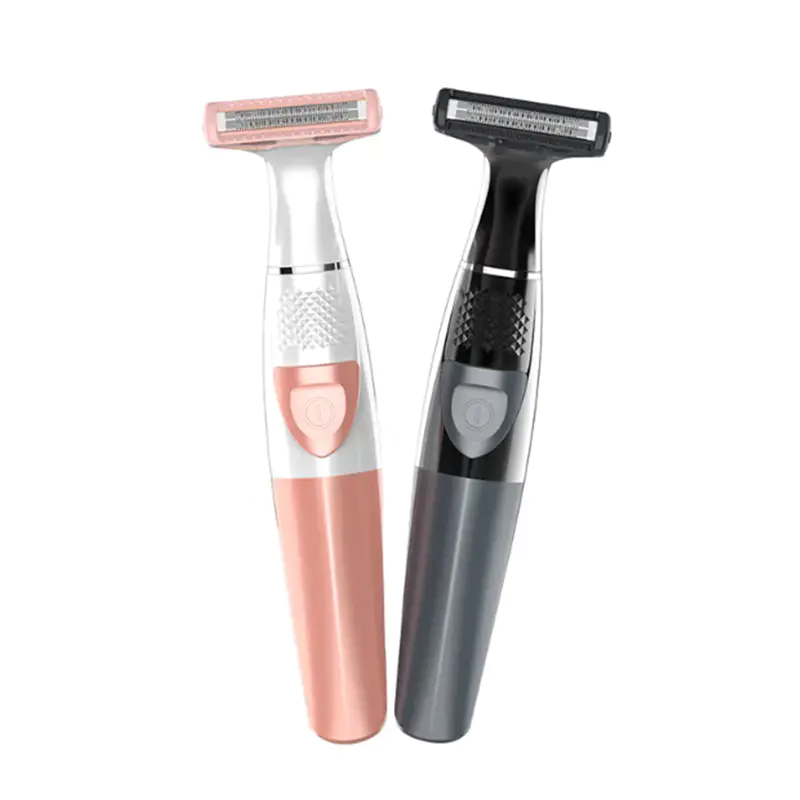
Yes — an electric razor can give a clean shave. A well-maintained foil or rotary head cuts visible hair down to roughly 0.1–0.3 mm above the skin line, which looks smooth in the mirror and feels smooth when you run a hand across it with the grain. What it rarely matches is the final fraction of a millimetre that a fresh steel blade removes against the grain.
For the rest of this article, "clean" means something specific: no visible hair above the skin surface and no missed patches along the jaw, chin, upper lip or neck. It does not mean the zero-resistance finish some wet-shaver users chase. Once you accept that definition, an electric razor meets it comfortably in most everyday cases — and wins on comfort, speed and consistency.
Content
- How close is close? The numbers behind the mirror test
- Foil or rotary: which design shaves closer?
- How electric shaving compares with other methods
- Six habits that add closeness without buying a new razor
- Where an electric razor beats a blade outright
- When an electric razor will leave visible stubble
- What to check when you buy or specify a shaver
- Three formats worth comparing side by side
- Frequently asked questions
How close is close? The numbers behind the mirror test
The gap between blade and electric is real, but small: a manual cartridge typically leaves 0.02–0.1 mm of hair, while an electric head leaves roughly 0.1–0.3 mm.
A tenth of a millimetre is invisible at conversational distance yet detectable by touch. Four variables decide where your shave lands inside that band:
- Hair thickness and density — fine, sparse hair disappears in one pass; dense, coarse growth needs a stronger motor and a second pass.
- Growth direction — hair lying flat against the skin is harder for a foil slot to catch than hair standing out from the surface.
- Blade condition — a worn cutter set adds 0.05–0.1 mm by riding over hair instead of shearing it.
- Head fit — articulated heads follow the jaw and Adam's apple; rigid heads leave ridges of stubble behind.
Foil or rotary: which design shaves closer?
Foil heads usually shave closer on straight, fine-to-medium hair; rotary heads follow contours better on curved areas and coarser growth. That one sentence explains most "my shaver doesn't cut clean" complaints.
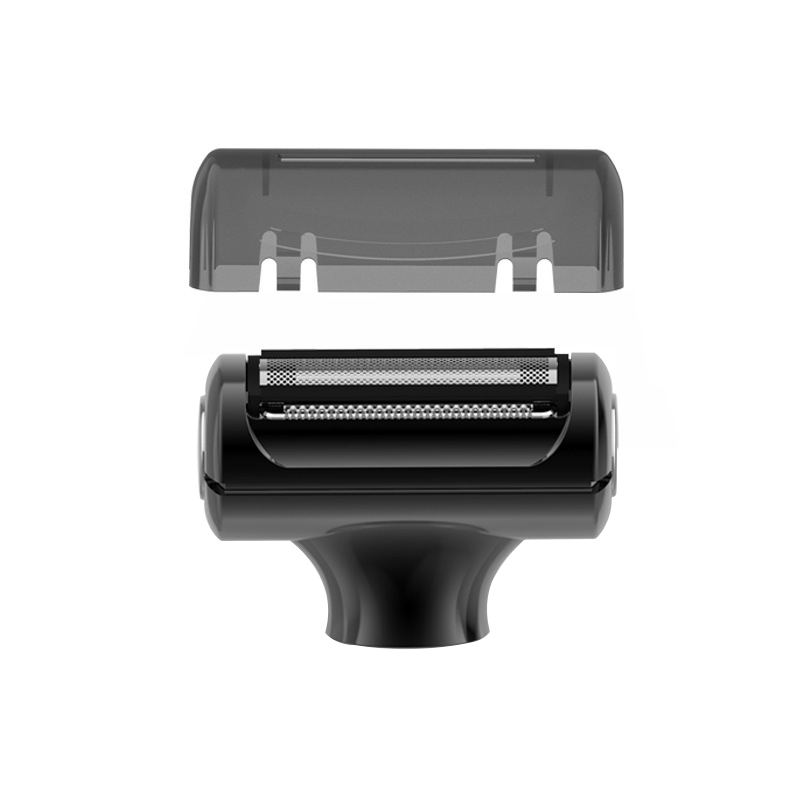
A foil shaver traps hair between a thin perforated sheet and an oscillating cutter, producing a flat, even cut. It is very effective on cheeks and the upper lip, less so on the slope beneath the jaw. Rotary heads use three circular cutters that approach hair from several angles, so they cope with a neck that grows in three directions without you re-gripping the handle every few seconds.
Blade geometry matters as much as head type. Wrapped and rounded-edge designs are engineered to keep the cutting edge slightly away from the skin, trading a fraction of closeness for a much lower risk of nicks — a trade-off worth understanding before you blame the motor.
How electric shaving compares with other methods
Across methods, the ranking is consistent: a safety razor cuts closest, a foil shaver sits in the middle, and a rotary shaver trades a little closeness for contouring and comfort.
| Method | Remaining hair | Session time | Irritation risk | Best suited to |
|---|---|---|---|---|
| Foil electric shaver | 0.10–0.20 mm | 2–4 minutes | Low | Straight, fine-to-medium facial hair |
| Rotary electric shaver | 0.15–0.30 mm | 3–5 minutes | Low to medium | Neck and jaw curves, coarser or multi-directional growth |
| Cartridge razor | 0.02–0.10 mm | 5–8 minutes | Medium | Closest routine result; needs gel or foam |
| Double-edge safety razor | 0.02–0.05 mm | 10–15 minutes | Medium to high | Maximum closeness with a steady hand |
| Epilator or wax | Below skin surface | 10–30 minutes | Medium to high | Weeks of regrowth, not daily maintenance |
Read the table as a planning tool, not a scoreboard. If your day starts at 06:40 and you need to be presentable by 07:00, the 0.05 mm you lose to a foil head is irrelevant; the two minutes you save is not.
Six habits that add closeness without buying a new razor
Technique recovers more closeness than most upgrades do. Most users who feel their shaver is underperforming are losing 0.05–0.1 mm to rhythm and pressure, not to hardware.
- Shave dry and warm. Hair stiffens slightly when dry, which helps a cutter shear it instead of pushing it aside.
- Take the cross pass. After the first pass, go across the growth direction on the jaw and neck — this catches flat-lying hair.
- Stretch the skin. A thumb behind the jawline lifts hair above the surface for the cutter.
- Slow down to 3–5 seconds per zone. Rushing turns a clean cut into a scrape.
- Use light pressure. Pressing flattens hair and dulls the cutter against the foil.
- Clean the head weekly and replace cutters every 12–18 months, or sooner if you shave daily with coarse hair.
Where an electric razor beats a blade outright
On comfort, speed and consistency, the electric razor wins — even when it finishes 0.1 mm behind on closeness.
- Far fewer nicks and cuts, which matters for anyone with a steady-hand problem or a morning deadline.
- No foam, gel or sink — usable at a desk, in a car park or on a long-haul flight.
- Better for sensitive or acne-prone skin, where a blade drags over bumps and removes the top layer of skin.
- Lower ingrown-hair risk for people with curly hair, because the cut stays at or slightly above the surface.
- Repeatable results: the same head, the same pressure, the same finish every morning.
When an electric razor will leave visible stubble
Most complaints trace to one of four causes, not to the technology itself.
- Multi-day growth. Beyond two or three days, hair is too long for a foil slot; trim first, then shave.
- Blunt cutters. A worn head can look clean in the mirror yet leave a sandpaper feel that no technique fixes.
- Wrong head for the growth pattern. A rigid foil on a whorled neck will always miss a patch.
- Skipping the second direction. One pass removes 80–90 percent of visible hair; the cross pass handles the rest.
What to check when you buy or specify a shaver
Blade condition and head fit outweigh price tier. Two shavers a price bracket apart often differ by less than 0.03 mm in real-world closeness.
- Cutter material and grind — steel grade and edge geometry determine how long closeness holds, not the marketing name.
- Motor speed and stability — a motor that sags under load stalls in dense hair and pushes instead of cutting.
- Water resistance — full washability affects hygiene and blade life more than it affects closeness.
- Head articulation — the number of axes matters on jawlines and under the chin.
- Runtime and charging — USB charging and battery backup suit travel; a spare-part line matters for long ownership.
- Replacement head availability — a shaver without an accessible spare head becomes disposable within two years.
Buyers comparing formats can start with the facial shaver range, where head size, waterproofing and power options sit side by side. For private-label or bulk programmes, ask for blade-life test data, drop-test results and the spare-head roadmap before committing to a mould.
Three formats worth comparing side by side
A full-body washable multifunctional model suits households that want one device for face, underarms and legs, and that will rinse the head under a tap after every use.
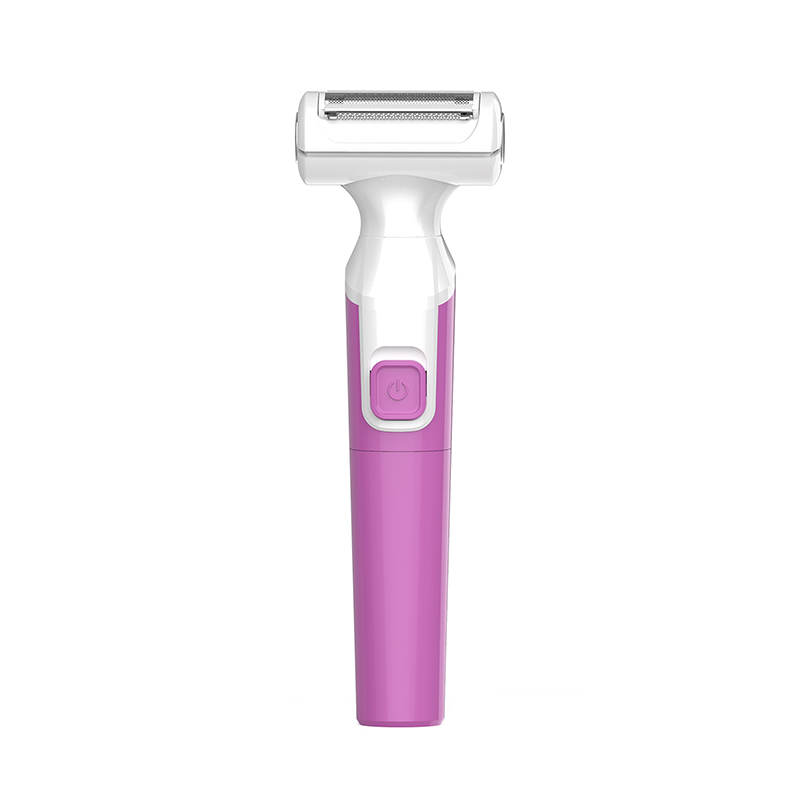 Full body washable multifunctional electric shaver (SF-2200)Noise Reduction ProcessingView Product →
A washable silent shaver makes more sense in shared flats, hotel rooms or early-morning routines where noise is the limiting factor rather than closeness.
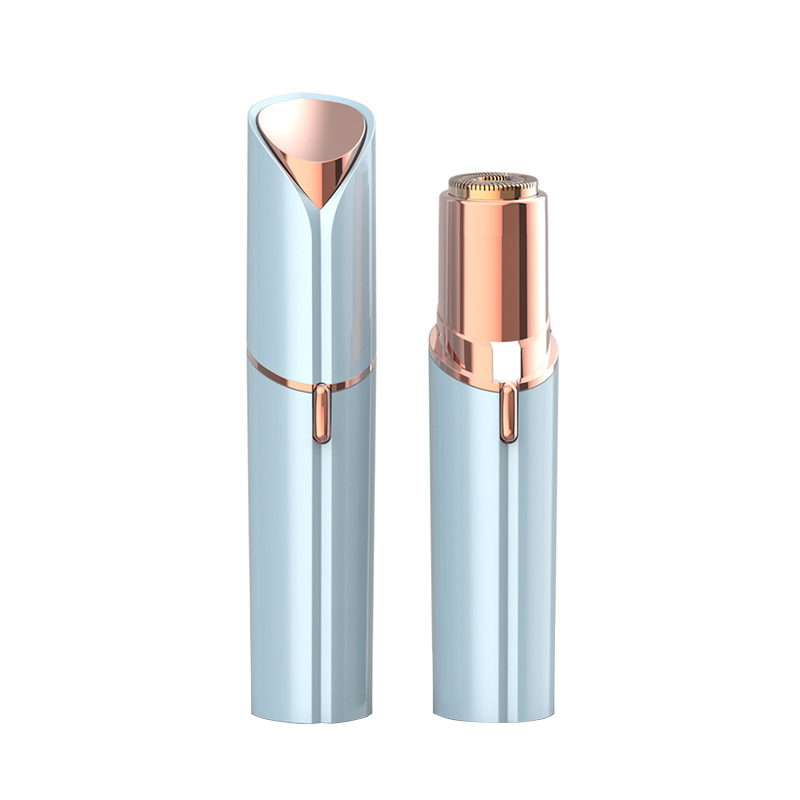 Washable silent electric shaver (SF-1106)Innovative Dual-cylinder Cutter HeadView Product →
For coarser or longer growth, a two-in-one remover pairing a trimming head with an epilation head handles what a foil cannot reach in a single pass.
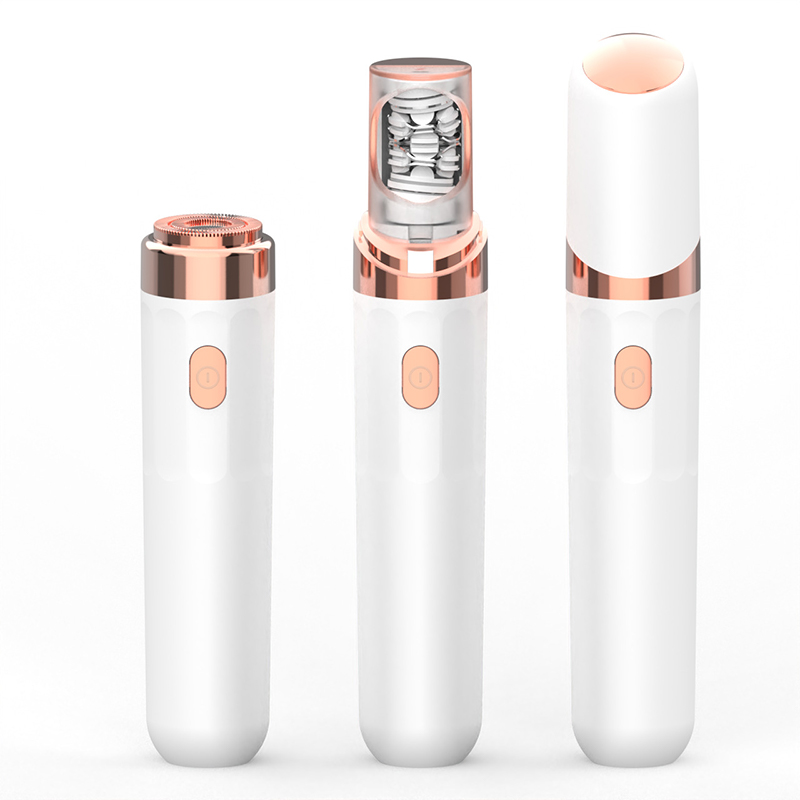 2 in 1 Hair Removal Device(SF-3306)1. One machine for multiple uses, easy hair removalView Product →
Frequently asked questions
Do electric razors give as close a shave as a manual razor?
No. Expect 0.1–0.3 mm of remaining hair against 0.02–0.1 mm for a cartridge. The difference is visible only in raking light or by touch, and it is usually a fair trade for skin comfort.
How long does a clean electric shave last?
Typically 8–16 hours of presentation-ready smoothness, with visible shadow returning between 12 and 24 hours depending on growth rate. A blade shave buys a few extra hours, not a few extra days.
Do wet-and-dry models shave closer?
Not inherently. Water resistance changes how you use the shaver, not how the cutter meets hair. Some users actually get a closer dry shave because dry hair is stiffer and easier to shear.
Why does my electric razor leave patches on my neck?
Neck hair usually grows in several directions, so a single pass cannot catch it all. Use short circular motions, stretch the skin, and finish with an across-the-grain pass before judging the result.
Is a more expensive shaver always closer?
Only up to a point. Above the entry tier, gains come from motor stability, head articulation and cutter durability. A well-maintained mid-range shaver will beat a neglected premium one every time.
Can an electric razor replace waxing or epilation?
It replaces the daily maintenance, not the weeks-long regrowth cycle. Shaving leaves a blunt edge at the surface; epilation removes hair from the root, so results last longer but cost more in discomfort.
Bottom line: an electric razor gives a clean shave by the definition that matters in daily life — no visible hair, no missed patches, no skin damage. It sits 0.1 mm behind a blade and several minutes ahead of one. Pick the head type that matches your growth pattern, keep the cutters sharp and clean, and use the cross pass; that combination delivers a finish most people cannot distinguish from a wet shave until they rub against the grain.