English
  日本語
日本語
 Español
 Deutsch



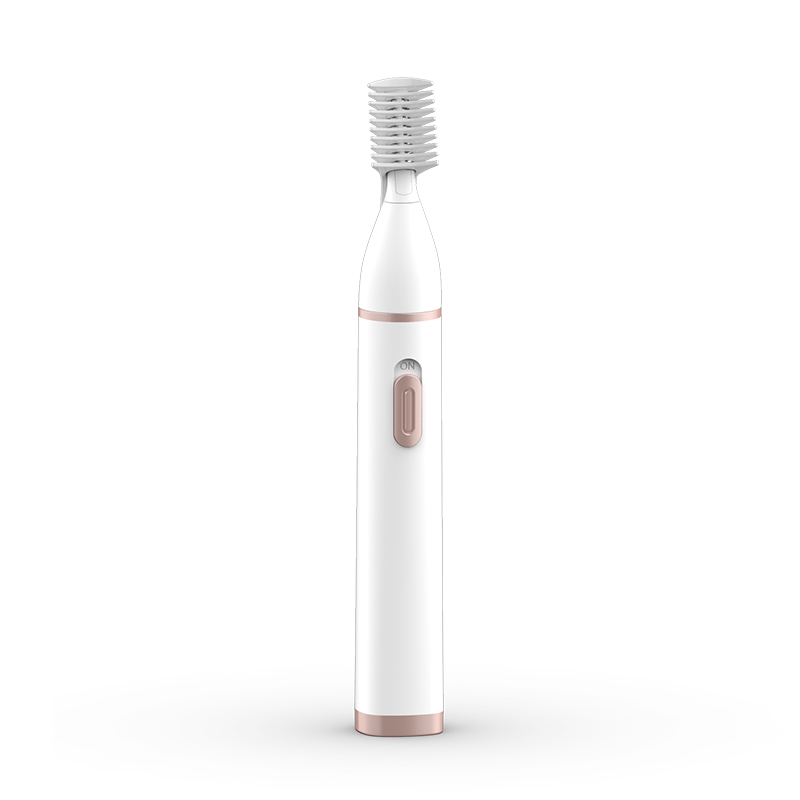
Most people should replace the foil or cutting head of an electric shaver every 12 to 18 months, and replace the entire electric shaver every 3 to 7 years, depending on shave frequency, hair coarseness, and maintenance habits. Daily shavers with coarse hair often need a new head closer to the 9 to 12 month mark, while occasional users with fine hair can sometimes stretch the same head past 24 months without a noticeable drop in performance.
This guide breaks down exactly how long every component of an electric shaver realistically lasts, what causes them to wear out faster or slower, and how to tell — with real physical signs, not guesswork — when it's time to swap parts versus buy a new unit entirely.
Content
- Quick Reference: Replacement Timeline by Component
- Why Electric Shaver Blades and Foils Wear Out
- Factors That Change Your Personal Replacement Schedule
- Signs Your Electric Shaver Head Needs Replacing
- When to Replace the Whole Shaver Instead of Just the Head
- How to Extend the Life of Your Electric Shaver
- Common Mistakes That Shorten Shaver Lifespan
- Frequently Asked Questions
- How do I know if it's the blades or the whole shaver that's failing?
- Can I just replace the foil without replacing the inner blades?
- Do sharpening kits actually restore dull shaver blades?
- Is it normal for replacement parts to wear out faster than the original ones?
- How can I responsibly dispose of an old shaver head or unit?
- Bottom Line
Quick Reference: Replacement Timeline by Component
An electric shaver is made up of several parts that wear out at very different rates. Treating the whole device as a single unit with one replacement date is one of the most common mistakes people make.
| Component | Typical Replacement Interval | Main Wear Cause |
| Foil (foil shavers) | 12 – 18 months | Friction from blade oscillation |
| Inner cutting blades | 12 – 24 months | Metal fatigue and dulling |
| Rotary cutting heads | 18 – 24 months | Rotational wear, slower than foils |
| Rechargeable battery | 3 – 5 years | Charge cycle degradation |
| Entire shaver unit | 3 – 7 years | Motor wear, housing damage, battery failure |
Why Electric Shaver Blades and Foils Wear Out
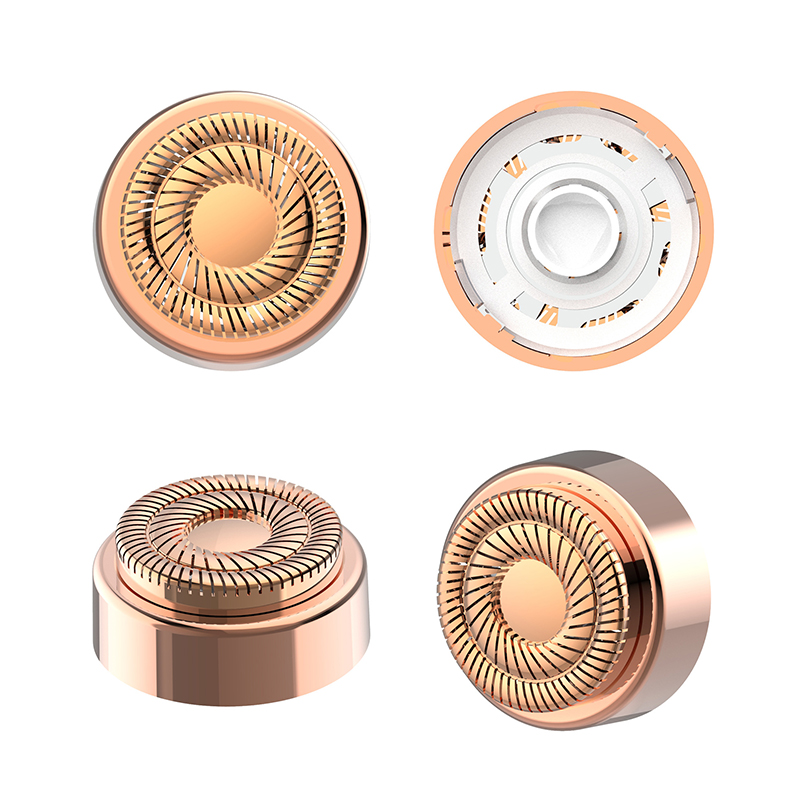
Blades and foils wear out because the metal is under constant, high-speed friction every time the shaver is used. In a foil shaver, the internal cutter oscillates back and forth thousands of times per minute against the inside of a paper-thin metal screen, and one industry estimate puts the workload at roughly six million hair-cutting contacts across an 18-month period of regular use. That volume of repeated contact gradually thins the foil and dulls the blade edge, which is why performance decline is gradual rather than sudden — most people don't notice it until the difference becomes obvious day to day.
Foil Shavers vs. Rotary Shavers: Different Wear Patterns
Rotary shavers generally last longer between head replacements than foil shavers because their spinning circular blades glide more smoothly within the housing instead of scraping against a thin metal screen at high frequency. This mechanical difference is the main reason rotary shaver heads are commonly rated for 18 to 24 months of use, while foil shaver heads are more often rated for 12 to 18 months.
| Factor | Foil Shaver | Rotary Shaver |
| Cutting motion | Linear oscillation | Circular rotation |
| Typical head lifespan | 12 – 18 months | 18 – 24 months |
| Best hair type | Fine to medium hair | Coarse, curly hair |
| Shave closeness | Closer, more precise | Slightly less close, gentler |
| Skin sensitivity fit | Moderate | Better for sensitive skin |
Factors That Change Your Personal Replacement Schedule
The 12-to-18-month guideline is only a starting point, since your actual replacement schedule depends heavily on personal shaving habits. The following factors shift the timeline meaningfully in either direction.
- Shaving frequency — daily shavers wear down blades and foils significantly faster than someone shaving two or three times a week.
- Hair coarseness — thick, wiry, or curly hair forces the blades to work harder on every pass, accelerating dulling.
- Wet versus dry shaving — shaving technique and skin contact pressure both influence how quickly the cutting edge degrades.
- Cleaning habits — leaving hair clippings and skin debris trapped in the head accelerates corrosion and friction damage.
- Storage conditions — damp, humid storage promotes rust and metal fatigue far faster than dry, ventilated storage.
- Part quality — genuine manufacturer replacement parts are engineered to tighter tolerances than generic third-party alternatives, which can wear out after only a few weeks of use in some reported cases.
A useful real-world illustration: an older user shaving every other day reported that his original cutting cassette lasted a full two years, while a later replacement using an incorrectly matched generic part lasted only four months before performance dropped noticeably — even though shaving frequency and technique had not changed at all. This kind of case highlights that part compatibility and quality can matter just as much as usage frequency when it comes to real-world lifespan.
Signs Your Electric Shaver Head Needs Replacing
The most reliable way to know it's time for a replacement is to judge performance directly rather than relying purely on a calendar date. Watch for the following warning signs.
- Pulling or tugging sensation during the shave instead of a smooth glide.
- Needing multiple passes over the same area to achieve the same closeness you used to get in one pass.
- Increased skin irritation, redness, or razor burn after shaves that used to be comfortable.
- Visible pinholes, dents, or thinning on the foil surface when held up to light.
- Discoloration or rust on the blade's cutting edge.
- Uneven or patchy results, with some hairs missed entirely on each pass.
When to Replace the Whole Shaver Instead of Just the Head
Replacing the entire shaver — rather than just the cutting head — makes sense once problems move beyond the blades into the motor, battery, or housing. A shaver's battery typically lasts 3 to 5 years with proper charging habits, and once runtime drops sharply below what it originally delivered on a full charge, a new head will not fix the underlying issue. Similarly, cracked housings, failed waterproof seals, unusual grinding noises, or a burnt electrical smell all point to a hardware failure that head replacement cannot solve.
Repair vs. Replace: A Cost Perspective
In most cases, replacing just the cutting head is the more economical choice for a mid-range or high-end shaver, since a new head typically costs a fraction of a full replacement unit. However, if the shaver itself was already an inexpensive model and has already lasted 18 to 24 months, the cost difference between a new head and an entirely new unit often becomes small enough that buying new is the more sensible option.
| Situation | Recommended Action | Reasoning |
| Mid-to-high-end shaver, dull blades only | Replace head | Motor and battery still functional |
| Budget shaver, already 18-24 months old | Replace whole unit | Cost gap between parts and new unit is small |
| Weak battery, sharp blades | Replace whole unit | Battery cannot be practically replaced on most models |
| Cracked housing or failed seal | Replace whole unit | Structural damage affects safety and water resistance |
How to Extend the Life of Your Electric Shaver
Good maintenance habits can meaningfully push back the replacement date without sacrificing shave quality. The following practices are the most effective and require only a couple of minutes per week.
- Clean the head after every use to remove trapped hair and skin debris before it hardens against the blades.
- Lubricate the blades weekly with a manufacturer-approved, silicone-based lubricant to reduce friction between the moving parts.
- Dry the shaver completely before storing it, since residual moisture is a leading cause of corrosion in foils and blades.
- Store the shaver in a cool, dry, ventilated space, ideally between 60°F and 75°F, away from bathroom humidity.
- Avoid overcharging or fully draining the battery repeatedly, since both extremes accelerate battery degradation.
- Use manufacturer-approved replacement parts rather than unverified third-party alternatives to ensure proper fit and consistent wear patterns.
Common Mistakes That Shorten Shaver Lifespan
Beyond simply forgetting to replace parts on schedule, several everyday habits quietly shorten an electric shaver's usable life.
- Pressing the shaver too hard against the skin, which increases friction and accelerates blade wear rather than improving closeness.
- Going over the same patch of skin repeatedly instead of adjusting shaving angle, which wears down one section of the blade faster than the rest.
- Ignoring early performance decline and continuing to use a dulling head for months past the point of noticeable irritation.
- Skipping regular cleaning cycles, allowing debris buildup to compound friction damage over time.
- Storing the shaver in a damp bathroom cabinet rather than a dry drawer or case.
Frequently Asked Questions
How do I know if it's the blades or the whole shaver that's failing?
If shave quality declines but the motor still sounds strong and the battery holds a normal charge, the blades or foil are almost always the cause. If runtime, motor sound, or housing integrity are also affected, the issue points to the shaver unit itself rather than just the cutting parts.
Can I just replace the foil without replacing the inner blades?
This depends on the shaver's design. Some models allow foil and blades to be purchased and replaced separately, while others combine them into a single cassette that must be replaced as one unit.
Do sharpening kits actually restore dull shaver blades?
Sharpening kits can offer a marginal, temporary improvement in some cases, but they cannot fully restore the precise, factory-matched fit between a foil and its blade, which is what truly determines cutting performance and comfort.
Is it normal for replacement parts to wear out faster than the original ones?
It shouldn't be, and a noticeably shorter lifespan from a new replacement part compared to the original is often a sign of an incompatible part number or lower manufacturing quality rather than normal wear.
How can I responsibly dispose of an old shaver head or unit?
Electric shaver components are largely metal and should not go into standard household trash. Check whether your local recycling center accepts small mixed metals, or look for a manufacturer mail-in recycling program designed for grooming electronics.
Bottom Line
Treat the 12-to-18-month window as a general baseline for replacing your electric shaver's foil or cutting head, but let actual shave performance — not just the calendar — guide your final decision. Daily shavers with coarse hair should lean toward the shorter end of that window, while occasional users with fine hair can often stretch it comfortably past 18 months. Reserve full shaver replacement for when the battery, motor, or housing shows signs of failure, since at that point no amount of blade or foil replacement will restore the shave quality you're looking for.