English
  日本語
日本語
 Español
 Deutsch



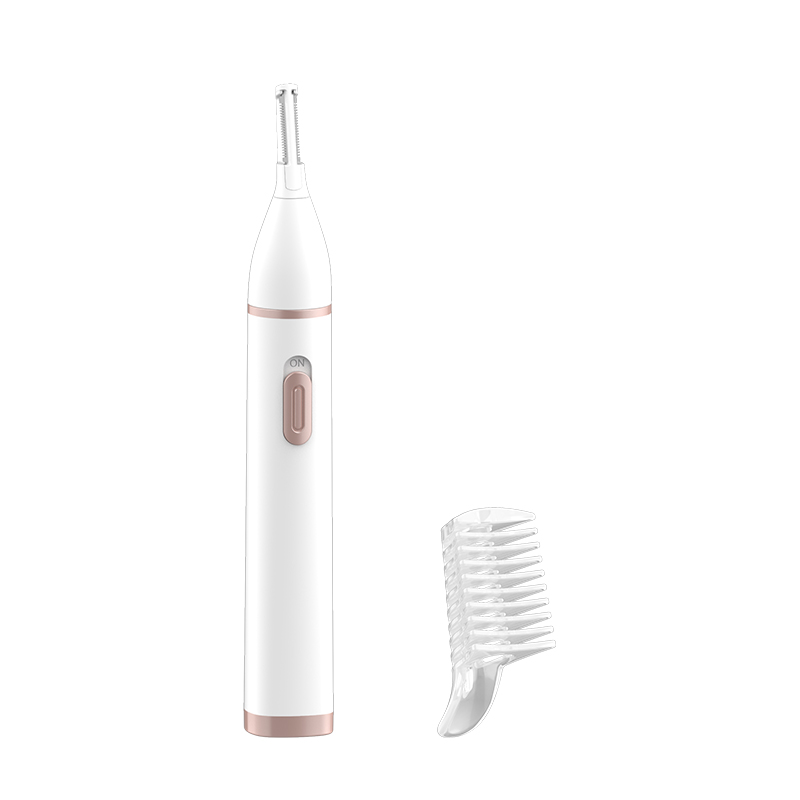
A Washable Electric Shaver offers the convenience of a smooth, efficient shave while allowing easy cleaning under running water. However, like any electronic grooming device, it can encounter issues over time. Understanding common problems and how to troubleshoot them ensures your shaver remains reliable and extends its lifespan.
Content
Common Problems with Washable Electric Shavers
1. Shaver Won’t Turn On
One of the most common issues is when the Washable Electric Shaver fails to power on. Potential causes include:
- Battery Issues: Rechargeable batteries can degrade over time, reducing their ability to hold a charge.
- Power Supply Problems: Loose connections or a faulty charger can prevent the shaver from receiving power.
- Internal Faults: Damaged circuits or motors can stop the device from functioning properly.
Troubleshooting Tips: First, ensure the shaver is fully charged. Try using a different charging cable if available. If the device still won’t turn on, check the manufacturer’s instructions for a reset function or consider professional repair.
2. Reduced Shaving Performance
If the shaver is running but not cutting efficiently, it may be due to:
- Dull Blades: Regular use dulls the blades, leading to incomplete hair removal.
- Clogged Foil or Cutter: Hair, skin debris, or shaving gel residue can obstruct the shaving mechanism.
- Motor Wear: Over time, the motor may lose efficiency, reducing cutting power.
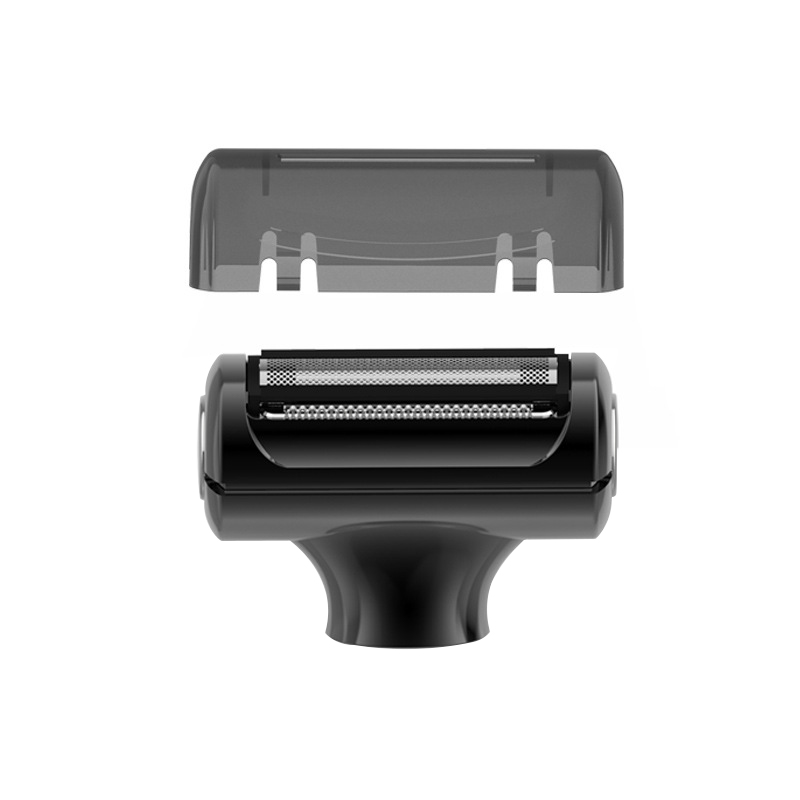
Troubleshooting Tips: Clean the shaver thoroughly under running water or using a brush provided. Replace blades or foils according to the manufacturer’s schedule. Lubricating the blades can also improve performance.
3. Unusual Noise or Vibration
A Washable Electric Shaver may sometimes produce loud or unusual sounds, indicating potential problems:
- Loose Parts: Screws, foils, or cutters may loosen over time.
- Hair or Debris Trapped: Tiny hair particles lodged inside can disrupt smooth operation.
- Motor Issues: A worn-out motor can produce irregular vibration patterns.
Troubleshooting Tips: Disassemble the shaving head carefully, clean all components, and ensure they are securely reassembled. If noise persists, professional servicing may be required.
4. Shaver Overheating
Overheating is less common but can occur if:
- The shaver is used continuously for an extended period.
- Internal lubrication is insufficient.
- Debris obstructs moving parts, causing friction.
Troubleshooting Tips: Allow the shaver to cool between uses. Clean and lubricate the blades regularly. Avoid using the shaver on very thick or wet hair for prolonged periods without breaks.
Comparing Washable vs. Non-Washable Electric Shavers
Understanding the difference between washable and non-washable shavers helps in troubleshooting and maintenance:
| Feature | Washable Electric Shaver | Non-Washable Electric Shaver |
|---|---|---|
| Cleaning | Can be rinsed under running water for easy maintenance | Requires dry brushing or compressed air cleaning |
| Maintenance Time | Shorter due to simple rinsing | Longer due to manual debris removal |
| Durability | Waterproofing protects electronics, but seals may degrade | No water protection; generally less flexible for wet use |
| Performance | Consistent if cleaned regularly | May decrease faster if debris accumulates |
For users who prioritize hygiene and easy maintenance, a Washable Electric Shaver is superior. Regular cleaning under water prevents debris buildup, improving both performance and longevity.
Tips for Maintaining a Washable Electric Shaver
- Regular Cleaning: Rinse the shaving head after each use to remove hair and residue.
- Blade Replacement: Replace foils and cutters every 12–18 months depending on usage.
- Proper Charging: Avoid overcharging or letting the battery completely drain.
- Lubrication: Apply a drop of blade oil periodically to reduce friction and wear.
- Storage: Keep the shaver in a dry place, away from extreme temperatures.
FAQ About Washable Electric Shavers
Q1: Can I use a washable shaver with shaving cream or gel?
Yes, most washable electric shavers are designed for wet or dry use. Always check the manufacturer’s instructions for compatibility with gels or foams.
Q2: How do I know when to replace the blades?
Dull blades reduce shaving efficiency and may cause skin irritation. Replace foils and cutters according to the maintenance schedule, typically every 12–18 months.
Q3: Is it safe to rinse the shaver under water while charging?
No, always unplug the device before rinsing. Charging while wet can cause electric shock or damage the shaver.
Q4: Why does my shaver pull hair instead of cutting it?
This usually indicates dull blades or a clogged shaving head. Clean the shaver thoroughly and replace blades if necessary.
Q5: How can I extend the battery life of my shaver?
Charge it fully before first use, avoid frequent deep discharges, and store it in a cool, dry environment.
A Washable Electric Shaver combines convenience with high performance, but it requires proper care and troubleshooting knowledge to remain effective. Identifying common issues such as power failure, reduced performance, unusual noise, or overheating helps users take timely action. Regular cleaning, blade replacement, and careful use extend the lifespan and maintain the shaver’s efficiency. Compared to non-washable shavers, washable models offer superior hygiene and ease of maintenance, making them an excellent choice for modern grooming routines.