

 English
  日本語
日本語
 Español
 Deutsch



News Category:
Key Words:
-
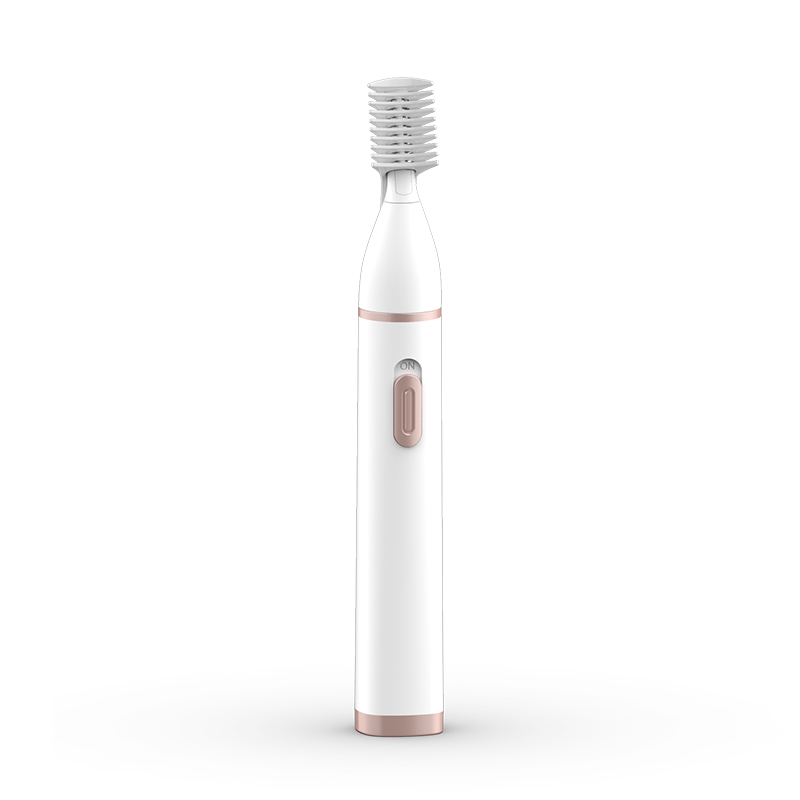 Sep 26,2025
Are Personal Care Appliances Safe for Sensitive Skin?
Personal care appliances have become integral to daily grooming and skincare routines, offering convenience and efficiency. However, for individuals with sensitive skin, concerns about safety, irritation, and adverse reactions are paramount. Understanding Personal Care Appliances and Sensitive SkinSensitive skin is characterized by heightened reactivity to external factors, often resulting in redness, itching, or inflammation. Personal care appliances include devices such as facial cleansing brushes, hair removal tools, electric shavers, and light-based therapy devices. These appliances operate through mechanical, thermal, or energy-based mechanisms, which can vary in their impact on sensitive skin. Safety depends on factors like device design, usage frequency, and individual skin tolerance. Types of Personal Care AppliancesPersonal care appliances can be categorized based on their primary function: Cleansing Devices: Electric facial brushes or silicone-based cleaners use oscillating or sonic motions to remove impurities. For sensitive skin, models with soft bristles or gentle modes may reduce friction. Hair Removal Tools: These include epilators, which pluck hair mechanically, and intense pulsed light (IPL) devices, which use light energy to inhibit hair growth. Epilators can cause temporary redness, while IPL requires caution due to potential thermal effects. Shaving Appliances: Electric razors with foil or rotary blades aim to minimize direct contact with skin. Those equipped with hypoallergenic coatings or adjustable settings may suit sensitive skin. Treatment Devices: Tools for anti-aging or acne, such as microcurrent or LED therapy devices, typically involve low-energy exposure. However, sensitivity to light or electrical currents should be considered. Each type varies in its potential to cause irritation, emphasizing the need for personalized selection. Applications and Safe Usage PracticesTo mitigate risks for sensitive skin, users should adhere to guidelines: Pre-Use Testing: Conduct a patch test on a small skin area before full application. Hygiene Maintenance: Regularly clean appliance heads to prevent bacterial buildup, which can exacerbate sensitivity. Moisturization and Preparation: Apply gentle, fragrance-free moisturizers or pre-treatment products to create a protective barrier. Frequency and Duration: Limit usage to manufacturer recommendations; overuse can compromise skin barrier function. Settings Adjustment: Opt for lower intensity or speed settings where available. Clinical studies suggest that proper technique, such as avoiding excessive pressure, can reduce adverse effects. Consulting a dermatologist is advised when integrating new appliances into a routine. Comparative Analysis of Safety ProfilesNot all personal care appliances pose equal risks for sensitive skin. Key comparisons include: Mechanical vs. Energy-Based Devices: Mechanical appliances (e.g., cleansing brushes) rely on physical contact, which may cause micro-abrasions if used aggressively. Energy-based devices (e.g., IPL) involve heat or light, potentially triggering inflammation in reactive skin. Contact Time and Intensity: Devices with shorter contact times (e.g., electric shavers) generally present lower irritation risks than those requiring prolonged use (e.g., epilators). Material Composition: Appliances with non-comedogenic, silicone, or ceramic components are less likely to harbor irritants compared to those with rough plastics or metals. Evidence indicates that appliances featuring customizable settings and safety certifications (e.g., FDA clearance) may offer enhanced reliability for sensitive skin. Frequently Asked Questions (FAQ)Q1: Can personal care appliances cause permanent damage to sensitive skin?A: When used incorrectly, temporary irritation is possible, but permanent damage is rare. Factors like pre-existing conditions or improper settings increase risks. Follow instructions and discontinue use if adverse reactions persist. Q2: How do I choose a safe appliance for sensitive skin?A: Prioritize devices with gentle modes, adjustable features, and materials designed for sensitivity. Review clinical data or consumer reports focusing on skin tolerance. Q3: Are there specific ingredients or features to avoid?A: Avoid appliances with harsh abrasives, high-heat settings, or non-hypoallergenic materials. Look for terms like "dermatologist-tested" or "sensitive skin-friendly" in product descriptions. Q4: How often should I use these appliances on sensitive skin?A: Start with infrequent use (e.g., once weekly) and gradually increase only if no irritation occurs. Overuse can lead to cumulative stress on the skin. Q5: Do personal care appliances require special maintenance for sensitive skin?A: Yes, regular cleaning with mild solutions prevents residue accumulation. Replace attachments as recommended to maintain hygiene. Personal care appliances can be safe for sensitive skin when selected and used judiciously. Key considerations include device type, application methods, and individual skin responses. By emphasizing evidence-based practices and precautionary measures, users can leverage the benefits of these appliances while minimizing risks. Ongoing research and professional guidance remain essential for adapting to evolving skincare needs.
VIEW FULL ARTICLE -
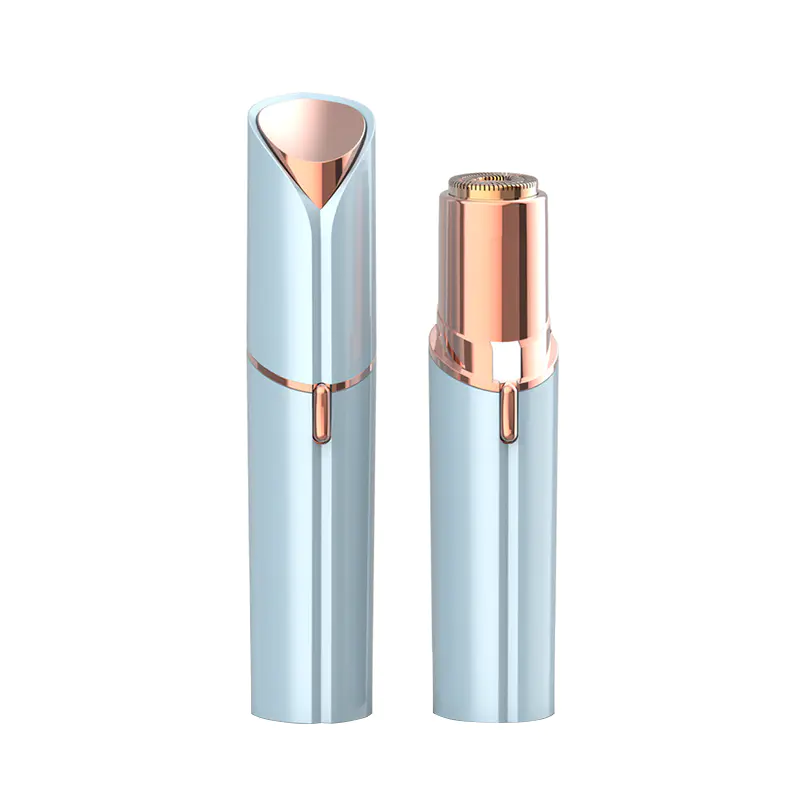 Sep 19,2025
What Are the Must-Have Personal Care Appliances for Daily Routine?
In the realm of personal grooming and wellness, the integration of technology has become increasingly prevalent. Personal care appliances are designed to enhance daily routines, offering efficiency, consistency, and often, improved results compared to manual methods. Types and Applications of Personal Care Appliances Personal care appliances can be broadly categorized based on their primary function. Understanding these categories helps in identifying which devices align with individual grooming needs. 1. Hair Care AppliancesThis category includes devices designed for drying, styling, and maintaining hair health. Hair Dryers: Modern hair dryers often utilize technologies like ionic or ceramic heating. Ionic dryers emit negative ions to break down water molecules faster, reducing drying time and minimizing heat damage, which can help in decreasing frizz. Ceramic dryers provide a more even and controlled heat distribution, which is also gentler on hair. Styling Tools: This sub-category encompasses flat irons, curling wands, and hot air brushes. Key features to consider are adjustable heat settings, which allow for customization based on hair type and fragility, and tourmaline or titanium plates that can smooth hair effectively. 2. Oral Care AppliancesElectric toothbrushes and oral irrigators represent a significant advancement in home dental care. Electric Toothbrushes: These devices operate primarily through oscillating-rotating or sonic technology. Oscillating-rotating brushes feature a round head that spins to dislodge plaque. Sonic brushes use high-frequency vibrations to clean a wider area. Studies have indicated that consistent use of electric toothbrushes can lead to a reduction in plaque and gingivitis compared to manual brushing. Water Flossers (Oral Irrigators): These devices use a pulsating stream of water to remove food particles and plaque from between teeth and below the gumline. They are often recommended as an adjunct to brushing and flossing, particularly for individuals with braces, bridges, or implants. 3. Skincare and Grooming AppliancesThis diverse category includes tools for cleansing, hair removal, and skin treatment. Facial Cleansing Brushes: These devices use sonic oscillations to deep clean the skin, potentially removing more dirt, oil, and makeup than manual cleansing. They typically feature brush heads with different bristle textures for various skin types. Electric Shavers and Trimmers: Available in foil and rotary types for men and women, these appliances offer a convenient and quick method for hair removal. Modern versions are designed for wet or dry use and are equipped with features like self-sharpening blades and pivoting heads to contour to the body. LED Light Therapy Devices: These handheld appliances emit specific wavelengths of light (e.g., red for anti-aging, blue for acne) and are intended for at-home use to address specific skin concerns. 4. Body Care and Wellness AppliancesThis includes appliances focused on broader wellness and body maintenance. Massage Guns: Known as percussion therapy devices, they deliver rapid, concentrated pulses of pressure into muscle tissue. This is intended to aid in muscle recovery, reduce soreness, and increase blood flow following physical activity. Electronic Body Scales: Beyond measuring weight, advanced models use Bioelectrical Impedance Analysis (BIA) to provide metrics like body fat percentage, muscle mass, and water percentage, aiding in tracking overall health progress. Comparison and Key Considerations When evaluating personal care appliances, several technical and practical factors should be compared: Technology: The core technology (e.g., ionic vs. ceramic, oscillating vs. sonic) defines the device's primary action and potential benefits. Performance Metrics: For hair tools, heat settings and heat-up time are crucial. For oral care, brushing oscillations per minute (OPM) or water pressure settings (PSI) for irrigators are key indicators of performance. Features and Customization: Look for variable speed or intensity settings, timers, and interchangeable attachments (e.g., different comb heads, brush heads, or massage heads) that enhance versatility. Ergonomics and Maintenance: A comfortable grip and cordless design improve usability. Consider the ease of cleaning the device and the availability and cost of replacement parts (e.g., brush heads, filters). Frequently Asked Questions (FAQ) Q: Are personal care appliances necessary, or are manual methods sufficient?A: While manual methods are sufficient for basic grooming, personal care appliances are engineered to provide a higher level of efficiency, consistency, and often, proven efficacy in areas like plaque removal or hair drying with reduced damage. They are considered enhancements to a routine rather than strict necessities. Q: How do I maintain my personal care appliances to ensure longevity?A: General maintenance includes regular cleaning according to the manufacturer’s instructions, proper storage to avoid damage to cords and components, and timely replacement of consumable parts like brush heads or filters. Avoiding water exposure for non-waterproof devices is also critical. Q: Can these appliances be used by all individuals?A: Suitability can depend on specific conditions. For example, individuals with certain skin sensitivities, dental conditions, or fine hair types should consult with a relevant professional (dermatologist, dentist) before using devices like high-frequency facial tools, high-pressure water flossers, or high-heat styling tools. Always review the manufacturer's guidelines for intended use. Q: What safety features are common in these appliances?A: Many modern appliances include automatic shut-off timers, overheat protection, thermal guards, and waterproof ratings (e.g., IPX7 for oral care appliances) to ensure user safety during operation. In conclusion, the selection of personal care appliances should be guided by an individual’s specific routine requirements, desired outcomes, and an objective evaluation of the product’s features and technological basis. These devices represent a convergence of personal grooming and applied technology, offering tools to potentially elevate one’s daily regimen.
VIEW FULL ARTICLE -
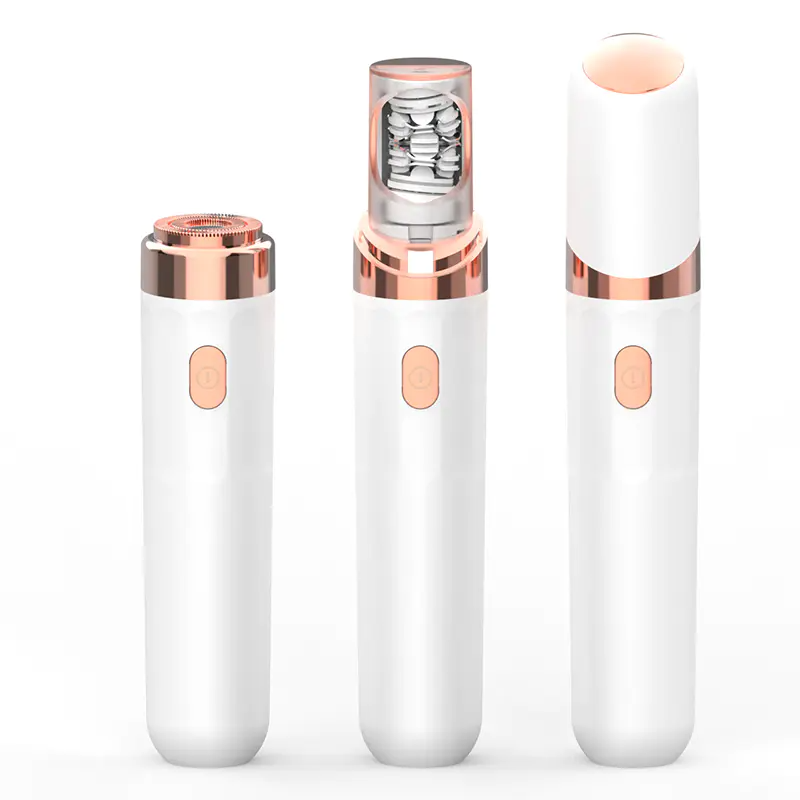 Sep 12,2025
What is an Electric Facial Hair Remover?
Electric Facial Hair Removers are handheld electronic devices designed specifically for the removal of unwanted facial hair. Unlike traditional methods such as threading, waxing, or manual razors, these devices use precise mechanical or advanced technology to target hair at the skin's surface. They are engineered to offer a convenient, reusable, and often less irritating solution for managing facial hair. How Does an Electric Facial Hair Remover Work? The core mechanism of an Electric Facial Hair Remover typically involves a motorized system that drives specialized components to remove hair. There are two primary technologies employed: Spring/Micro-Spring Technology: This is one of the most common mechanisms. The device features a head with closely coiled, high-tensile springs that rotate at high speed. As the device is moved across the skin, these micro-springs open and close rapidly, catching and removing fine hairs by lifting them from the follicle and cutting them with a gentle pulling motion. This action is designed to be precise enough to avoid significant contact with the skin's surface. Micro-Openings and Blades: Some devices utilize a head with tiny openings behind which small, protected blades oscillate or rotate. Hairs enter these openings and are precisely trimmed by the blades at the skin's level. This functions similarly to a miniature, ultra-gentle electric shaver but is specifically calibrated for the finer, more sensitive hair on the face. These methods are intended to remove hair quickly and with minimal discomfort, often described as a slight tingling sensation. Key Features and Considerations When evaluating an Electric Facial Hair Remover, several technical aspects should be examined: Precision and Effectiveness: The design focuses on targeting very short and fine hairs that other methods might miss. The effectiveness is measured by the smoothness of the result and the duration before hair regrowth becomes noticeable. Suitability for Sensitive Skin: Many models are marketed as being gentle on sensitive skin. Features that contribute to this include hypoallergenic materials (often gold or platinum-plated heads), rounded tips on springs or blades to prevent scratching, and operation that minimizes direct friction on the epidermis. Portability and Power Source: These devices are generally compact and cordless, powered by rechargeable batteries or standard AAA batteries, enhancing their portability for travel and use. Hygiene and Maintenance: Most devices are designed for easy cleaning. Removable heads can be rinsed under water, and built-in protective cases help maintain hygiene between uses. Guidelines for Use To achieve optimal results and maintain skin safety, a proper technique is recommended: Preparation: Ensure the skin is completely clean, dry, and free of any oils, creams, or makeup. Any moisture or product residue can reduce the device's effectiveness. Technique: Hold the skin taut with one hand. With the other, hold the device at a 90-degree angle to the skin. Move the device gently against the direction of hair growth in short, slow strokes. Avoid applying excessive pressure; let the device do the work. Aftercare: Following use, it is advisable to apply a gentle, alcohol-free moisturizer or soothing product, such as aloe vera, to calm the skin. Potential Limitations While beneficial for many, an Electric Facial Hair Remover may not be suitable for all individuals or hair types. It is generally not recommended for use on active acne, sunburned skin, or areas with severe inflammation. The sensation, while tolerable for most, can be uncomfortable for some users. Results and regrowth rates vary significantly based on individual hair growth cycles. The Electric Facial Hair Remover represents a category of personal care devices that provide a targeted approach to facial hair management. By leveraging specific mechanical actions, it offers an alternative to traditional methods, prioritizing convenience and precision. As with any skincare tool, its efficacy is dependent on correct usage and individual skin and hair characteristics. Understanding its function and proper application is key to determining if it is an appropriate solution for one's personal grooming routine.
VIEW FULL ARTICLE -
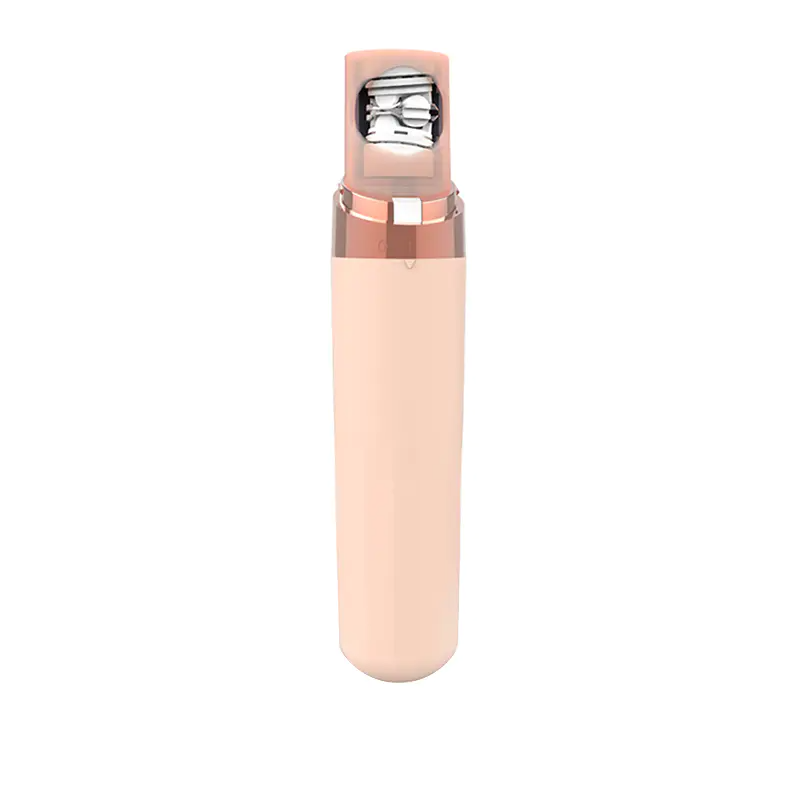 Sep 05,2025
How to Use an Electric Facial Hair Remover Correctly to Minimize Pain?
Electric Facial Hair Removers have become a popular tool for at-home hair removal, offering a convenient alternative to traditional methods like waxing or manual razors. However, improper use can lead to discomfort, skin irritation, or suboptimal results. 1. Pre-Use Preparation Proper preparation is critical for a comfortable experience. Begin by cleansing the skin thoroughly to remove makeup, oils, and impurities. This allows the device to make direct contact with hairs without obstruction. Exfoliating the area 24 hours prior can help prevent ingrown hairs, but avoid exfoliating immediately before using the remover to prevent sensitivity. Ensure the skin is completely dry before use. Most electric facial hair removers are designed for dry operation. Any moisture can reduce efficiency and increase friction, potentially leading to tugging or discomfort. 2. Device Selection and Readiness Not all devices are suited for all skin types. Select an Electric Facial Hair Remover designed specifically for facial use, as these are typically gentler and feature finer mechanisms than body hair removers. Before use, inspect the device. Check that the cutting or tweezing heads are clean, free of debris, and in good condition. Many modern devices come with different attachment heads for sensitive areas or different hair types; choose the appropriate one as per the manufacturer’s instructions. 3. Technique is Key The correct technique significantly reduces sensation and improves efficacy. Tension: Use your free hand to stretch the skin taut. This provides a flatter surface for the device to glide over and allows hairs to be lifted more easily. Angle and Motion: Hold the device at a 90-degree angle to the skin, as recommended for most models. Move the tool in slow, deliberate motions against the direction of hair growth. Avoid pressing down hard; let the device do the work. Excessive pressure is a primary cause of pain and can irritate the skin. Direction: Work in small, systematic sections rather than repeatedly going over the same area. 4. Post-Use Care Soothing the skin after treatment is essential for minimizing redness and irritation. Cleanse Again: Gently cleanse the skin to remove any residual bacteria. Soothe: Apply a fragrance-free, alcohol-free moisturizer or a calming product containing ingredients like aloe vera or centella asiatica. This helps to hydrate the skin and restore the barrier function. Protect: For the next 24-48 hours, avoid using active ingredients like retinoids, alpha hydroxy acids (AHAs), or beta hydroxy acids (BHAs). Also, protect the treated area from sun exposure by applying a broad-spectrum sunscreen, as the skin may be temporarily more sensitive. 5. Maintenance and Hygiene Maintaining your device is crucial for its performance and hygiene. After each use, clean the head of the Electric Facial Hair Remover with the provided brush to remove hair and skin particles. Follow the manufacturer’s guidelines for deeper cleaning. Regularly replacing the head as advised ensures the mechanism remains efficient, which can prevent the pulling that causes pain. By following these structured steps—preparing the skin, using the correct technique, and providing appropriate aftercare—users can significantly enhance the comfort and effectiveness of their Electric Facial Hair Remover, making the process efficient and virtually pain-free. Always prioritize the instructions provided by the manufacturer of your specific device.
VIEW FULL ARTICLE -
 Aug 29,2025
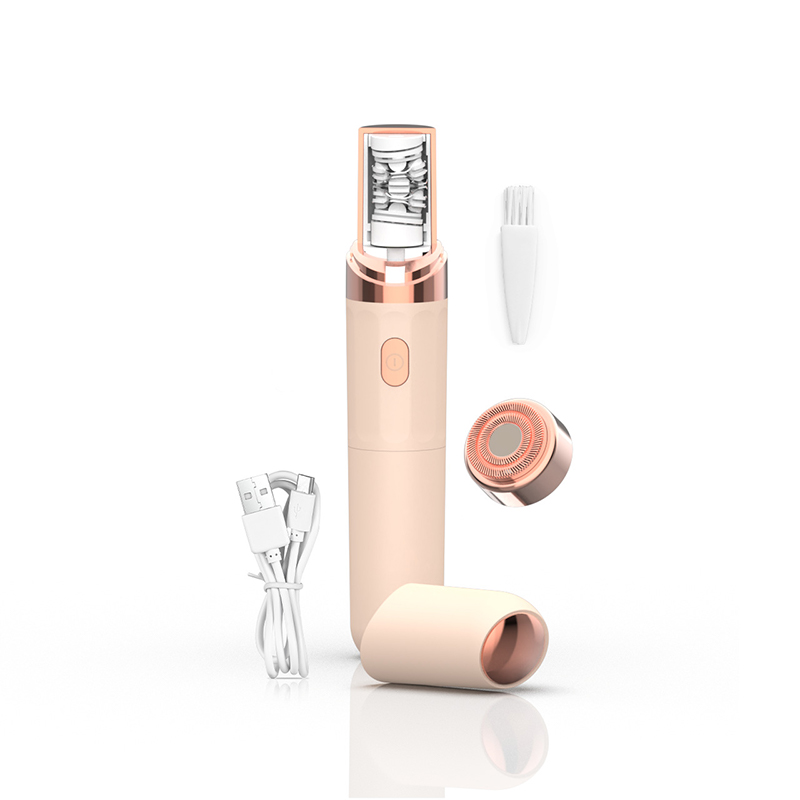
Will Electric Facial Hair Remover lead to skin irritation?
The growing popularity of at-home grooming devices has brought the Electric Facial Hair Remover into the spotlight. A common and significant concern among potential users is whether these devices lead to skin irritation. Understanding the technology, proper usage, and individual skin factors is crucial for a safe and comfortable experience. How an Electric Facial Hair Remover Works Most modern Electric Facial Hair Remover devices operate using oscillating blades or micro-openings that capture and remove hair at the skin's surface or just below it. Unlike traditional razors, which use a sharp blade to cut hair at the skin line, these devices are designed to minimize direct contact with the skin, thereby theoretically reducing the risk of nicks and cuts. The primary mechanical action is hair removal without abrasion, but the process can still cause friction. Potential Causes of Skin Irritation While designed for safety, irritation can occur due to several factors: Friction and Pressure: The most common cause of irritation is user error, specifically applying excessive pressure or repeatedly passing the device over the same area. This friction can disrupt the skin's outer barrier, leading to redness, a burning sensation, or minor inflammation. Pre- and Post-Treatment Care: The skin's condition before and after use is paramount. Using the device on dry, unclean, or unprepared skin increases the risk of irritation. Furthermore, neglecting to moisturize or soothe the skin afterward can leave it vulnerable. Skin Sensitivity and Type: Individuals with inherently sensitive, reactive, or conditions like rosacea or eczema may be more prone to irritation from any mechanical device, including an Electric Facial Hair Remover. Device Hygiene: Residual oils, dead skin cells, and bacteria can accumulate on the device's head. Using a dirty device can transfer these impurities to the skin, potentially clogging pores or causing folliculitis (inflammation of hair follicles). Guidelines to Minimize the Risk of Irritation Adhering to a proper grooming routine can significantly mitigate the potential for adverse reactions. Prepare the Skin: Begin with a clean, dry face. Ensuring the skin is free from makeup, oils, and sweat provides a smooth surface for the device to glide over and reduces drag. Use on Dry Skin: Unless the manufacturer explicitly states the device is designed for wet use with gels or creams, most standard electric facial hair removers should be used on completely dry skin to ensure optimal function and grip on the hair. Employ a Light Touch: Let the device do the work. Guide it gently over the skin without pressing down. One or two passes over an area is typically sufficient. Maintain Your Device: Regularly clean the device's head according to the manufacturer's instructions. This prevents buildup that can hinder performance and hygiene. Soothe Afterwards: After use, apply a gentle, alcohol-free, and fragrance-free moisturizer or aloe vera gel to calm the skin and restore hydration. Establish a Routine: Avoid overuse. Allow your skin time to recover between sessions. Using the device daily may not be necessary and can increase irritation risk. The question of whether an Electric Facial Hair Remover leads to skin irritation does not have a binary answer. The device itself, when designed and manufactured to high standards, is engineered to remove hair with minimal skin contact. However, the outcome is highly dependent on individual skin sensitivity and, most importantly, user technique and aftercare. For the vast majority of users, following a careful and consistent grooming routine will allow them to use an Electric Facial Hair Remover effectively without experiencing significant irritation. Those with known sensitive skin conditions may wish to consult a dermatologist before incorporating any new mechanical grooming tool into their regimen.
VIEW FULL ARTICLE -
 Aug 22,2025
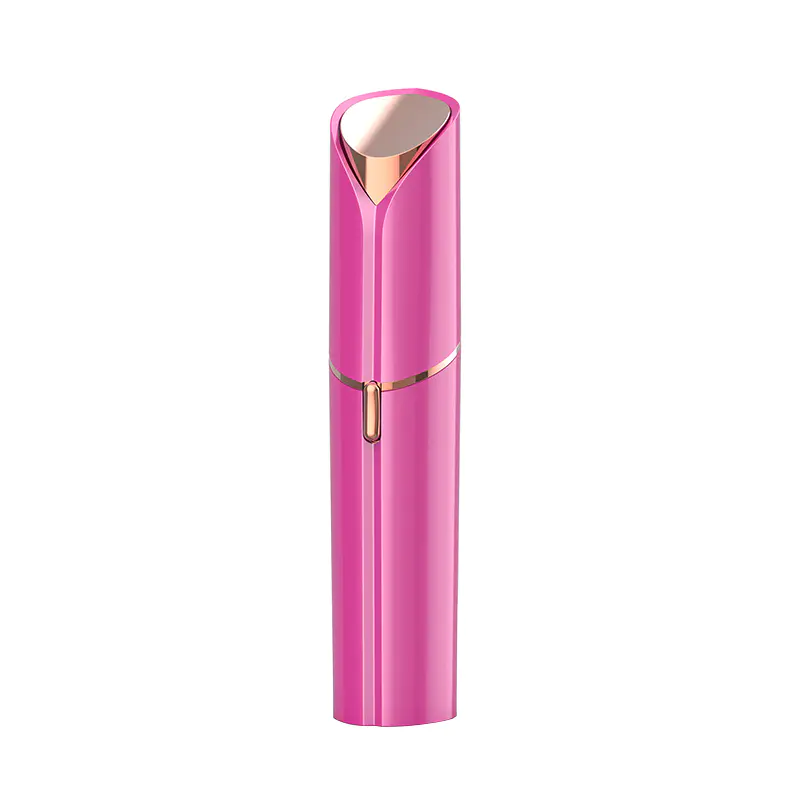
What are the benefits of Electric Facial Hair Remover over razors?
For individuals seeking a method for facial hair management, the choice between a traditional razor and an Electric Facial Hair Remover is a common consideration. While razors have been a mainstay for generations, electric removers offer a distinct set of advantages rooted in their technology and design. 1. Skin Health and Reduction of Irritation One of the most significant benefits of an Electric Facial Hair Remover is its approach to skin health. Traditional razors work by dragging a sharp blade across the skin's surface to cut hair at the base. This process can exfoliate the skin, but it often leads to common issues such as nicks, cuts, razor burn, and ingrown hairs, particularly for those with sensitive skin. In contrast, many Electric Facial Hair Remover devices are designed to trim or lift and cut hairs without direct contact with the skin's surface. This method drastically reduces the friction and scraping that cause irritation. For individuals prone to conditions like folliculitis or persistent razor bumps, an electric remover can provide a gentler, more comfortable experience. 2. Efficiency and Convenience The convenience factor of an electric device is a major advantage. Electric Facial Hair Removers are typically designed for dry use, eliminating the need for shaving creams, gels, or water. This allows for quick and efficient hair removal anywhere, at any time, making it an ideal solution for travel or a busy morning routine. Furthermore, the maintenance is often simpler. While a razor blade must be replaced frequently to maintain hygiene and sharpness, an electric remover usually requires only periodic cleaning and, depending on the model, occasional blade replacement after extended use. 3. Long-Term Economic Value Although the initial investment for a quality Electric Facial Hair Remover is higher than a pack of disposable razors, the long-term economic outlook is often favorable. Disposable razors and cartridge refills represent a recurring cost that accumulates over time. An electric device, with its durable construction and minimal replacement part needs, can prove to be more cost-effective over several years of use. 4. Precision and Versatility Many Electric Facial Hair Removers are engineered with precision attachments and adjustable length settings. This allows for greater control over the styling process, enabling users to trim facial hair to a specific length rather than removing it completely. This versatility is beneficial for maintaining stubble or precisely shaping beards and mustaches, an option not available with a standard razor. 5. Safety and Ease of Use The design of electric removers generally incorporates safety features that minimize the risk of cutting the skin. Guards and rounded tips protect the epidermis while the cutting mechanism operates. This makes the process of facial hair removal safer, especially in contoured or difficult-to-navigate areas like the jawline and upper lip. It reduces the anxiety associated with using a sharp blade near the skin. Considerations for Both Options It is important to note that traditional razors provide an exceptionally close shave, which is a result desired by some. Electric devices may not always achieve the same level of closeness in a single pass. However, technological advancements in electric removers, such as hypoallergenic foil heads and pivoting designs, have significantly closed this gap, offering a very close and comfortable shave. The choice between an Electric Facial Hair Remover and a traditional razor is ultimately personal and depends on individual skin type, hair texture, desired results, and lifestyle. However, the documented benefits of an Electric Facial Hair Remover—including reduced skin irritation, greater convenience, long-term economic value, precision styling, and enhanced safety—present a compelling case for its use as a primary tool for facial hair management. For those seeking a sustainable, skin-friendly, and efficient grooming solution, an electric remover is a technology worthy of serious consideration.
VIEW FULL ARTICLE
KEEP IN TOUCH
-

luke@aisenappliance.com
-

+86-13819843737 / +86-574-62361977
-

Unit 1, Building 7, No. 4 Xieli Road, Simen Town, Yuyao City, Zhejiang Province, China