

 English
  日本語
日本語
 Español
 Deutsch



News Category:
Key Words:
-
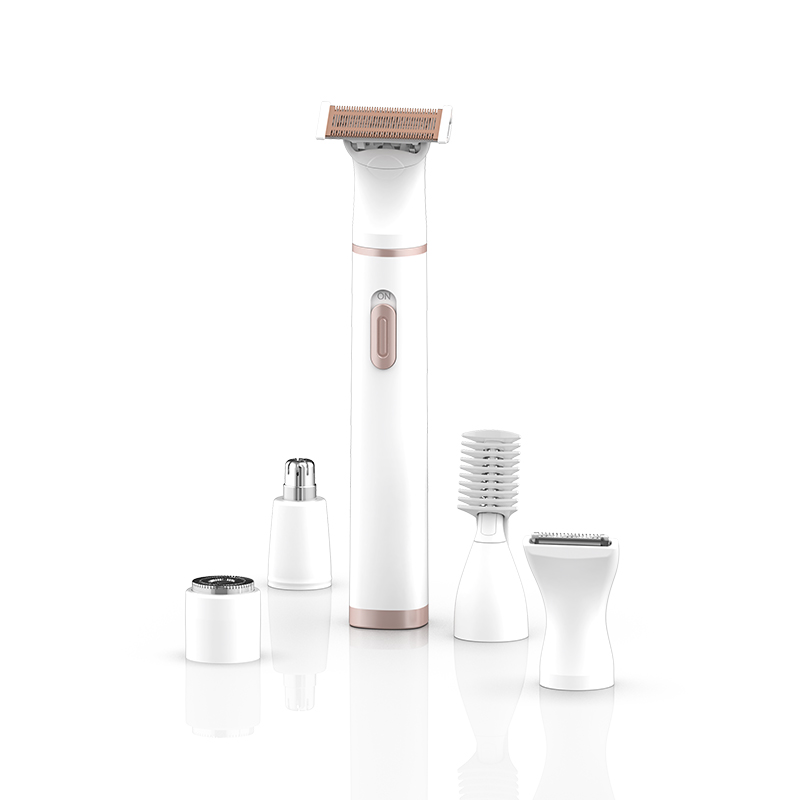 Aug 15,2025
Can Electric Facial Hair Remover be used daily?
The quest for smooth skin often leads users of Electric Facial Hair Removers to wonder: can this convenient tool be part of a daily grooming routine? While the appeal of constant smoothness is understandable, dermatologists and device manufacturers generally advise caution against daily use for most individuals. Here's a breakdown of the key considerations: Understanding How Electric Facial Hair Removers Work:Unlike razors that cut hair at the skin's surface, most Electric Facial Hair Removers work by gently catching hairs with rotating components or micro-openings and lifting them away from the follicle. This process involves friction and mechanical action on the skin's surface. The Case Against Daily Use: Skin Sensitivity and Irritation: The primary concern is skin irritation. Daily friction, even from gentle devices, can compromise the skin's protective barrier. This can lead to redness, dryness, micro-tears, stinging, inflammation (folliculitis), or increased sensitivity over time. Facial skin is particularly delicate. Hair Growth Cycle: Facial hair grows in cycles. Using an Electric Facial Hair Remover daily often removes hair that hasn't sufficiently emerged from the follicle. This can be less effective and potentially more irritating than removing hair that is fully above the skin's surface. Skipping days allows more hair to reach an optimal length for removal. Device Wear and Effectiveness: Excessive daily use can potentially lead to faster wear and tear on the device's moving parts or cutting mechanisms, potentially reducing its effectiveness and lifespan. Individual Skin Tolerance: While some individuals with exceptionally resilient skin might tolerate daily use without immediate issues, it significantly increases the risk of developing sensitivity or irritation over the long term. It's generally not recommended as a starting point. Manufacturer Guidelines:Crucially, always consult the specific instruction manual for your Electric Facial Hair Remover. Usage frequency recommendations can vary significantly between models and manufacturers. Many explicitly advise against daily use, recommending intervals of 2-4 days or even weekly use instead. Ignoring these guidelines can void warranties and increase irritation risk. When Might More Frequent Use Be Considered? (With Caution) Specific Device Instructions: If a particular Electric Facial Hair Remover model's manual explicitly states it is designed and tested for safe daily use, then following those instructions is paramount. Extremely Slow Hair Growth: Individuals with very slow, fine facial hair growth might experiment cautiously with slightly more frequent use (e.g., every other day) if their skin shows absolutely no signs of irritation, but daily remains risky. Targeted Small Areas: Using the device daily on a very small, specific area (like the upper lip) might be better tolerated than a full-face daily routine, but requires vigilant monitoring for irritation. Best Practices for Safe and Effective Use: Follow the Manual: Adhere strictly to the manufacturer's recommended usage frequency and instructions for your specific Electric Facial Hair Remover. Start Slowly: Begin with the recommended frequency (often 2-3 times per week) and only consider increasing gradually if your skin tolerates it exceptionally well and the manual permits. Prep Skin: Ensure skin is clean, completely dry, and free of lotions or oils before using the Electric Facial Hair Remover. Gentle Technique: Use light pressure and move the device according to the instructions – usually against the direction of hair growth. Avoid going over the same spot repeatedly. Listen to Your Skin: This is paramount. If you experience any redness, stinging, bumps, or discomfort during or after use, discontinue immediately and allow your skin several days to recover. Do not attempt daily use if irritation occurs. Moisturize: Hydrate the skin well after using an Electric Facial Hair Remover to support the skin barrier. Patch Test: If trying a new device or increasing frequency, test it on a small, inconspicuous area first. While the convenience of an Electric Facial Hair Remover is significant, daily use is generally not recommended for most people due to the high risk of skin irritation and potential long-term sensitivity. The mechanical action involved requires rest periods for the skin to recover. The safest and most effective approach is to follow the specific usage frequency outlined in your device's manual, typically suggesting intervals of several days between sessions. Prioritizing skin health by allowing recovery time and heeding warning signs of irritation will lead to better long-term results than pursuing daily removal. Always prioritize your skin's response over the desire for constant smoothness.
VIEW FULL ARTICLE -
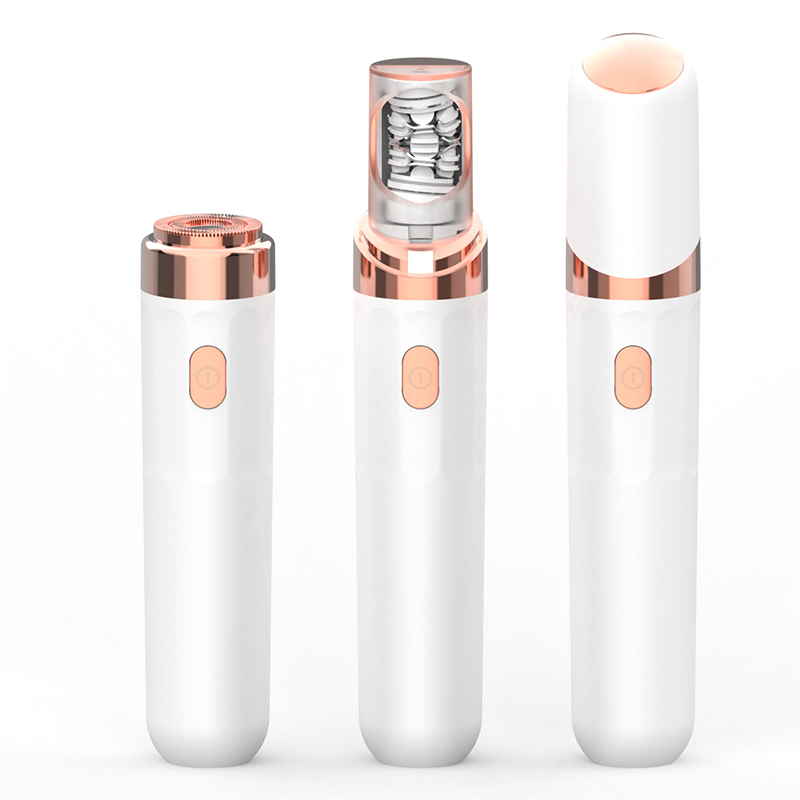 Aug 08,2025
How to properly use Electric Facial Hair Remover?
Electric facial hair removers offer a convenient, relatively painless, and efficient method for managing unwanted facial hair. Used correctly, they provide smooth results with minimal irritation. 1. Preparation is Key: Cleanse Thoroughly: Start with completely clean, dry skin. Remove all makeup, oils, lotions, and dirt. Residues can clog the device, reduce effectiveness, and increase the risk of irritation or breakouts. Use a gentle cleanser and pat skin dry. Exfoliate (Optional but Recommended): Gently exfoliate your face 24-48 hours before using the Electric Facial Hair Remover. This removes dead skin cells, allowing the device to access hairs more easily and potentially reducing the chance of ingrown hairs. Avoid harsh scrubs immediately before use. Ensure Skin is Dry: The device must be used on bone-dry skin. Moisture can interfere with the mechanism and increase friction. 2. Device Preparation: Read the Manual: Always consult the manufacturer's instructions specific to your Electric Facial Hair Remover. Understand its features, settings, and cleaning requirements. Check the Head: Ensure the correct head is attached (if applicable) and that it is clean and free of debris. Dull or dirty blades/heads are less effective and more likely to cause irritation. Charge or Insert Batteries: Ensure the device is fully charged or has fresh batteries for optimal performance and consistent speed. 3. Technique for Effective & Safe Removal: Hold Correctly: Hold the Electric Facial Hair Remover firmly but comfortably. Most devices are designed to be held at a specific angle relative to the skin – often perpendicular (90 degrees) or as directed by the manual. Stretch Skin Taut: Use your free hand to gently stretch the area of skin you are treating. This creates a flatter surface, allowing the device to capture hairs more effectively and reducing the chance of nicks or pinching. Move Against the Grain: Glide the device against the direction of hair growth. This ensures the rotating blades or discs can efficiently lift and cut the hairs close to the skin's surface. Use Gentle Pressure & Steady Motion: Let the device do the work. Apply only light, even pressure. Avoid pressing down hard, as this can cause friction, irritation, and redness. Use slow, deliberate strokes in overlapping paths for complete coverage. Rushing can lead to missed hairs or skin irritation. Direction Matters: Follow the natural contours of your face. For example: Cheeks: Downward strokes. Upper Lip: Sideways strokes, away from the nose. Chin: Downward strokes. Jawline & Neck: Downward strokes, following the jawline. Avoid Sensitive Areas: Never use a standard facial hair remover directly on eyelids, inside the nose or ears, or on inflamed, broken, or irritated skin (like active acne, sunburn, or rashes). Some devices may have specific attachments for sensitive areas – consult your manual. 4. Post-Treatment Care: Cleanse Again (Optional): Gently wipe your face with a clean, damp cloth or use a mild toner to remove any tiny hair particles left behind. Pat dry. Soothe and Moisturize: Apply a gentle, fragrance-free, non-comedogenic moisturizer or aloe vera gel to calm the skin and replenish hydration. Avoid products containing alcohol, acids (like AHA/BHA), or retinoids immediately after use, as they can sting. Clean the Device: Immediately after use, clean the head of your Electric Facial Hair Remover according to the manufacturer's instructions. This usually involves brushing away hair clippings and wiping with a dry cloth or a slightly damp cloth followed by thorough drying. Some heads may be washable. Proper cleaning prevents bacterial buildup and maintains performance. Important Considerations & Safety Tips: Patch Test: Before using the device on your entire face, perform a patch test on a small, discreet area of your jawline or neck. Wait 24 hours to check for any adverse reaction (redness, excessive irritation, rash). Frequency: Avoid overuse. Using an Electric Facial Hair Remover too frequently can irritate the skin. Allow at least a few days between sessions, depending on your hair growth rate and skin sensitivity. Skin Conditions: Do not use if you have active skin infections, warts, moles, open cuts, or severe skin conditions like eczema or psoriasis in the treatment area. Consult a dermatologist if unsure. Device Limitations: Understand that results are not permanent. Hair will grow back, typically feeling blunt initially. These devices cut hair at the skin's surface, unlike methods like electrolysis or laser that target the root. Maintenance: Regularly check blades/heads for dullness or damage. Replace them as recommended by the manufacturer (often every few months with regular use) to ensure optimal performance and hygiene. Properly using an Electric Facial Hair Remover involves meticulous preparation, correct technique, and diligent aftercare. By following these steps – cleansing, using the device on dry skin with light pressure against the grain, stretching the skin taut, and moisturizing afterward – you can achieve smooth, hair-free skin with minimal irritation. Always prioritize your device's specific instructions and listen to your skin's needs. Consistent, careful use ensures the Electric Facial Hair Remover remains a safe and effective tool in your grooming routine.
VIEW FULL ARTICLE -
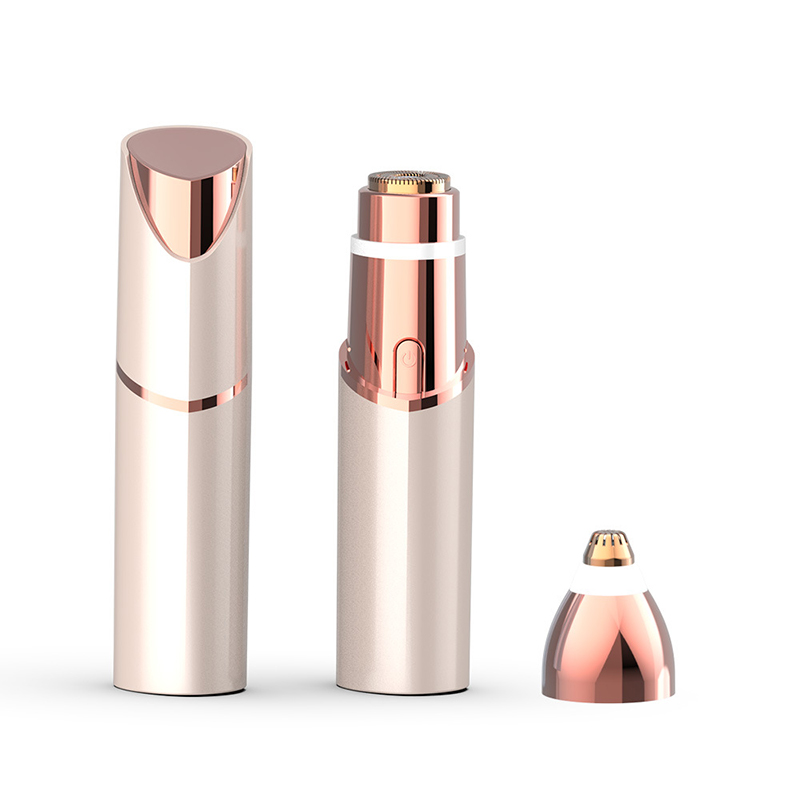 Aug 03,2025
Does Electric Facial Hair Remover cause any pain?
Electric Facial Hair Removers (EFHRs) have gained popularity as a convenient alternative to traditional methods like shaving, waxing, or depilatory creams. A common question among potential users is whether these devices cause pain. Understanding the technology and individual factors is key to setting realistic expectations. How Electric Facial Hair Removers WorkMost modern EFHRs utilize either: Epilation: Mechanically grasping multiple hairs at the root and pulling them out rapidly using rotating tweezers or discs. Friction Technology: Using ceramic discs or surfaces to gently buff away hair at the skin's surface without pulling from the root. Sensation vs. Pain: Key FactorsWhether using an EFHR feels painful, uncomfortable, or merely noticeable depends heavily on several variables: Technology Type: Epilating EFHRs: These inherently involve pulling hair from the follicle. Users typically report a sensation ranging from a quick, sharp "twinge" or "pinch" per hair to a more intense pulling feeling, especially in sensitive areas or during initial uses. This is often compared to the sensation of waxing but localized to each hair follicle. Friction-Based EFHRs: These generally cause significantly less sensation. Users often describe a mild vibrating, warming, or tingling feeling as the device glides over the skin. Discomfort is usually minimal, resembling light exfoliation. Individual Pain Tolerance: Sensitivity to discomfort varies greatly between individuals. What one person finds mildly uncomfortable, another may perceive as painful. Hair Density and Thickness: Thicker, denser hair growth can lead to a stronger sensation, particularly with epilating devices, as more hairs are being removed simultaneously. Skin Sensitivity: Areas with thinner skin (like the upper lip or cheeks) tend to be more sensitive. Skin conditions (e.g., active acne, eczema, sunburn) will significantly increase discomfort and are contraindicated for use. Technique and Preparation: Skin Preparation: Clean, dry skin is essential. Oils, lotions, or sweat can hinder the device's effectiveness and increase friction or tugging. Device Handling: Holding the device correctly, moving it steadily against the direction of hair growth (for epilators), and avoiding excessive pressure are crucial. Pressing too hard can cause skin irritation and increase discomfort. Skin Tautness: Gently stretching the skin smooth can help the device grasp hairs more effectively and may reduce pinching sensations for epilators. Minimizing Sensation: Practical Guidelines Start Clean and Dry: Ensure facial skin is thoroughly cleansed and completely dry before use. Consider Hair Length: For epilating EFHRs, hair is ideally 1/16 to 1/8 inch long. Too short, and the device can't grasp it effectively; too long, and removal may be more uncomfortable. Go Slow and Steady: Rushing increases the likelihood of tugging or uneven hair removal. Move the device deliberately. Use on Cool Skin: Avoid using immediately after a hot shower when pores are open and skin may be more sensitive. Regular Use: With consistent use of epilating EFHRs, many users report a significant reduction in sensation over time as hair regrowth becomes finer and sparser, and follicles adapt. Post-Care: Soothe skin afterward with a gentle, alcohol-free moisturizer or calming gel (like aloe vera). Avoid harsh products immediately after use. Safety and SensationWhile EFHRs are generally safe for home use when instructions are followed, discomfort can escalate into pain or lead to adverse effects if: Used on broken, irritated, or sunburned skin. Used over the same area excessively in one session. Excessive downward pressure is applied. The device is dirty or malfunctioning. Using an Electric Facial Hair Remover typically involves some level of sensation. Epilating models are more likely to cause noticeable discomfort, often described as a series of quick pinches, especially during initial uses or on sensitive areas. Friction-based models usually offer a much milder experience. However, labeling the typical sensation as outright "pain" is often inaccurate for most users following proper technique. The sensation experienced is highly individual and influenced by device technology, hair/skin characteristics, and user technique. By understanding these factors and adhering to preparation and usage guidelines, users can significantly minimize discomfort and achieve effective facial hair removal with an Electric Facial Hair Remover.
VIEW FULL ARTICLE -
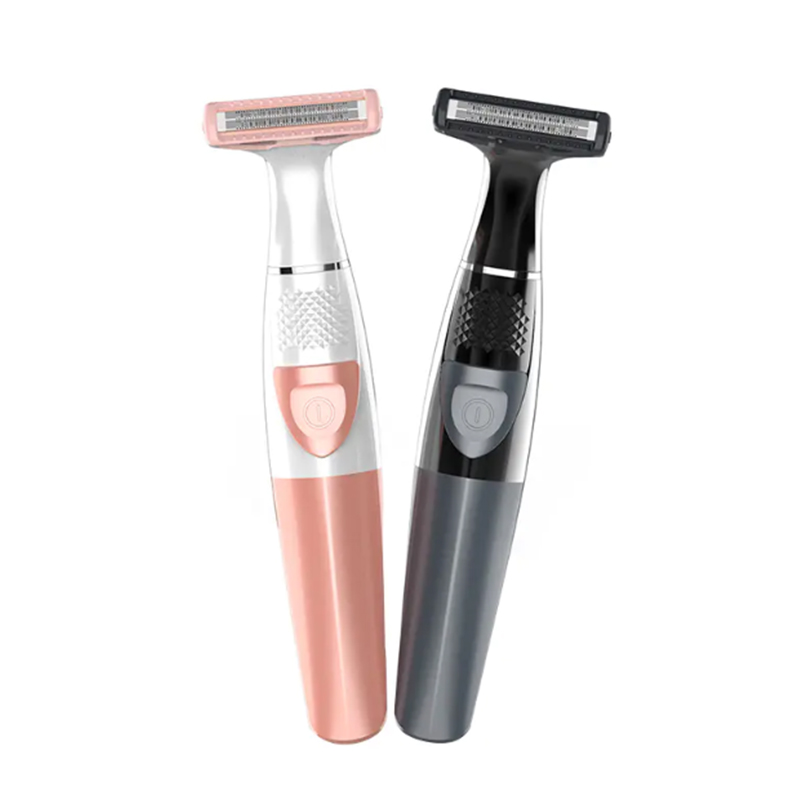 Jul 24,2025
How effective is Electric Facial Hair Remover on coarse hair?
Electric facial hair removers have gained popularity as convenient tools for managing unwanted facial hair. A common question, particularly among individuals with coarse hair, is: how effective are these devices? Understanding their performance requires examining the technology, hair characteristics, and realistic expectations. Understanding Coarse Hair: Coarse hair is characterized by a larger diameter and often a denser medulla (central core) compared to fine or vellus hair. This increased thickness stems from a larger hair follicle and higher keratin content. Coarse hair is typically stronger, more resilient, and can be more deeply rooted, posing a greater challenge for removal methods. How Electric Facial Hair Removers Work: These devices employ various mechanisms designed to capture and remove hair at the skin's surface or slightly below: Rotating Discs/Springs: Small, closely spaced coils or springs rotate rapidly, catching hairs and pulling them out by the root as the device glides over the skin. Tweezer Heads: Oscillating discs lined with micro-openings trap hairs, which are then mechanically plucked as the discs rotate. Unlike epilators that grasp hairs longer than the surface, facial hair removers often target shorter stubble effectively. Effectiveness on Coarse Hair: Factors to Consider Mechanical Suitability: The core strength of these devices lies in their mechanical plucking action. This method is generally capable of removing coarse hair, as it grips the hair shaft directly and extracts it from the follicle. The sturdy nature of coarse hair can sometimes make it easier for the device to grip compared to very fine, slippery hairs. Immediate Results: When used correctly, electric facial hair removers provide immediate, smooth results by removing hair from the root. For coarse hair, this smoothness can be noticeable and last longer than shaving, as it avoids the blunt tip left by razors that can feel like stubble quickly. Hair Growth Cycle: Like all methods removing hair from the root (epilation, waxing, tweezing), results are not permanent. Hair regrowth depends on the individual's growth cycle. Coarse hair may have a longer anagen (growth) phase, meaning results could potentially last slightly longer than for finer hair types, often cited as 1-4 weeks. Potential Challenges: Pain Tolerance: Removing coarse hair from the root can be more uncomfortable or painful than removing finer hair due to the larger follicle size and stronger root attachment. User sensitivity varies significantly. Ingrown Hairs: Individuals prone to ingrown hairs, especially with coarse, curly hair, may experience them with any method involving plucking. Proper exfoliation and technique are crucial. Skin Irritation: The mechanical action can cause temporary redness, swelling, or irritation, particularly on sensitive facial skin. Coarser hair removal may exacerbate this initially. Using the device on clean, dry skin and avoiding over-treatment of areas is essential. Device Design: Effectiveness can vary between models. Devices specifically designed for facial use with appropriate head sizes and speeds may perform better on coarse facial hair than generic body epilators. Comparison to Other Methods: Vs. Shaving: Removers offer longer-lasting smoothness by plucking instead of cutting, avoiding the quick reappearance of blunt tips common with coarse stubble. They do not cause cuts but may cause more initial discomfort. Vs. Depilatory Creams: Creams chemically dissolve hair at the skin's surface. They can be effective on coarse hair but carry higher risks of skin reactions and offer results of similar duration to shaving. Vs. Professional Electrolysis/Laser: These methods target the follicle for long-term reduction or permanent removal. Electric removers offer no permanent reduction; they are a maintenance tool. Professional methods are significantly more costly and time-consuming but address the root cause more effectively long-term, especially for coarse hair which often responds well to laser. Practical Considerations for Effective Use on Coarse Hair: Preparation: Ensure skin is clean, dry, and free of oils or lotions. Hair should ideally be short (1/16 to 1/8 inch or 1.5-3mm) for optimal grabbing. Technique: Hold the skin taut. Glide the device slowly and steadily against the direction of hair growth. Avoid pressing too hard; let the device head do the work. Do not go over the same area repeatedly. Frequency: Regular use (e.g., weekly) may lead to reduced discomfort over time as hair cycles may become more synchronized. Aftercare: Apply a soothing, alcohol-free moisturizer or cool compress post-treatment to calm skin. Avoid sun exposure and harsh products immediately after. Consultation: Individuals with very sensitive skin, active acne, rosacea, or skin conditions should consult a dermatologist before use. Electric facial hair removers are generally effective at removing coarse facial hair, providing smooth results that last longer than shaving by extracting hair from the root. Their mechanical action is suited to gripping and removing thicker hair shafts. However, effectiveness is accompanied by considerations: the process can be more uncomfortable with coarse hair, requires consistent maintenance, and carries risks of irritation or ingrown hairs. Managing expectations is crucial – they offer efficient temporary hair removal, not permanent reduction. Success hinges on selecting a device designed for facial use, employing proper technique, diligent aftercare, and understanding individual skin and hair response.
VIEW FULL ARTICLE -
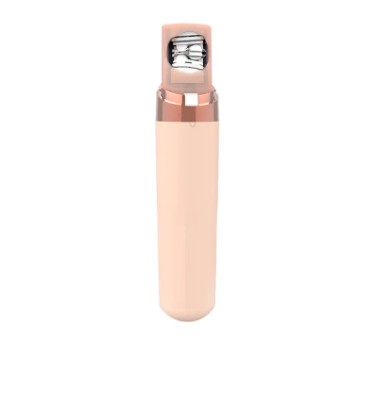 Jul 18,2025
Is Electric Facial Hair Remover safe for sensitive skin?
Electric facial hair removers, often called dermaplaning devices or facial epilators, promise a smooth, hair-free complexion. But for individuals with sensitive skin – prone to redness, irritation, rosacea, or eczema – the crucial question is: Are they safe? The answer isn't a simple yes or no, but hinges on understanding the technology, your skin's unique needs, and proper usage practices. Understanding the Technology and Sensitive Skin Concerns Unlike traditional razors that cut hair at the skin's surface, most electric facial hair removers use fine, oscillating blades or rotating heads designed to gently lift and remove very fine vellus hair (peach fuzz) and dead skin cells from the epidermis. This differs significantly from body epilators that pull hair from the root, which is generally too harsh for facial skin, especially sensitive types. The primary concerns for sensitive skin include: Friction and Micro-Trauma: Excessive pressure or repeated passes can cause microscopic abrasions, leading to irritation, redness, and potential flare-ups. Blade Design: Dull blades or overly aggressive mechanisms require more pressure, increasing irritation risk. Hygiene: Bacterial transfer from unclean devices can cause breakouts or infections in compromised skin. Pre/Post-Care: Using harsh cleansers, exfoliants, or irritating products around the treatment time exacerbates sensitivity. Key Factors Influencing Safety for Sensitive Skin Device Design Features: Gentle Mechanisms: Look for devices specifically marketed for sensitive skin or facial use. These often feature fine, hypoallergenic blades (sometimes ceramic-coated) and gentle oscillation or micro-spring technology designed for minimal friction. Pressure Sensors: Some advanced models include sensors that alert you if you're applying too much pressure, a critical feature for sensitive users. Hygienic Design: Easy-to-clean components and replaceable blade heads are essential to prevent bacterial buildup. Technique is Paramount: Clean, Dry Skin: Always start with impeccably clean, completely dry skin. Damp skin increases friction. Light Touch: Use minimal pressure. Let the device glide; never press or scrub. Stretch the skin taut gently with your free hand. Direction: Follow the device's instructions, but generally, move gently downward in the direction of hair growth, avoiding upward strokes which can irritate. Single Pass: Limit yourself to one or maximum two very light passes over an area. Over-treatment is a major cause of irritation. Avoid Compromised Skin: Never use over active acne, wounds, sunburn, rashes, or highly inflamed areas of rosacea/eczema. Essential Pre and Post-Care Routine: Pre-Care: Avoid retinoids, AHAs/BHAs, or physical exfoliants for at least 48 hours before and after. Cleanse gently with a mild, non-foaming cleanser and pat dry thoroughly. Post-Care: Immediately after, apply a fragrance-free, soothing moisturizer or serum containing calming ingredients like hyaluronic acid, ceramides, centella asiatica, or aloe vera (if you know you tolerate it). Avoid actives (vitamin C, acids, retinols) for 24-48 hours. Use sunscreen diligently as skin may be temporarily more sun-sensitive. Patch Test: This is non-negotiable for sensitive skin. Test the device on a small, inconspicuous area of your jawline or neck. Wait 24-48 hours to check for any delayed reaction (redness, bumps, stinging) before proceeding to your full face. Potential Risks and Realistic Expectations Temporary Redness: Mild, fleeting redness immediately after use is common, even with careful technique, and usually subsides within hours. Irritation and Breakouts: Incorrect technique, overuse, dirty blades, or incompatible skincare can lead to irritation, micro-tears, or breakouts (folliculitis). Not for Coarse Hair: These devices are designed for fine vellus hair. Attempting to remove coarse terminal hair (like a beard) can cause significant irritation, pulling, and ingrown hairs. Not a Cure-All: Results vary. Hair grows back at its natural rate, typically feeling soft as it hasn't been cut bluntly. "Dermatologists can provide personalized advice," emphasizes Dr. Aisha Chen, a board-certified dermatologist specializing in sensitive skin. "While many with sensitive skin tolerate modern electric facial hair removers well using meticulous technique, others, especially those with conditions like active rosacea or severe eczema, may find any form of physical exfoliation or hair removal too irritating. A patch test under professional guidance is always the safest first step if you have significant concerns." The Verdict: Proceed with Caution and Knowledge Electric facial hair removers can be safe for sensitive skin when: The device is designed for sensitive skin/facial use. Meticulous hygiene is maintained. Impeccable, gentle technique is used (light touch, minimal passes). A strict, calming pre-and-post care routine is followed, avoiding known irritants. A patch test is performed and shows no adverse reaction. Realistic expectations are set, and coarse hair removal is avoided. Safety is highly individual. Listen to your skin. If you experience persistent redness, stinging, bumps, or worsening of skin conditions, discontinue use immediately and consult a dermatologist. For those with sensitive skin who proceed cautiously, these devices can offer an effective method for managing fine facial hair with minimized irritation risk compared to some alternatives. Informed choices and careful practices are your best tools.
VIEW FULL ARTICLE -
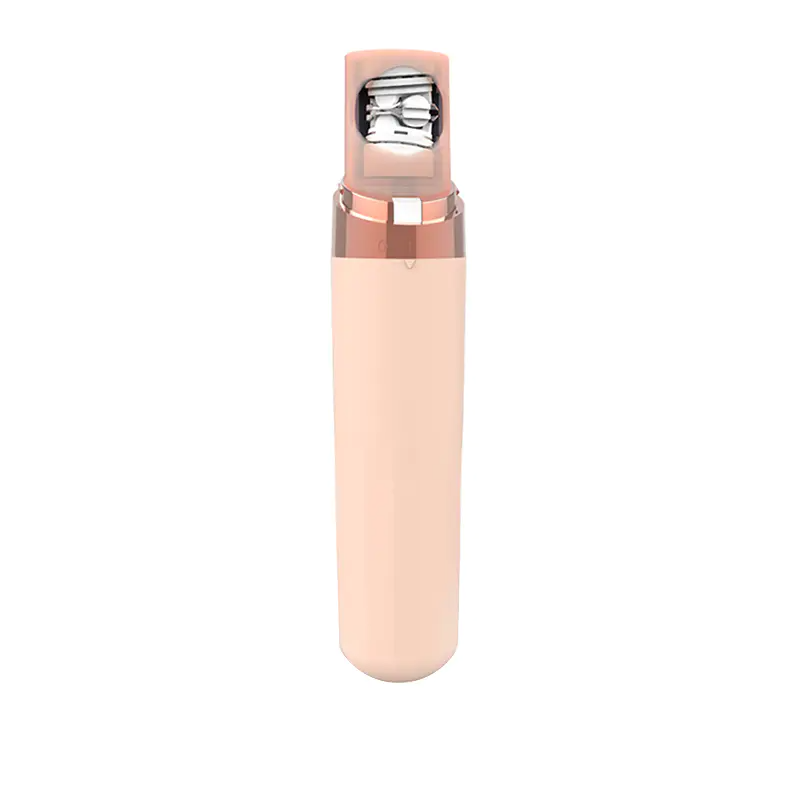 Jul 11,2025
What Should You Avoid After Using a Facial Hair Remover?
Achieving smooth, hair-free facial skin requires careful attention not just during the removal process, but critically, in the hours and days immediately afterward. Whether you use depilatory creams, waxing, threading, Electric Facial Hair Remover, or shaving, your skin undergoes temporary stress. Knowing what to avoid is crucial for minimizing irritation, preventing complications, and promoting optimal skin health. 1. Sun Exposure: The Prime Culprit to Avoid Why: Facial skin, especially immediately after hair removal, is highly vulnerable. Techniques like waxing, threading, and epilating remove hair from the root, leaving micro-openings. Depilatories and shaving can cause microscopic abrasions and strip the skin's protective barrier. UV radiation intensifies inflammation, significantly increases redness and swelling, and dramatically raises the risk of post-inflammatory hyperpigmentation (dark spots) and long-term sun damage. Avoid: Direct sun exposure for at least 24-48 hours post-treatment. Be exceptionally vigilant if using methods that remove hair from the root (waxing, threading, epilating), where sensitivity persists longer. Instead: If going outdoors is unavoidable, apply a broad-spectrum sunscreen (SPF 30 or higher, mineral formulas like zinc oxide/titanium dioxide are often gentler on sensitized skin) liberally and wear a wide-brimmed hat. Seek shade actively. 2. Harsh Skincare Products & Exfoliation: Aggravating Vulnerability Why: Freshly treated skin is compromised. Its natural barrier is weakened, making it far more susceptible to stinging, burning, and inflammation from potent ingredients. Avoid: Exfoliants (Physical & Chemical): Avoid scrubs, brushes, AHAs (glycolic, lactic acid), BHAs (salicylic acid), retinoids (retinol, tretinoin), and strong enzymes for at least 24-48 hours (wait longer for methods like waxing/epilating – sometimes up to 72 hours). These can cause severe irritation and micro-tears. Alcohol-based Products: Toners, astringents, and some cleansers containing high alcohol content will sting and dry out sensitized skin excessively. Fragranced Products: Synthetic fragrances are common irritants, especially on compromised skin. Strong Actives: Vitamin C (in high concentrations), acne treatments (high-strength benzoyl peroxide), and other potent serums should be paused initially. Instead: Use only lukewarm water and a very gentle, fragrance-free cleanser for the first day or two. Follow with a simple, soothing, fragrance-free moisturizer formulated for sensitive skin. Reintroduce actives gradually only after skin feels completely calm and normalized. 3. Touching or Picking: Introducing Risk Why: Your hands carry bacteria. Touching treated areas, especially if there's minor redness, swelling, or tiny bumps, transfers microbes that can lead to infections or exacerbate inflammation. Picking at ingrown hairs prematurely can cause scarring and further infection. Avoid: Constantly touching your face or attempting to squeeze or pick at any bumps or ingrown hairs that may appear. Allow the skin to heal undisturbed. Instead: Keep hands away. If persistent issues like ingrown hairs occur after the initial healing period (several days), address them gently with appropriate care (like a warm compress and later reintroduction of mild exfoliation). 4. Heat & Excessive Sweating: Fueling Inflammation Why: Heat dilates blood vessels and pores, increasing blood flow to the treated area. This intensifies redness, swelling (inflammation), and sensitivity. Sweat can carry salts and bacteria into compromised follicles or micro-abrasions, causing stinging and potential breakouts. Avoid: Hot showers, baths, steam rooms, and saunas for at least 24 hours. Strenuous exercise or activities causing heavy sweating for 24-48 hours. Applying hot towels or compresses immediately after. Instead: Opt for lukewarm water when cleansing. Postpone intense workouts. Keep the treated area cool and dry. 5. Makeup Application: Clogging and Irritation Why: Immediately after hair removal, pores can be open or follicles sensitized. Applying makeup brushes/sponges (which harbor bacteria) and cosmetic products can introduce bacteria, clog pores, and trap potential irritants against vulnerable skin, leading to breakouts or irritation. Avoid: Applying foundation, concealer, blush, powder, etc., to the treated area for ideally 12-24 hours, or longer if the skin feels particularly sensitive or visibly inflamed. Instead: Allow the skin to breathe and recover. If minimal makeup is absolutely necessary, ensure tools are impeccably clean and opt for minimal, non-comedogenic products, applied lightly. Prioritize skin healing. 6. Swimming (Chlorine/Salt Water): Chemical Assault Why: Chlorine in pools is a potent disinfectant and irritant. Salt water can be drying and sting. Both can penetrate sensitized skin easily, causing significant burning, dryness, redness, and potential chemical irritation. Avoid: Swimming in chlorinated pools or salt water (oceans, saltwater pools) for at least 24-48 hours after facial hair removal. Instead: Wait until the skin feels fully comfortable and shows no signs of sensitivity before resuming swimming activities. Facial hair removal, while effective, is an intervention your skin needs to recover from. By diligently avoiding these common pitfalls – sun exposure, harsh products, touching/picking, heat/sweat, immediate makeup, and swimming – you actively support your skin's natural healing process. This significantly reduces the risk of adverse reactions like hyperpigmentation, breakouts, infections, and prolonged irritation, ensuring you achieve the smooth, clear, and healthy-looking complexion you desire. Always listen to your skin; if sensitivity or redness persists longer than expected, consult a dermatologist.
VIEW FULL ARTICLE
KEEP IN TOUCH
-

luke@aisenappliance.com
-

+86-13819843737 / +86-574-62361977
-

Unit 1, Building 7, No. 4 Xieli Road, Simen Town, Yuyao City, Zhejiang Province, China