English
  日本語
日本語
 Español
 Deutsch



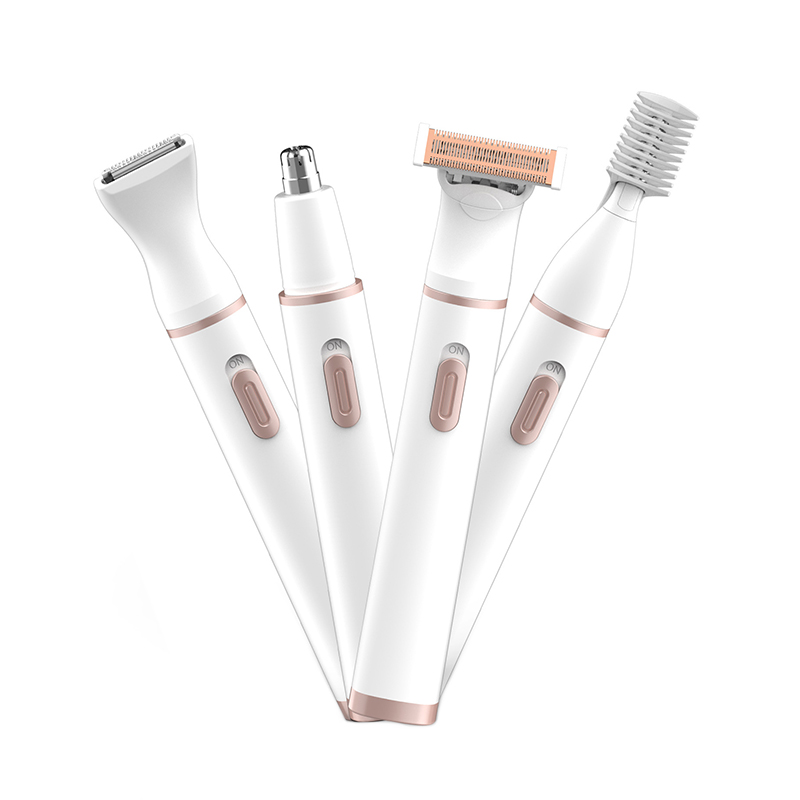
Short Answer: Yes — a silent electric shaver can absolutely deliver a close, smooth shave. Thanks to advances in motor technology and blade engineering, today's ultra-quiet shavers rival the performance of conventional loud models, without disturbing your household or office environment.
Noise has long been one of the most common complaints about electric shavers. Early rotary and foil models were notorious for their buzzing, humming, and rattling — hardly the calm start to a morning routine most people prefer. But in recent years, a new generation of silent electric shavers has emerged, engineered to operate at low decibel levels while still cutting hair effectively. This article explores whether going quiet means going without quality — and what you should know before buying one.
Content
- How a Silent Electric Shaver Works
- Does a Silent Electric Shaver Sacrifice Closeness?
- Silent Electric Shaver vs. Standard Electric Shaver: Side-by-Side Comparison
- Who Benefits Most from a Silent Electric Shaver?
- What to Look for in a Quality Silent Electric Shaver
- Tips to Get the Closest Shave from a Silent Electric Shaver
- Pros and Cons of Silent Electric Shavers
- Frequently Asked Questions (FAQ)
- Final Verdict
How a Silent Electric Shaver Works
The "silence" of a silent electric shaver is achieved through a combination of motor type, vibration dampening, and aerodynamic casing design. Here's what happens under the hood:
- Linear motors: Unlike traditional rotary motors that create oscillating mechanical noise, linear motors move the cutting blade in a straight, smooth back-and-forth motion, generating significantly less vibration and sound.
- Vibration-absorbing housing: The outer casing of quiet shavers is often made with rubber-damped internal chambers that absorb resonance before it can be heard externally.
- Precision-balanced blades: Unbalanced blades are a major source of shaver noise. Quiet models use micro-calibrated blades that spin or oscillate at controlled frequencies.
- Low-RPM efficiency: Quieter operation doesn't necessarily mean slower — modern silent electric shavers achieve effective cuts at lower rotations per minute by optimizing blade geometry.
Does a Silent Electric Shaver Sacrifice Closeness?
This is the most important question for any buyer. The short answer: not necessarily. Shaving closeness depends far more on blade quality, shaving head design, and skin adaptability than on motor noise. A silent electric shaver with a high-quality foil system or precision rotary head can produce results equal to — or in some cases better than — a noisy counterpart.
Key Factors That Determine Shave Closeness
- Blade sharpness and material: Titanium-coated or Japanese stainless steel blades hold an edge longer and cut closer to the skin.
- Foil flexibility: Multi-directional foil heads that adapt to facial contours (jawline, chin, upper lip) allow blades to reach hair at the base.
- Cutting system (foil vs. rotary): Foil shavers tend to provide a closer shave for straight, fine hair; rotary heads excel on coarser or curved hair patterns.
- Skin preparation: Using pre-shave gel or shaving after a warm shower opens pores and softens stubble, helping any electric shaver — quiet or loud — cut more effectively.
Silent Electric Shaver vs. Standard Electric Shaver: Side-by-Side Comparison
| Feature | Silent Electric Shaver | Standard Electric Shaver |
| Noise Level | 30–45 dB (library-quiet) | 55–75 dB (conversation to vacuum level) |
| Shave Closeness | High (model-dependent) | High (model-dependent) |
| Vibration on Skin | Minimal — gentle on sensitive skin | Moderate to strong |
| Battery Life | Comparable (45–90 min) | Comparable (40–80 min) |
| Price Range | $40–$200+ | $20–$300+ |
| Suitable For | Travelers, light sleepers, offices, sensitive skin | General use, heavy stubble |
| Wet/Dry Use | Often available | Often available |
Who Benefits Most from a Silent Electric Shaver?
A silent electric shaver isn't just a novelty — for many people, it's a practical necessity:
- Early risers and parents of young children who shave before others wake up.
- Hotel and business travelers who share thin-walled rooms.
- People with sensory sensitivities or those prone to anxiety triggered by loud vibrations.
- Those with sensitive skin — less vibration often means less irritation.
- Remote workers who shave during breaks without disturbing calls or colleagues.
What to Look for in a Quality Silent Electric Shaver
Motor Type
Look for shavers with linear drive motors or brushless motors. These technologies produce far less mechanical noise than traditional carbon-brush or gear-driven systems, and they tend to last longer with less degradation over time.
Foil System Quality
For a close shave, a high-quality foil system is essential. Multi-directional foil with a lift-and-cut mechanism first lifts hairs above the skin before the inner blade cuts them, resulting in a cleaner result with fewer passes.
Wet and Dry Capability
Many top-tier silent electric shavers are fully waterproof (IPX7 rating), allowing use in the shower or with shaving foam. This adds versatility and, for many users, results in a significantly smoother shave.
Battery and Charging
Choose models with at least 60 minutes of use per charge, and ideally with a quick-charge feature (5 minutes for one full shave) for convenience during travel.
Tips to Get the Closest Shave from a Silent Electric Shaver
- Shave after a warm shower: Heat softens the hair shaft and opens follicles, reducing resistance against the blade.
- Use pre-shave oil or lotion: This creates a thin barrier between skin and foil, reducing irritation and helping the blades glide more effectively.
- Move in slow, deliberate strokes: Don't rush. Silent electric shavers often benefit from slower, more controlled movements that let the foil adapt to skin contours.
- Stretch the skin taut: Pulling skin slightly tight provides a flatter surface, allowing the foil to make closer contact with the hair.
- Clean and replace blades regularly: Dull or clogged foil/blades undermine even the best motor. Replace blades every 12–18 months for consistent results.
- Give your skin time to adjust: If switching from a blade razor, allow 2–3 weeks for your skin and stubble to adapt to the new shaving method.
Pros and Cons of Silent Electric Shavers
| Pros | Cons |
| Quiet enough to use at any hour | Can cost more than standard models |
| Gentle vibration reduces skin irritation | May need more passes on thick stubble |
| Great for travel and shared spaces | Fewer model options compared to standard shavers |
| Comfortable for sensitive skin users | Some users prefer the tactile feedback of stronger vibration |
| Close, smooth results with quality foil systems | Blade replacement costs still apply |
Frequently Asked Questions (FAQ)
Final Verdict
A silent electric shaver can absolutely provide a close, smooth shave — and for the right user, it does so with advantages that louder models simply can't match. The key is choosing a model with a quality foil system, a precision motor, and the right features for your hair type and skin sensitivity.
Noise is not a proxy for power. The best silent electric shavers prove that engineering finesse — not mechanical racket — is what drives a truly great shave. Whether you're shaving at 5 AM while your partner sleeps, touching up before a video call, or managing sensitive skin that flinches at every vibration, a quiet shaver is no longer a compromise. It's a genuinely superior option for millions of people.