English
  日本語
日本語
 Español
 Deutsch



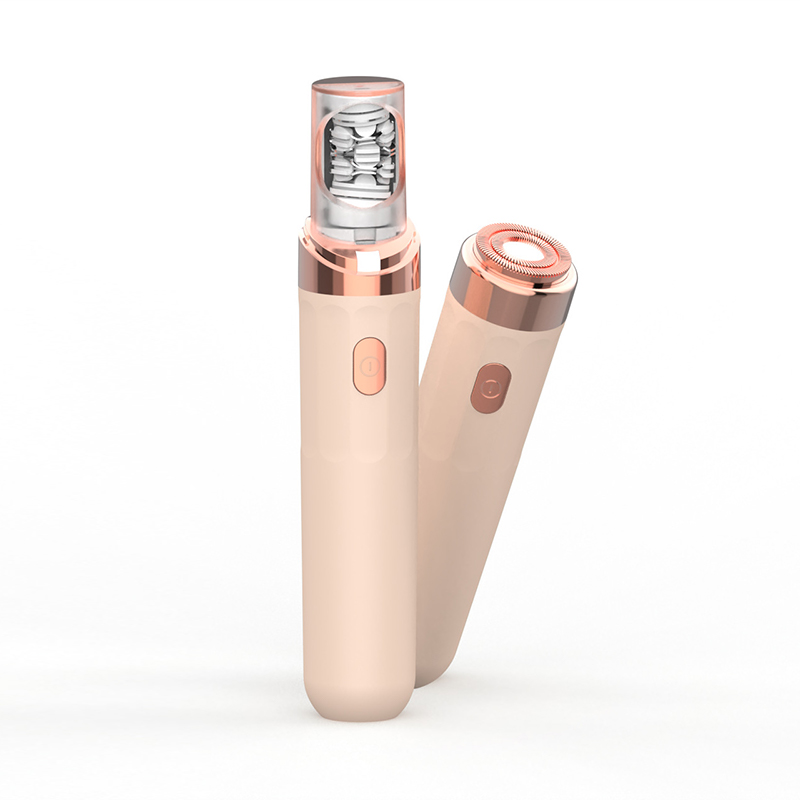
A facial hair remover works by using mechanical, electrical, or chemical energy to cut, dissolve, or uproot unwanted hair from the face at or below the skin's surface. Most modern devices — whether rotary epilators, dermaplaning tools, laser units, or threading gadgets — are designed with sensitive facial skin in mind and are generally safe for daily or frequent use when used correctly. The key is choosing the right type for your skin and following proper technique.
Whether you're dealing with peach fuzz, upper-lip hair, or sideburn growth, understanding exactly how each facial hair remover works will help you make a smarter, safer choice for your skincare routine.
Content
- The Main Types of Facial Hair Removers and How They Work
- Facial Hair Remover Comparison: Which Type Is Right for You?
- Is a Facial Hair Remover Safe for Daily Use?
- Best Facial Hair Remover by Skin Type
- How to Use a Facial Hair Remover Safely: 8 Essential Tips
- Myth vs. Fact: Common Misconceptions About Facial Hair Removers
- Benefits of Using a Dedicated Facial Hair Remover vs. Body Hair Tools
- Frequently Asked Questions About Facial Hair Removers
- Conclusion
The Main Types of Facial Hair Removers and How They Work
There is no single technology behind all facial hair removers. Each device uses a different mechanism to eliminate hair. Here is a breakdown of the most common types:
1. Electric Rotary or Oscillating Facial Hair Removers
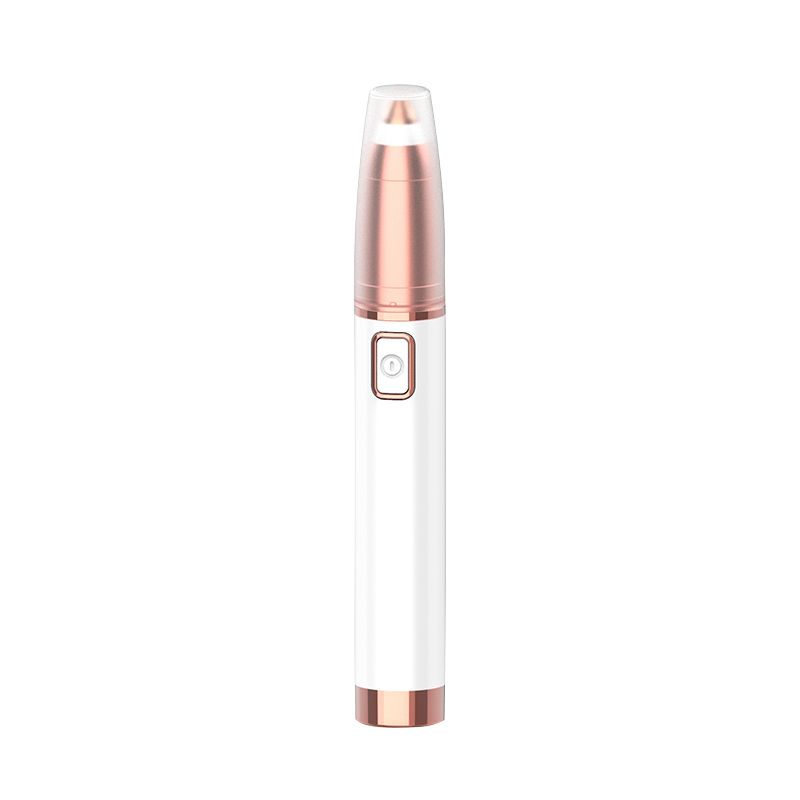
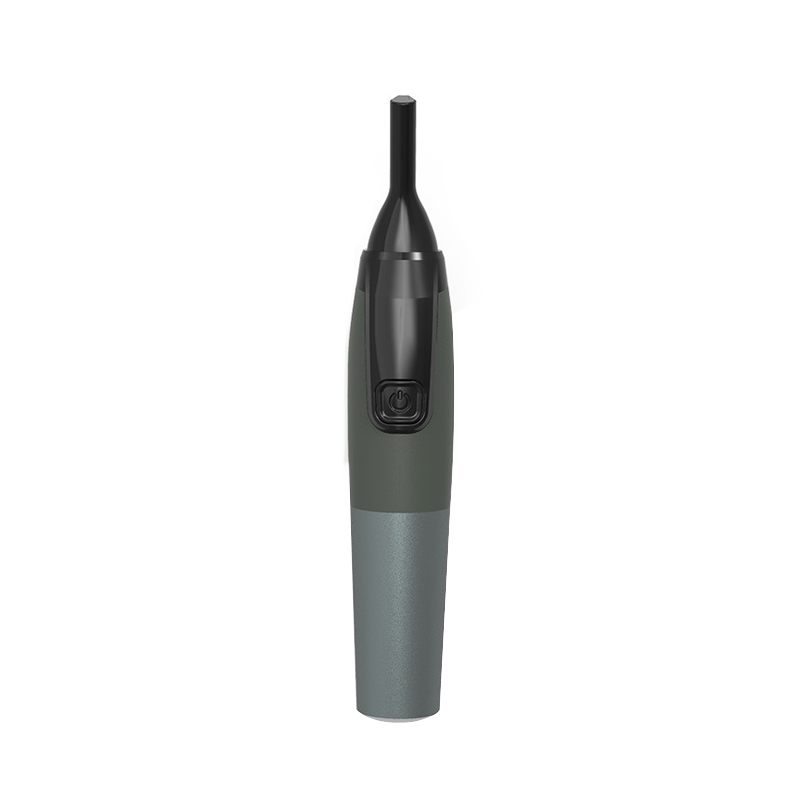
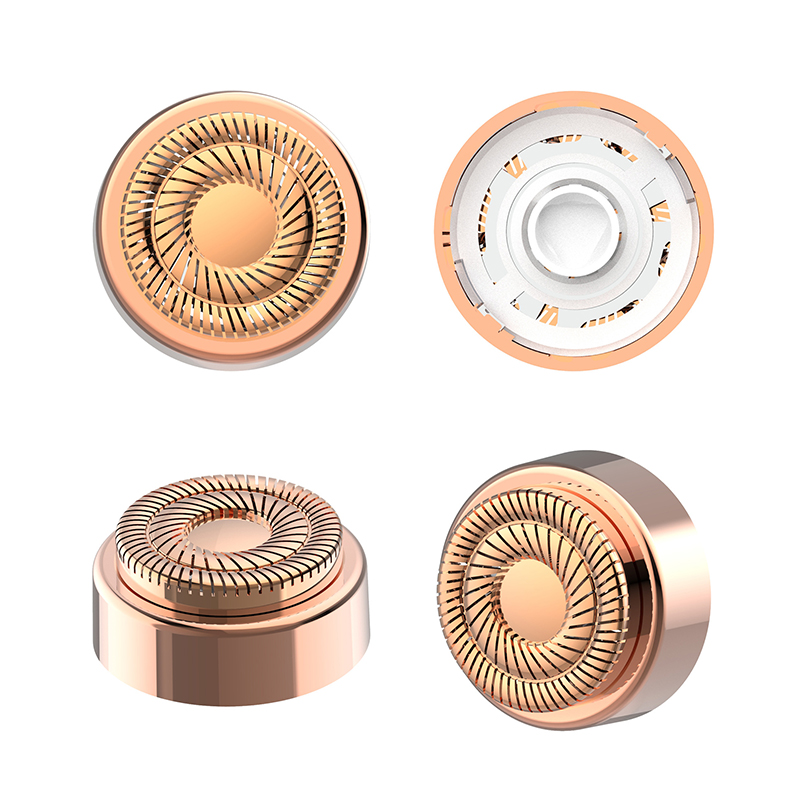
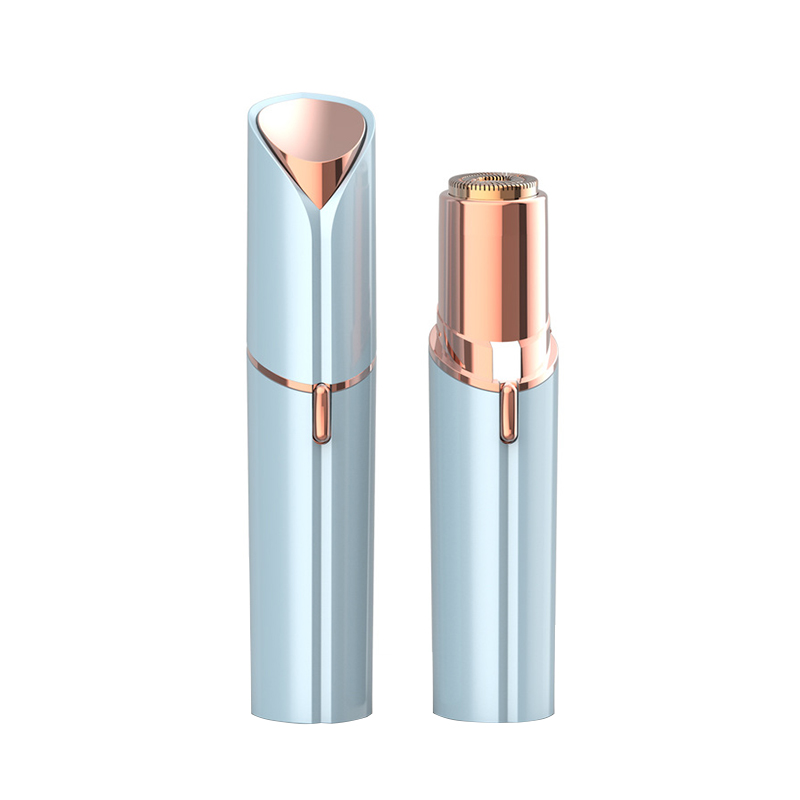
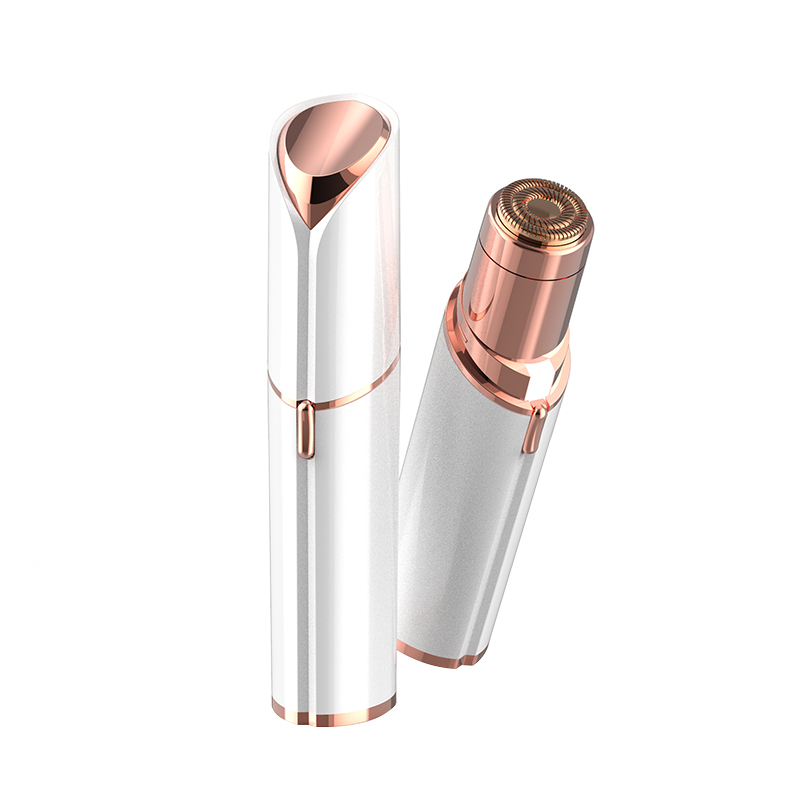
These are the most widely used category. A tiny motor spins or oscillates a metal head at high speed, catching and cutting fine hairs at skin level. They are essentially miniaturized trimmers or shavers designed specifically for the contours of the face — around the upper lip, chin, and jawline. Because they only cut hair at the surface, they are painless and fast, making them suitable for daily touch-ups.
2. Epilators (Facial Epilation Devices)
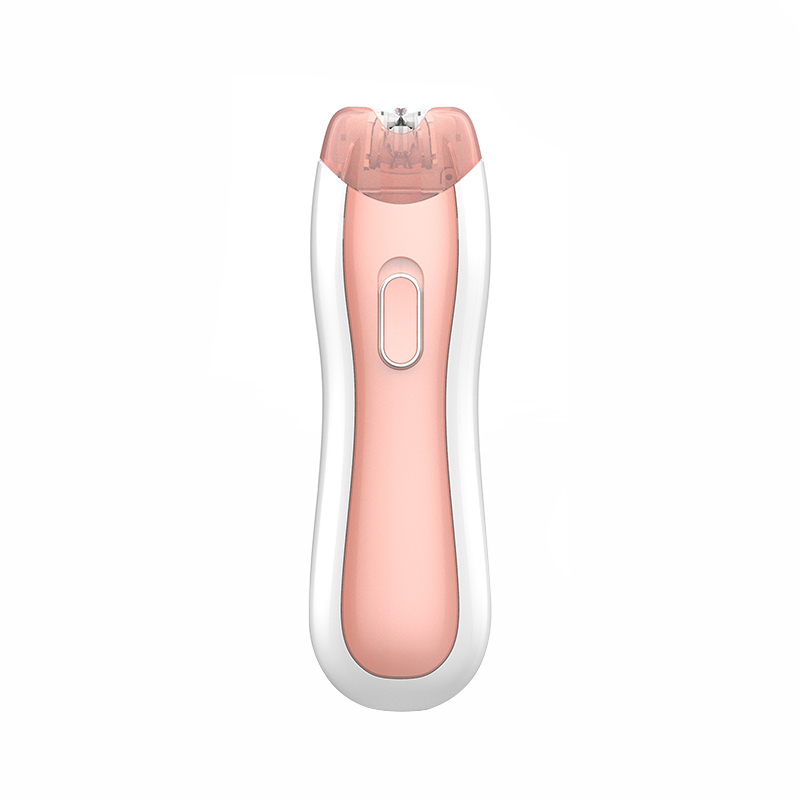
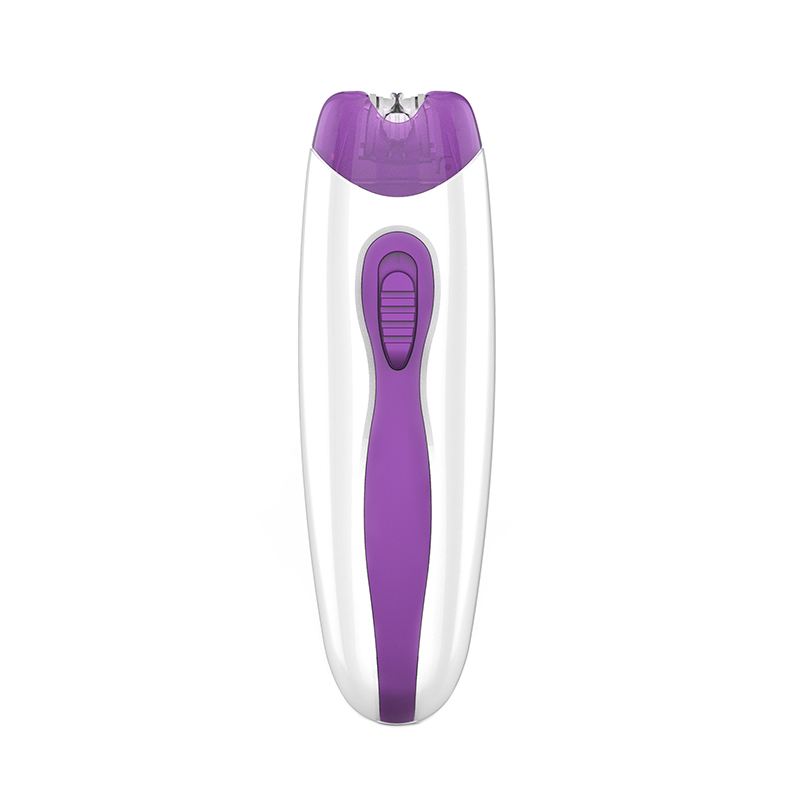
A facial hair remover epilator uses rotating tweezers or discs to grasp and pull multiple hairs from the root simultaneously. Because the hair is removed from the follicle rather than cut at the surface, results last longer — typically two to four weeks. The process can cause mild discomfort, especially on first use, but most users find it becomes less uncomfortable over time as hair regrows finer and sparser.
3. Dermaplaning Facial Hair Removal Tools
Dermaplaning uses a small, single-edge blade held at a specific angle to gently scrape away both fine vellus hair (peach fuzz) and the top layer of dead skin cells. This dual action makes it particularly popular as a skincare and hair removal combination. Professional dermaplaning is performed by estheticians, but at-home facial hair remover dermaplaning devices use a guarded, safety-optimized blade to minimize the risk of cuts.
4. Threading Devices
Traditional threading uses a twisted cotton thread rolled across the skin to trap and pull hairs from the root. Modern automatic threading facial hair removers replicate this motion electronically, making it faster and easier to use at home. Threading is known for its precision — ideal for shaping eyebrows or clearing the upper lip — and because it removes hair from the root, results last one to three weeks.
5. IPL / Laser Facial Hair Removers
Intense Pulsed Light (IPL) and diode laser devices deliver pulses of light energy into the hair follicle. The pigment (melanin) in the hair shaft absorbs the light and converts it to heat, which damages the follicle and inhibits future growth. These are the only facial hair remover technologies that offer long-term — and potentially permanent — hair reduction. They require multiple sessions, typically six to twelve treatments spaced two weeks apart, for maximum effectiveness.
6. Depilatory Creams (Chemical Facial Hair Removers)
Chemical-based facial hair removers use active ingredients such as thioglycolate to break down the keratin protein structure of the hair shaft, causing it to weaken and dissolve at the skin surface. They are applied for a few minutes and then wiped away. While convenient, formulations used on the face must be specifically labeled as safe for facial skin, as the more concentrated body formulas can cause irritation.
Facial Hair Remover Comparison: Which Type Is Right for You?
The table below compares the six main types across the most important factors:
| Type | Mechanism | Pain Level | Results Duration | Safe for Daily Use? | Best For |
| Electric Trimmer/Rotary | Cuts at surface | None | 1–3 days | Yes | Quick daily touch-ups |
| Epilator | Pulls from root | Mild–Moderate | 2–4 weeks | No | Longer-lasting smoothness |
| Dermaplaning | Blade exfoliation | None | 1–3 weeks | No (1–2×/month) | Peach fuzz + skin texture |
| Threading Device | Twists & pulls root | Mild | 1–3 weeks | No | Eyebrows, upper lip precision |
| IPL / Laser | Light damages follicle | Mild–Moderate | Months–Permanent | No (every 2 weeks) | Long-term reduction |
| Depilatory Cream | Dissolves hair protein | None | 3–7 days | No (max 2×/week) | Sensitive-skin areas |
Is a Facial Hair Remover Safe for Daily Use?
The safety of daily use depends entirely on the type of facial hair remover in question. Here is a clear breakdown:
Safe for Daily Use
- Electric rotary trimmers and oscillating shavers — These devices only cut at the skin surface and cause no trauma to the follicle or dermis. They are designed for daily use without risk of irritation when used on dry or clean skin.
- Precision facial razors (single-blade safety razors) — When used with proper technique and clean blades, these are safe for daily use and are gentle enough for sensitive skin.
Not Recommended for Daily Use
- Epilators — Daily use can cause follicle irritation, ingrown hairs, and redness. Most dermatologists recommend waiting at least two weeks between sessions.
- Dermaplaning tools — Over-exfoliating the skin with a blade can damage the skin barrier, leading to sensitivity, redness, and breakouts. Limit to once every two to four weeks.
- Depilatory creams — The active chemicals in these creams are mildly caustic. Daily use will strip the skin's natural acid mantle and cause persistent irritation.
- IPL/Laser devices — These are treatment-based technologies, not maintenance tools. Following the treatment schedule recommended in the device manual is essential for both safety and efficacy.
Best Facial Hair Remover by Skin Type
Choosing the right facial hair remover for your skin type is just as important as the technology itself. Here's a guide:
| Skin Type | Recommended Facial Hair Remover | Avoid |
| Sensitive | Electric rotary trimmer, precision razor | Depilatory cream, epilator |
| Oily / Acne-prone | Electric trimmer, IPL | Dermaplaning (can spread bacteria), thick creams |
| Dry / Mature | Dermaplaning (dual benefit), electric trimmer | Epilator (risk of sagging skin trauma) |
| Normal / Combination | Any type based on preference | Overuse of any single method |
| Dark Skin Tones | Threading, electric trimmer, epilator | IPL (less effective on dark pigment; risk of burns) |
How to Use a Facial Hair Remover Safely: 8 Essential Tips
- Always patch test first. Before introducing any new facial hair remover, test on a small area such as behind the ear or on the inner wrist to check for adverse reactions.
- Cleanse your skin before use. Remove makeup, oils, and skincare products. Clean skin allows for better contact, reduces the risk of infection, and improves device performance.
- Keep the device clean. After every use, clean the device head with the provided brush or rinsing attachment. Bacteria and dead skin cells accumulate quickly and can cause breakouts.
- Follow the direction of hair growth. For most facial hair remover devices, moving in the direction of hair growth reduces irritation and minimizes the risk of ingrown hairs.
- Do not apply pressure. Let the device do the work. Pressing hard against the skin can cause micro-abrasions, particularly with rotary and dermaplaning tools.
- Moisturize after treatment. A gentle, fragrance-free moisturizer helps restore the skin barrier after hair removal. Avoid active ingredients like retinol or AHAs immediately after use.
- Replace heads and blades regularly. Dull blades tug instead of cut, which increases irritation. Replace consumable parts according to the manufacturer's schedule.
- Avoid sun exposure immediately after. Freshly treated skin is more sensitive to UV radiation. Apply SPF 30 or above when going outdoors after any hair removal treatment.
Myth vs. Fact: Common Misconceptions About Facial Hair Removers
| Myth | Fact |
| Shaving or using a facial hair remover makes hair grow back thicker and darker. | Cutting hair at the surface does not change the follicle or hair structure. The blunt tip of a trimmed hair can feel coarser, but actual thickness and color remain unchanged. |
| Facial hair removers are only for women. | Many facial hair remover devices are designed for all genders and are effective for a range of hair types, from fine vellus hair to coarser terminal hair. |
| IPL works on all skin and hair types. | IPL is most effective on light to medium skin tones with dark hair. It is less effective on very light, grey, or red hair and can pose a burn risk for very dark skin tones. |
| At-home facial hair removal devices are not as effective as professional treatments. | At-home devices have improved significantly. When used consistently and correctly, many deliver results comparable to professional treatments, especially electric rotary and threading devices. |
| Depilatory creams are completely painless and safe for all. | While not painful, chemical facial hair removers can cause allergic reactions or chemical burns if left on too long or used on broken/irritated skin. A patch test is mandatory. |
Benefits of Using a Dedicated Facial Hair Remover vs. Body Hair Tools
Using a device specifically designed as a facial hair remover — rather than repurposing body hair removal tools — offers several important advantages:
- Precision head design: Facial devices feature smaller, more contoured heads that navigate curves around the nose, upper lip, and chin without missing areas or causing skin folds to catch.
- Lower intensity settings: Facial skin is thinner and more reactive than skin on the legs or arms. Dedicated devices operate at lower power levels appropriate for delicate tissue.
- Hygienic design: Facial hair remover devices are typically easy to clean and sealed to avoid moisture entry, reducing bacterial buildup near the mouth and nose.
- Gentle materials: Heads and contact surfaces are made from hypoallergenic materials to minimize the risk of reactions on sensitive facial skin.
- Better control and ergonomics: The slim, lightweight build of a facial hair remover allows for close-up mirror work with greater accuracy than bulkier body devices.
Frequently Asked Questions About Facial Hair Removers
Q: Can I use a facial hair remover on my eyebrows?
For eyebrow shaping, threading devices and precision epilators designed for facial use are the safest options. Rotary trimmers should only be used with a brow attachment or guard, as an unguarded blade near the eyes carries injury risk. Dermaplaning is not recommended for eyebrows.
Q: Will a facial hair remover cause ingrown hairs?
Ingrown hairs are most commonly associated with methods that remove hair from the root, such as epilators and threading devices, particularly in people with naturally curly or coarse hair. To minimize this risk, exfoliate gently between sessions and avoid pulling skin taut during treatment. Rotary trimmers and dermaplaning have a very low risk of ingrown hairs.
Q: Is a facial hair remover safe to use during pregnancy?
Electric trimmers, rotary devices, and dermaplaning tools are generally considered safe during pregnancy. However, IPL/laser facial hair remover devices and chemical depilatory creams are generally not recommended during pregnancy due to limited safety data. Always consult your healthcare provider before introducing any new beauty device or product during pregnancy.
Q: How long does it take to see results with an IPL facial hair remover?
Most users notice a visible reduction in hair density after four to six sessions. Significant long-term results typically require eight to twelve treatments, spaced every two weeks. Hair in the active (anagen) growth phase responds best to IPL, which is why multiple sessions are required to treat all follicles at the right stage.
Q: Can I use a facial hair remover on active acne or irritated skin?
No. You should avoid using any facial hair remover on skin that has active acne lesions, open wounds, sunburn, rashes, or significant inflammation. Doing so can spread bacteria, worsen breakouts, and delay healing. Wait until the skin has fully healed before resuming hair removal.
Q: Does a facial hair remover work on grey or blonde facial hair?
Physical methods — electric trimmers, epilators, threading, and dermaplaning — work effectively on all hair colors regardless of pigment. IPL and laser facial hair remover devices, however, rely on melanin to absorb light energy, making them largely ineffective on very light, blonde, grey, or white hair. For light-colored facial hair, non-light-based devices are the better choice.
Q: How do I choose the best facial hair remover for fine peach fuzz?
For fine vellus hair (peach fuzz), dermaplaning is the most effective and recommended method, as it removes the finest hairs while simultaneously exfoliating the skin. Precision electric trimmers also work well. IPL is not effective for vellus hair as it lacks sufficient melanin to absorb the light energy.
Conclusion
A facial hair remover is a safe, effective, and increasingly accessible way to manage unwanted facial hair at home — as long as you choose the right type for your skin and hair profile and follow proper usage guidelines. For daily convenience, electric rotary trimmers and precision shavers are the clear winners. For longer-lasting smoothness, epilators and threading devices deliver excellent results. For those seeking permanent reduction, IPL and laser facial hair removers represent the gold standard.
No matter which method you choose, remember that consistency, hygiene, and post-treatment skincare make the greatest difference in both safety and outcome. Patch test every new device, replace blades and heads on schedule, and always protect freshly treated skin from UV exposure.
With the right facial hair remover and a consistent routine, smooth, confident skin is well within reach.