English
  日本語
日本語
 Español
 Deutsch



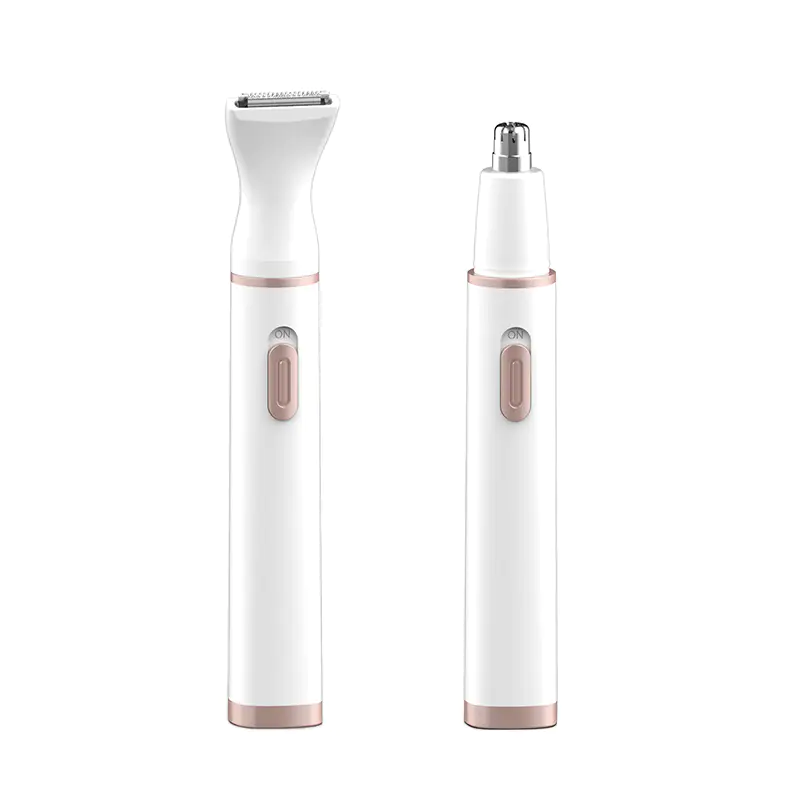
Yes, a woman can use a men's electric shaver. The core cutting mechanism inside a men's electric shaver — either a foil head or a rotary head — is the same technology found in shavers marketed to women. Nothing about the motor or blades makes the device unsafe or unusable for a woman's face, legs, underarms, or bikini area. The real differences between men's and women's electric shavers are in the shape of the shaving head, the angle of the blades, the size of the handle, and the accessories included, not in whether the machine will physically work.
This article breaks down what actually separates a men's electric shaver from a women's model, where a men's shaver performs well or poorly on different body areas, and how to decide whether switching to one makes sense.
Content
- What Is a Men's Electric Shaver
- Key Differences Between Men's and Women's Electric Shavers
- Can a Woman Use a Men's Electric Shaver Safely
- Pros and Cons of a Woman Using a Men's Electric Shaver
- Foil vs Rotary Shavers for a Woman's Use
- Tips for Women Using a Men's Electric Shaver
- When a Dedicated Women's Electric Shaver Makes More Sense
- Frequently Asked Questions
- Summary
What Is a Men's Electric Shaver
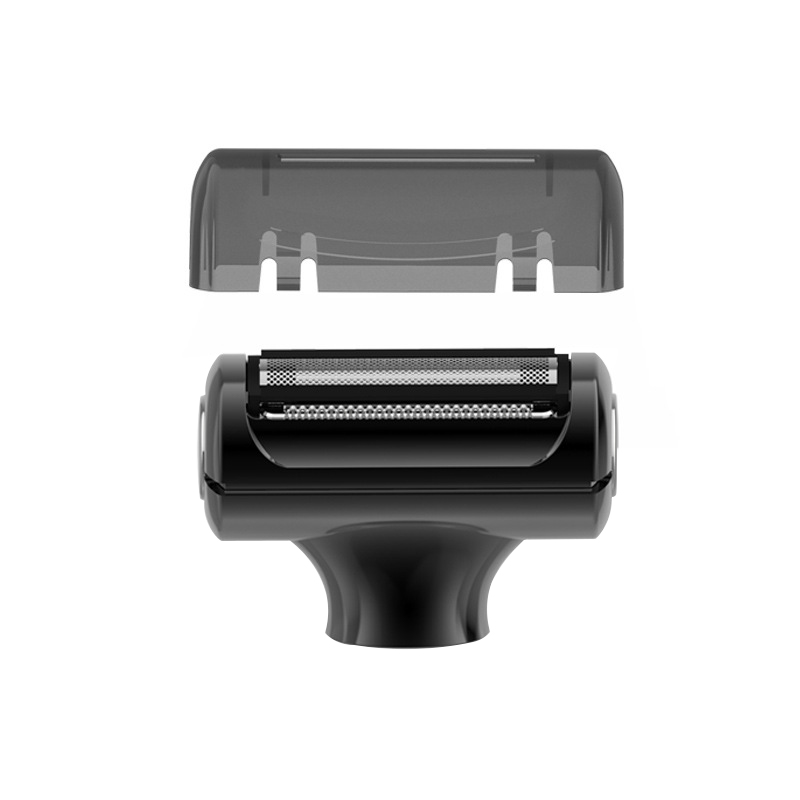
A men's electric shaver is a battery or cord-powered grooming tool built to cut short, coarse facial hair using either a foil cutting system or a rotary cutting system. A foil shaver uses a thin, perforated metal screen with an oscillating blade underneath, while a rotary shaver uses two or three spinning circular blade heads that follow the contours of the face.
Men's shavers are designed around the specific demands of facial hair, which grows in a dense, divergent pattern along the jaw and neck. That design goal shapes the size and firmness of the shaving head, but it does not restrict the device to any one gender of user.
Key Differences Between Men's and Women's Electric Shavers
Men's and women's electric shavers differ mainly in head size, blade angle, and the body areas they are optimized for, not in raw cutting power. The table below summarizes the main distinctions.
| Feature | Men's Electric Shaver | Women's Electric Shaver |
| Primary target area | Face, jaw, and neck | Legs, underarms, bikini line |
| Hair type it is built for | Coarse, dense facial hair | Finer, less stiff body hair |
| Common cutting system | Foil or rotary | Mostly foil |
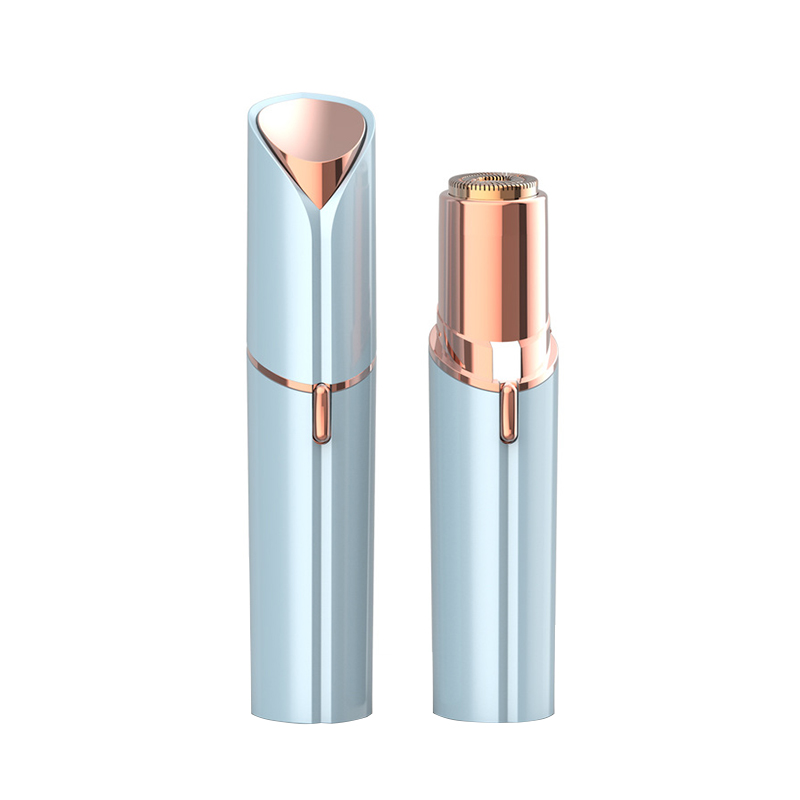
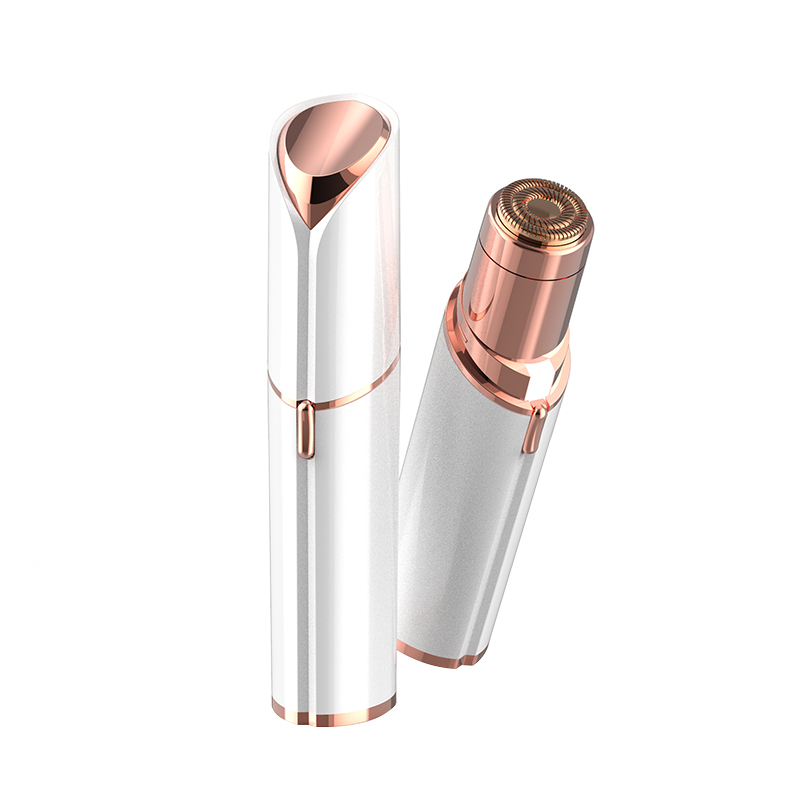
| Head shape | Compact, flatter head for tight facial contours | Larger, rounded head for curved body areas |
| Blade angle | Steeper angle for dense hair | Shallower angle for softer hair |
| Typical price range | USD 35 to 110 or more | USD 23 to 70 or more |
According to a patent filing describing early women's electric shavers, the hair found on the legs and underarms of women is finer and less stiff than the facial hair with which men are concerned, and the skin in the underarm area is more tender and easily irritated than facial skin. This is the technical basis for why women's shavers are tuned differently, not because the underlying motor or blade material is fundamentally different.
Can a Woman Use a Men's Electric Shaver Safely
A woman can safely use a men's electric shaver, but results vary depending on which body area is being shaved. Below is a breakdown by area.
On the Face
A men's electric shaver works exactly as intended when used on facial hair or peach fuzz, since that is the exact use case it was engineered for. There is no functional difference for a woman shaving her face compared with a man doing the same.
On the Legs
A men's electric shaver can shave legs, but the smaller, flatter head is not shaped to follow the curve of a shin, knee, or ankle as easily as a women's shaver head. A larger, rounded head found on women's shavers is generally easier to maneuver around these contours.
On the Underarms and Bikini Area
A men's electric shaver is more likely to cause irritation in the underarm and bikini area because it is built with a steeper blade angle for dense facial hair rather than the shallower angle and gentler pressure needed for tender skin. Women's shavers are specifically tuned for this more sensitive skin.
Pros and Cons of a Woman Using a Men's Electric Shaver
Pros
- Works well for facial hair and peach fuzz — no compromise in performance for this use.
- Often more durable blades — built to handle denser hair, so blades tend to hold an edge longer under regular use.
- Can be cheaper for the same brand tier — some buying guides note women's electric shavers of comparable quality can carry a higher price than a men's equivalent.
- One device for multiple household users — useful for shared bathrooms where a partner already owns one.
Cons
- Harder to maneuver around leg and knee contours — the smaller, flatter head is not shaped for large curved surfaces.
- Higher irritation risk on sensitive skin — steeper blade angles designed for coarse hair can be too aggressive for underarm or bikini skin.
- Rotary heads are less common in women's models for a reason — rotary cutting blade shavers for shaving legs and underarms have historically achieved little commercial success, according to shaver design patent records.
- Fewer body-specific accessories — men's shavers rarely include bikini trimmer combs or leg-shaving attachments.
Foil vs Rotary Shavers for a Woman's Use
Foil shavers are generally the better choice for a woman shaving body hair, while rotary shavers are more associated with facial hair maintenance. The table below compares how each performs for typical female shaving needs.
| Cutting System | Best Hair Type | Closeness of Shave | Best For |
| Foil | Fine, short hair | Very close and smooth | Legs, underarms, daily facial touch-ups |
| Rotary | Coarse, longer, or curly hair | Close, but less smooth than foil | Facial hair grown out a few days |
Most electric shavers marketed to women use foil heads because, as one grooming guide notes, women's hair tends to be finer than men's, and foil heads deliver the smoother, closer result most women prefer for legs and underarms.
Tips for Women Using a Men's Electric Shaver
- Test on a small area first — try the underarm or bikini line briefly before a full shave to check for irritation.
- Use light pressure — men's shavers are calibrated for coarser hair, so pressing hard is unnecessary and increases irritation risk.
- Shave with the grain first — going against the grain immediately raises the chance of nicks or razor bumps on sensitive skin.
- Clean the head after every use — trapped hair and skin oils reduce cutting efficiency and can cause skin irritation over time.
- Moisturize after shaving — this helps offset the drier finish some men's foil heads leave compared with women's shavers designed with skin conditioning strips.
When a Dedicated Women's Electric Shaver Makes More Sense
A dedicated women's electric shaver is the better choice when a woman regularly shaves large body areas or has sensitive skin prone to irritation. The rounded, larger head design is easier to move over the curves of legs and knees, and the gentler blade angle is built specifically for the underarm and bikini area.
- Frequent leg shaving — the larger, rounded head covers more surface area per stroke.
- Sensitive or reactive skin — women's shavers are tuned for tender areas like the underarm.
- Wet or shower use — many women's electric shavers are built waterproof for use with shaving cream or in the shower, a feature not guaranteed on every men's model.
- Bikini line grooming — dedicated attachments and comb guides are more common on women's models.
Frequently Asked Questions
Will a men's electric shaver damage a woman's skin?
A men's electric shaver will not damage healthy skin on its own, but its steeper blade angle can cause more irritation on sensitive areas like the underarms or bikini line compared with a shaver designed for that purpose.
Are men's electric shaver blades sharper than women's?
No, men's razor and shaver blades are not inherently sharper or higher quality than women's blades. The difference is in blade angle and head shape, which are matched to the hair type and body area each product targets.
Can a man's rotary shaver be used on legs?
A rotary shaver can technically be used on legs, but rotary cutting systems have historically performed poorly on legs and underarms, since the design is optimized for the divergent hair growth pattern of a face rather than the more uniform hair direction on the legs.
Is it cheaper for a woman to buy a men's electric shaver?
In some cases yes, since certain buying guides note that women's electric shavers can carry a higher price point than a comparable men's model from the same brand, a pattern sometimes referred to as gender-based pricing.
Does a men's electric shaver work on dry skin or only with water?
This depends on the specific model rather than the target gender. Some men's electric shavers are wet and dry compatible, while others are dry-use only, so checking the product's water resistance rating matters more than which gender it was marketed toward.
Summary
A woman can use a men's electric shaver without any functional barrier, since the underlying foil or rotary cutting technology is identical across gendered product lines. The practical differences lie in head shape, blade angle, and the body areas each shaver was designed to handle. A men's shaver performs just as well on facial hair as it does for a man, works acceptably on legs with a bit more care around contours, and is more likely to cause irritation in sensitive areas like the underarms or bikini line. Women who regularly shave large body areas or have sensitive skin are generally better served by a shaver built specifically for that purpose.