English
  日本語
日本語
 Español
 Deutsch



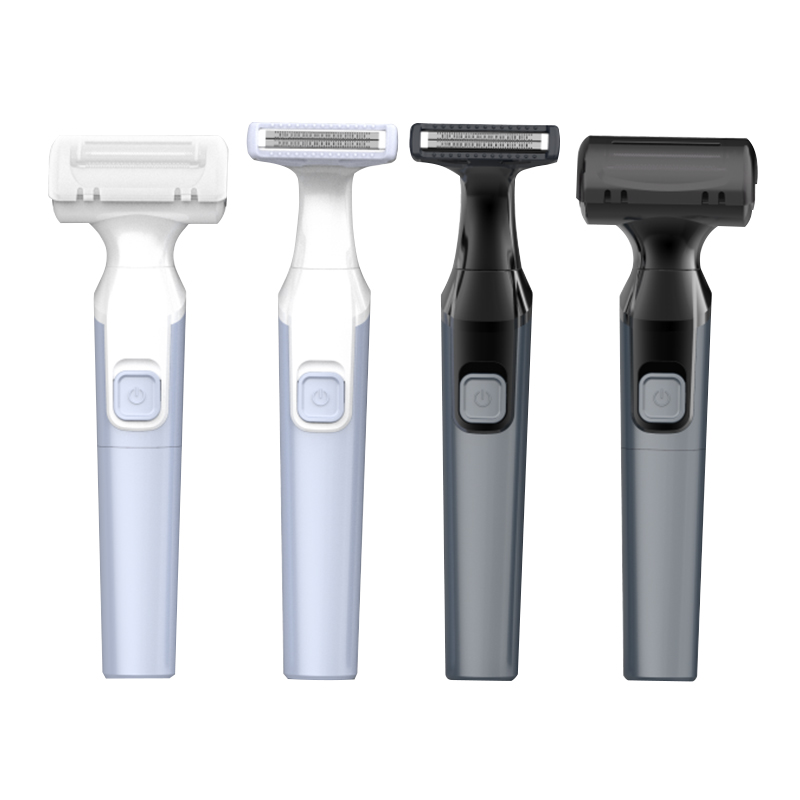
Yes, you can use an electric shaver before laser hair removal — as long as you shave 24 to 48 hours before the session and avoid causing any skin irritation. The key is not the type of shaver itself, but the state of your skin when the laser fires. Laser energy targets the hair follicle beneath the surface; it doesn't care whether the surface hair was cut by a razor blade or a powered shaver. What it does care about is that the skin is clean, dry, and free of fresh cuts, nicks, or redness.
Here is the short answer for most clinics: an electric shaver is acceptable, but manual razor shaving is usually preferred because it leaves the hair shaft almost flush with the skin. If you want a more forgiving option for sensitive skin or travel, a quality electric shaver will do the job too. Just be deliberate about timing and hygiene.
Content
- What Does Shaving Do Before Laser Hair Removal?
- How Far in Advance Should You Shave with an Electric Shaver?
- Step-by-Step Prep Using an Electric Shaver
- Does the Type of Electric Shaver Matter?
- What to Avoid in the Days Before Laser Hair Removal
- Common Concerns and Practical Alternatives
- Maintaining Your Electric Shaver for Laser Prep
- Frequently Asked Questions
- Can I shave a few hours before laser hair removal?
- Does an electric shaver work as well as a razor before laser?
- What happens if you shave too soon before laser?
- Can I use an electric shaver on my face before laser hair removal?
- Should I shave the night before or the morning of?
- Can laser hair removal be done if I didn't shave at all?
What Does Shaving Do Before Laser Hair Removal?
Shaving before laser hair removal is a preparation step, not an optional one. The laser passes through the surface hair and heats the melanin in the follicle. If the hair is too long, the laser energy gets absorbed by the visible hair shaft, producing surface heat, not follicle damage. That means more discomfort, less effective treatment, and sometimes charred hair on the skin.
Shaving leaves just enough hair below the surface for the laser to track, while eliminating the part that would absorb energy above the skin. This is why your provider will ask you to shave 24–48 hours before the appointment. It gives any microscopic cuts time to heal and keeps the skin barrier intact.
How Far in Advance Should You Shave with an Electric Shaver?
The ideal window is 24–48 hours before treatment. If you shave too close to the appointment, the skin can react to the razor's friction; if you shave too early, the hair regrows and the laser has less target to work with.
| Method | Works for laser prep? | Best timing | Main risk |
|---|---|---|---|
| Manual razor | Yes | 24–48 hours before | Cuts and razor burn |
| Electric shaver | Yes | 24–48 hours before | Leaves stubble if not pressed lightly |
| Waxing or plucking | No | Stop 4 weeks before | Removes the follicle target |
| Hair removal cream | No | Stop 2 weeks before | Chemical irritation risk |
An electric shaver is a safe option during this window. It is particularly useful if your skin is prone to redness from a manual blade, because the cutting action is typically less aggressive.
Step-by-Step Prep Using an Electric Shaver
Follow this order for the cleanest result and lowest chance of skin irritation before a laser session.
- Shave 24–48 hours before the appointment, not the same morning.
- Wash the treatment area with a gentle, fragrance-free cleanser and pat dry completely.
- If you have a full-body electric shaver, use the shortest trimmer setting first for longer hair.
- Use a clean, charged shaver with a sharp blade. Do not press hard; let the shaver glide over the skin.
- Rinse the shaver head after the first pass and finish with a gentle cool-water rinse.
- Apply a light, non-irritating moisturizer after shaving, but avoid heavy lotions on the day of treatment.
If you shave the night before, make sure the area is not red, blotchy, or sore when you arrive. Your laser technician can still treat minor shaving redness, but open cuts or active breakouts should be reported.
Does the Type of Electric Shaver Matter?
Yes, but less than you might think. The key features are blade coverage, safety caps, and whether the shaver leaves a clean cut without tugging.
Rotary shavers with rounded, floating heads tend to be gentler on curved areas like the lip and chin. Foil shavers are excellent for larger, flatter surfaces like the legs and arms. Some models are designed specifically for women's body hair with a built-in eyebrow trimmer or a private-area attachment, making them useful for a full treatment plan.
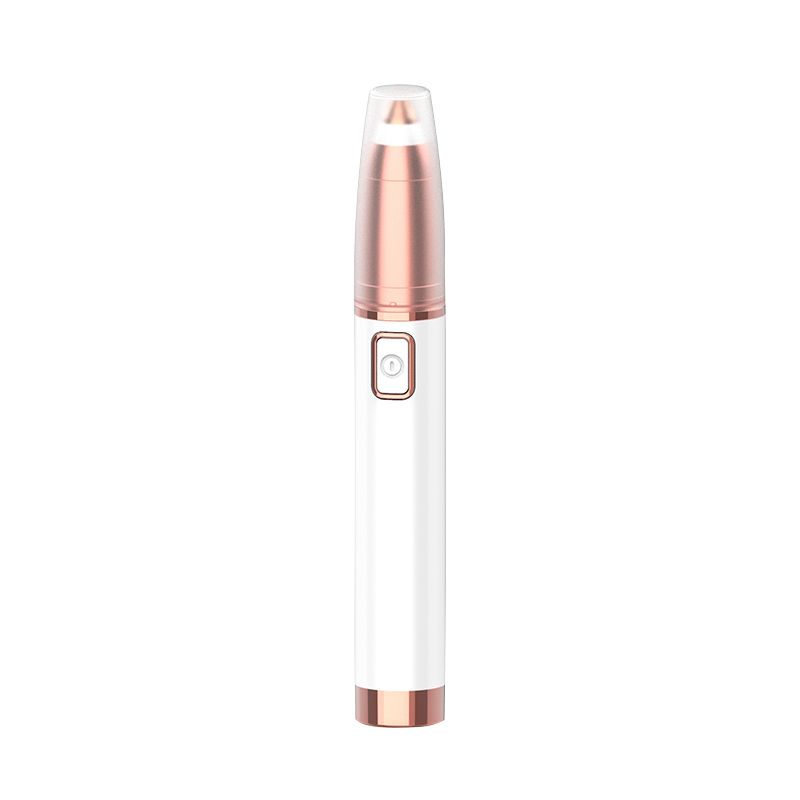
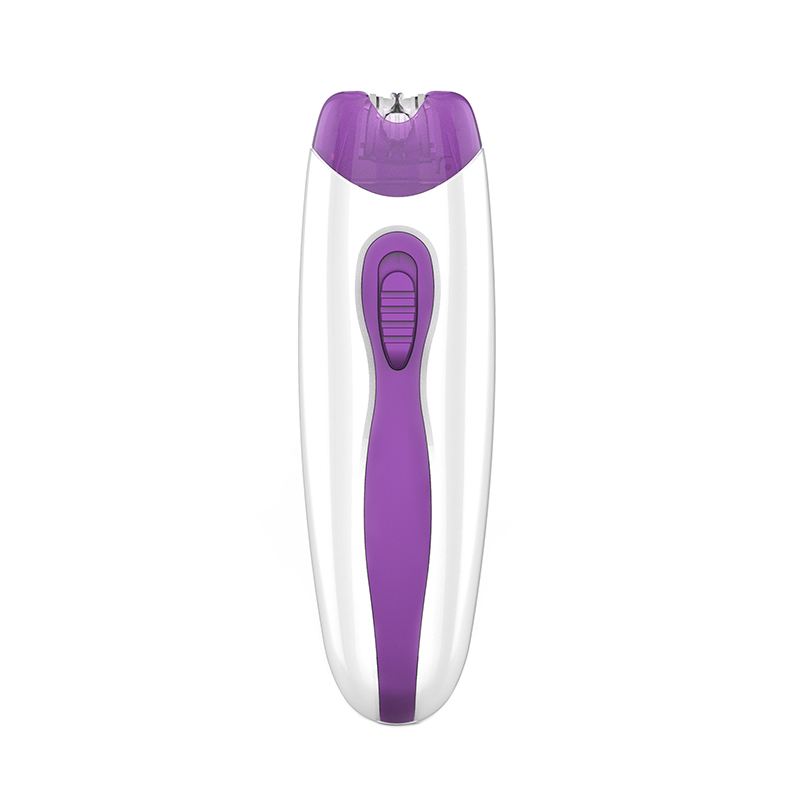
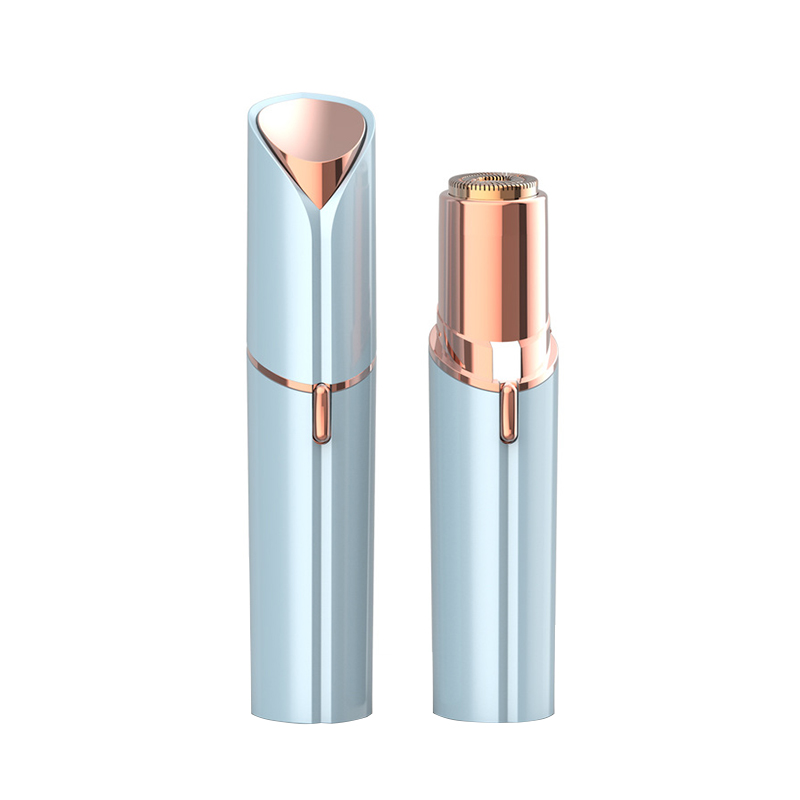 Washable Silent Electric Shaver with 3D Floating HeadThis washable shaver features a dual-cylinder cutter head and 3D floating net for gentle, close shaves on curves. Its silent motor helps reduce stress, and the washable head ensures hygiene for sensitive areas.View Product →
Look for a washable model so you can rinse the head after each use. This matters because residual hair can harbor bacteria and increase the risk of dull blades before your next shave. A shaver with a silent motor also reduces stress when you are preparing sensitive areas.
What to Avoid in the Days Before Laser Hair Removal
Certain habits can sabotage your session, even if you used the right shaver.
- Do not pluck, wax, or use electrolysis for at least 4 weeks before treatment. These methods remove the hair root, which is exactly what the laser needs to target.
- Do not use an electric shaver if you have active acne, sunburn, or a fresh rash in the treatment area. Wait until the skin is clear.
- Avoid alcohol, retinol, and exfoliating acids for 3–5 days before your appointment. They can make the skin more sensitive to laser energy.
- Do not use any hair removal cream in the same 2-week window. The chemicals can leave residue and increase irritation risks.
- Skip caffeine just before the session if you are worried about sensitivity; this is a common clinic recommendation.
If your clinic explicitly discourages electric shavers, ask why. Sometimes they require a very close shave that only a manual razor can achieve. Always follow the instructions of your laser provider first.
Common Concerns and Practical Alternatives
Many people worry that an electric shaver will leave too much hair for the laser. In practice, a modern electric shaver with a quality blade gets close enough, especially if you are shaving 24 hours beforehand.
If you have very coarse, dense hair and your clinic requires a clean-shaven look, use a manual razor instead. If you are on a travel schedule, a compact battery-operated shaver can be a practical backup. The important thing is to keep the blade clean and the skin calm.
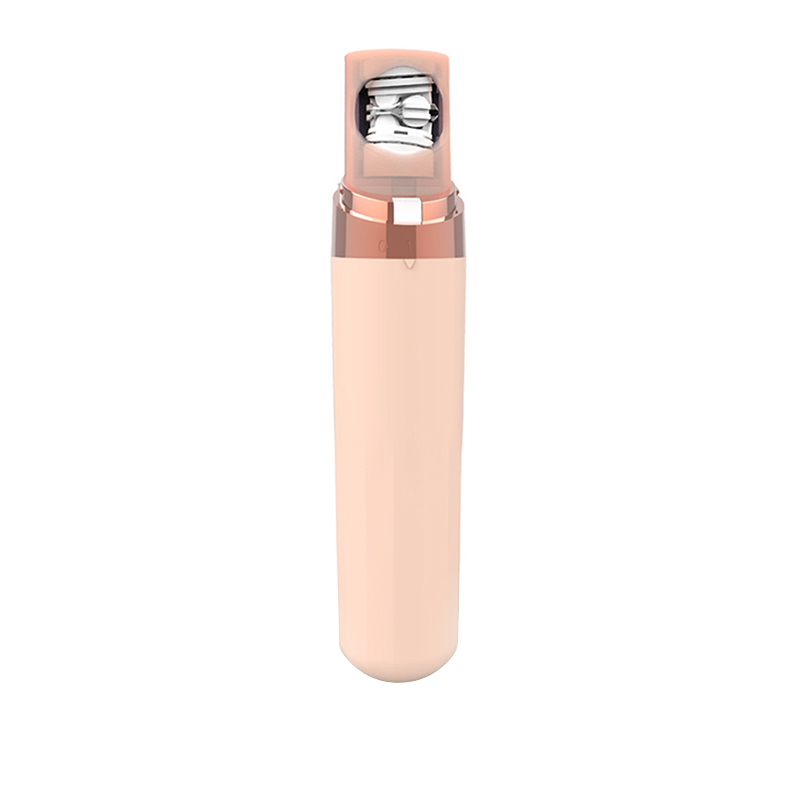
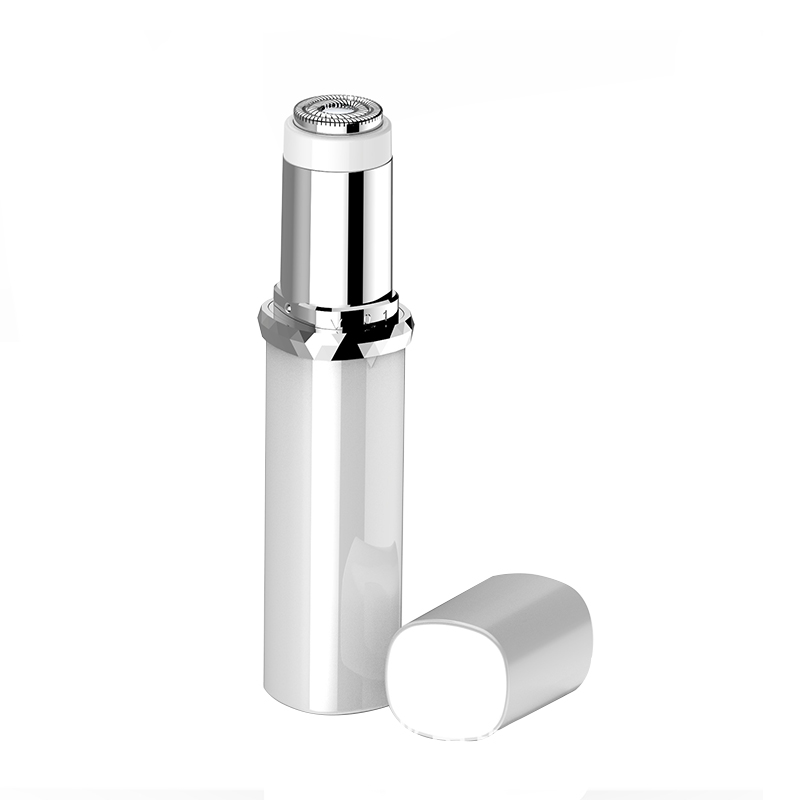 Men's Mini Portable Shaver with Dual-Ring Floating BladeCompact and battery-operated, this shaver is a travel-friendly backup. The dual-ring blade increases contact area for quicker shaving, and a built-in fill light illuminates skin for precise grooming.View Product →
For larger-scale preparation, a multi-function shaver that handles legs, underarms, and even private areas with the same device can simplify your pre-laser routine. This is especially useful if you are preparing multiple body zones for the same appointment.
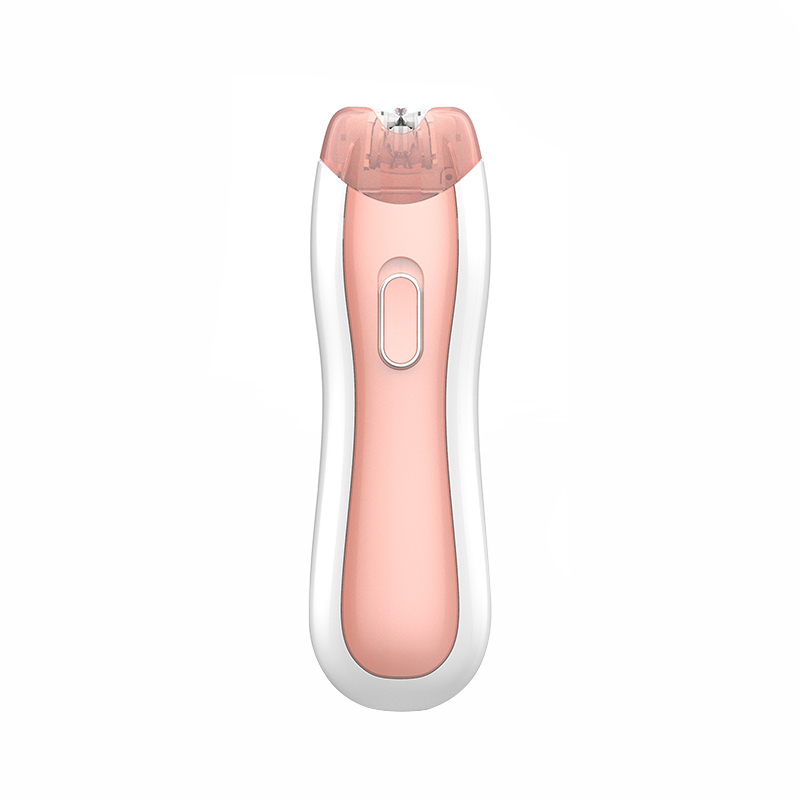
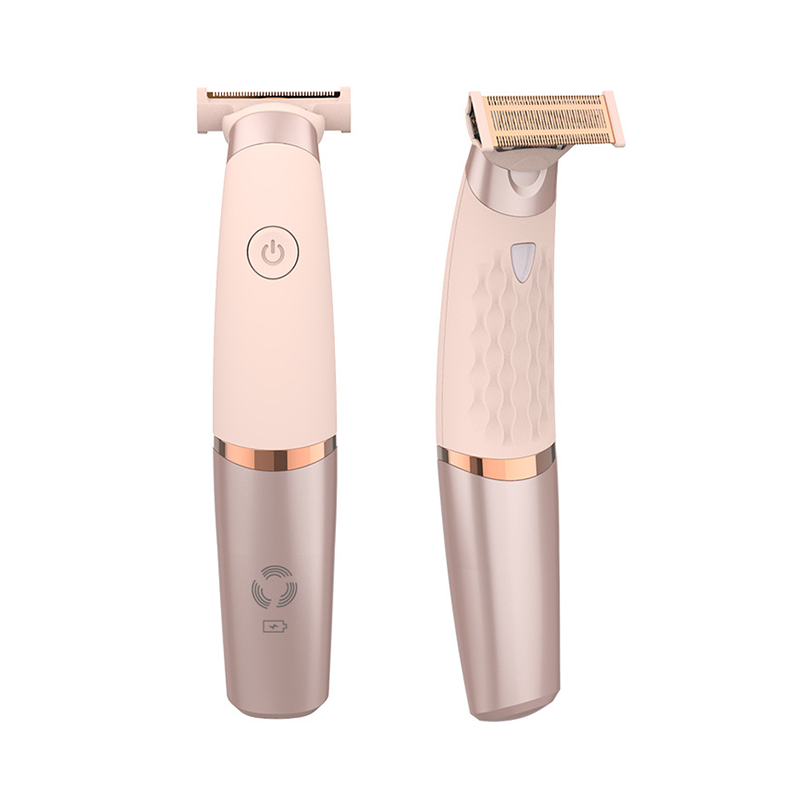 Women's Multifunctional Electric Shaver for Body HairDesigned for multiple body zones, this shaver uses a wrapped blade and 35-degree floating design to protect skin. It features a quiet motor, quick charging, and anti-slip grip, making it suitable for pre-laser preparation.View Product →
Also keep in mind that the quality of the device affects the outcome. A well-engineered shaver built with rounded blades and a washable head will cause less friction and fewer nicks. This is exactly why the manufacturing standards of your shaver matter before a laser session. We've shared more on our consistent production process in this article about our hair remover quality control system.
Maintaining Your Electric Shaver for Laser Prep
A clean blade is just as important as the timing of your shave. If you use an electric shaver on the day you prep for laser hair removal, always rinse the head after every pass.
Regular cleaning prevents bacteria and dead skin from building up. It also keeps the blade sharp enough to cut hair cleanly rather than tugging. For step-by-step instructions, see our guide on how to clean and maintain an electric shaver. A small amount of maintenance goes a long way toward smoother results.
Frequently Asked Questions
Can I shave a few hours before laser hair removal?
You generally shouldn't. Shaving 2–3 hours before can leave microscopic cuts and cause the laser to sting more. A 24–48 hour window is recommended.
Does an electric shaver work as well as a razor before laser?
For most people, yes. It works well enough, especially on the arms, legs, and underarms. For dense facial hair, a manual razor may give a closer cut. Follow your clinic's preference.
What happens if you shave too soon before laser?
You risk skin irritation, redness, and possibly a less comfortable treatment. If you have an obvious cut or rash, your technician may ask you to reschedule.
Can I use an electric shaver on my face before laser hair removal?
Yes, but choose a gentle, compact device. Use light pressure and avoid the lip and chin if you have active acne or sensitivity.
Should I shave the night before or the morning of?
The night before is usually safer. It allows your skin to recover while still leaving the hair shaft at the right length. If your clinic says the morning of is fine, ask about their specific requirements.
Can laser hair removal be done if I didn't shave at all?
No. An unshaven treatment can cause surface hair to singe and absorbs energy away from the follicle. Shaving is a mandatory requirement.
Using an electric shaver before laser hair removal is completely reasonable when you plan ahead. Keep the shaver clean, shave 24–48 hours before the appointment, and leave your skin calm on arrival. If you are ever unsure, ask your laser technician — they know the exact hair length and skin condition that gives the best results.