English
  日本語
日本語
 Español
 Deutsch



Shave your face with an electric razor by starting with clean, dry skin, holding the foil flat against your face at about a 90-degree angle, and moving the shaver slowly, mostly against the direction of beard growth, with light pressure. The razor does the cutting; your job is to control speed, angle, and pressure. Get these three things right and you can avoid razor burn, ingrown hairs, and patchy results.
An electric razor cuts hair with a fast-moving blade behind a thin foil or between spinning cutters, instead of with an exposed blade like a manual razor. Because the cutting edge never touches the skin directly, electric shaving is often gentler on sensitive skin than cartridge shaving, but it rewards a different technique. This guide covers the steps that matter most, from preparation and choosing a razor to technique, cleaning, and aftercare.
Content
- Prepare Your Face Before Every Shave
- Choose the Right Razor for Your Face
- Follow This Shaving Technique for a Close, Smooth Result
- Avoid These Common Mistakes That Cause Razor Burn
- Clean and Maintain Your Razor So It Keeps Cutting
- Care for Your Skin Afterward
- Frequently Asked Questions
- Should I shave my face wet or dry with an electric razor?
- How long should my facial hair be for an electric razor?
- Why does my electric razor pull and tug even after cleaning?
- Can I shave against the grain with an electric razor?
- How do I prevent razor bumps with an electric razor?
- Is an electric razor safe for sensitive skin?
Prepare Your Face Before Every Shave
Preparation determines most of the comfort in an electric shave, and the single most important rule is to work on dry hair unless your unit is explicitly rated for wet shaving.
- Wash your face with warm water to remove oil, dust, and sweat, then pat it completely dry. Clean, dry hair stands upright and feeds into the foil more evenly than damp hair, which clings to the skin.
- Trim hairs longer than about 1 cm before shaving. Electric shavers are designed for stubble, not a full beard; long hair should be shortened with a beard trimmer or a trimmer attachment first.
- Wait a few minutes after a hot shower if your face feels flushed. Heated skin is more sensitive, and shaving right away increases redness.
- Avoid heavy creams or wet-shave pre-shave products before a dry electric shave; they clog the foil and make the cutter drag.
Choose the Right Razor for Your Face
A foil shaver is the easier starting point for facial shaving because its flat head sits naturally against the cheeks and jaw, but the choice between foil and rotary comes down to your beard type and comfort.
| Consideration | Foil shaver | Rotary shaver |
|---|---|---|
| Head shape | Flat foil; straight back-and-forth motion | Two or three circular heads that follow contours |
| Best for | Fine or light stubble, sensitive areas | Coarse or curly hair, rounded jawlines |
| Recommended motion | Short straight strokes | Small circular strokes |
| Typical noise | Generally quieter | Usually louder |
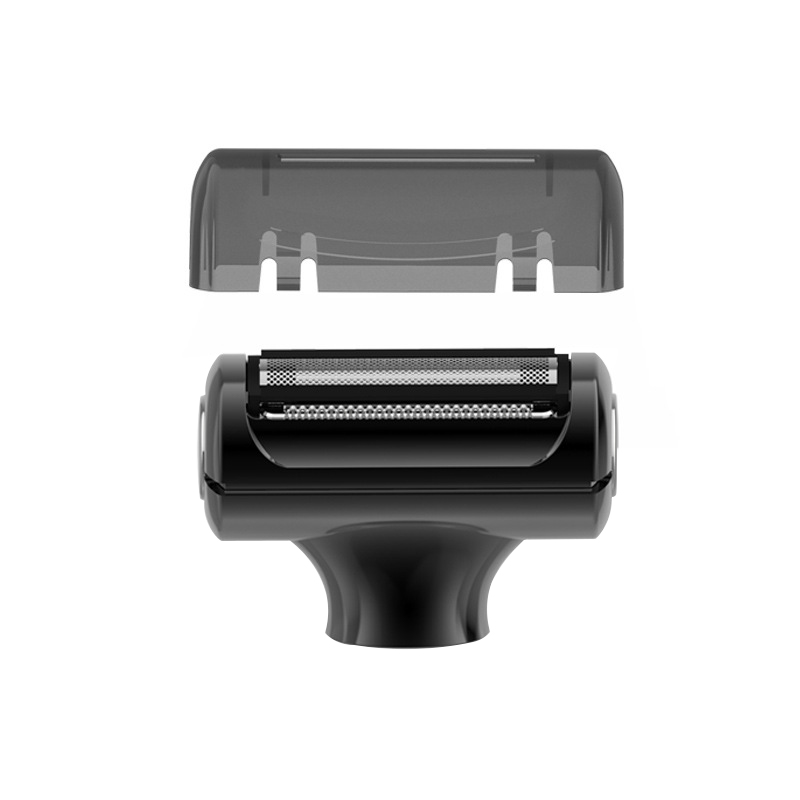
Both types work well when the head is held flush against the skin and moved slowly. If you travel often, a compact body with a standard foil, such as the men's mini portable electric shaver, is easy to carry and quick to use in a hotel bathroom. Whichever format you pick, look for a replaceable foil and cutter, because every foil dulls with use and a new head costs far less than a whole shaver.
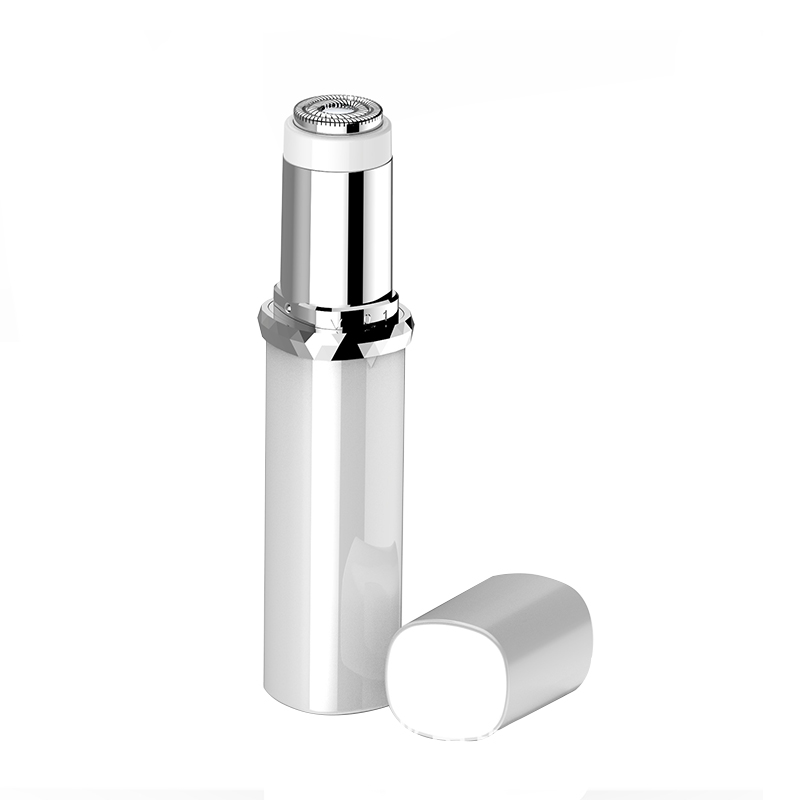 Custom Men's Mini Portable Shaver (SF-1005) Suppliers, OEM/ODM Factory - Yuyao AAs a China Men's Mini Portable Shaver (SF-1005) suppliers and Men's Mini Portable Shaver (SF-1005) factory, Yuyao Aisen Electric Applianc...View Product →
Follow This Shaving Technique for a Close, Smooth Result
The correct electric-shaver technique is slow, light, and mostly straight, with the head held flat so the foil rather than its edge touches the skin.
- Hold the shaver at about 90 degrees to your skin. The flat foil should be the only contact point; tilting it so a corner presses into the skin invites scratches and razor burn.
- Start with a with-the-grain pass to remove the bulk of the hair, then make a second against-the-grain pass if you want a closer finish. Against-the-grain passes give the nearest cut but add irritation risk, especially on the neck.
- Keep the skin taut. Use your free hand to stretch your cheek and pull the neck area slightly flat; a firm surface lets the foil catch more hairs per stroke.
- Move slowly, about two or three seconds per section, and let the cutter do the work. Pressing harder does not cut closer; it pushes the foil into the skin and causes redness and micro-cuts.
- Use short, straight strokes on the cheeks and small circular strokes on the jawline to pick up hairs at different angles.
- Reduce pressure by about half on the neck, where the skin is thinner and more prone to razor burn. Stop if the foil feels warm.
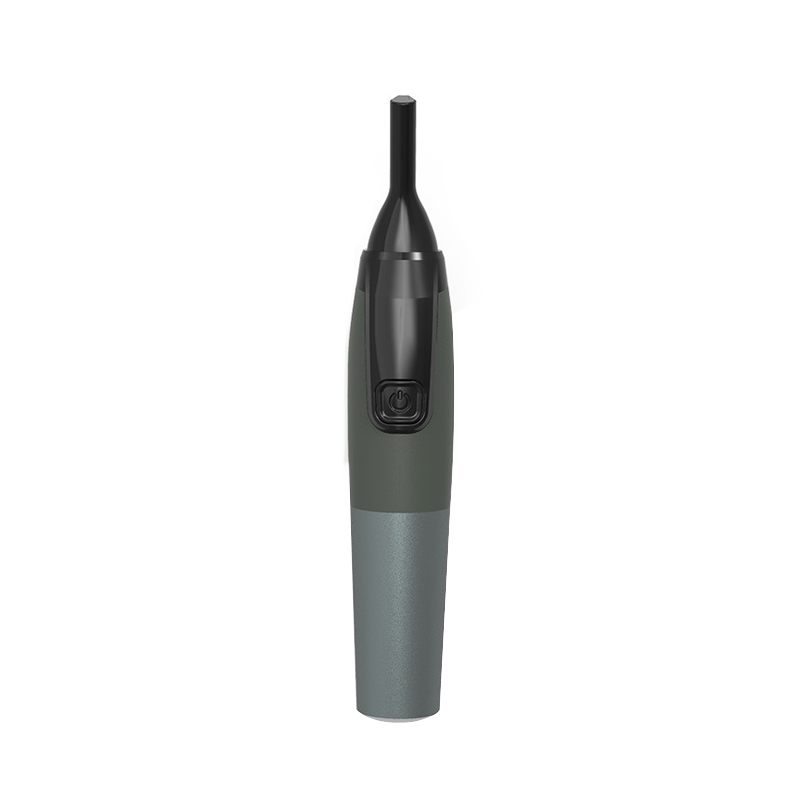
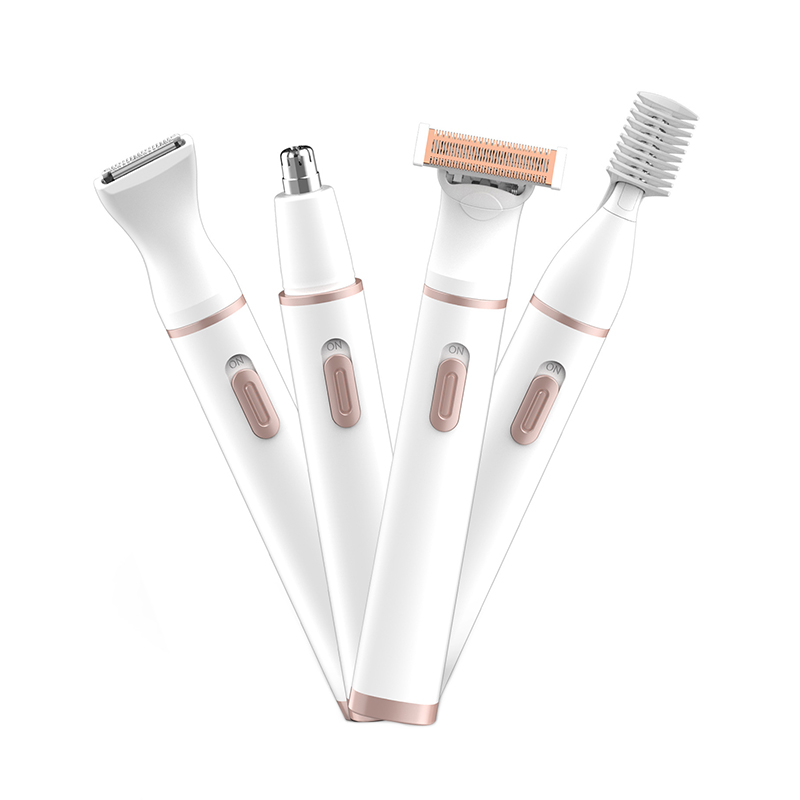
For the edges of a beard, the hair inside the nose, and the area near the eyebrows, use a trimmer attachment instead of forcing the main foil. On a combined unit like the four-in-one multifunctional electric shaver, the nose and eyebrow trimmers handle those touch-ups without pulling the skin.
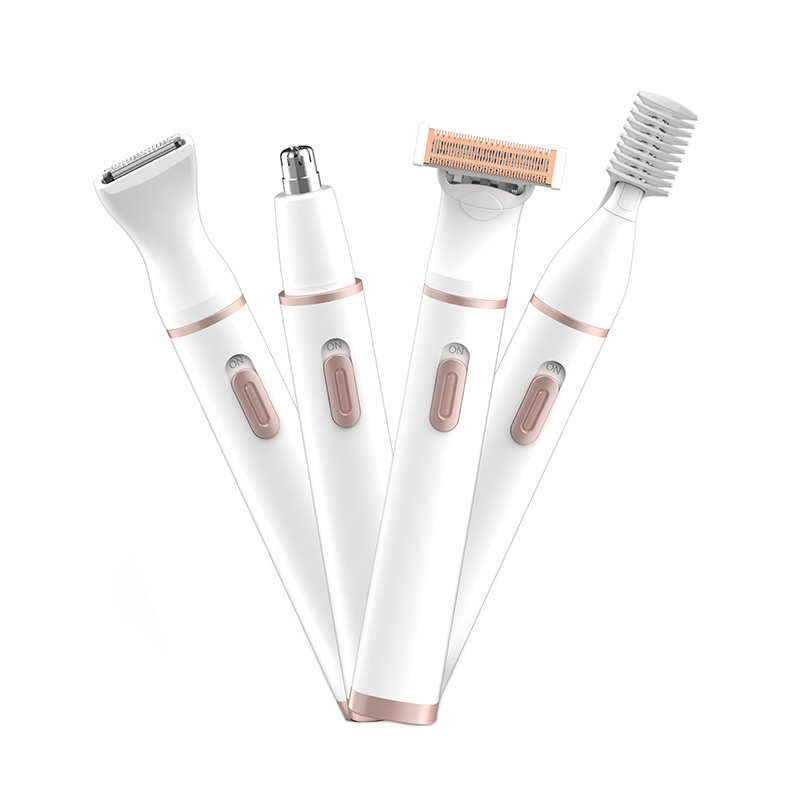 Custom Four-in-one multifunctional electric shaver, eyebrow trimmer, nose hair tAs a China Four-in-one multifunctional electric shaver, eyebrow trimmer, nose hair trimmer and epilator (SF-1007) suppliers and Four-in-o...View Product →
Avoid These Common Mistakes That Cause Razor Burn
Nearly all razor burn from an electric shaver comes from three fixable errors: pressing too hard, moving too fast, and skipping the preparation step.
| Mistake | What happens | How to fix it |
|---|---|---|
| Pressing the shaver hard into the skin | The foil digs in, leaving red marks and micro-irritation | Use light pressure and let the cutter do the work |
| Shaving too quickly | Hairs snag, the result is patchy, and the skin rubs against the foil | Slow to two or three seconds per stroke |
| Shaving in random directions | Hairs are cut at uneven angles and may curl inward as they regrow | Shave with the grain first, then against it |
| Using a dull or oily head | The razor pulls or slips instead of cutting cleanly | Clean the head after each shave; replace parts every 12 to 18 months |
| Skipping the dry-face rule | Moisture makes hair lie flat, so the foil misses hairs and drags more | Wash, dry, and trim long hair before shaving |
Clean and Maintain Your Razor So It Keeps Cutting
A clean foil is a sharp foil. Hair clippings, dead skin, and oil build up between the foil and the cutter within a few shaves, and that film is the main reason an electric razor starts to pull.
- Tap out loose clippings and run the cleaning brush over the foil after every shave.
- Every three to five shaves, rinse the cutting head under warm running water, but only if the model is washable. A design like the washable silent electric shaver
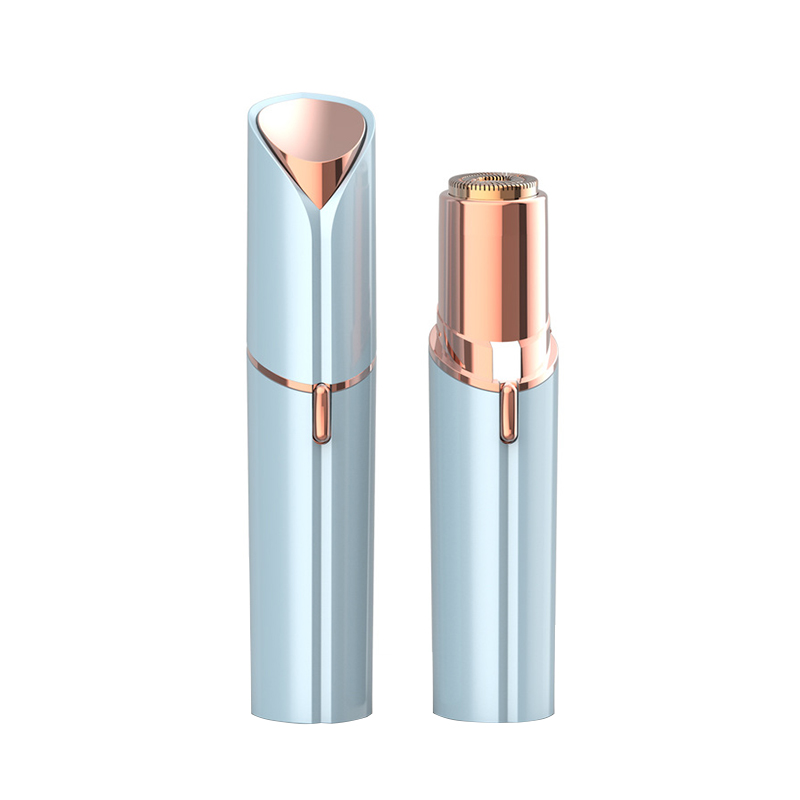 Custom Washable silent electric shaver (SF-1106) Suppliers, OEM/ODM Factory - YuAs a China Washable silent electric shaver (SF-1106) suppliers and Washable silent electric shaver (SF-1106) factory, Yuyao Aisen Electri...View Product → can be rinsed in under a minute and then lubricated with a drop of blade oil.
 - Let the head dry completely before storing the shaver or closing the protective cap. Moisture trapped against the blade can cause corrosion and dull the edge.
- Lubricate the cutter weekly with a single drop of silicone or clipper oil, then run the shaver for a few seconds to spread it.
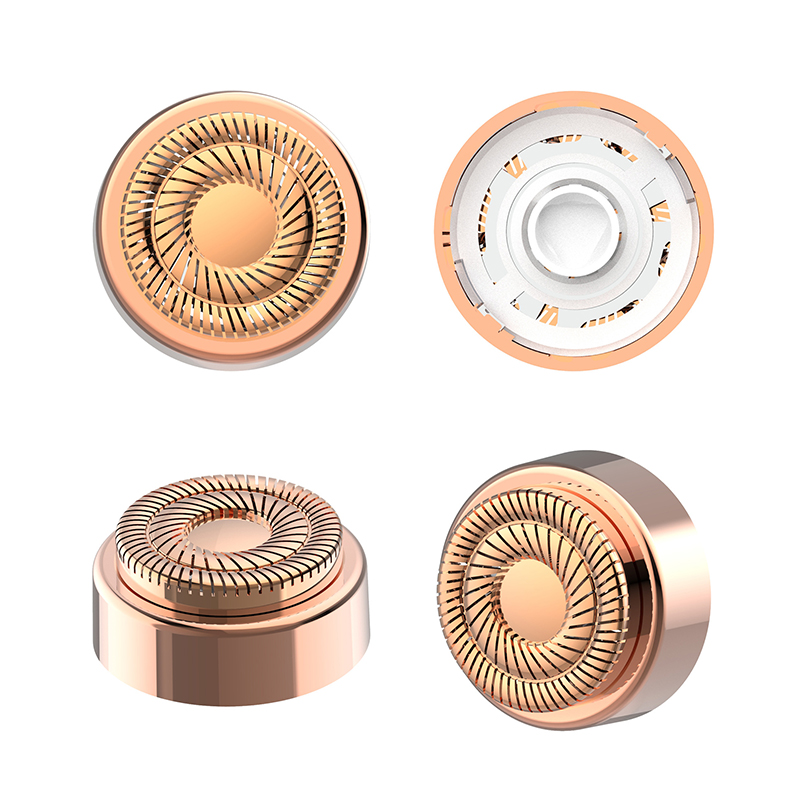
- Replace the foil and cutter when pulling returns after a thorough cleaning, usually every 12 to 18 months for daily use.
For a more detailed maintenance schedule, see how to clean and maintain an electric shaver.
Care for Your Skin Afterward
The ten minutes after shaving decide whether your face feels calm or looks red, so treat the shaved area like freshly exfoliated skin.
- Rinse your face with cool or lukewarm water to remove loose hairs and soothe the skin.
- Apply a light, alcohol-free moisturizer or post-shave balm within a few minutes. It holds water in the skin and prevents the tight feeling.
- Avoid astringent aftershaves with high alcohol content for at least an hour; they sting and dehydrate the shaved surface.
- Protect the face from sun exposure that day, because freshly shaved skin burns more quickly.
- Skip harsh active ingredients such as AHAs or retinol until the next morning if your skin is sensitive.
- Do not re-shave an irritated area for at least 24 hours.
Frequently Asked Questions
Should I shave my face wet or dry with an electric razor?
Shave dry unless the manufacturer explicitly rates the unit as wet and dry. Water makes facial hair lie flat, which reduces the foil's cutting efficiency, so a dry face gives the cleanest pass. Wet-and-dry models are meant for showers with gel or foam and need a different cleaning routine.
How long should my facial hair be for an electric razor?
The ideal length is stubble up to about 1 cm. At this length the hair stands upright and enters the foil slots easily. Longer hair should be trimmed first with a beard trimmer or the shaver's trimmer attachment, because forcing long hair into a foil pulls and hurts.
Why does my electric razor pull and tug even after cleaning?
The most common cause is a worn foil or cutter. Foils and blades have a working life of roughly 12 to 18 months depending on daily use and beard coarseness. When pulling returns after a thorough clean, replace the cutting parts instead of buying a new unit.
Can I shave against the grain with an electric razor?
Yes. Shave with the grain on the first pass, then against the grain on a second pass for a closer finish. Against-the-grain passes increase irritation on the neck, so test a small area first and reduce pressure if the skin stings.
How do I prevent razor bumps with an electric razor?
Razor bumps form when regrowing hair curls back into the skin. Keep the foil sharp and clean, shave in the direction of growth on sensitive areas, avoid pressing hard, and use a moisturizer after shaving. If bumps persist, skip shaving for a day or two and let the area recover.
Is an electric razor safe for sensitive skin?
Yes, it is usually safer than a manual razor because the blade never contacts the skin directly. The biggest variable is technique: light pressure, a clean head, and a short pass count more than the price of the unit. Start with a single with-grain pass and add passes gradually as your skin adapts.
Reliable shaving comes from repeatable habits: prepare the face, move slowly, keep the head clean, and protect the skin afterward. Each of these steps matters more than any single feature on the razor.
The same principle applies on the manufacturing side. Consistent foil tension and cutter tolerances are what stop a shaver from developing hot spots over its lifetime. As a manufacturer of electric shavers and facial trimmers, we build this guide's assumptions into the products we design for our customers. If you are sourcing grooming devices for a brand, you can talk to our manufacturing team about specifications, OEM, and ODM programs.