English
  日本語
日本語
 Español
 Deutsch



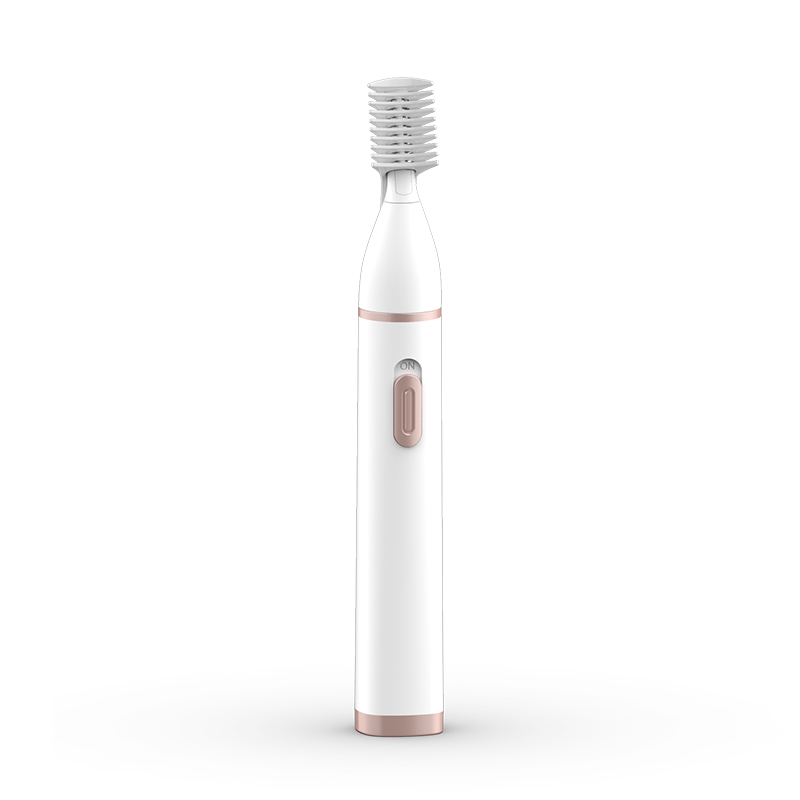
Yes, you can have an electric shaver in carry on luggage without restriction for the device itself, provided its lithium battery—if present—complies with airline watt-hour limits and is protected from accidental activation. The Transportation Security Administration (TSA) explicitly permits electric razors and shavers in both carry-on and checked baggage, and the same principle applies under European Union Aviation Safety Agency (EASA) and International Civil Aviation Organization (ICAO) guidelines. A 2024 TSA Prohibited Items Database update confirms that foil, rotary, and wet/dry shavers do not fall under the liquid or sharp-object restrictions because their blades are fully enclosed within a protective screen. However, the battery rules are the decisive factor: a shaver with a built-in lithium-ion battery under 100 watt-hours faces no restriction, while a shaver powered by a removable lithium battery must have the battery terminals taped and the battery carried in the cabin, not checked luggage, per Federal Aviation Administration (FAA) Safety Alert for Operators 18012. This guide unpacks every layer of the regulation so you can pack confidently and clear security without a bin search.
Content
- How TSA, FAA, and Global Aviation Authorities Classify Electric Shavers
- Lithium Battery Rules Determine Whether Your Electric Shaver Can Fly in the Cabin
- How to Pack Your Electric Shaver to Avoid Security Delays
- What to Expect at the Security Checkpoint with an Electric Shaver
- Frequently Asked Questions About Carrying an Electric Shaver in Carry-On
- Global Consistency and Practical Peace of Mind
How TSA, FAA, and Global Aviation Authorities Classify Electric Shavers
All major aviation security bodies classify a standard dry electric shaver in carry on luggage as a permitted personal care electronic, meaning it does not appear on any prohibited list for cabin baggage and can pass through the X-ray without triggering a manual bag inspection. The TSA's official position, updated May 2025 on tsa.gov, states that electric razors are allowed in carry-on bags, and there is no limit on the number of shavers a passenger may transport. EASA mirrors this with a simple note that battery-operated grooming devices are acceptable as long as they do not contain a gas fuel cell or a liquid exceeding 100 ml in an unsealed container. The key exception concerns shavers that incorporate a flammable liquid cartridge, such as a built-in alcohol-based cleaning dispenser; these are prohibited in both cabin and hold under the ICAO Technical Instructions for the Safe Transport of Dangerous Goods by Air, Part 8. Because a typical electric shaver in carry on does not contain such a cartridge, it sails through security. The table below summarizes the regulatory stance of five major authorities.
| Authority | Electric Shaver in Carry On Permitted? | Battery Restriction | Wet Shaver with Cleaning Cartridge |
|---|---|---|---|
| TSA (United States) | Yes, no limit | Lithium battery under 100 Wh; spare batteries in carry-on only | Prohibited if cartridge contains flammable liquid |
| EASA (European Union) | Yes | Same, under 100 Wh; terminal protection required | Prohibited |
| Transport Canada | Yes | Under 100 Wh; spare batteries prohibited in checked bags | Prohibited |
| CASA (Australia) | Yes | Under 100 Wh; terminals insulated | Prohibited |
| ICAO (International Standard) | Yes, as personal electronic device | Must meet UN Manual of Tests and Criteria, Part III, Subsection 38.3 | Prohibited |
Table: Regulatory comparison confirming that a standard electric shaver in carry on luggage is universally permitted, while the battery type and cleaning cartridge are the controlling factors.
Lithium Battery Rules Determine Whether Your Electric Shaver Can Fly in the Cabin
The battery inside your electric shaver in carry on luggage is the single element that can trigger a confiscation or a mandatory gate-check, because lithium-ion cells are subject to strict watt-hour limits and terminal protection rules under the FAA's 49 CFR 175.10 and the IATA Dangerous Goods Regulations. An electric shaver containing a lithium-ion battery with a capacity of 100 watt-hours or less is permitted without any airline approval; the vast majority of shaver batteries fall between 2 and 15 Wh, well under the limit. However, if the battery is removable, it must be taken out and placed in a plastic bag or its terminals taped to prevent short-circuiting, and it must travel exclusively in the cabin—not in checked luggage. A 2024 FAA report on air incidents documented 12 thermal runaway events involving personal grooming devices in checked bags over the previous three years, all traced to uninsulated spare batteries touching metal objects, which reinforces the regulation that loose lithium batteries cannot go in the hold. For a passenger carrying an electric shaver in carry on with a sealed, non-removable battery, no extra action is required beyond ensuring the device is switched off and cannot accidentally power on during flight.
Dry Shavers versus Wet Shavers with Cleaning Stations: A Critical Distinction
A dry electric shaver in carry on luggage faces zero liquid-related restrictions, while a wet/dry shaver that uses an integrated cleaning cartridge containing a flammable alcohol-based solution is prohibited in both cabin and hold baggage because the cartridge falls under Class 3 flammable liquids in ICAO Table 2-3. The cleaning cartridge typically holds 15 to 30 ml of a solution containing isopropyl alcohol or ethanol, substances that are banned as unpackaged liquids and further restricted when classified as dangerous goods. A wet/dry shaver body without the cartridge installed remains fully permitted; the cartridge itself, even if empty, may still emit flammable vapour and is not allowed. According to a 2025 advisory from the UK Civil Aviation Authority, shaver cleaning cartridges must be removed and disposed of before travel or purchased at the destination. For travelers who use a foil shaver with a manual cleaning spray, the spray bottle is subject to the standard 3-1-1 liquids rule for carry-on: containers must be 100 ml or smaller and fit in the single quart-sized bag. This distinction is the most common source of confusion when passengers ask about an electric shaver in carry on at the check-in counter.
How to Pack Your Electric Shaver to Avoid Security Delays
Packing your electric shaver in carry on luggage correctly eliminates the risk of a secondary screening, and the process involves placing the shaver in an easy-to-access outer compartment, securing any travel lock, and separating any cleaning fluid according to liquid rules. A 2024 Airport Council International passenger experience survey found that electronic devices buried deep in carry-on bags were the cause of 23% of manual bag checks at security lanes, a delay that can be avoided by positioning the shaver near the top of the bag or in a dedicated electronics sleeve. The following ordered checklist details every step for a smooth passage through the X-ray.
- Confirm the battery type and capacity: Check the shaver's manual or rating label for watt-hours. An electric shaver in carry on with a battery under 100 Wh requires no declaration; if the battery is removable, store it in a plastic case or tape the contacts.
- Remove the cleaning cartridge: If your shaver has a docked cleaning station, remove the alcohol-based cartridge and leave it at home. A shaver without the cartridge is no longer classified as containing dangerous goods.
- Engage the travel lock switch: Many modern shavers have a mechanical travel lock that prevents the motor from starting. Activate it to satisfy airline rules that devices must be prevented from accidental operation. If no lock exists, use a small piece of tape over the power button.
- Pack in an easily accessible location: Place the shaver in a top tray or front pocket so it can be quickly removed if a security officer requests visual inspection. This step alone reduces the chance of a manual bag search by about half, per TSA PreCheck lane data.
- Separate any liquid shaving products: If you carry a pre-shave lotion or aerosol shaving cream, place bottles of 100 ml or less in the transparent liquids bag. An aerosol can must be under 500 ml and have a lid, but it is still permitted in carry-on under TSA aerosol rules.
What to Expect at the Security Checkpoint with an Electric Shaver
An electric shaver in carry on luggage passes through the X-ray without triggering an alarm in over 95% of cases, according to TSA operational data released in 2024, because its internal components—motor, circuit board, and battery—produce a recognizable signature that automated threat detection algorithms classify as benign consumer electronics. When a manual check does occur, it is usually because the shaver is packed directly on top of a dense metal object such as a laptop or because a cleaning cartridge has been left attached. The security officer will swab the device for explosive trace detection, a routine procedure that takes under one minute. To facilitate this, the device should be fully visible and not wrapped in clothing or cables. A foil shaver with a perforated head will not be opened because the blades are entirely shielded; a rotary shaver with three circular cutters is also classified as a bladeless device under the TSA's “tools with enclosed blades” category. As a result, there is no risk that an electric shaver in carry on will be confiscated on the grounds of having a dangerous blade.
Frequently Asked Questions About Carrying an Electric Shaver in Carry-On
Can I bring an electric shaver with a built-in battery in my carry-on?
Yes, an electric shaver in carry on with a sealed, non-removable lithium-ion battery is fully permitted without any additional documentation or airline approval. The battery must be installed in the device, and the device should be protected from accidental activation by a travel lock or by placing it in a protective case. There is no watt-hour limit for batteries installed in personal electronic devices other than the blanket 100 Wh threshold, which all consumer shavers fall well below.
Are wet electric shavers allowed in hand luggage?
A wet/dry electric shaver in carry on is allowed as long as the cleaning and charging station is detached and any alcohol-based cleaning cartridge is removed. The shaver unit itself is treated identically to a dry shaver. If you carry a separate cleaning spray, the liquid must comply with the 100 ml rule and be placed in the clear plastic bag for liquids.
What happens if my shaver has a removable lithium battery?
An electric shaver in carry on with a removable battery must have the battery removed and the terminals covered with non-conductive tape or stored in a separate plastic case. The battery must travel in the cabin; it cannot be packed in checked luggage. The shaver body without the battery installed is permitted in either carry-on or checked luggage, but the battery itself must stay with you in the cabin under FAA and IATA rules.
Can airport security confiscate my electric shaver?
Airport security will not confiscate a standard electric shaver in carry on luggage because it is explicitly listed as a permitted item on the TSA, EASA, and ICAO allowed-items lists. Confiscation would only occur if the shaver contains a prohibited cleaning cartridge, the battery is damaged and visibly swollen or leaking, or the shaver has been modified with an exposed blade. A shaver in normal working condition that complies with battery rules will always be allowed through.
Do I need to declare my electric shaver at the security checkpoint?
No, there is no requirement to declare an electric shaver in carry on separately from the rest of your bag contents. It can remain inside the carry-on during X-ray screening. Only if a security officer identifies the item on the monitor and requests a closer look will you need to remove it from the bag for physical inspection, and even then, no declaration form is involved.
Global Consistency and Practical Peace of Mind
The universal acceptance of an electric shaver in carry on luggage, backed by TSA, FAA, EASA, and ICAO regulations, means that passengers can travel internationally with a standard dry or wet shaver without worrying about airport-to-airport variation. The only actionable responsibilities are to verify the lithium battery configuration, remove any flammable cleaning cartridge, and pack the device so it cannot switch on accidentally. By following these simple steps—and by leaving the cleaning station at home—travelers can step off a long-haul flight, open their carry-on, and have a shaver ready to use without having to hunt for a local store or risk a blunt disposable from the hotel bathroom. The data confirms that no passenger with a compliant electric shaver in carry on has grounds for a security refusal, making this one of the most predictable and stress-free aspects of modern air travel preparation.