English
 日本語
 Español
 Deutsch



Do you need aftershave with an electric razor? In most cases, no. An electric shaver shears hair behind a foil or a rotary guard, so the sting-and-slap antiseptic step that a manual blade sometimes needs is largely beside the point. What skin still wants after an electric shave is simpler: a clean cutting head, gentle pressure, and a light layer of moisture within a few minutes.
Part of the confusion sits inside the word itself. "Aftershave" is not one product. It covers alcohol splashes, balms, gels and alcohol-free tonics, and those four behave very differently on skin that has just been shaved. Once you separate the categories, the decision becomes a short one.
Content
- The Short Answer: Optional Aftershave, Essential Moisture
- What an Electric Razor Does Differently to Your Skin
- When a Post-Shave Product Is Worth Using
- Which Type of Aftershave Fits an Electric Shave
- How to Apply It: Four Steps That Take a Minute
- If Redness Keeps Coming Back, Look at the Shaver Before the Bottle
- Cleaning and Replacement: The Least Exciting Fix That Works
- Shaving on the Road: What Changes
- Common Mistakes That Cause Stinging
- Frequently Asked Questions
The Short Answer: Optional Aftershave, Essential Moisture
An electric shave does not require aftershave, but almost every skin type benefits from a plain moisturizing step afterwards. The reasons are mechanical rather than cosmetic:
- A blade lifts and slices hair at skin level, removing a thin layer of surface cells along the way; a foil or rotary cutter does not, so there is far less broken surface for an antiseptic to protect.
- Alcohol splashes, typically 40 to 60 percent alcohol, tighten skin for a few minutes and then leave the barrier drier than before. Dryness is the most common reason skin feels tight and looks flushed half an hour later.
- The step that actually pays off is water plus a humectant: glycerin, aloe, panthenol or allantoin, applied while skin is still slightly damp.
- If your skin feels comfortable ten minutes after shaving with nothing on it, you can skip products entirely. A cool rinse and a clean towel are enough.
What an Electric Razor Does Differently to Your Skin
An electric razor cuts hair without scraping skin, which is why razor burn is rarer than with a blade, but the process is not friction-free. A foil is roughly 0.05 mm thick and the cutter behind it oscillates thousands of times per minute; hair slips into the slots, is sheared at or just below the surface, and you are left with about 0.1 to 0.3 mm of stubble.
What remains is mechanical: warmth from repeated passes, pressure from pressing too hard, and drag from a head coated in sebum and hair dust. That is where post-shave redness usually originates.
| Factor | Manual blade | Electric razor |
|---|---|---|
| How hair is cut | Sliced at skin level; a thin layer of surface cells is removed too | Sheared behind a foil or rotary guard; 0.1 to 0.3 mm of stubble remains |
| Typical irritation | Razor burn, nicks, ingrown hairs | Friction redness, warmth, occasional tugging on longer hair |
| Prep needed | Warm water plus cream or gel | Clean, dry skin for dry shaving; foam or gel only on wet models |
| Most useful follow-up | Soothing balm to calm burn, then moisturizer | Light, fragrance-free moisturizer; antiseptic rarely needed |
When a Post-Shave Product Is Worth Using
Reach for a balm or a light lotion when one of these three situations describes you; otherwise a basic moisturizer does the same job for less money.
Redness that lasts hours
Warmth or redness still visible after 30 minutes points to friction damage or a dull cutter. A fragrance-free balm calms it faster than a splash does.
Daily or twice-daily shaving
Shaving every day removes moisture repeatedly. A humectant layer in the morning helps the barrier keep pace with that loss.
Dry shaving in cold weather
Low humidity outdoors plus indoor heating leaves skin under-hydrated, and dry shaving on top of that is the usual route to tight, flaky cheeks.
One caveat worth stating plainly: an aftershave product should not be used to compensate for a shaver that pulls. If the head tugs on one or two days of growth, no lotion will fix the result.
Which Type of Aftershave Fits an Electric Shave
A balm or an alcohol-free tonic fits an electric shave best, while a high-alcohol splash suits almost nobody who shaves dry. The table below sets out the practical differences.
| Type | What it does | Good fit for | Watch out for |
|---|---|---|---|
| Alcohol splash | Cools and tightens, carries fragrance, briefly reduces surface oil | Oily skin and users who like the sensation | Stings on dry-shaved skin; repeated use dries the barrier |
| Balm or lotion | Restores water with glycerin, aloe, panthenol or allantoin, and leaves a light film | Most electric-shaver users, dry and sensitive skin | Rich formulas can feel sticky under a collar |
| Gel | Water-based and lighter than a balm; absorbs quickly | Warm climates, oily skin, daytime use | Little barrier support in winter |
| Alcohol-free tonic | Hydrates without the sting; often contains niacinamide or green tea extract | Sensitive skin and daily shavers | Fragrance can still trigger reactions in some users |
Read the ingredient list rather than the front of the bottle. Glycerin, aloe, panthenol, allantoin and niacinamide are the names worth looking for; denatured alcohol and heavy fragrance near the top of the list are the ones to leave on the shelf if your skin has reacted before.
How to Apply It: Four Steps That Take a Minute
Application matters as much as the product, and the sequence below is the one that produces the least stinging.
- Rinse with cool water and pat the face dry with a clean towel. Rubbing with a rough towel adds friction to skin that has just been shaved.
- Wait one to two minutes. Skin is slightly warm and more permeable straight after shaving, so applying immediately increases the chance of a sting.
- Use a pea-sized amount for the whole face. More product does not calm skin faster; it simply sits on the surface and clogs pores.
- Skip broken skin. A nick or a shaving cut should be left alone until it closes, because fragrance and preservatives slow healing.
If Redness Keeps Coming Back, Look at the Shaver Before the Bottle
Post-shave products treat the symptom; blade geometry, head condition and hand pressure are usually the cause. Three details matter most in a shaver built for reactive skin: rounded or wrapped blade edges that cannot catch a fold of skin, fine steel cutters that keep an edge long enough to shear rather than pull, and a head that rinses clean under a tap.
Most of the models in our facial shaver range use wrapped or arc-shaped blade edges for exactly this reason, since a blade that scratches is a bigger source of irritation than any missing lotion. A quiet, fully washable foil model such as the SF11063 also removes one common trigger, because a head that is easy to rinse is a head that actually gets rinsed.
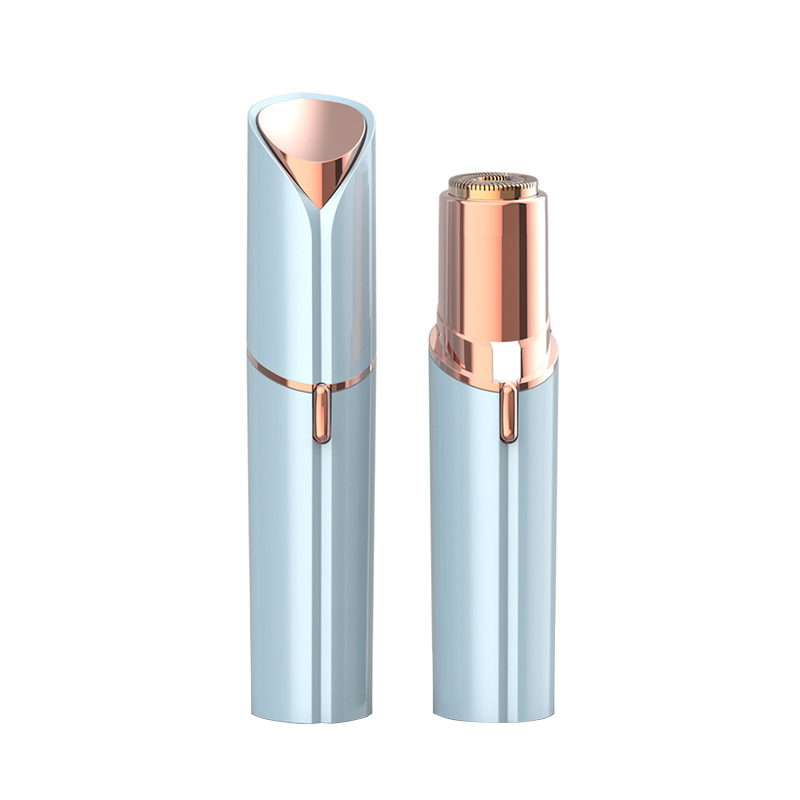 Washable silent electric shaver (SF-1106)Innovative Dual-cylinder Cutter HeadView Product →
Pressure is the other half of the equation. Let the head rest on the skin and move in small circles; pressing to chase a closer shave flattens the foil against the face and generates heat without cutting more hair.
Cleaning and Replacement: The Least Exciting Fix That Works
A dirty cutting head causes more irritation than a missing aftershave, so rinse and dry the head after every shave and replace cutters every 12 to 18 months. A film of sebum and hair dust increases drag across the whole face, and a worn cutter starts pulling hair instead of shearing it.
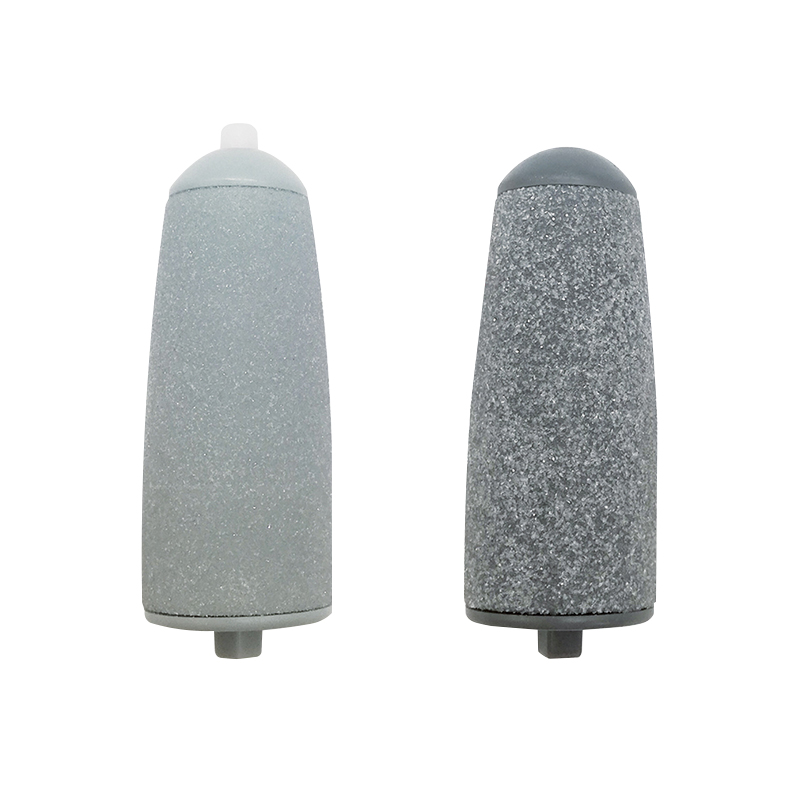
The signal is easy to recognise: if a shaver that used to glide begins tugging on one or two days of growth, the cutter is past its best. Replacement parts cost far less than a new shaver, and our replacement heads and accessories are designed to swap without tools. For households that would rather skip the routine entirely, a fully washable body shaver such as the SF2200D rinses clean under a running tap in seconds.
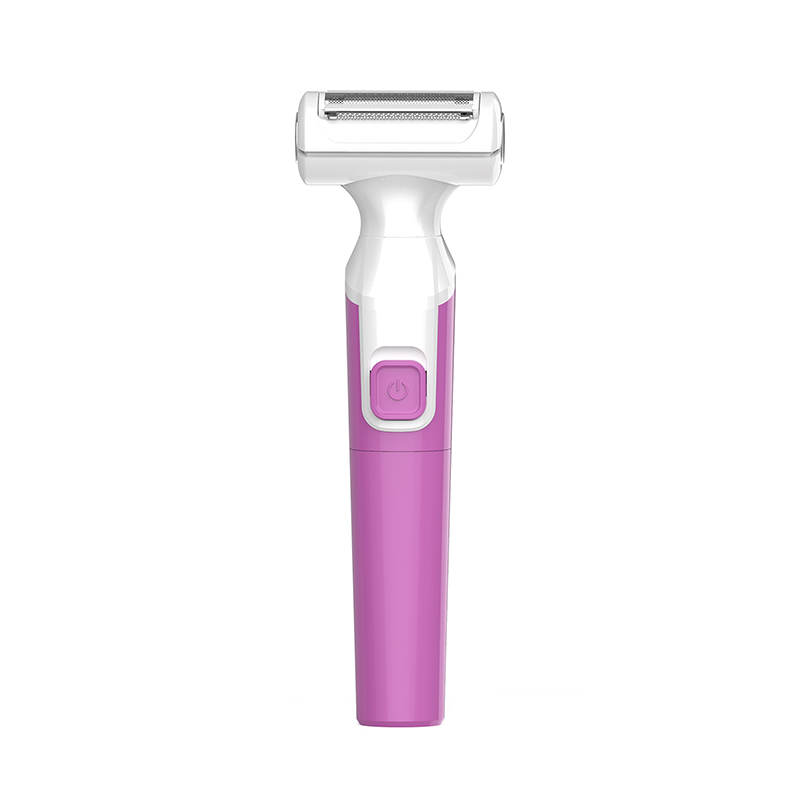 SF-2200 Washable Body and Facial ShaverA wet-and-dry shaver with three blade types and a fully washable cutter head, handy for quick rinsing on travel days.View Product →
Shaving on the Road: What Changes
Travel changes the routine more than the product. A hotel sink, cold water and a rushed five minutes are a reliable recipe for redness, and a full bottle of splash is the first thing to be confiscated at security.
A small tube of balm travels better than a bottle of splash, applied after the skin has settled rather than straight out of the bathroom. A compact shaver also helps, because a light unit held with a relaxed hand is easier to control than a heavy one used in a hurry. The SF1005N is sized for exactly that situation and fits into a wash bag without adding weight.
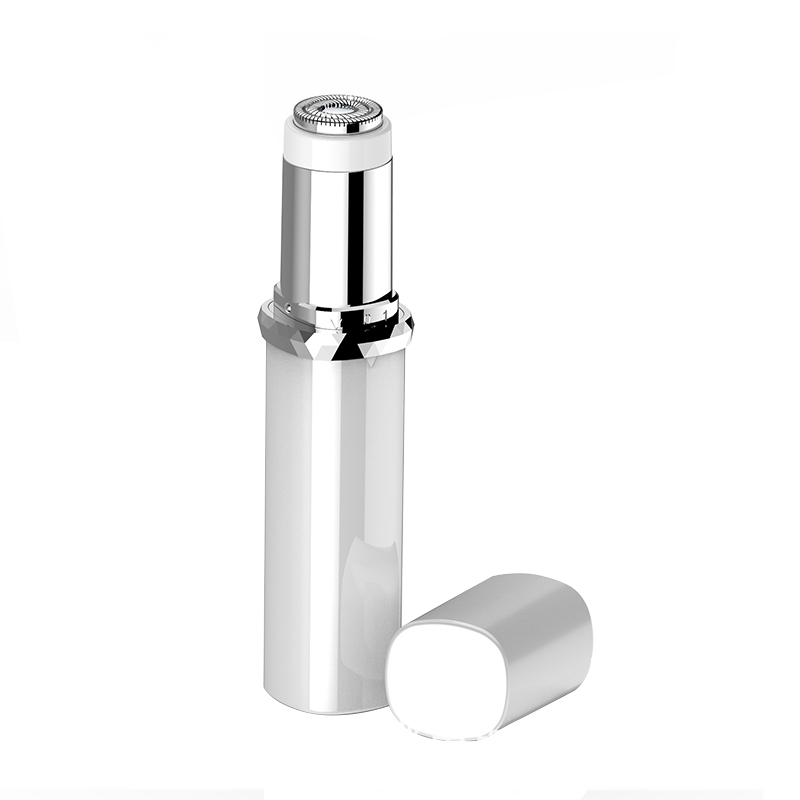 SF-1005 Mini Portable Men's Electric ShaverA 47.8g compact shaver with a removable washable cutter head and double-ring floating blade, easy to keep in a wash bag.View Product →
Common Mistakes That Cause Stinging
Most complaints about post-shave products trace back to technique rather than ingredients. These are the five we see most often:
- Splashing alcohol on dry-shaved skin "to disinfect it" when there is no wound to disinfect.
- Applying balm to a face still wet from a hot towel, which dilutes the product and traps heat.
- Pressing harder to chase a closer result instead of accepting the natural stubble length of an electric shave.
- Going over the same patch five or six times, which adds friction without removing more hair.
- Keeping a cutting head for three years and blaming the lotion for the tugging.
Frequently Asked Questions
Can I use aftershave with an electric razor?
Yes, and there is no safety issue in doing so. Choose a balm or an alcohol-free tonic if you shave dry, and keep a high-alcohol splash for occasional use, since it adds dryness rather than relieving it.
Will aftershave stop ingrown hairs?
Not on its own. Electric shaving already reduces the risk because hair is cut less aggressively, but ingrown hairs are mainly managed by regular gentle exfoliation and by not pressing the head into the skin.
Do I need aftershave if I shave in the shower with a wet model?
You need less, not none. Water and warm steam leave skin hydrated, so a light lotion after towelling dry is usually enough; a heavy balm can feel greasy in that situation.
How soon after shaving should I apply it?
Around one to three minutes after rinsing, once the skin has cooled slightly. Waiting longer than about ten minutes means you are moisturizing dry skin rather than damp skin, which is less effective.
The practical rule is easy to remember: with an electric razor, treat aftershave as skincare rather than as a disinfectant. Skip the sting, keep a light moisturizer for the days your skin feels tight, and spend the saved money on a clean cutting head. Skin that still reacts after that is telling you something about the shaver, and that is a more useful conversation than another bottle.