English
  日本語
日本語
 Español
 Deutsch



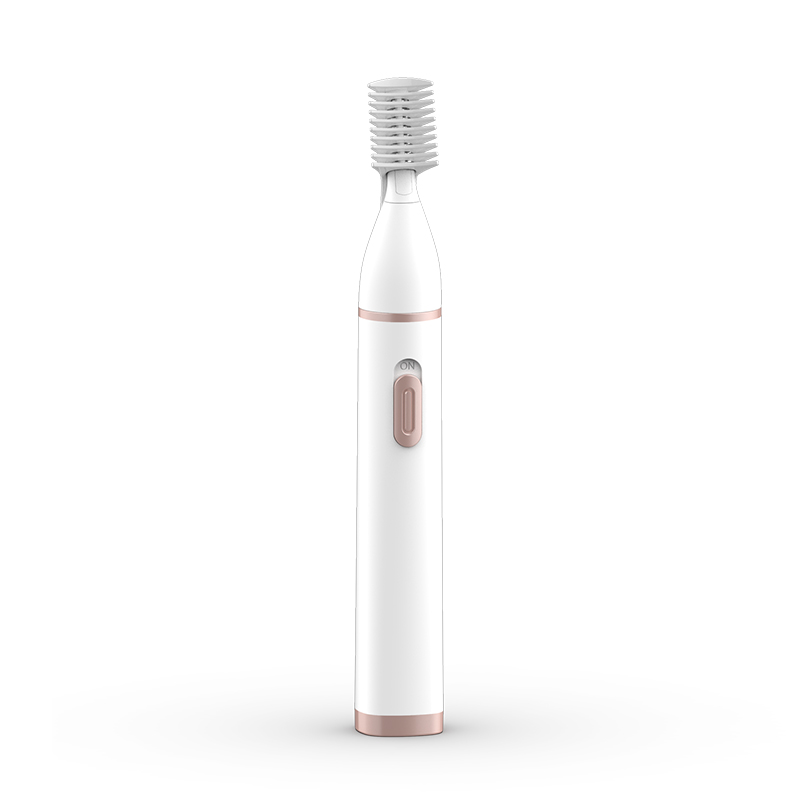
Rotary electric razors generally deliver a closer shave for men with heavy, coarse, or multi-directional beard growth, while foil electric razors tend to provide a more precise, skin-level cut for men with fine to medium hair growing in a consistent direction. Between the two, high-performance foil shavers are most consistently rated by grooming experts as producing results closest to a traditional wet shave — often achieving a shave within 0.05 mm of skin level under optimal conditions. That said, the "closest shave" depends heavily on your beard type, skin sensitivity, shaving technique, and how well the razor is maintained. This guide breaks down every factor that determines shaving closeness so you can make the right choice for your face.
Content
- Foil vs. Rotary Electric Razors: Which Shaves Closer?
- Key Features That Determine How Close an Electric Razor Shaves
- Electric Razor vs. Manual Razor: How Close Can Electric Really Get?
- Electric Razor Performance by Beard Type: What Works Best for You?
- How to Get the Closest Shave from Any Electric Razor: Technique Tips
- How Maintenance Affects Shave Closeness
- Entry-Level vs. Mid-Range vs. Premium Electric Razors: Does Price Equal Closeness?
- Frequently Asked Questions About Getting the Closest Shave with an Electric Razor
- Q: Can an electric razor ever shave as close as a blade razor?
- Q: Does wet shaving with an electric razor really make a difference?
- Q: How long does it take to adapt to an electric razor from a manual razor?
- Q: Does shaving every day improve electric razor closeness?
- Q: Why does my electric razor not shave as close as it used to?
- Q: Is a 5-blade foil razor better than a 3-blade for closeness?
- Q: Is a rotary or foil razor better for the neck area?
- Final Verdict: What Type of Electric Razor Gives the Closest Shave?
Foil vs. Rotary Electric Razors: Which Shaves Closer?
Foil electric razors are the better choice for a close, clean shave in the majority of use cases — particularly for men who shave daily or every other day and have straight or moderately coarse facial hair. Rotary razors close the gap when dealing with longer, denser, or highly irregular growth patterns.
Understanding the mechanical difference between the two designs explains why this is the case. A foil razor uses oscillating straight blades that move back and forth beneath a thin, perforated metal foil. The foil presses flat against the skin, guiding hairs into the perforations at a 90-degree angle so the blade cuts them as close to the skin surface as possible. This geometry is inherently precise.
A rotary razor, by contrast, uses circular spinning blades beneath round heads that can pivot and flex independently. This design excels at following the contours of the face and neck and handling hairs that grow in multiple directions — but the circular cutting motion does not consistently bring the blade as close to the skin as a foil design.
| Feature | Foil Razor | Rotary Razor |
|---|---|---|
| Shave Closeness | Excellent — near blade-to-skin contact | Good — better for multi-directional growth |
| Best Hair Type | Fine to medium, straight growth | Coarse, dense, irregular growth |
| Skin Sensitivity | Better for sensitive skin | Gentler on contoured areas |
| Shaving Motion | Straight, linear strokes | Circular, multi-directional passes |
| Precision/Edging | Excellent — trim heads common | Limited |
| Noise Level | Moderate to high | Generally quieter |
| Wet/Dry Use | Many models support both | Many models support both |
| Ideal For | Daily shavers, clean-shaven look | Infrequent shavers, beard shaping |
Table 1: Side-by-side comparison of foil and rotary electric razors across key performance factors.
Key Features That Determine How Close an Electric Razor Shaves
The closeness of an electric shave is determined by blade sharpness, motor speed, foil design, and how well the razor adapts to facial contours — not simply by whether it is a foil or rotary model. Here is a breakdown of the most important technical factors to evaluate.
1. Blade and Foil Quality
The sharpness and metallurgical quality of the blades determine how cleanly hairs are severed. Premium electric razors use blades made from high-grade stainless steel or titanium-coated steel, which retain their edge significantly longer than standard blades. The foil itself matters just as much — thinner foils allow the blade to cut closer to the skin, while ultra-fine perforation patterns capture more hairs per pass, reducing the number of strokes needed. High-end foil razors feature foil thicknesses as low as 0.05 mm, compared to 0.08–0.10 mm on budget models.
2. Motor Speed (Strokes Per Minute)
Higher motor speeds translate directly to a closer, more efficient shave. Entry-level electric razors typically operate at 6,000 to 8,000 strokes per minute (SPM), while premium models can reach 14,000 to 20,000 SPM. At higher speeds, the blades catch and cut each hair more consistently without tugging or pulling, and the time the foil spends in contact with each section of skin is more productive. For reference, a professional-grade foil shaver at 14,000 SPM performs approximately twice as many cutting actions per second as a budget model at 7,000 SPM.
3. Number of Cutting Elements
More cutting heads or foil sections mean broader coverage per stroke and the ability to handle different hair types simultaneously. Most premium foil razors feature 3 to 5 foil sections, each targeting a different hair length or type — a middle foil for long hairs, flanking foils for short, flat-lying hairs, and trimmer elements for longer stubble and sideburn edges. This multi-foil architecture is one of the most significant differences between a razor that delivers a truly close shave and one that leaves stubble behind.
4. Pivot and Flex Mechanism
A razor head that cannot flex or pivot with the contours of the face will leave uncut patches on curved areas like the jaw, chin dimple, and upper lip. High-performance electric razors feature multi-directional pivot systems — often capable of flexing across 5 or more independent axes — that keep the cutting surface in consistent contact with the skin regardless of facial geometry. This adaptive contact is critical for achieving a uniform close shave across the entire face.
5. Wet vs. Dry Shaving Capability
Using an electric razor with shaving gel or foam in the shower (wet shaving) consistently produces a closer result than dry shaving. Shaving gel softens facial hair by up to 40% according to grooming research, making it easier for the blades to cut at skin level without resistance. Razors that are rated for both wet and dry use — typically waterproofed to IPX7 standard (submersible to 1 meter) — give you the flexibility to use this technique. If achieving the closest possible electric shave is your priority, always choose a wet/dry compatible model and use it with a lubricating shaving cream or gel.
Electric Razor vs. Manual Razor: How Close Can Electric Really Get?
A high-quality electric razor can get within 90–95% of the closeness of a well-executed wet shave with a manual razor blade, but it rarely matches it exactly. Understanding this gap — and when it matters — will help you set realistic expectations.
A manual razor blade, particularly a multi-blade cartridge or a well-honed safety razor, physically contacts the skin and shears hair at or fractionally below the skin surface. This is why traditional wet shaving leaves skin feeling genuinely smooth to the touch. Electric razors, even the best foil models, maintain a thin barrier (the foil) between blade and skin — this is what prevents cuts, but it also means the cutting point is always a fraction of a millimeter above skin level.
For everyday professional appearance — clean shave visible to others — a premium electric razor is entirely comparable to a manual razor. Where the difference becomes perceptible is in the tactile feel of running a hand against the grain immediately after shaving. Most men report being fully satisfied with the closeness of a top-tier electric razor for daily or near-daily use, especially once their skin adapts to electric shaving (typically a 2–4 week adjustment period).
| Factor | Premium Electric Razor | Manual Razor (Multi-Blade) |
|---|---|---|
| Shave Closeness | 90–95% of manual | Maximum (at/below skin level) |
| Risk of Cuts/Nicks | Very low | Moderate |
| Skin Irritation | Low (especially foil) | Moderate to high (razor burn risk) |
| Time to Shave | 2–5 minutes | 5–10 minutes |
| Running Cost | Low (replacement heads 1–2x/year) | Moderate (cartridge replacement) |
| Suitable for Sensitive Skin | Yes | With caution |
| Travel Convenience | Excellent | Good (TSA blade rules apply) |
Table 2: Comparison of premium electric razors versus manual multi-blade razors across key performance and convenience metrics.
Electric Razor Performance by Beard Type: What Works Best for You?
The closest-shaving electric razor for you depends almost entirely on your specific beard type — there is no universally "best" razor for all men. Here is how to match razor technology to your facial hair characteristics.
Fine or Light Facial Hair
Men with fine, light facial hair have the easiest path to a close electric shave. Both foil and rotary razors perform well on fine hair, but a foil razor with a multi-foil head will capture fine, flat-lying hairs most efficiently. Look for models with a dedicated flat-lying hair foil — sometimes marketed as a "finishing" or "skin comfort" foil — which is specifically designed to lift and cut hairs that don't stand upright.
Medium to Coarse Facial Hair
This is the most common beard type and the category where foil razor technology has made the most significant advances. A high-performance foil razor with a powerful motor (10,000+ SPM), a titanium-coated blade system, and at least three distinct foil zones is the optimal choice. For men with coarse hair who shave daily, premium foil shavers consistently outperform rotary models for closeness. If you have coarse hair but shave less frequently (every 2–3 days), a rotary shaver may handle the longer stubble more comfortably before the foil razor finishes the job.
Dense, Multi-Directional, or Curly Beard Growth
For men with dense, curly, or heavily multi-directional beard growth — common in men of African and Middle Eastern descent — a rotary razor with independently flexing heads is generally the closer-shaving choice. The rotary design's ability to follow circular, curved hair shafts and adjust to growth in multiple directions within a small area makes it better suited to this hair profile. Multi-head rotary razors with at least three independently adjustable heads are ideal.
Heavy Stubble (3 to 5 Days of Growth)
Standard foil razors are not designed for cutting heavy stubble and will often pull or jam when used on 3+ days of growth without preparation. For heavy stubble, look for foil razors that include a dedicated long-hair trimmer element (a set of wider-gap blade teeth at the top or bottom of the head) that pre-cuts longer hairs before they pass through the foil. Alternatively, use a beard trimmer to reduce the stubble to approximately 1 mm first, then follow with a foil razor for the closest finish.
How to Get the Closest Shave from Any Electric Razor: Technique Tips
Even the best electric razor will underperform if used incorrectly — proper technique can improve shave closeness by as much as 20–30%. Follow these steps for the best results every time.
- Wash your face with warm water first: Warm water opens pores and softens facial hair, making it easier for blades to cut cleanly. This alone makes a noticeable difference in shave closeness, particularly for men with coarse or thick hair.
- Use a pre-shave lotion or oil: A dedicated electric razor pre-shave product lifts hairs away from the skin and reduces friction between foil and face. Studies on pre-shave lubricants show they can reduce shaving friction by up to 35%, allowing the blade to cut closer with less pressure.
- Stretch the skin taut: Using your free hand to gently pull the skin taut in the shaving area creates a flatter, more consistent surface for the foil or rotary head to press against, improving contact and cutting efficiency — especially on the neck and jawline.
- Use light, consistent pressure: Pressing too hard does not improve closeness and increases skin irritation. Let the razor's motor and blade speed do the work. Use only enough pressure to keep the foil in contact with the skin — typically equivalent to the weight of the razor itself.
- Shave against the grain for closeness: For foil razors, shaving against the direction of beard growth is generally more effective for a close finish. For rotary razors, a circular motion is recommended. Learn your grain pattern before developing a routine.
- Make multiple short passes, not long strokes: Short, overlapping strokes covering 2–3 cm at a time give the blade more time to capture each hair versus long sweeping motions that rush the foil across the skin.
- Allow an adaptation period: Switching from a manual razor to an electric razor requires a skin and hair adaptation period of approximately 2 to 4 weeks. During this time, shave results will be suboptimal. After adaptation, most men report a significant improvement in shave closeness and skin comfort.
How Maintenance Affects Shave Closeness
A poorly maintained electric razor can lose up to 30% of its cutting effectiveness within a year, dramatically reducing shave closeness. Maintenance is one of the most overlooked factors in electric razor performance.
Replacing Blades and Foils
Electric razor blades and foils dull over time. Manufacturers typically recommend replacing the foil and blade cassette every 12 to 18 months for daily shavers, or every 18–24 months for less frequent use. A sharp, fresh cutting system can restore shave closeness to like-new levels instantly. Many men who complain their electric razor "doesn't shave close anymore" find the issue is simply worn blades — not a fundamental limitation of the razor itself.
Cleaning After Every Use
Hair clippings, skin cells, and shaving product residue accumulate between the blades and foil after each shave. This buildup creates friction that slows blade speed and reduces cutting effectiveness. Rinse or brush out the shaver head after every use. For models with a cleaning station, run a full cleaning cycle at least twice per week. Tests on electric razor cleaning frequency show that razors cleaned after every use maintain their initial shave performance up to 3 times longer than razors cleaned weekly.
Lubrication
Applying a single drop of light machine oil or dedicated razor lubricant to the cutting heads every 2–3 weeks reduces metal-on-metal friction and keeps blade speed optimal. This is especially important for foil razors, where the high-speed oscillation of blades against a thin foil creates significant wear without adequate lubrication. Many automatic cleaning stations include a lubricating agent in the cleaning solution, making this step effortless for users of those systems.
Entry-Level vs. Mid-Range vs. Premium Electric Razors: Does Price Equal Closeness?
Yes — up to a point. Premium electric razors (above $150) consistently outperform budget models for shave closeness, but the performance gap between mid-range ($80–$150) and premium ($150–$350+) is much smaller than between entry-level and mid-range.
| Price Tier | Typical SPM | Foil Zones | Pivot Axes | Wet/Dry | Shave Closeness Rating |
|---|---|---|---|---|---|
| Entry-Level (under $60) | 6,000–8,000 | 1–2 | 1–2 | Rarely | Fair |
| Mid-Range ($80–$150) | 10,000–14,000 | 3 | 3–5 | Most models | Very Good |
| Premium ($150–$350+) | 14,000–20,000 | 4–5 | 5–8 | Standard | Excellent |
Table 3: Technical specifications and shave closeness by electric razor price tier.
The sweet spot for most men seeking a close electric shave without overspending is the mid-range tier ($80–$150). These razors offer a significant performance upgrade over budget models — particularly in motor speed, multi-foil architecture, and pivot flexibility — at a fraction of the cost of flagship models. The premium tier is justified for professional grooming needs, very coarse beard types, or men who simply want the best available performance.
Frequently Asked Questions About Getting the Closest Shave with an Electric Razor
Q: Can an electric razor ever shave as close as a blade razor?
Not quite — but the gap is very small with a premium foil razor. A manual blade physically contacts the skin surface; a foil razor maintains a thin foil barrier. In practical terms, most people cannot tell the difference visually after a good electric shave, but the skin may not feel quite as smooth to the touch against the grain. For everyday professional grooming, a premium electric razor is fully comparable to a blade for most men.
Q: Does wet shaving with an electric razor really make a difference?
Yes — significantly. Shaving with a compatible electric razor in the shower using shaving gel or foam softens the hair shaft and allows the blade to cut at a lower, closer point. Grooming professionals consistently rate wet electric shaving results as noticeably closer and smoother than dry shaving with the same razor. If your model is waterproof (IPX7 rated), always wet shave for the closest possible result.
Q: How long does it take to adapt to an electric razor from a manual razor?
Most men need 2 to 4 weeks to adapt. During this period, the skin and facial hair adjust to the different cutting action of an electric razor. Initial shaves may feel less close or cause mild irritation, but this improves progressively. Consistently shaving every 1–2 days rather than skipping days speeds up the adaptation process. After full adaptation, most men rate their electric shave closeness as equal to or exceeding their former manual razor results in practical, everyday terms.
Q: Does shaving every day improve electric razor closeness?
Yes. Daily electric shaving keeps hairs short enough that the foil can capture and cut them at maximum efficiency. Longer hairs (2–3 days' growth) are stiffer and less reliably captured by standard foil, leading to a less close result and more passes required. If a very close shave is a priority, daily shaving with an electric razor is strongly recommended over every-other-day or less frequent shaving.
Q: Why does my electric razor not shave as close as it used to?
The most common cause is worn blades and foils. Electric razor cutting components dull gradually over 12–18 months of daily use, and the performance decline is slow enough that many users don't notice until the difference becomes significant. Replacing the blade and foil cassette is usually all that is needed to fully restore shave closeness. Other causes include insufficient cleaning (clogged foils) and depleted battery performance affecting motor speed in cordless models.
Q: Is a 5-blade foil razor better than a 3-blade for closeness?
Not necessarily in a simple "more blades = closer" sense. What matters is the design and purpose of each foil zone. A well-engineered 3-foil system with dedicated long-hair, short-hair, and finishing foils often outperforms a basic 5-foil system where all foils perform the same function. Evaluate foil razors by the specialization of their cutting zones, not purely by the number of foil sections.
Q: Is a rotary or foil razor better for the neck area?
The neck is one of the most challenging areas because hair grows in multiple directions and the skin is loose and uneven. Rotary razors have a natural advantage here due to their independently pivoting heads and circular cutting motion, which can follow varied growth directions more intuitively. However, premium foil razors with advanced multi-axis pivot systems perform comparably on the neck for most men. If neck shaving closeness is your specific concern and your neck hair grows in many directions, a quality rotary razor is likely your better choice.
Final Verdict: What Type of Electric Razor Gives the Closest Shave?
For the vast majority of men, a premium foil electric razor used wet with shaving gel will deliver the closest electric shave possible — with results that rival a manual blade in everyday practical terms. The key features to prioritize are motor speed above 12,000 SPM, a multi-zone foil system with at least 3 specialized cutting elements, a multi-axis pivot mechanism, and IPX7 waterproof rating for wet use.
If your beard is dense, curly, or grows heavily in multiple directions — particularly if you shave less frequently than every day — a high-quality rotary razor will serve you better for closeness and comfort. For everyone else, invest in a mid-range to premium foil shaver, commit to daily or near-daily shaving, use it wet with gel, replace blades on schedule, and clean it after every use. This combination will get you as close to a blade shave as any electric razor technology currently available can offer.
The closest shave from an electric razor is not just about the razor — it is the sum of the right technology for your beard type, proper technique, and consistent maintenance working together.