

 English
  日本語
日本語
 Español
 Deutsch



News Category:
Key Words:
-
 May 25,2025
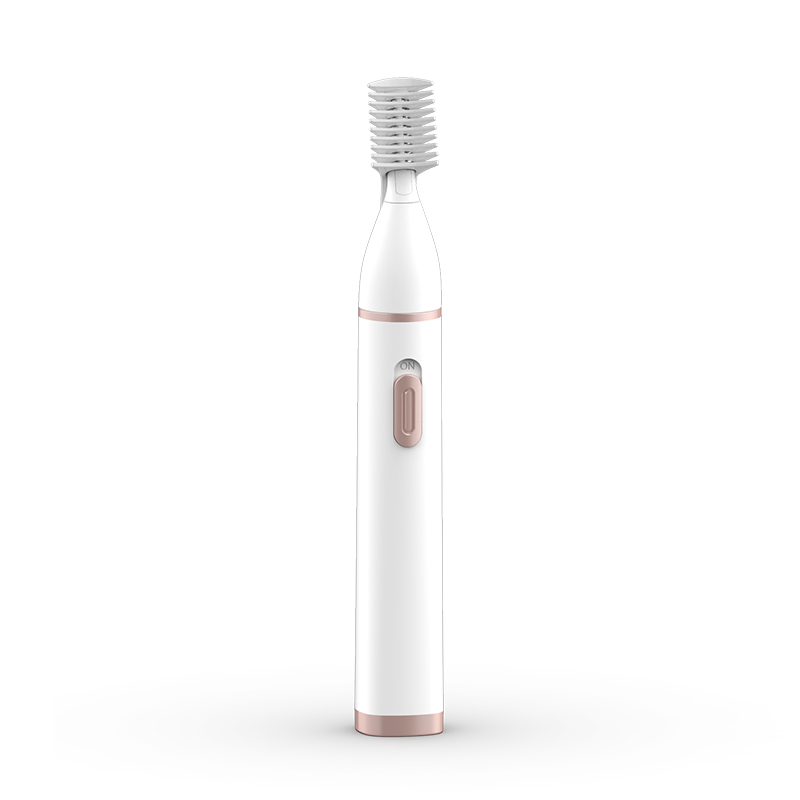
Can a Facial Hair Remover Replace Waxing or Shaving?
The quest for smooth, hair-free skin has long been dominated by two traditional methods: waxing and shaving. Both approaches have loyal followings, but advancements in beauty technology have introduced a third contender—the Facial Hair Remover. Promising pain-free results and long-lasting smoothness, these devices are gaining traction. But can they truly replace waxing or shaving? The Pros and Cons of Traditional MethodsWaxing, which removes hair from the root, delivers results lasting up to four weeks. However, it is often accompanied by discomfort, redness, and risks of ingrown hairs. Shaving, while quick and painless, offers short-term results (1–3 days) and may cause irritation or cuts. Both methods require frequent upkeep, making them time-consuming for many users. How Does a Facial Hair Remover Work?Modern Facial Hair Removers are electric devices designed to gently exfoliate the skin while capturing and removing fine facial hair. Unlike waxing, they do not pull hair from the root but instead trim it at the surface level using rotating heads or micro-blade technology. Brands claim these tools reduce irritation, minimize regrowth over time, and are suitable for sensitive areas like the upper lip or cheeks. Reviews from consumers highlight mixed outcomes. Some praise the devices for their ease of use and minimal discomfort, while others report uneven results or frustration with slower hair removal compared to waxing. While Facial Hair Removers present a compelling alternative for daily or weekly upkeep, they are unlikely to fully replace waxing for those prioritizing longevity. Shaving remains the fastest option but lacks precision for facial areas.
VIEW FULL ARTICLE -
 May 18,2025
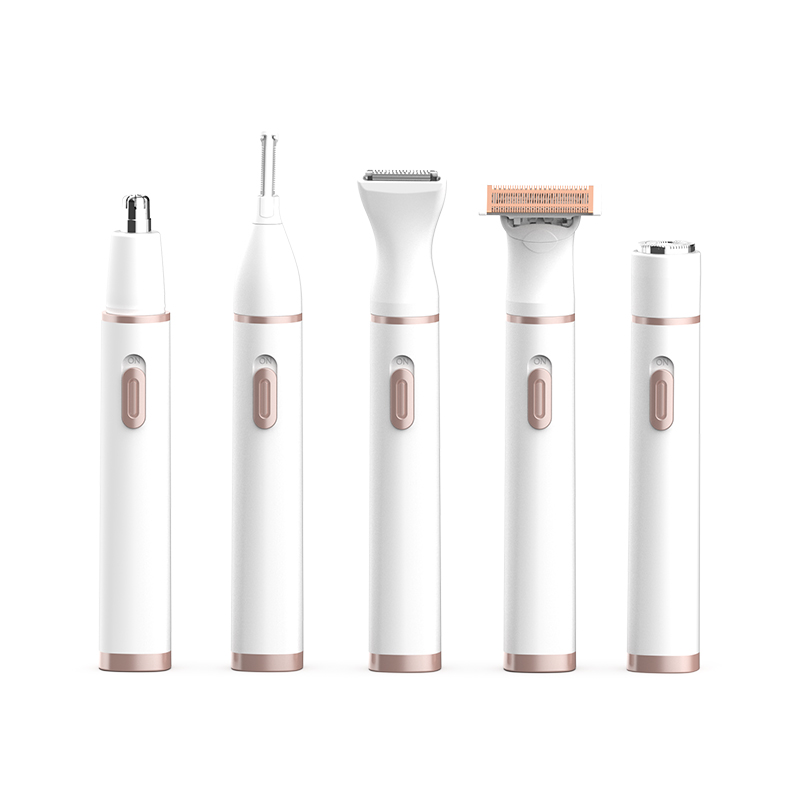
Is a Facial Hair Remover Safe for Daily Use?
The growing popularity of facial hair removers—devices designed to eliminate unwanted peach fuzz or coarse hair—has sparked debates among skincare professionals and consumers alike: Can these tools be used daily without harming the skin? While convenience drives demand, experts caution that safety hinges on understanding your skin type, the technology involved, and adherence to manufacturer guidelines. The Science Behind Facial Hair RemoversFacial hair removers typically fall into two categories: mechanical tools (e.g., dermaplaning devices, precision trimmers) and energy-based systems (e.g., IPL or laser devices). Mechanical options physically exfoliate and cut hair at the surface, while energy-based models target follicles with light or heat to reduce regrowth. Mechanical facial hair removers are generally safe for occasional use, but daily exfoliation can compromise the skin barrier, leading to irritation or microtears. Energy-based devices, on the other hand, are not designed for daily use—overapplication risks burns or hyperpigmentation, especially in darker skin tones." Risks of OveruseA 2023 study in the Journal of Cosmetic Dermatology highlighted that repetitive use of mechanical facial hair removers (more than twice weekly) correlated with a 22% increase in reported cases of redness and sensitivity. Similarly, at-home IPL devices, while effective for long-term reduction, require strict adherence to spacing treatments by weeks—not days—to allow skin recovery. Chemical-based removers (e.g., creams) also pose risks. "These products contain enzymes or acids that dissolve hair, but daily use can disrupt the skin’s pH balance and trigger allergic reactions," warns Dr. Chen. User Experiences: A Mixed PictureSarah Lin, a 28-year-old frequent user of a popular rotary facial hair remover, shares: "I used it daily for a month, and my skin became unbearably dry. Now I limit it to once a week, and it’s much better." Conversely, IPL device users like Mark Torres report satisfaction with biweekly sessions, noting "significant hair reduction without irritation." Best Practices for Safe UsePatch Test First: Apply the tool to a small area to check for adverse reactions.Follow Frequency Limits: Never exceed the manufacturer’s recommended usage.Prioritize Skin Recovery: Pair hair removal with hydrating serums and SPF.Consult a Professional: For coarse or dense facial hair, seek dermatologist-approved methods.
VIEW FULL ARTICLE -
 May 09,2025
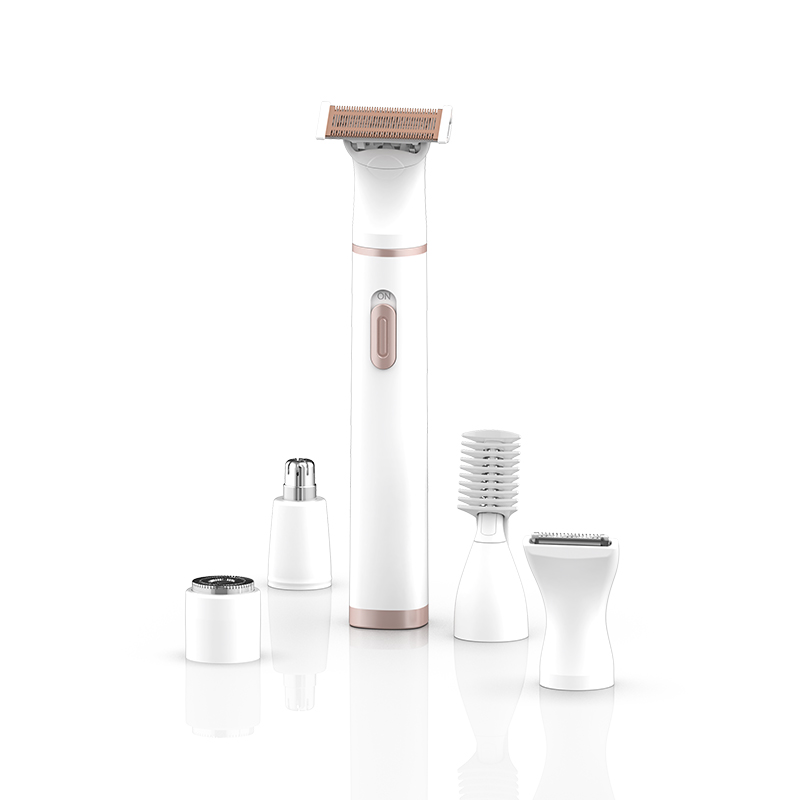
How Does a Facial Hair Remover Work on Sensitive Skin?
For individuals with sensitive skin, removing unwanted facial hair can feel like navigating a minefield. Traditional methods such as waxing or razors often lead to irritation, redness, or even breakouts. However, advancements in skincare technology have introduced specialized facial hair removers designed to balance efficacy with gentleness. But how exactly do these devices work without aggravating delicate complexions? The Mechanics of Modern Facial Hair RemoversAt their core, facial hair removers employ precision engineering to minimize skin contact while effectively targeting hair follicles. Many devices use oscillating micro-openings or rotating discs that gently lift and trim hair at the surface level. Unlike waxing, which pulls hair from the root (potentially causing inflammation), these tools focus on cutting hair close to the skin without tugging or scraping. This reduces friction, a primary trigger for irritation in sensitive skin types. Key innovations include:Hypoallergenic Blades: Stainless steel or ceramic blades with rounded edges ensure smooth gliding, preventing microtears.Adjustable Speed Settings: Customizable intensity allows users to control pressure based on sensitivity.Skin-Soothing Components: Some devices incorporate cooling tips or aloe vera-infused strips to calm skin during use.Why Sensitive Skin Needs Specialized CareSensitive skin lacks robust barrier function, making it prone to reactivity from harsh physical or chemical treatments. Facial hair removers tailored for this skin type prioritize minimal disruption. For example, devices with "smart sensors" detect hair density and automatically adjust force, ensuring consistent yet gentle removal. Additionally, many brands now use low-frequency vibrations instead of high-speed rotations to reduce heat buildup—a common irritant. Choosing the Right DeviceWhen selecting a facial hair remover for sensitive skin, prioritize:Medical-Grade Materials: Ensure blades are nickel-free and non-corrosive.Waterproof Design: Allows for use with soothing gels or water to reduce friction.Certifications: Look for FDA clearance or dermatologist-approved seals. Innovations in facial hair removal have transformed the experience for sensitive skin sufferers, merging dermatological insights with cutting-edge engineering. By prioritizing gentle mechanics and skin-friendly materials, these devices offer a safe, efficient solution for achieving smooth, hair-free skin—without compromise. As always, patch-testing new tools and consulting a skincare professional can help tailor the approach to individual needs.
VIEW FULL ARTICLE -
 May 09,2025
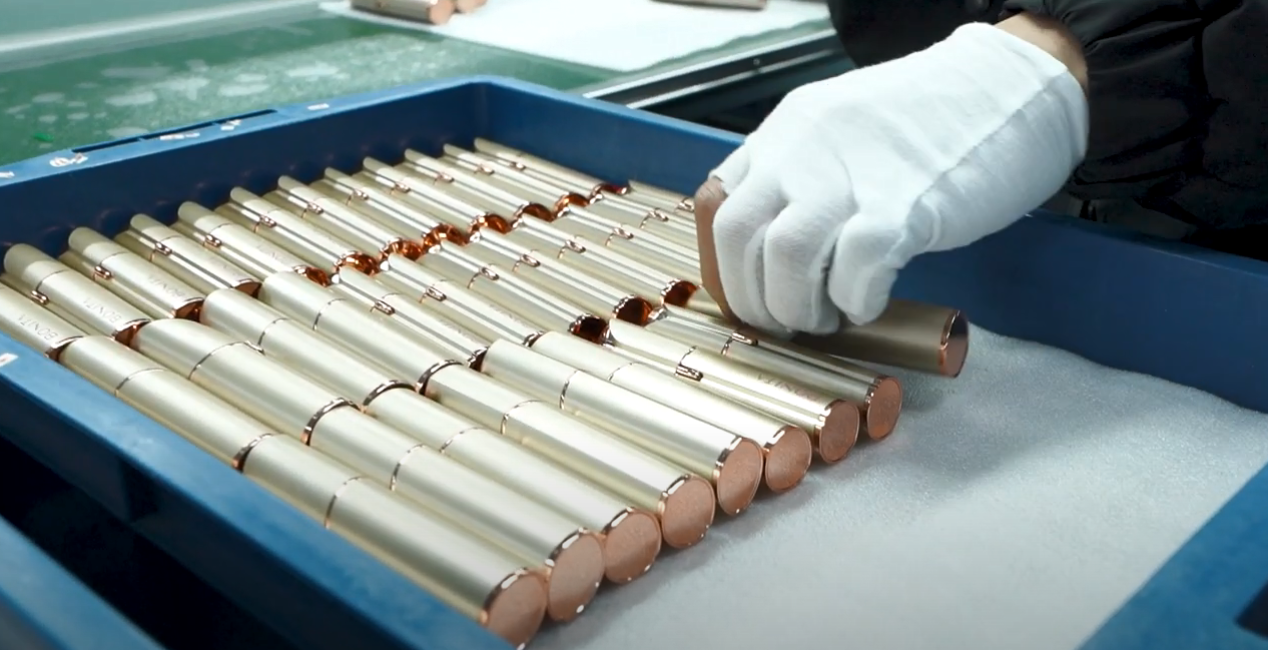
Let You Know About Yuyao Aisen
Yuyao Aisen Electric Appliance Co., Ltd. is a comprehensive high-tech enterprise located in Ningbo, Zhejiang Province, focusing on the design and production of various styles of electric hair removers, integrating R&D, design, manufacturing, quality control, inspection and packaging, logistics and distribution, brand marketing and after-sales service. The company supports OEM/ODM service with complete qualifications, ISO 9001, BSCI, CE, ROHS, EMC, appearance patents, invention patents, utility model and product test reports.
VIEW FULL ARTICLE -
 May 01,2025
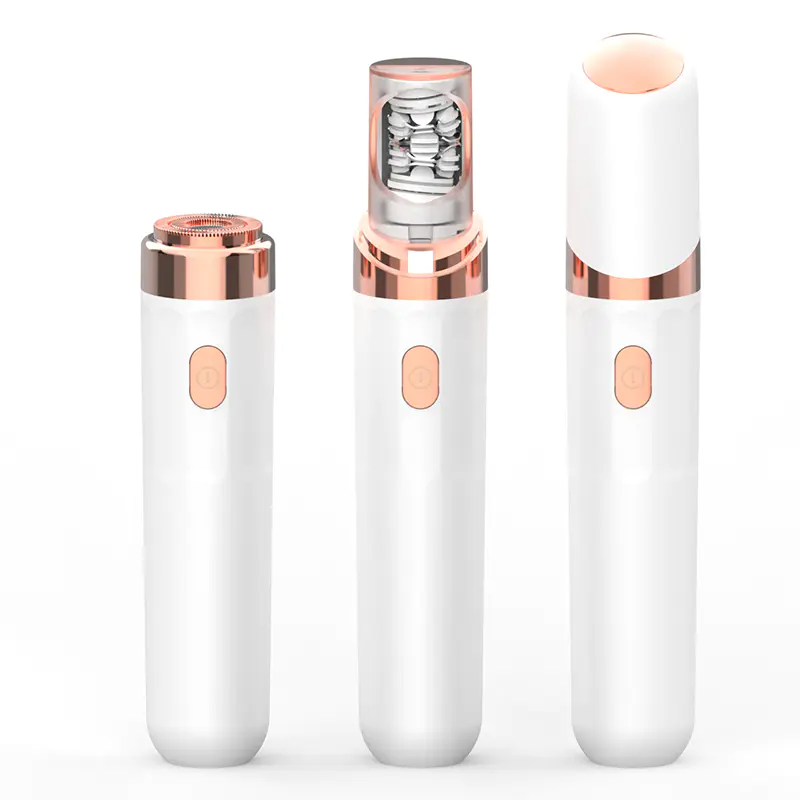
How does the technology in an Epilator Remover compare to other hair removal methods like waxing or shaving?
Epilator Removers are a popular choice for hair removal due to their innovative technology and convenience. When compared to traditional methods like waxing or shaving, Epilator Removers offer distinct advantages in terms of efficiency, results, and long-term effectiveness. The technology behind Epilator Removers focuses on removing hair from the root, which leads to smoother skin for a longer period compared to shaving, and offers more precision and less mess than waxing. Shaving, while quick and painless, only removes hair at the surface level, which means that the results last for a much shorter time. Typically, the regrowth of hair occurs within a couple of days. This can lead to the constant need for shaving, which can be time-consuming and, in some cases, cause irritation or cuts. Epilator Removers, on the other hand, work by using rotating or vibrating tweezers to pull hair from the root. This method ensures that the hair takes longer to regrow, providing results that can last from several weeks to a month, depending on the individual's hair growth cycle. The technology used in Epilator Removers makes it possible to effectively capture and remove hair in different areas of the body, even in areas where shaving might be more difficult, such as underarms or the bikini line. Waxing, while offering longer-lasting results, requires more preparation and can be painful for some individuals. The wax needs to be applied, cooled, and then removed in one swift motion. It also has the potential to be messy and may cause irritation or allergic reactions in sensitive skin. Furthermore, it is not always easy to perform at home without help, especially for areas like the back or legs. In contrast, Epilator Removers provide a more convenient at-home solution. The device typically features a series of micro tweezers that work in conjunction with a rotating or vibrating mechanism to grab and pull hairs directly from the root. This technology is designed to be less messy and can be done quickly without the need for additional products like wax or strips. Another notable advantage of Epilator Removers is their ability to work on a variety of hair types and textures. While waxing may be less effective on shorter or finer hairs, Epilator Removers can efficiently remove even the shortest hair, making it a versatile option for different users. The technology used in Epilator Removers allows them to work at different speeds, which provides better control for the user. Some models also offer features like wet and dry use, allowing for added comfort by using the device in the shower or bath, which is not an option with waxing. Moreover, the technology in Epilator Removers allows for precision. Many modern Epilator Removers come with attachments or specialized heads designed for use on sensitive areas like the face or bikini line. These attachments ensure that the device can target smaller, harder-to-reach hairs with precision. Some advanced models also include features such as built-in lights, which help users see and remove fine or short hairs, something that is not possible with waxing, as the wax tends to obscure small hairs. In terms of skin irritation, Epilator Removers generally offer a more controlled experience compared to waxing. While both methods can cause temporary redness or irritation, the gentle pulling action of Epilator Removers tends to be less harsh than waxing. Waxing involves pulling a large section of hair all at once, which can cause significant pain or discomfort, particularly for those with sensitive skin. With Epilator Removers, users can gradually adjust to the sensation, and over time, many find that their skin becomes less sensitive to the process, particularly with regular use. The long-term benefits of using Epilator Removers also set them apart. Regular use of the device can lead to a reduction in hair growth over time, as removing the hair from the root repeatedly may damage the hair follicle, making future growth finer and slower. This long-term effect is not typically achieved with shaving, which does not remove hair from the root, nor with waxing, which often leads to temporary results that require consistent reapplication.
VIEW FULL ARTICLE -
 Apr 27,2025
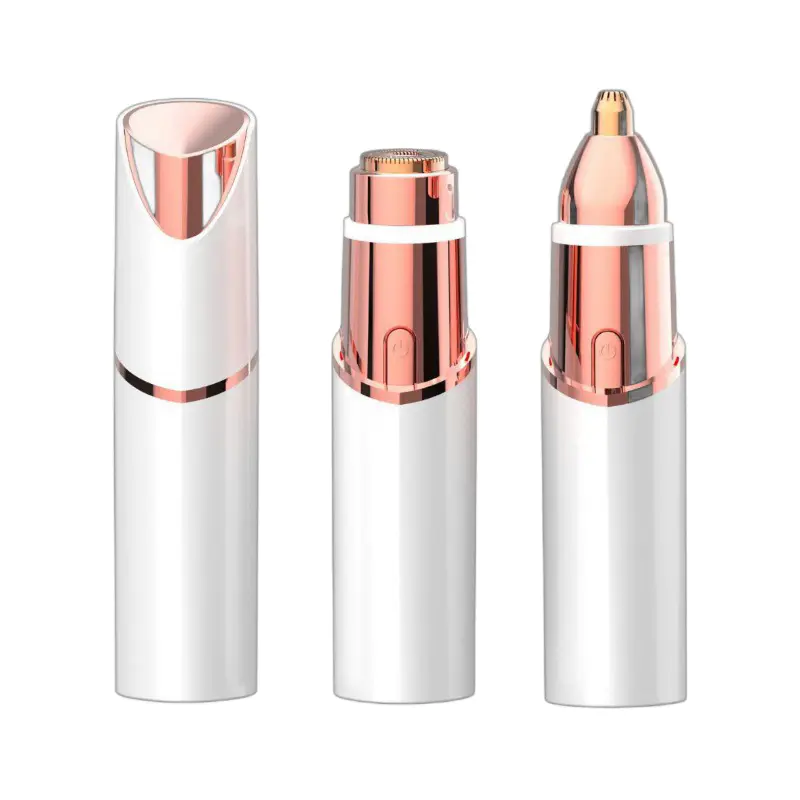
How do Facial Hair Removers help reduce irritation compared to traditional methods like waxing or tweezing?
Facial hair removal has long been a part of personal grooming routines, but the methods people use to achieve smooth skin can often lead to skin irritation. Techniques like waxing and tweezing, while effective, can be harsh on the skin, especially on sensitive areas of the face. However, Facial Hair Removers offer a more gentle alternative, designed to minimize irritation and provide a smoother, more comfortable experience. One of the primary ways Facial Hair Removers help reduce irritation is through their design and technology. Most modern Facial Hair Removers feature rotating blades or small, oscillating devices that remove hair by gently trimming or cutting it at the surface level, rather than pulling it from the root. This is a key difference from traditional methods like waxing or tweezing, which involve physically pulling the hair out of the follicle. The act of pulling hair from the root can cause redness, swelling, and discomfort, often leading to post-treatment irritation. Facial Hair Removers, on the other hand, avoid this process, offering a less invasive and more comfortable hair removal method. Unlike waxing, which requires hot wax to be applied and then removed, a process that can irritate and even damage the skin if not done correctly, Facial Hair Removers typically work without the need for heat or adhesives. This makes them less likely to cause burns or allergic reactions, which are common issues with waxing. Furthermore, Facial Hair Removers are often designed to be used on dry or lightly moisturized skin, avoiding the risk of over-sensitizing the skin, which can happen during waxing or tweezing when skin is overly stretched. Another advantage of Facial Hair Removers is their ability to remove hair without leaving behind the residues that waxing often does. Wax can sometimes remain on the skin, requiring additional cleaning steps to remove, which can further irritate the skin. In contrast, Facial Hair Removers leave no residue, and their smooth operation ensures that the skin remains clean and irritation-free throughout the process. For individuals with sensitive skin, Facial Hair Removers are particularly beneficial. They offer a controlled, consistent method of hair removal that doesn’t involve pulling or tugging at the skin, which can trigger sensitivity or cause breakouts. Additionally, many Facial Hair Removers are designed with hypoallergenic materials, reducing the likelihood of skin reactions. Some even feature built-in features like LED lights or ergonomic handles, making the process more precise and reducing the risk of unnecessary skin contact that could lead to irritation. When compared to tweezing, which often leads to small bumps or redness from pulling individual hairs, Facial Hair Removers can cover larger areas more quickly and efficiently. This is especially helpful for areas like the upper lip or chin, where hair may grow in patches. Tweezing, when done repeatedly, can also cause hair to grow back unevenly or lead to ingrown hairs, which can be painful and irritating. Facial Hair Removers avoid this issue by cutting hair rather than plucking it, resulting in smoother regrowth and a more consistent appearance over time. The use of Facial Hair Removers can also lead to less frequent hair removal sessions overall. With tweezing or waxing, hair removal often needs to be repeated frequently as the hair grows back in different stages. Since Facial Hair Removers provide a more thorough and precise hair removal experience, they can help keep the face hair-free for longer periods. This reduced frequency not only saves time but also minimizes the number of potential irritants to the skin. Furthermore, many Facial Hair Removers are designed with gentle settings, allowing users to adjust the intensity according to their comfort level. This is especially beneficial for those with very delicate or sensitive skin, as they can choose a softer setting to avoid any unnecessary friction or discomfort. Some models even come with additional attachments, such as brushes or exfoliators, to enhance the hair removal process while soothing and conditioning the skin. This thoughtful design helps ensure that users get the best of both worlds: effective hair removal and a gentle, irritation-free experience.
VIEW FULL ARTICLE
KEEP IN TOUCH
-

luke@aisenappliance.com
-

+86-13819843737 / +86-574-62361977
-

Unit 1, Building 7, No. 4 Xieli Road, Simen Town, Yuyao City, Zhejiang Province, China