

 English
  日本語
日本語
 Español
 Deutsch



News Category:
Key Words:
-
 Nov 07,2025
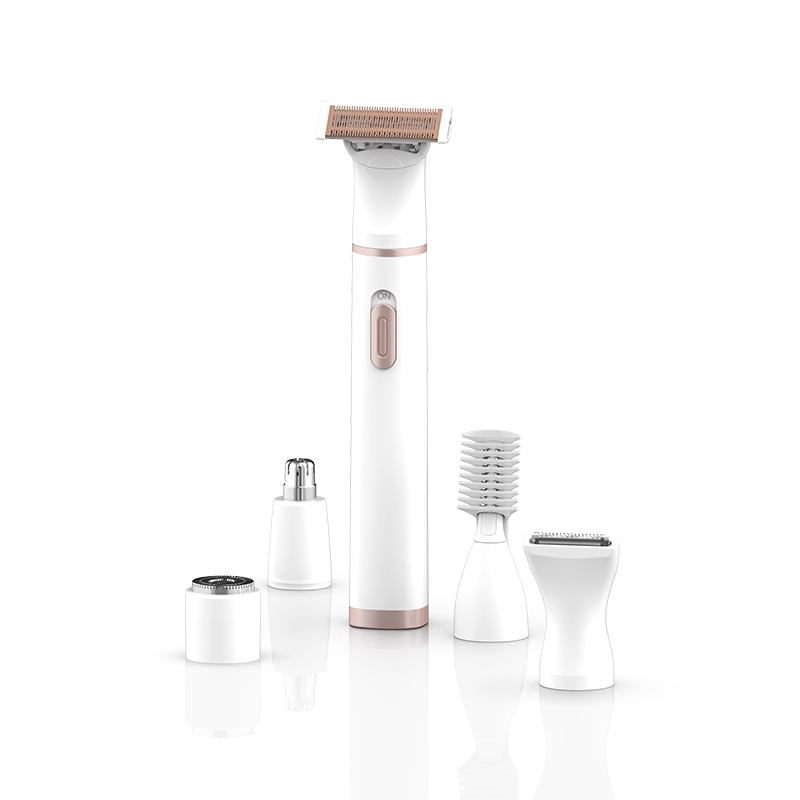
What Are the Key Benefits of Using a Washable Electric Shaver for Your Daily Grooming Routine?
Maintaining a clean and well-groomed appearance has never been easier thanks to modern grooming tools. Among these, the Washable Electric Shaver stands out as a versatile, efficient, and hygienic solution for daily use. Here, we explore the key benefits of incorporating this grooming tool into your routine. 1. Enhanced Convenience and Time-Saving One of the primary advantages of a Washable Electric Shaver is its ability to simplify daily grooming. Unlike traditional razors, these shavers require minimal preparation and allow for quick touch-ups, whether at home or on the go. Quick Shaving Experience With advanced motor technology, washable electric shavers provide fast and smooth results. You can achieve a precise shave in a fraction of the time it would take with manual razors, making it ideal for busy mornings. Easy Cleaning The washable design means that you can rinse the shaver directly under running water after use. This eliminates the need for additional cleaning tools and ensures the device remains hygienic, ready for the next use. 2. Superior Hygiene and Skin Protection Using a Washable Electric Shaver can significantly improve skin health. Regular rinsing removes hair clippings, skin cells, and shaving cream residue, reducing the risk of bacterial growth. Reduced Skin Irritation Electric shavers often feature rounded or hypoallergenic blades that minimize cuts, nicks, and razor burn. This gentle approach is suitable for sensitive skin and daily use. Preventing Bacteria Build-Up Thanks to their washable design, these shavers prevent long-term bacterial accumulation. This is particularly important for individuals prone to skin issues or acne. 3. Cost-Effective and Environmentally Friendly Investing in a Washable Electric Shaver can also be economically advantageous over time. By eliminating disposable razors and reducing the need for shaving creams, you can save money while minimizing environmental waste. Durable and Long-Lasting Most washable electric shavers are built to last for several years with proper maintenance. This longevity ensures a reliable grooming tool without frequent replacement costs. Eco-Friendly Choice Using a washable shaver reduces plastic waste from disposable blades and packaging. This small change contributes to a more sustainable lifestyle. 4. Versatility and Adaptability Modern Washable Electric Shavers often include multiple attachments and adjustable settings to accommodate different hair lengths and styles. Wet and Dry Usage Many models are suitable for both wet and dry shaving, giving users flexibility to shave with water, foam, or gel, enhancing comfort and effectiveness. Suitable for Travel Compact and cordless designs make washable electric shavers ideal for travel. You can maintain your grooming routine anywhere without worrying about power outlets or messy cleanups. Incorporating a Washable Electric Shaver into your daily grooming routine offers unmatched convenience, hygiene, and versatility. From saving time to protecting your skin and the environment, it is a practical investment that enhances both your appearance and lifestyle.
VIEW FULL ARTICLE -
 Oct 31,2025
Can You Use Soap and Water on Any Washable Electric Shaver?
Introduction: The Convenience of Washable Electric Shavers Washable electric shavers have become a popular choice for many users due to their convenience and ease of cleaning. These shavers are designed to withstand exposure to water, making them easier to maintain compared to traditional dry electric shavers. However, a common question arises: *Can you use soap and water on any washable electric shaver? Understanding Washable Electric Shavers A washable electric shaver is designed with waterproof components that allow it to be cleaned directly under running water. The ability to rinse the shaving head under water enhances the user experience by simplifying the maintenance process. However, not all washable electric shavers are the same, and some are more resistant to water exposure than others. Can Soap and Water Be Used for Cleaning? The short answer is yes, but with caution. Most washable electric shavers are built to handle water exposure, but the use of soap requires additional consideration. While soap can help remove oils, dirt, and other debris from the shaving head, it's important to ensure that the soap does not leave behind residues that could clog or damage the internal components of the shaver. Why Soap Should Be Used Sparingly Although soap can effectively clean the shaving head, it can leave behind soap residue that may affect the shaver's performance. Over time, soap residue may accumulate, potentially leading to a reduction in shaving efficiency. Moreover, excessive use of soap could degrade the materials of the shaver's head, especially if it is not thoroughly rinsed. Proper Cleaning Techniques for Washable Electric Shavers To get the best results when cleaning your washable electric shaver, it's important to follow a few key steps: Step 1: Rinse Under Water After every shave, it's recommended to rinse the shaver head under running water to remove loose hair and debris. This will help keep the blades sharp and functioning properly. Step 2: Use Mild Soap (If Necessary) If you choose to use soap, opt for a mild liquid soap that doesn't contain harsh chemicals. Avoid using bar soap, as it can create more residue and clog the shaving head. Gently apply a small amount of soap to the head and rinse thoroughly. Step 3: Dry Thoroughly After cleaning with soap and water, make sure to dry your washable electric shaver completely before storing it. This will prevent any moisture from lingering inside the device, which could lead to rust or internal damage. Cleaning Washable Electric Shavers Responsibly Washable electric shavers are a great solution for individuals seeking convenience and efficiency in their grooming routine. While soap and water can be used to clean these devices, it is essential to use them properly to avoid damaging the shaver or affecting its performance. Following the right cleaning techniques will not only prolong the lifespan of your shaver but also ensure a consistently smooth shaving experience.
VIEW FULL ARTICLE -
 Oct 24,2025
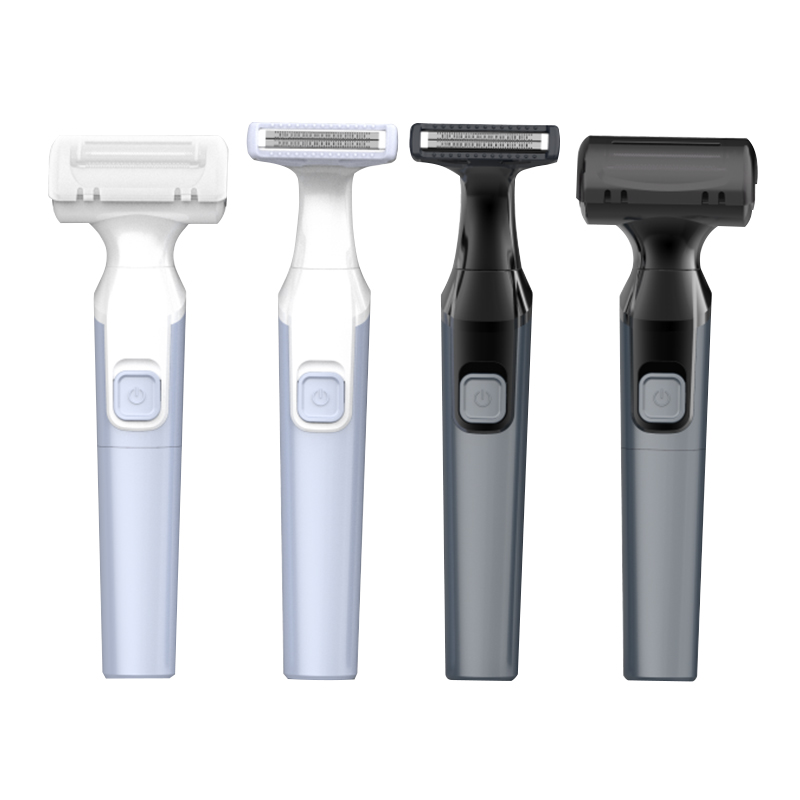
What Are the Top 5 Benefits of Using a Washable Electric Shaver for Sensitive Skin?
For individuals with sensitive skin, shaving can often be a source of irritation and discomfort. The search for a grooming tool that minimizes these issues has brought the Washable Electric Shaver into focus. This type of shaver combines specific functional designs with ease of maintenance. Below is an objective overview of the key benefits associated with using a Washable Electric Shaver for sensitive skin, based on its general technical and design attributes. Reduced Skin Irritation and DiscomfortThe design of a Washable Electric Shaver often incorporates features aimed at protecting sensitive skin. Minimized Direct Contact: The cutting system is typically engineered to cut hair just above the skin's surface, which reduces friction, pulling, and the risk of razor burn compared to some traditional razors. Hypoallergenic Components: Many models use blades and foils made from materials that are less likely to cause allergic reactions, thereby preventing redness and inflammation. Consistent Performance: The washable feature helps maintain the shaver's sharpness and efficiency by preventing clogging, which can lead to tugging and uneven cutting if not addressed. Enhanced Hygiene and CleanlinessMaintaining a high level of cleanliness is crucial for preventing skin problems, and a Washable Electric Shaver directly supports this. Thorough Cleaning: The ability to rinse the shaver head under running water allows for the effective removal of hair, skin cells, oils, and bacteria that accumulate during use. Reduced Bacterial Growth: By enabling regular and thorough cleaning, the shaver helps minimize the buildup of microbes that can contribute to skin infections, rashes, or acne. Simplified Maintenance: The washable design often eliminates the need for complex disassembly and manual brushing, making it easier to uphold a consistent hygiene routine. Convenience and Time EfficiencyThe practical benefits of a Washable Electric Shaver contribute significantly to a streamlined grooming experience. Quick and Easy Cleaning: The most immediate convenience is the speed of post-shave cleanup, as the shaver can be rinsed and ready for its next use in moments. Cordless Operation: Many washable models are fully rechargeable and cordless, offering freedom of movement and ease of use in different settings, including travel. Integrated Design: This combination of features saves time and effort in both the shaving and maintenance processes, making it a practical tool for daily routines. Cost-Effectiveness Over TimeFrom a long-term perspective, the investment in a Washable Electric Shaver can be economically advantageous. Durability and Reusability: While the initial cost may be higher than that of disposable razors, the robust construction and long-lasting blades of a Washable Electric Shaver can lead to savings by reducing the need for frequent replacements. Reduced Consumable Needs: The design negates the ongoing purchase of specialized cleaning solutions or replacement cartridges required by some other grooming systems, lowering recurring expenses. Environmental SustainabilityThe reusable nature of a Washable Electric Shaver aligns with environmentally conscious practices. Reduction in Waste: By being a durable, long-term product, it significantly cuts down on the plastic waste generated by disposable razors and replacement cartridges. Efficient Resource Use: The longevity of the device means fewer resources are consumed over time for manufacturing new products compared to a continuous cycle of disposable alternatives. The functional characteristics of a Washable Electric Shaver—including its potential to reduce skin irritation, promote hygiene, offer convenience, provide cost savings, and support sustainability—make it a notable option for individuals with sensitive skin. Its design addresses several common shaving concerns through practical, evidence-based features.
VIEW FULL ARTICLE -
 Oct 19,2025
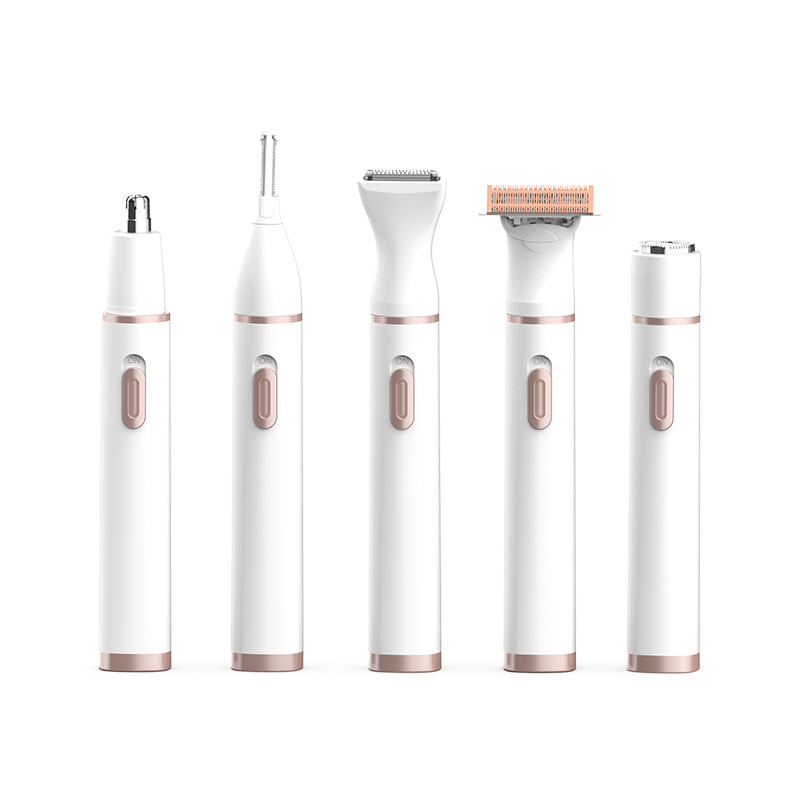
How Do You Properly Clean and Maintain Your Washable Electric Shaver?
In today's fast-paced world, a washable electric shaver offers convenience and efficiency for personal grooming. However, improper care can lead to reduced performance, skin irritation, and a shorter lifespan for the device. Understanding the Basics of a Washable Electric Shaver A washable electric shaver is designed with water-resistant components that allow for cleaning under running water, typically to remove hair, oil, and debris. Proper maintenance involves regular cleaning routines and periodic checks to prevent damage. Key aspects include: Water resistance ratings: Many washable electric shavers have specific IP ratings that indicate their level of protection against water and dust. For instance, a common rating like IPX7 allows for immersion in water up to a certain depth, but users should always refer to the manufacturer’s guidelines to avoid voiding warranties. Material composition: The shaver’s blades and foils are often made from stainless steel or coated materials that require gentle handling to prevent corrosion or dulling. Regular inspection for wear and tear is essential to maintain cutting efficiency. Battery considerations: Most washable electric shavers use rechargeable batteries, and exposure to moisture during cleaning necessitates proper drying to prevent electrical issues. Over time, battery performance can degrade if not maintained correctly. Step-by-Step Cleaning Process for a Washable Electric Shaver Cleaning a washable electric shaver should be done methodically to avoid damaging sensitive parts. This process can be divided into daily and weekly routines, depending on usage frequency. Below is a general approach based on common practices: Daily cleaning after use: Turn off and unplug the shaver to ensure safety. Rinse the shaver head under lukewarm running water to remove loose hairs and residue. Avoid using hot water, as it can damage seals or electronic components. Use a small brush, often provided with the shaver, to gently dislodge any trapped particles from the blades and foils. Shake off excess water and allow the shaver to air-dry completely before storage. Do not use towels or cloths that could leave fibers on the cutting elements. Weekly deep cleaning: For a more thorough clean, some washable electric shavers can be immersed in a mixture of mild soap and water for a few minutes. Always check the user manual for specific immersion limits. After soaking, agitate the shaver gently to loosen stubborn debris, then rinse thoroughly with clean water. Disinfect the shaver head by using a recommended cleaning solution, if applicable, to reduce bacterial buildup. Ensure all parts are dry before reassembly. Inspect and clean the charging port and other external areas with a dry, soft cloth to prevent moisture accumulation. Maintenance Practices to Extend the Lifespan of a Washable Electric Shaver Regular maintenance goes beyond cleaning and involves proactive measures to preserve the shaver’s functionality. Adhering to these practices can help avoid common issues such as blade dullness or motor failure: Blade and foil care: Replace the blades and foils as recommended by the manufacturer, typically every 12 to 18 months, depending on usage. Dull blades can cause skin irritation and inefficient shaving. Avoid dropping or applying excessive pressure during use, as this can misalign the cutting components and reduce performance. Battery and charging habits: Charge the washable electric shaver according to the instructions, such as avoiding overcharging or letting the battery drain completely. This helps maintain battery health over time. Store the shaver in a cool, dry place away from direct sunlight to prevent damage from heat or humidity, which can affect both the battery and internal electronics. General handling tips: Use only approved accessories, such as cleaning brushes or solutions, to avoid introducing abrasive materials that could scratch the shaver’s surfaces. Regularly check for firmware updates if the shaver has smart features, as these can improve performance and safety through optimized settings. Common Mistakes to Avoid When Cleaning a Washable Electric Shaver Many users inadvertently shorten the life of their washable electric shaver by making errors during cleaning and maintenance. Being aware of these pitfalls can lead to better care: Using harsh chemicals: Avoid alcohol-based cleaners or abrasive substances, as they can degrade the shaver’s materials and seals. Stick to mild soaps or specialized cleaning fluids if needed. Incomplete drying: Storing a washable electric shaver while damp can lead to mold growth, corrosion, or electrical shorts. Always ensure it is fully dry before putting it away. Neglecting regular inspections: Failing to check for cracks, loose parts, or performance changes can result in bigger issues over time. Schedule monthly reviews to catch problems early. Properly cleaning and maintaining a washable electric shaver is essential for ensuring its longevity, performance, and hygiene. By following structured routines for daily and deep cleaning, along with consistent maintenance practices, users can maximize the benefits of their device. Remember to always consult the manufacturer’s guidelines for specific instructions, as variations exist among different models. With careful attention, a washable electric shaver can remain a reliable tool for effective grooming over the long term.
VIEW FULL ARTICLE -
 Oct 11,2025
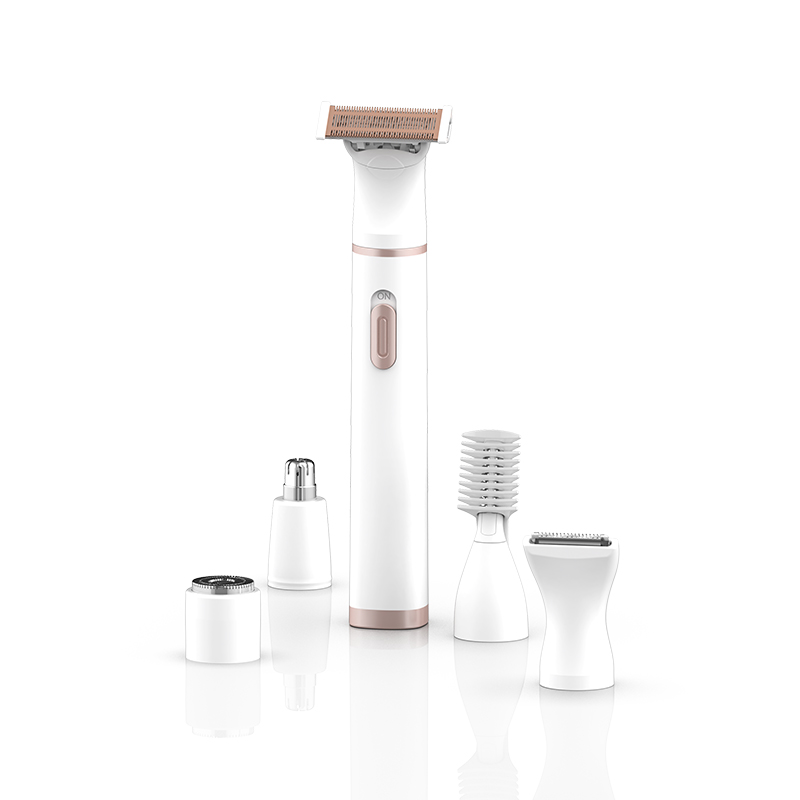
How to Travel Smart with Compact Personal Care Appliances?
Traveling efficiently requires careful planning, especially when it comes to personal grooming. Compact personal care appliances have emerged as essential tools for modern travelers, offering convenience without compromising on functionality. These devices are designed to meet the needs of individuals on the move, whether for business or leisure. Concept of Compact Personal Care AppliancesCompact personal care appliances are portable versions of standard grooming devices, engineered for ease of transport and use during travel. They typically feature reduced size, lightweight materials, and often include travel-friendly attributes such as foldable designs, dual-voltage capabilities, and USB charging. The primary advantage of these appliances lies in their ability to maintain personal care routines while minimizing luggage space and weight. For instance, they enable users to uphold hygiene and appearance standards in environments where full-sized alternatives are impractical. Types of Compact Personal Care AppliancesA variety of compact personal care appliances are available to address different grooming needs. Common categories include: Hair Care Devices: Travel-sized hair dryers, flat irons, and curling wands that offer reduced dimensions and often include heat-resistant storage pouches. Shaving and Grooming Tools: Electric shavers and trimmers with compact designs, waterproof features, and long-lasting battery life. Oral Hygiene Products: Battery-operated or rechargeable toothbrushes with travel cases and sanitization options. Skin Care Devices: Miniature facial cleansing brushes or LED therapy devices designed for portability.These appliances are constructed from durable materials to withstand the rigors of travel, and many include international compatibility features. Applications in Travel ScenariosCompact personal care appliances are utilized in diverse travel contexts to enhance convenience and efficiency. For example: Business Travel: Professionals can maintain a polished appearance using compact steam irons for clothing or portable hair stylers for quick touch-ups before meetings. Outdoor and Adventure Travel: Water-resistant shavers or solar-charged hair devices suit environments with limited access to power sources. International Trips: Dual-voltage appliances allow safe use across different countries, while USB-charged options reduce dependency on electrical outlets.Studies indicate that incorporating these appliances into travel routines can save time and reduce reliance on hotel amenities, which may not always meet individual preferences. Comparisons and ConsiderationsWhen evaluating compact personal care appliances, it is useful to compare them with standard-sized versions and non-electric alternatives. Key points include: Portability vs. Performance: Compact models often sacrifice some power or features for size reduction. For instance, a travel hair dryer might have lower wattage than a home model, but it compensates with lightweight design. Cost and Durability: While compact appliances may have higher initial costs due to specialized designs, their longevity can offset expenses if maintained properly. Non-electric alternatives, such as manual razors, are cheaper but may lack the convenience of electric options. Energy Efficiency: Many compact appliances incorporate energy-saving technologies, such as automatic shut-off or low-power modes, which align with sustainable travel practices.Data from consumer reports show that travelers often prioritize devices with multi-functionality, like combinable hair tools, to further optimize luggage space. Frequently Asked Questions (FAQ) Are compact personal care appliances allowed in carry-on luggage during air travel?Yes, most devices are permitted, but airlines may restrict items with certain battery types or sharp components. It is advisable to check specific airline regulations beforehand. How can I ensure compatibility with international power outlets?Look for appliances labeled as dual-voltage (e.g., 110-240V) and pack appropriate adapters. USB-charged options are increasingly popular for their versatility. Do these appliances require special maintenance during travel?Regular cleaning and storage in protective cases are recommended to prevent damage. Avoid exposing devices to extreme temperatures or moisture unless specified as waterproof. What is the typical battery life for cordless compact personal care appliances?Battery life varies by device, but many offer sufficient charge for multiple uses—often ranging from 30 minutes to several hours, depending on usage intensity. Can compact appliances deliver comparable results to full-sized versions?While performance may differ, advancements in technology have narrowed the gap. Users should select devices based on their specific needs and read product specifications for accuracy. Compact personal care appliances provide a practical solution for maintaining grooming standards while traveling. By understanding their concepts, types, and applications, travelers can select devices that align with their itineraries and preferences. As the demand for portable technology grows, these appliances continue to evolve, offering improved efficiency and user experience. Informed choices, backed by factual comparisons and guidelines, enable smarter and more organized travel.
VIEW FULL ARTICLE -
 Oct 05,2025
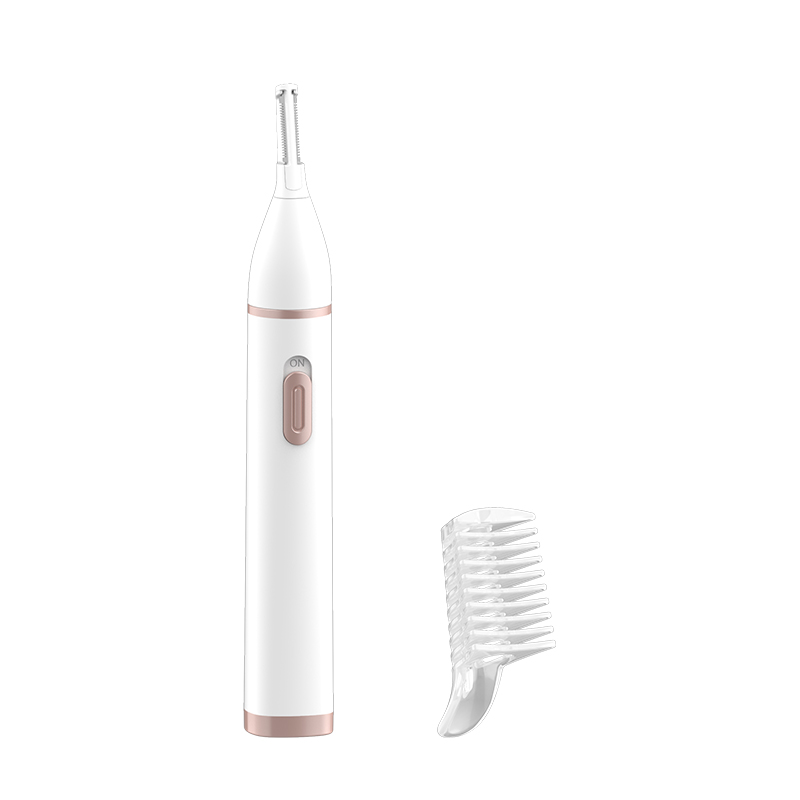
How to Choose the Right Personal Care Appliances for Your Needs?
In today's market, personal care appliances have become essential tools for daily grooming and hygiene routines. These devices, which include items like electric toothbrushes, hair dryers, and shavers, are designed to enhance efficiency and effectiveness in personal care. However, with a wide variety of options available, selecting the right personal care appliances can be challenging. Types of Personal Care Appliances Personal care appliances encompass a range of devices categorized by their primary functions. Common types include: Oral Care Appliances: Electric toothbrushes and water flossers are used for cleaning teeth and gums. They often feature modes like sensitivity or whitening. Hair Care Appliances: Hair dryers, straighteners, and curling irons are designed for styling and drying hair. Some models include temperature controls and ionic technology. Shaving and Grooming Appliances: Electric shavers and trimmers are utilized for facial and body hair removal. Options include rotary and foil shavers. Skin Care Appliances: Devices such as facial cleansing brushes and LED therapy tools aim to cleanse or treat skin conditions. Other Appliances: This category includes massagers, epilators, and nail care devices for broader personal maintenance. Understanding these types is the first step in narrowing down choices based on intended use. Applications and Use Cases Each type of personal care appliance serves distinct applications. For instance: Oral care appliances are typically used in daily dental hygiene routines to remove plaque and improve gum health. Hair care appliances apply to styling, drying, or smoothing hair, with variations suited for different hair textures. Shaving appliances are employed for precise hair removal, often offering wet or dry usage options. Skin care appliances focus on cleansing or rejuvenating the skin, commonly integrated into skincare regimens. Consider your daily routines and specific goals, such as time efficiency or addressing particular concerns like sensitive skin, when evaluating applications. Comparative Analysis When comparing personal care appliances, several factors can guide your selection: Functionality: Assess features like multiple speed settings, battery life, or cordless operation. For example, electric toothbrushes may offer oscillating versus sonic motions, which can affect cleaning efficacy. Performance: Look at metrics such as power output for hair dryers (measured in watts) or blade systems for shavers. Independent studies, such as those on plaque reduction, can provide objective data. Ease of Use: Evaluate ergonomics, weight, and maintenance requirements. Devices with intuitive controls and easy cleaning mechanisms often enhance user experience. Cost and Durability: Compare initial prices against long-term value, including warranty periods and replacement part availability. Higher-cost models may offer advanced features but not necessarily superior performance for all users. This comparison should be based on general industry standards rather than brand-specific claims. Key Considerations for Selection To choose the right personal care appliances, focus on these objective criteria: Identify Your Needs: Determine primary uses, such as portability for travel or specific health requirements like arthritis-friendly designs. Research Specifications: Review technical details like voltage compatibility, noise levels, and safety certifications (e.g., UL or CE marks). Read User Reviews and Expert Analyses: Consult multiple sources for consistent feedback on reliability and performance, avoiding anecdotal opinions. Test When Possible: If accessible, try devices in-store to assess comfort and operation. By prioritizing evidence-based factors, you can minimize bias in your decision-making. Frequently Asked Questions (FAQ) Q: How do I maintain personal care appliances?A: Regular cleaning and following manufacturer instructions for storage can prolong lifespan. For example, descaling water flossers or replacing brush heads as recommended. Q: Are personal care appliances safe for all users?A: Most devices include safety features, but check for precautions like avoiding use on broken skin or consulting healthcare providers for medical conditions. Q: What is the average lifespan of these appliances?A: Lifespan varies by type; electric toothbrushes may last 2-5 years with proper care, while hair dryers can endure longer with periodic filter checks. Q: Can personal care appliances be used in different regions?A: Verify voltage requirements, as some models may need adapters for international use. Selecting the right personal care appliances involves a methodical approach that considers types, applications, and comparative features. By focusing on factual information and individual requirements, you can optimize your choices for improved daily routines. Remember, personal care appliances are tools to support hygiene and grooming, and a well-informed selection can contribute to long-term satisfaction and effectiveness. For further guidance, refer to reliable sources such as consumer reports or professional reviews.
VIEW FULL ARTICLE
KEEP IN TOUCH
-

luke@aisenappliance.com
-

+86-13819843737 / +86-574-62361977
-

Unit 1, Building 7, No. 4 Xieli Road, Simen Town, Yuyao City, Zhejiang Province, China